

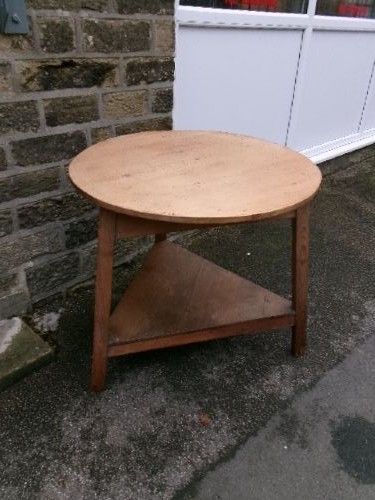
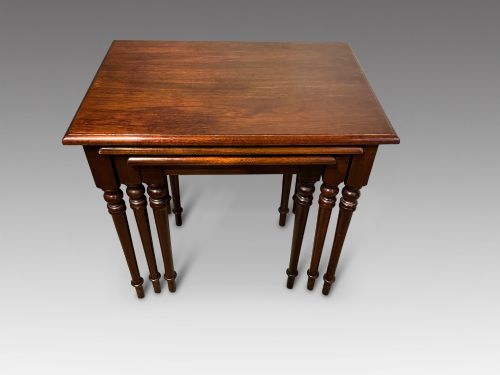
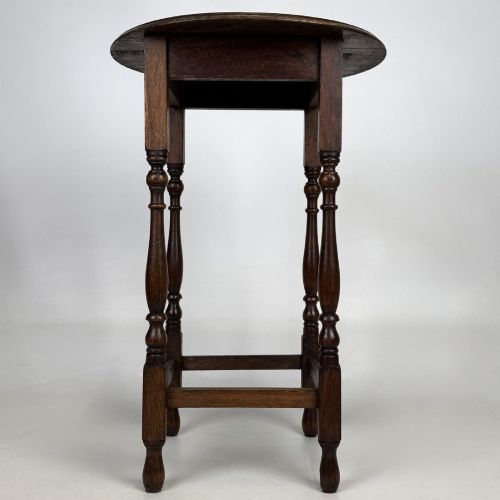
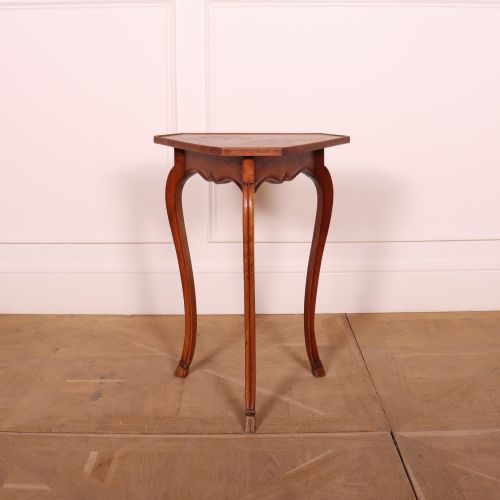
Vintage Table Legs
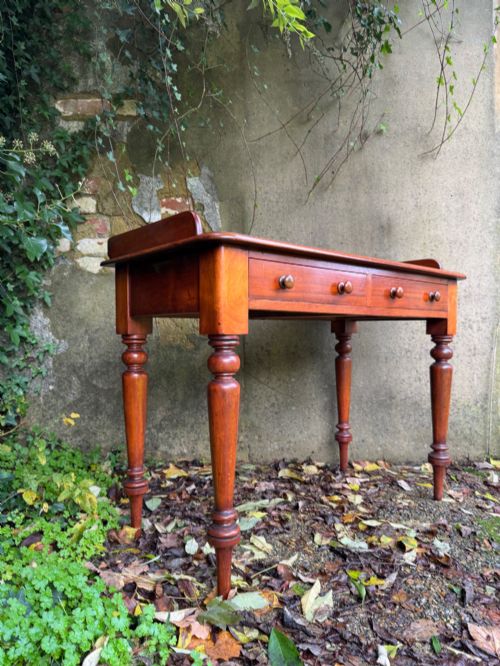
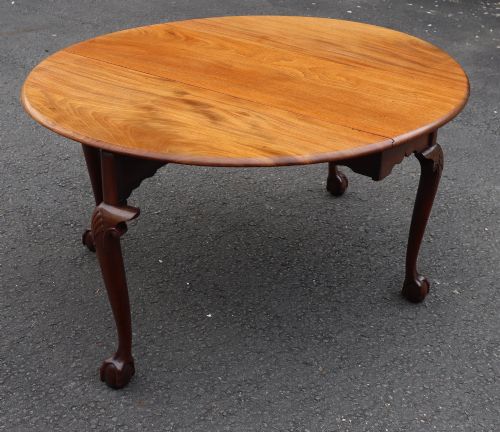
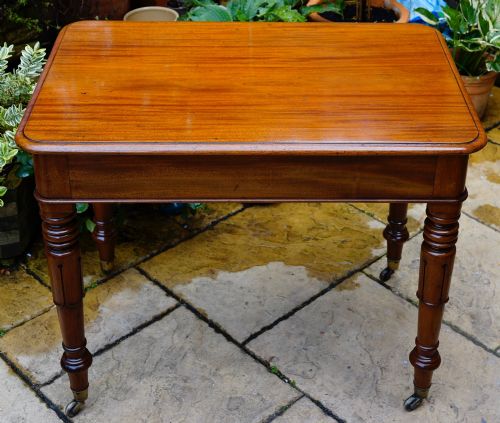
Vintage table legs provide the essential structural support and stylistic flair for everything from Edwardian nests of tables to Victorian dining pieces.
Vintage Table Legs
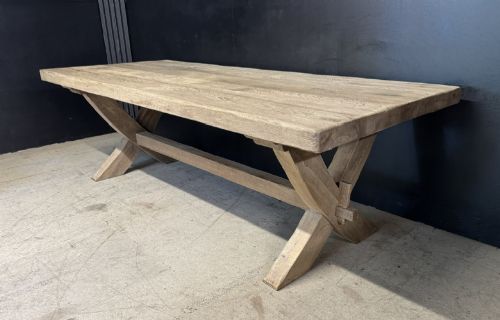
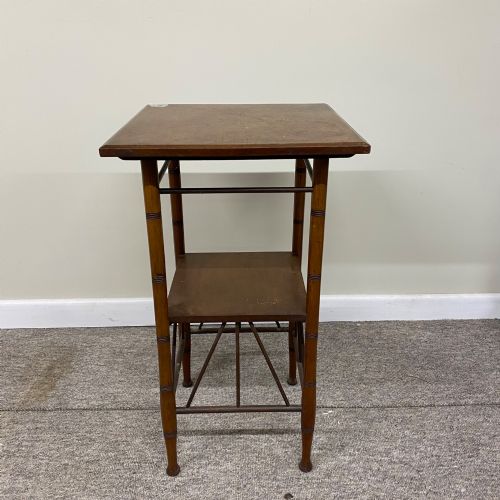
The materials span sturdy timbers like oak, mahogany, walnut, and burr walnut, alongside decorative accents in brass and ormolu. These components sustain forms ranging from refectory dining boards to bedside cabinets and coffee tables.
How they were made
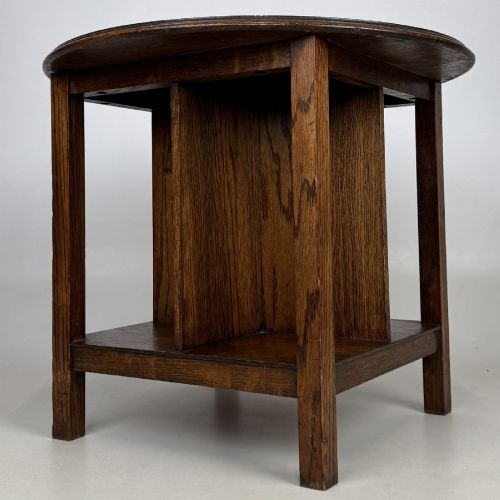
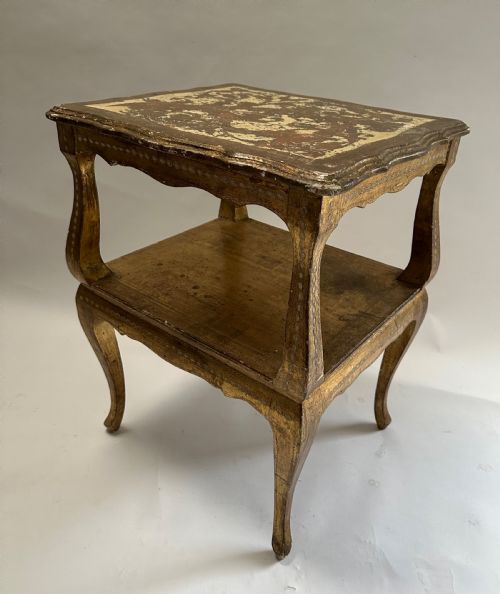
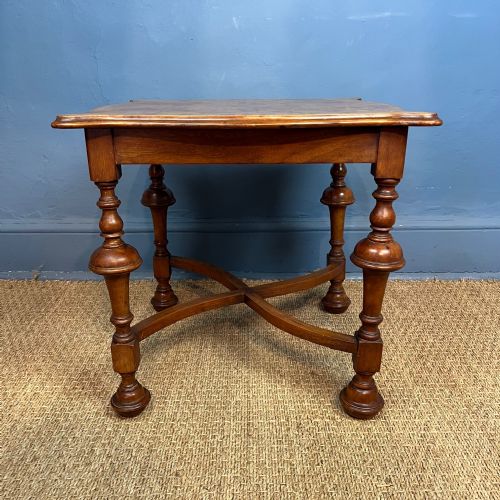
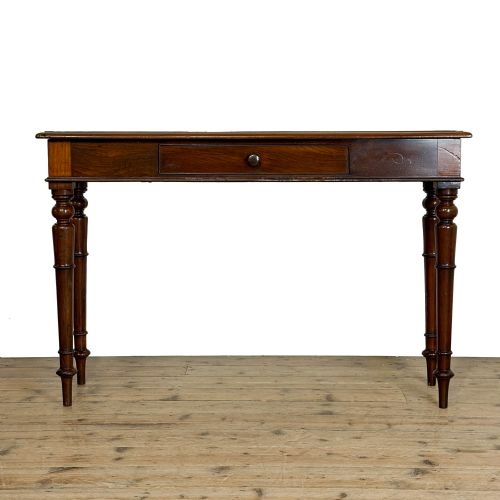
Cabinet makers shaped these components from dense hardwoods including mahogany, oak, walnut, and cherry using traditional turning, carving, and joinery techniques. Timber selection dictated the weight and carving capability, allowing artisans to produce cabriole profiles, barley twists, or straight splayed forms.
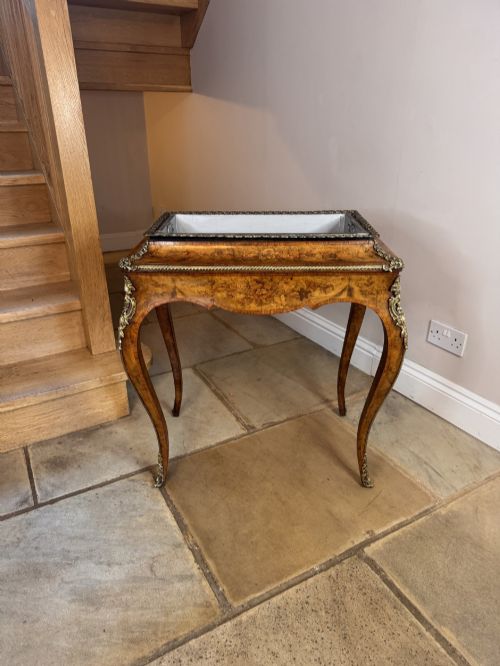
Selected supports incorporate brass fittings or ormolu mounts to strengthen joints and enhance the visual contrast against dark wood grains like burr walnut and kingwood.
Vintage Table Legs Retail Price Guide 2026
Typical asking prices for vintage table legs among the pieces listed under this phrase on Sellingantiques today, from the lower quarter to the upper quarter. They describe what is for sale here now, not the wider market.
Listings feature woods such as mahogany, oak, walnut, burr walnut, rosewood, and kingwood across periods spanning the nineteenth and twentieth centuries.
What varies in quality
Quality rests in the precision of the timber seasoning and the depth of the hand-carved detailing. Superior examples exhibit tightly grained hardwoods with clean joinery lines and crisp ornamentation rather than flat, machine-cut profiling.
The integrity of the original polish and the symmetry of the turned or cabriole shaping distinguish finer workshop productions from utilitarian items.
The Vintage Table Legs Glossary
- Cabriole leg
- A furniture support that curves out and then in, resembling the leg of an animal. This form became prominent during the Queen Anne and Louis XV revival periods.
- Barley twist
- A cylindrical support carved into a spiral resembling a twisted rope. It frequently appears on Jacobean and Edwardian oak furniture.
- Ormolu
- Gilded bronze ornamentation applied to furniture supports for decorative contrast. It is commonly found on French revival and high-status pieces.
- Drop leaf
- A hinged table section supported by a swinging leg. This mechanism allows the surface area to expand or contract.
Vintage Table Legs: Frequently Asked Questions
What woods were used for vintage table legs?
Makers utilised a variety of dense hardwoods depending on the period and regional style. Common selections include mahogany, oak, walnut, burr walnut, and cherry.
Finer decorative pieces also incorporated exotic veneers like kingwood and rosewood over solid timber cores, sometimes accented with brass fittings.
How do I identify Edwardian table legs?
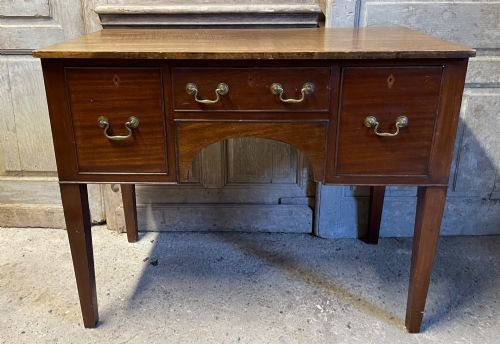
Edwardian supports often display lighter proportions and refined mahogany or burr walnut construction. They frequently feature delicate cabriole shaping or straight tapered profiles.
These elements reflect the revival of earlier aesthetic movements adapted for smaller domestic spaces around the turn of the twentieth century.
What is a cabriole leg?
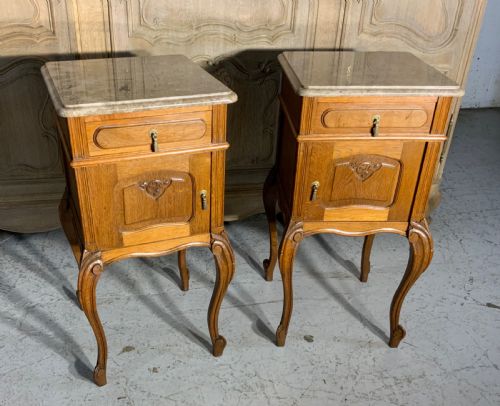
A cabriole leg is a curved furniture support that arches outward at the knee and tapers inward toward the foot. This design derives from classical animal forms.
It is a defining feature of Queen Anne and French Louis XV revival furniture found across various side tables and desks.
Can I use vintage legs on a new tabletop?
Many buyers repurpose vintage supports to create bespoke tables using reclaimed timber or glass tops. Ensuring the height and weight capacity match the new surface is essential for stability.
Proper joinery and secure mounting plates allow older wooden supports to function effectively in modern settings.