


Vintage Table Centerpiece
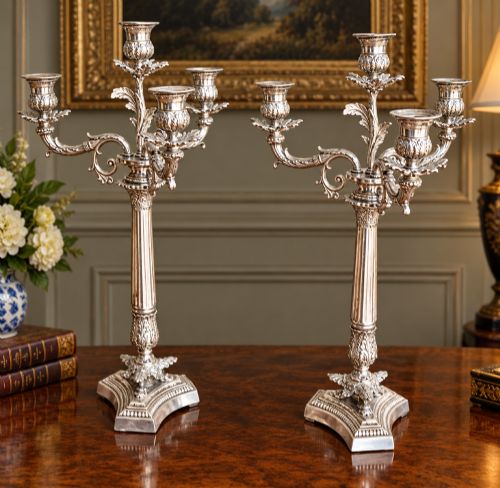
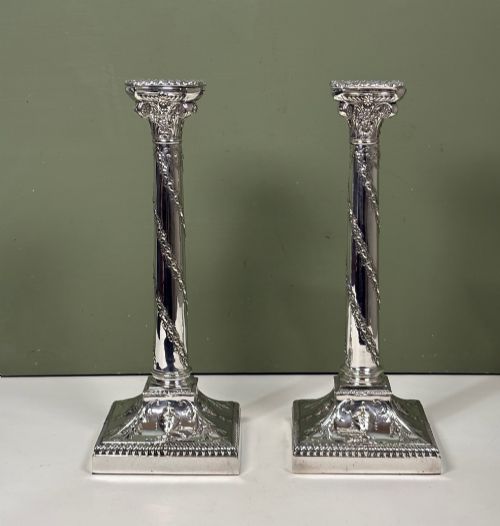
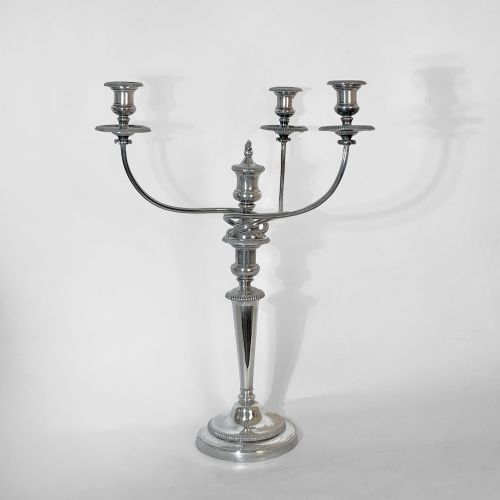
A vintage table centerpiece anchors a dining surface with presence, ranging from towering silver candelabras to deep cut-glass fruit bowls.
Vintage Table Centerpiece
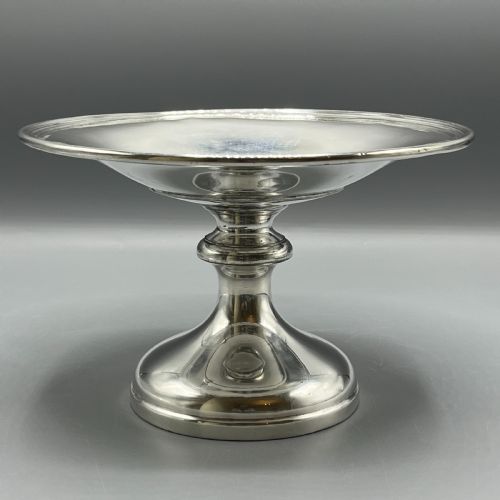
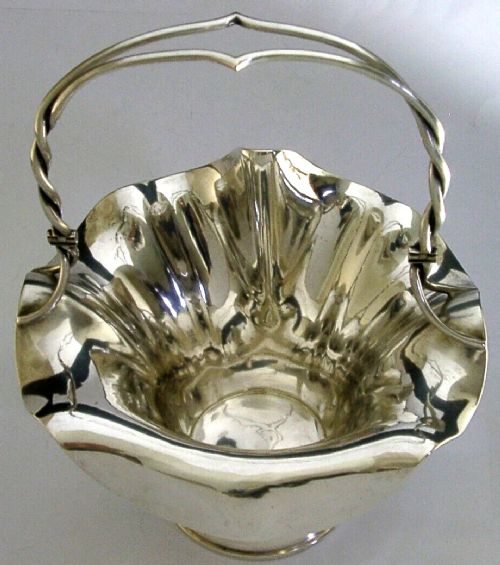
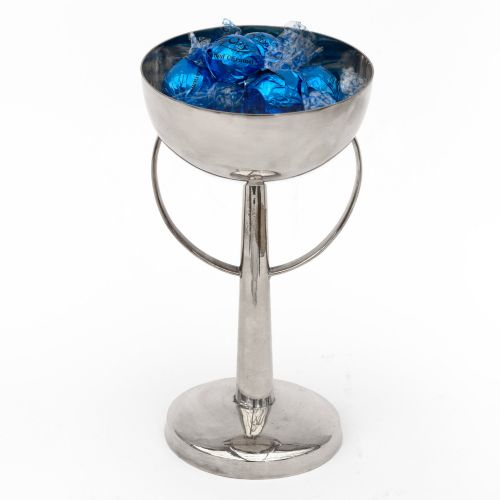
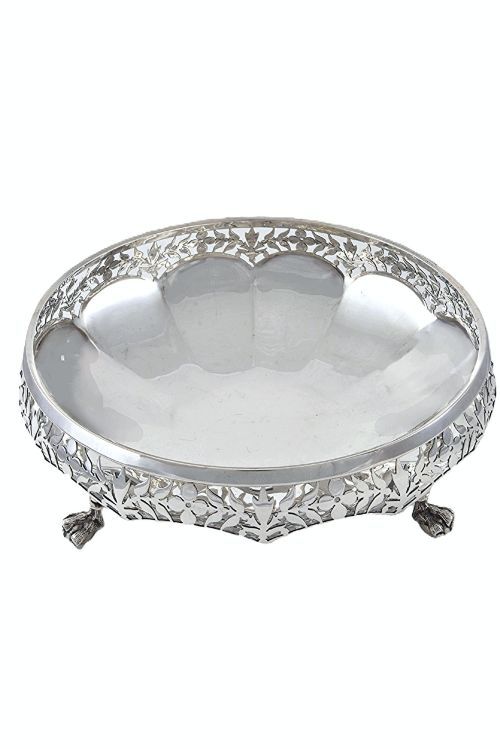
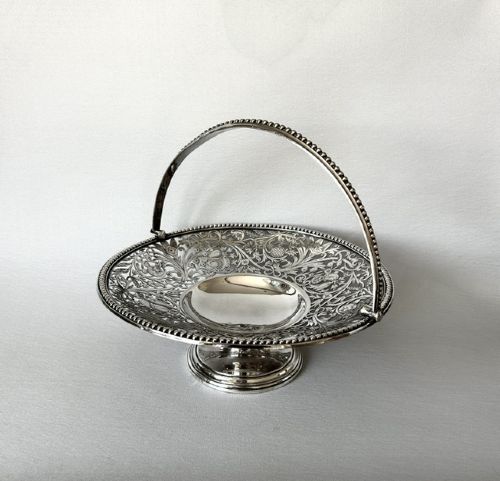
A vintage table centerpiece gathers the eye at the middle of the dining surface, taking shapes such as low fruit comports, pedestal tazzas, and heavy decorative baskets. Many examples stem from the Victorian and Edwardian eras, reflecting formal dining traditions where the table centrepiece held pride of place.
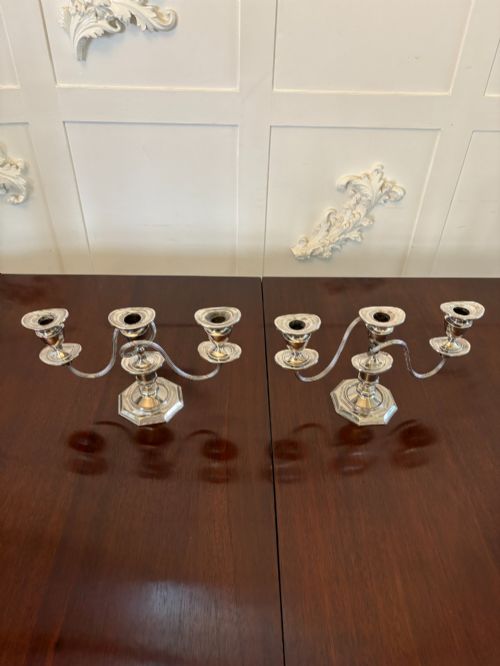
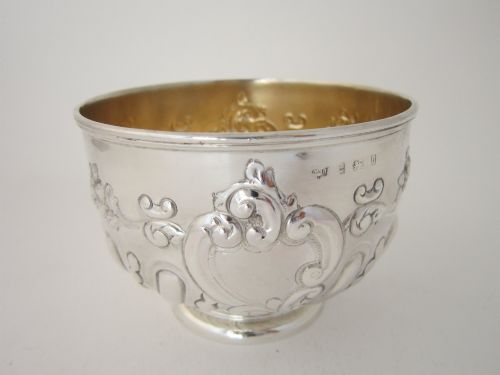
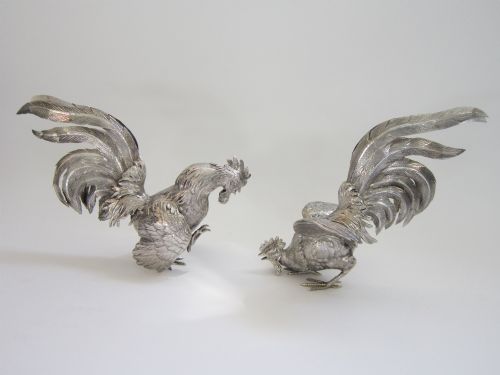
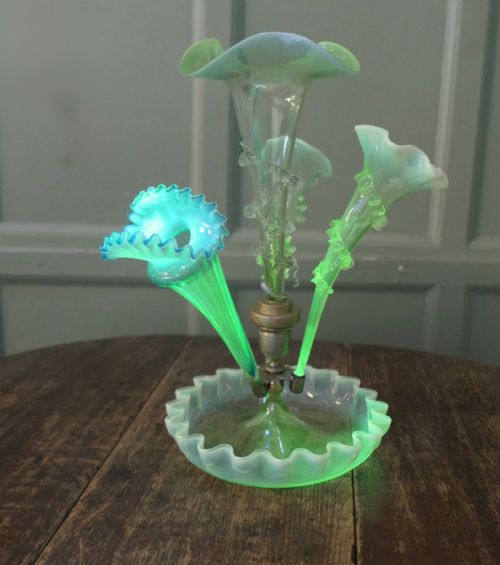
Buyers frequently encounter silver-plated and sterling silver bowls alongside multi-light candelabras and epergnes with trumpet vases. French and English workshops dominate the offerings, spanning periods from the nineteenth century through the 1930s with occasional mid-century modernist bowls.
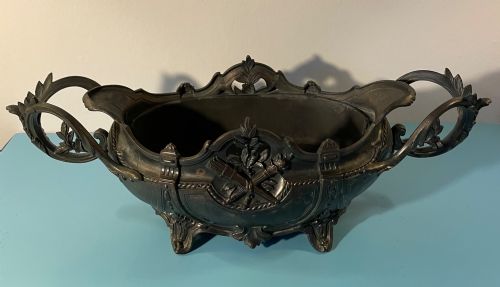
Alternative forms include carved oak fruit bowls, rotating lazy Susans, and handled jardinières intended for floral displays. Each variation serves the historical function of decorating a shared meal or sideboard with substantial metal or glass craftsmanship.
Materials and Technique
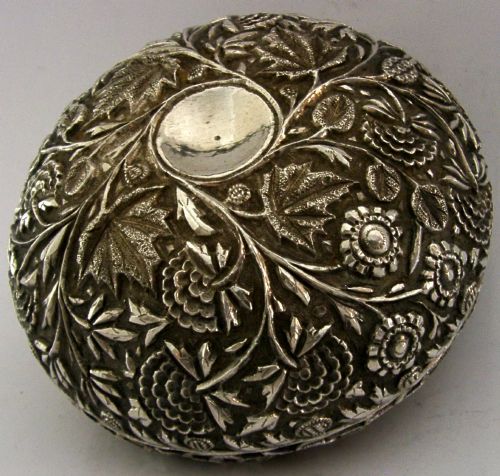
Silversmiths shaped solid sterling silver and silver plate over copper, electroplated nickel silver, or Britannia metal, employing techniques like repoussé and piercing. Floral rims and scrollwork relied on detailed hammering and stamping, while Sheffield plate fused layers of silver to copper bases.
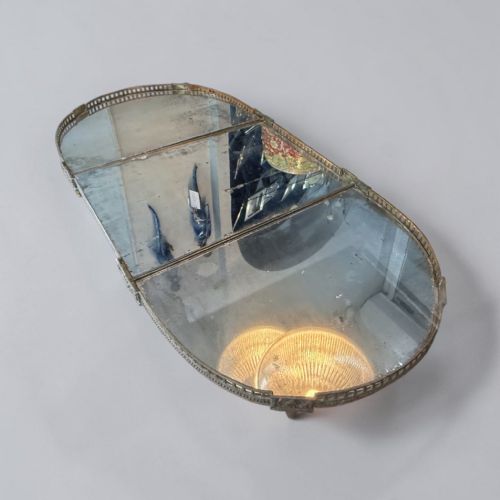
Glass elements utilised hand-blown and cut-glass methods, producing heavy crystal inserts and uranium glass trumpet epergnes. Gilt bronze, brass, copper, and carved oak provided sturdy alternative frames for floral centrepieces and rotating dining accessories.
Listings feature items spanning the 19th century through the 1960s, incorporating materials from cut glass and oak to sterling silver and copper.
Evaluating Craftsmanship
Depth of relief work and crispness in chased decoration separate standard vessels from superior examples. Finely articulated repoussé rims and pierced metalwork demonstrate greater skill than stamped mass-produced equivalents.
Weight and gauge of metal dictate durability and presence, with heavy solid silver or thick silver plate retaining structural integrity across centuries. The integration of materials, such as a well-fitted cut-glass insert within a cast bronze or silvered metal frame, marks higher execution.
Mappin & Webb
The Vintage Table Centerpiece Glossary
- Tazza
- A shallow bowl mounted on a pedestal foot, used historically for serving fruit or sweetmeats.
- Epergne
- An ornamental tabletop centrepiece featuring a central dish with multiple branching arms or trumpet vases for flowers.
- Repoussé
- A metalworking technique where the design is hammered into relief from the reverse side.
- Sheffield Plate
- An early form of composite metal made by fusing a sheet of silver to a copper core.
- Jardinière
- An ornamental pot or stand, typically ceramic or metal, designed to hold growing plants or floral arrangements.
Vintage Table Centerpiece: Frequently Asked Questions
How were table centerpieces used historically?
These decorative items dominated the middle of formal dining tables, holding seasonal fruits, sweetmeats, or elaborate floral arrangements. They acted as conversational focal points during multi-course Victorian and Edwardian banquets.
Over time, their placement shifted from heavy permanent displays to versatile pieces brought out for special meals and gatherings.
What materials are most common?
Silver plate and sterling silver appear frequently, often shaped into pierced baskets, pedestal bowls, and multi-light candelabras. Cut glass and heavy pressed glass also feature prominently, sometimes paired with metal stands.
Less common materials include carved oak, copper, brass, and hand-blown coloured glass like uranium glass.
How do I care for silver plated centerpieces?
Regular dusting with a soft microfibre cloth prevents dust accumulation in intricate repoussé crevices. When cleaning is necessary, use a gentle, non-abrasive silver polish formulated specifically for plated items.
Avoid soaking pieces with wooden bases or glass inserts in water to preserve adhesives and joints.
Can I use these centerpieces for fresh flowers?
Many metal bowls and jardinières accommodate waterproof liners or floral foam for fresh arrangements. Glass epergnes and trumpet vases were specifically designed to hold water and cut stems.
Ensure metal surfaces are dried thoroughly after use to prevent moisture damage to silver plate or older solders.