

Vintage Sword Walking Stick
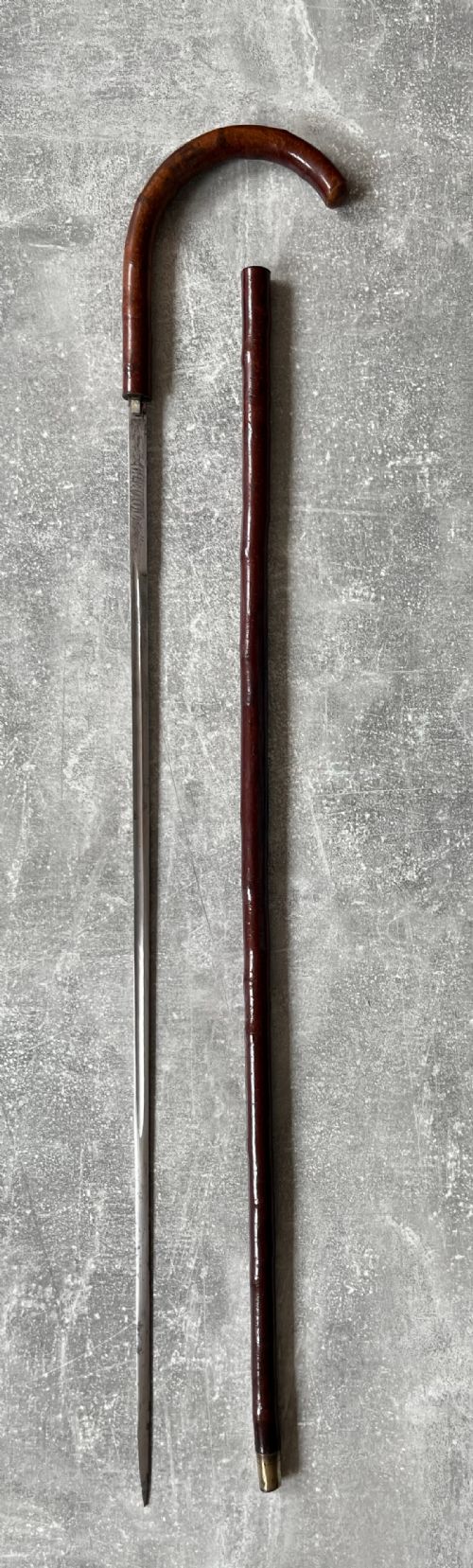
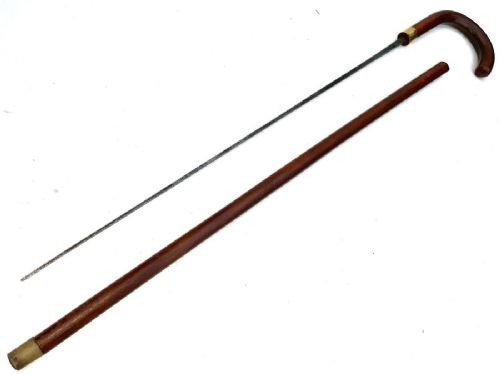
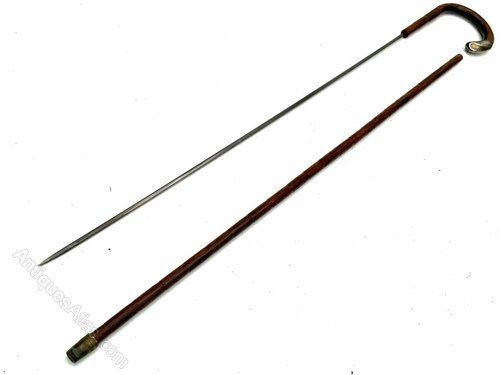
A vintage sword walking stick combines everyday gentlemanly carriage with a concealed blade, offering a fascinating glimpse into late nineteenth and early twentieth-century personal defence.
Vintage Sword Walking Stick
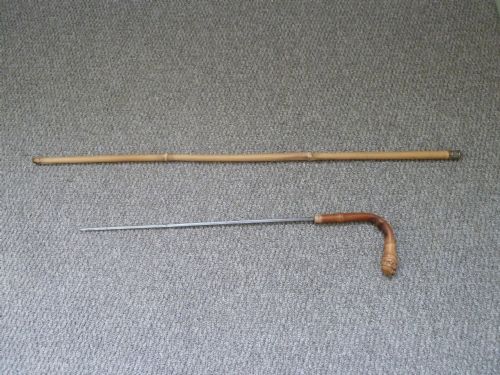
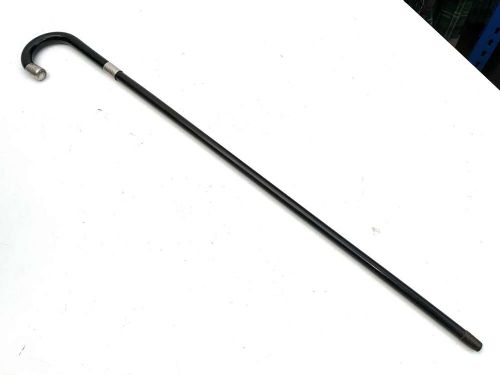
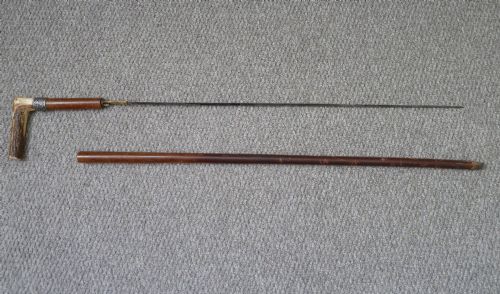
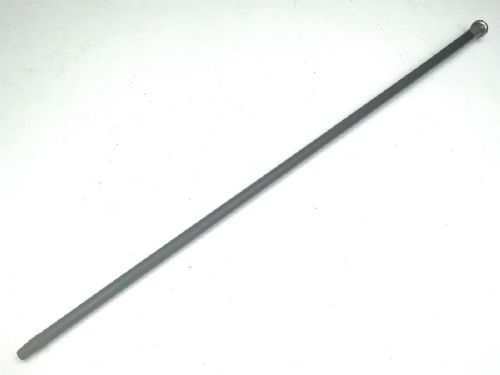
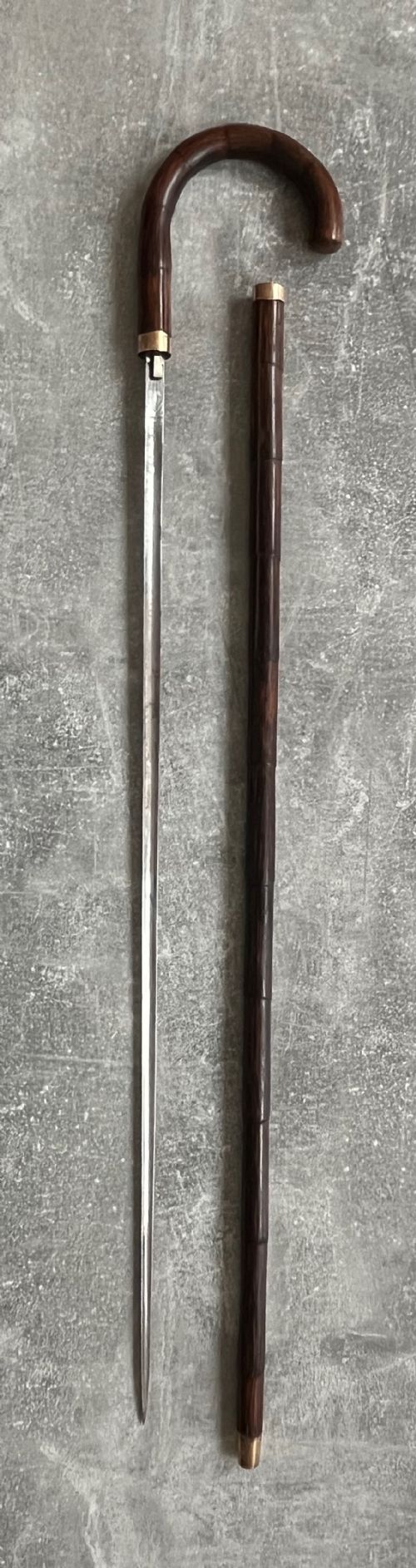
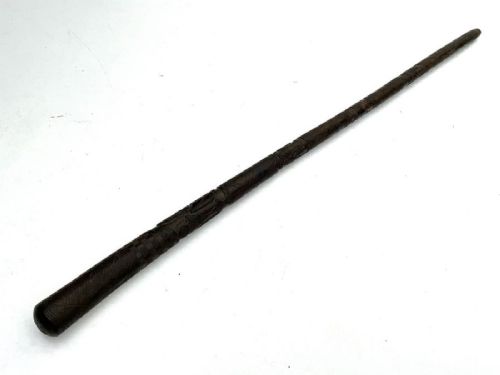
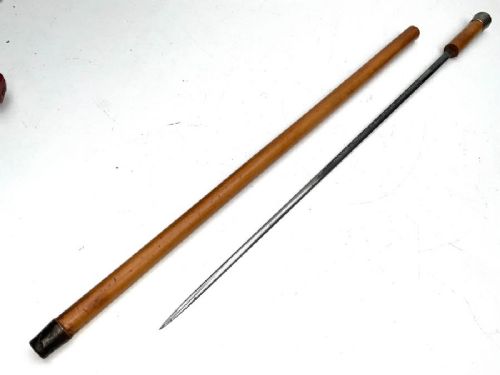
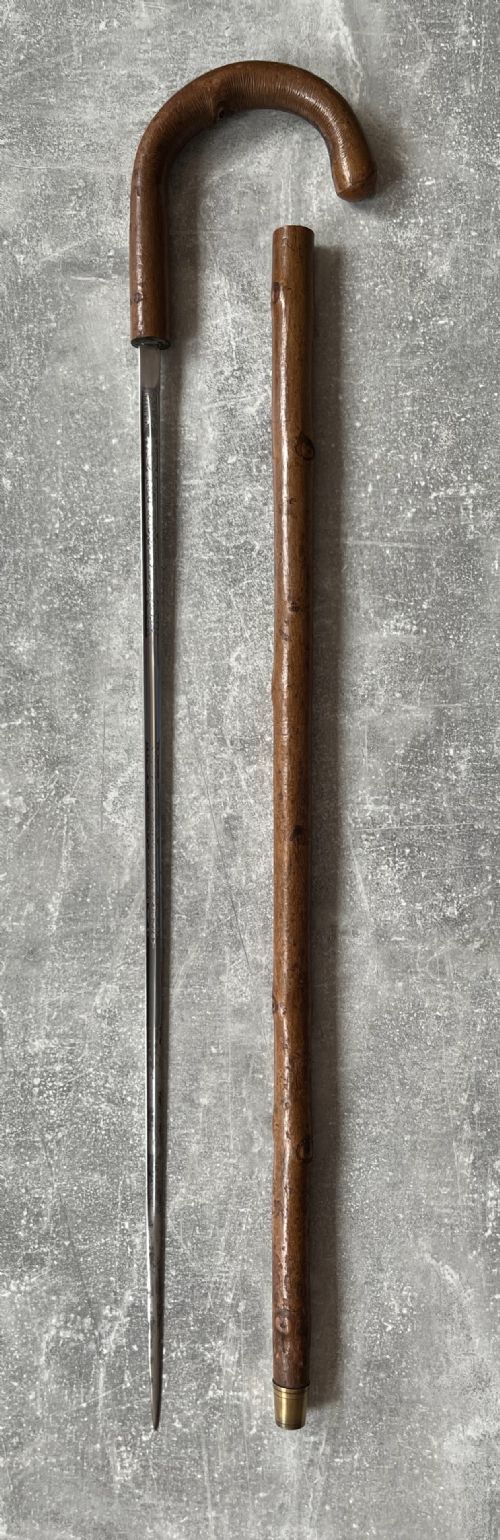
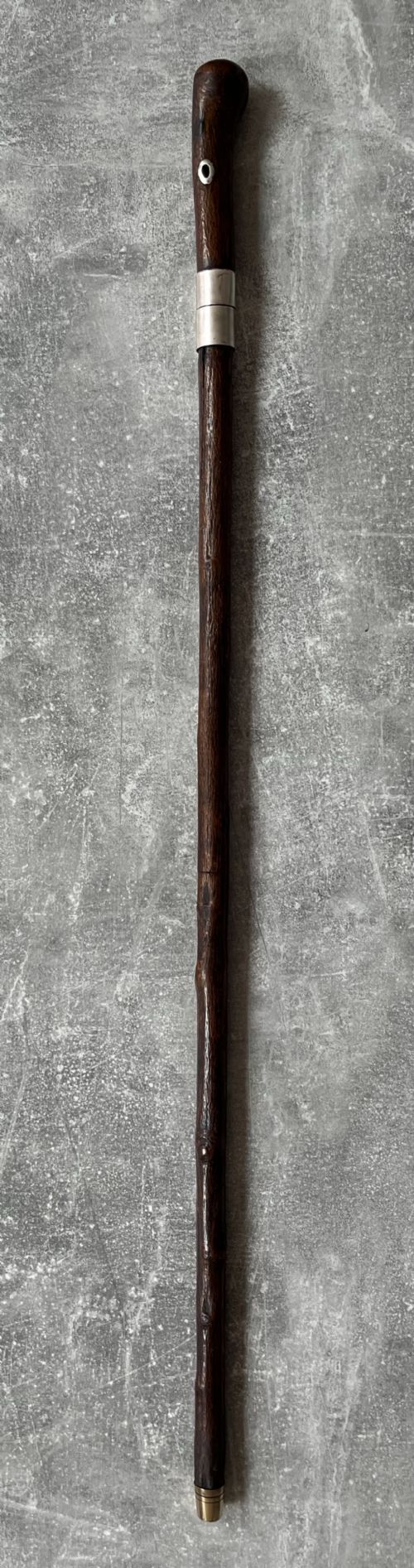
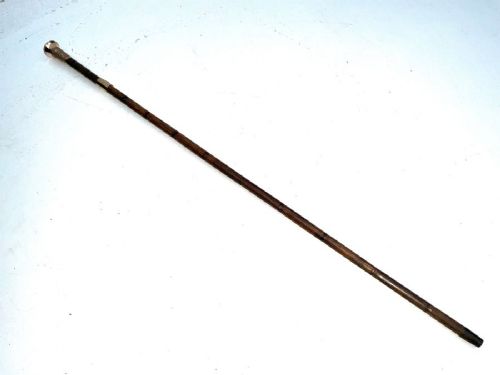
When searching for a vintage sword walking stick, you encounter functional accessories designed to look like standard walking canes while housing hidden steel blades. The pieces available span the Victorian and Edwardian eras, stretching from the 1880s through to the 1920s.
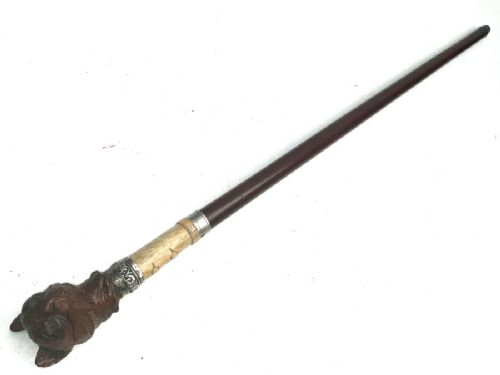
You meet various traditional wooden shafts including malacca cane, partridge wood, hazel, cherrywood, and Irish blackthorn. Many examples incorporate distinct handles, ranging from crook shapes and hammer head grips to novelty forms and horn mounts.
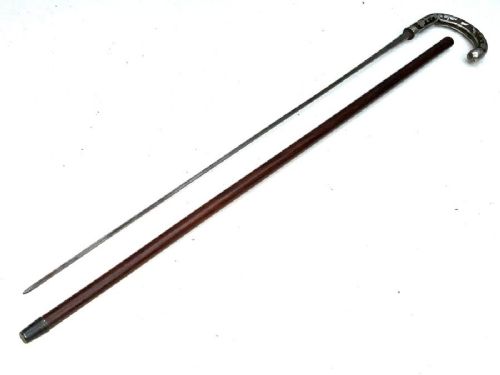
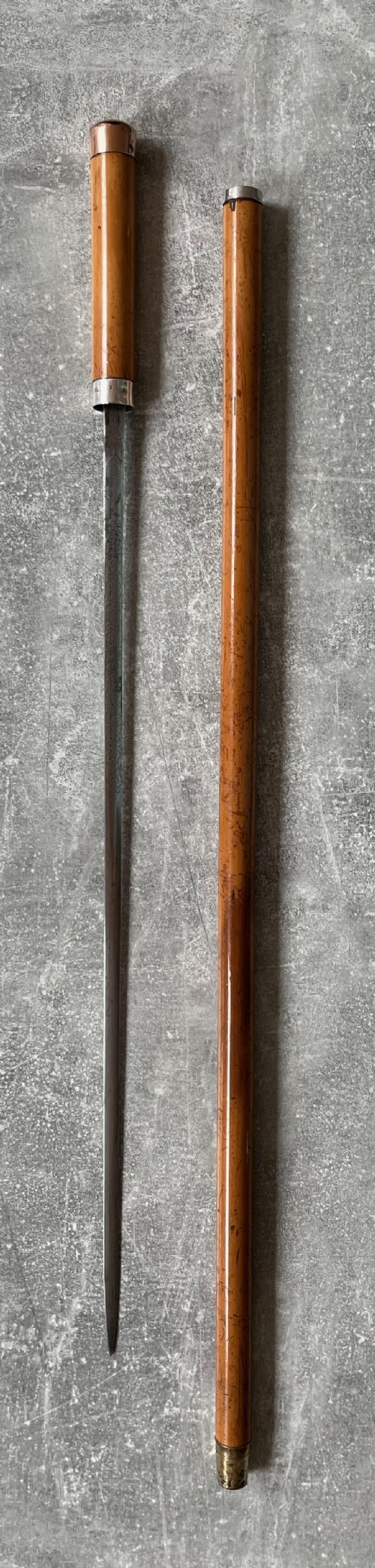
Military officers and gentlemen alike carried these items for protection and status. The selection on this page demonstrates how makers disguised the hidden blades beneath silver collars, brass fittings, and bone knops.
How they were made
Craftsmen utilised sturdy natural timbers such as rosewood, bamboo, and ebonised wood to form the exterior shafts, often pairing them with malacca or imitation bamboo for resilience. These wooden bodies were hollowed out with precision engineering to accommodate the concealed blades securely.
The internal blades typically comprise tempered steel, frequently featuring Toledo origins or maker inscriptions from firms like Wilkinson. Artisans fitted the shafts with metal collars, silver mounts, and porcelain or horn handles to complete the disguise.
Vintage Sword Walking Stick Retail Price Guide 2026
Typical asking prices for vintage sword walking stick among the pieces listed under this phrase on Sellingantiques today, from the lower quarter to the upper quarter. They describe what is for sale here now, not the wider market.
Some Victorian gentlemen required concealed steel protection disguised beneath delicate Sevres porcelain or novelty carved handles.
What varies in quality
Quality rests heavily on the integration of the hidden mechanism and the calibre of the blade inside. Superior examples demonstrate a flush fit where the shaft meets the handle, concealing the join completely until the button release is engaged.
The distinction between standard utility items and finer pieces lies in the materials chosen for the mounts and the origin of the steel. Fine specimens utilise solid silver collars, engraved Toledo blades, and tactile handles carved from horn, bone, or Sevres porcelain.
Brigg·Wilkinson
The Vintage Sword Walking Stick Glossary
- Toledo blade
- A steel blade originating from Toledo in Spain, renowned historically for its flexibility and strength. These blades appear frequently in nineteenth-century cane work.
- Malacca cane
- A mottled brown rattan stemming from Southeast Asia, prized for its durability and distinctive appearance. It serves as a primary shaft material for many concealed weapons.
- Knop
- A rounded knob or handle at the top of a stick. In these pieces, the knop often conceals the locking mechanism for the internal blade.
- Swagger stick
- A short military cane carried by officers. Some examples double as sword sticks for personal defence.
Vintage Sword Walking Stick: Frequently Asked Questions
How do you release the blade?
Most pieces utilise a mechanical button release or a simple friction catch built into the collar. Pressing this release allows the wooden shaft section to slide apart from the steel blade.
The hidden mechanism relies on precise internal fitting to ensure the blade remains secure while walking and releases smoothly when required.
What materials were used for shafts?
Makers selected robust timbers and natural canes capable of housing an internal metal blade without warping. Common materials include malacca cane, partridge wood, hazel, rosewood, and Irish blackthorn.
Faux bamboo and ebonised wood also appear regularly, often paired with silver collars, brass mounts, and horn handles.
Who carried these walking sticks?
Military officers, gentlemen, and civilians utilised these items during the Victorian and Edwardian periods for personal security. They provided a discreet method of defence during urban travel.
Specialist variants such as Masonic sticks and traditional Irish blackthorn versions also indicate specific social or regional preferences among owners.
How do you date a sword stick?
Dating relies on examining the style of the mounts, the materials used, and any legible blade stamps or hallmarks. Pieces span the late nineteenth century through to the 1920s.
Victorian and Edwardian examples often feature specific handle shapes, such as crook handles or carved bone knops, alongside hallmarks on silver collars that indicate exact assay years.