
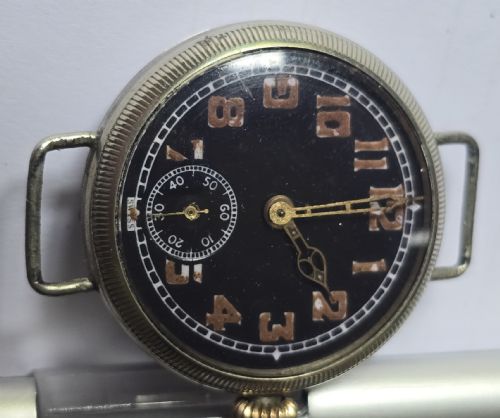


Vintage Swiss Military Watch
A vintage swiss military watch is a hard-wearing timepiece built for service, combining robust utility with enduring horological history.
Vintage Swiss Military Watch
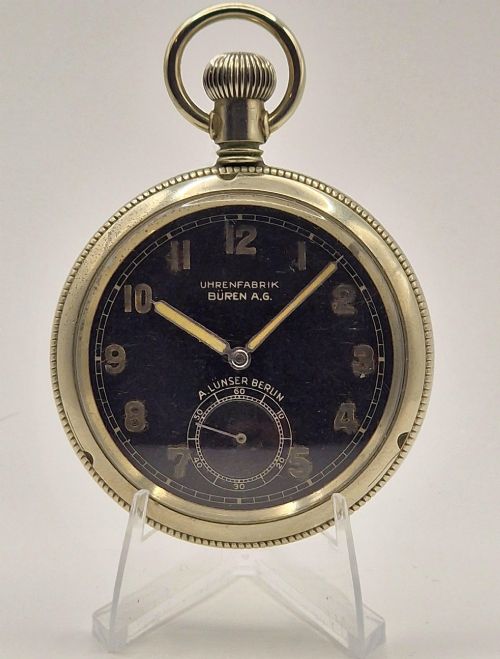
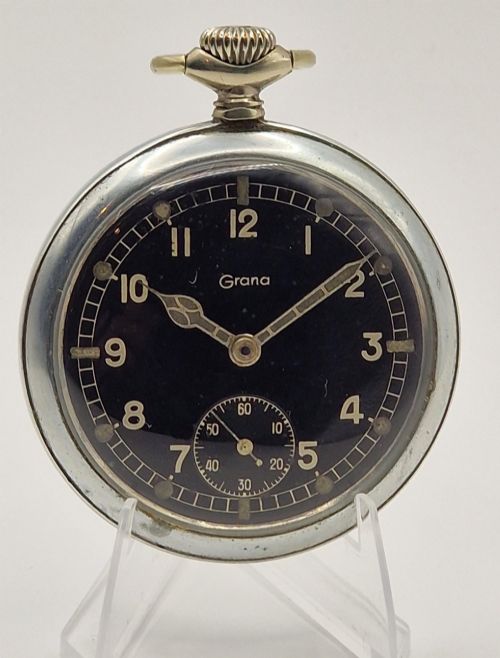
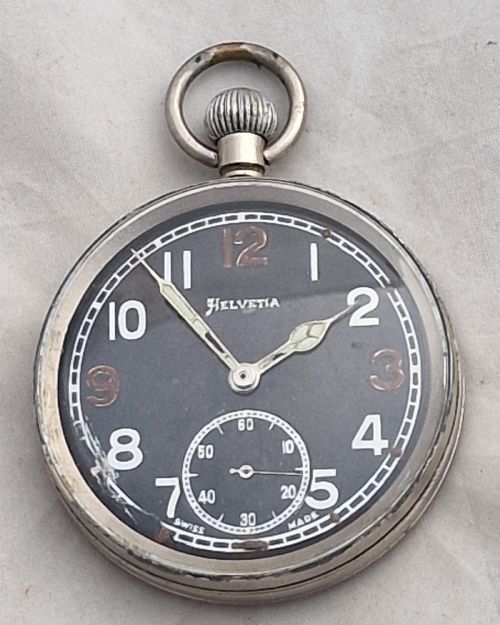
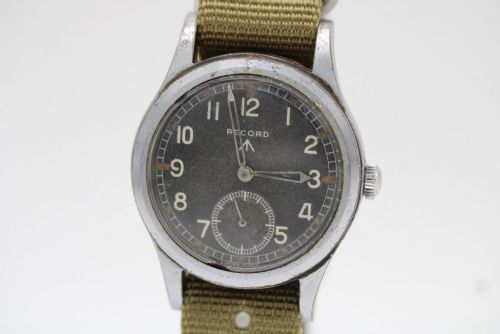
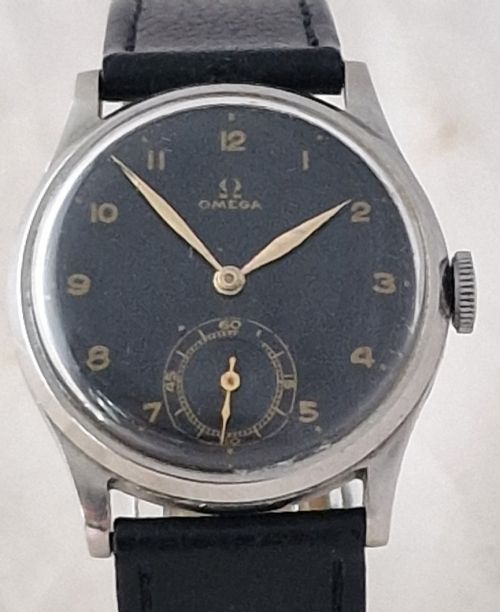
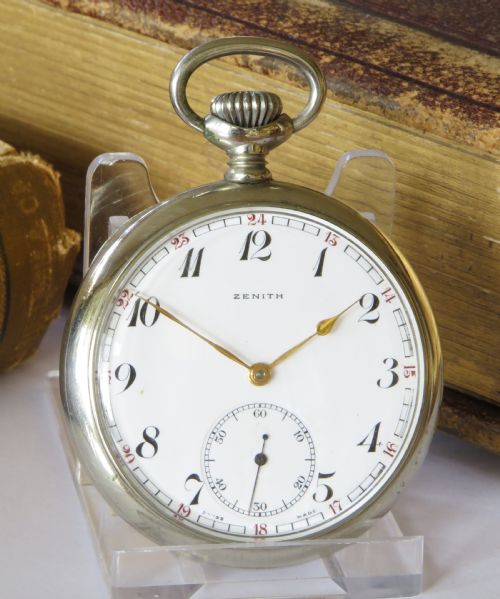
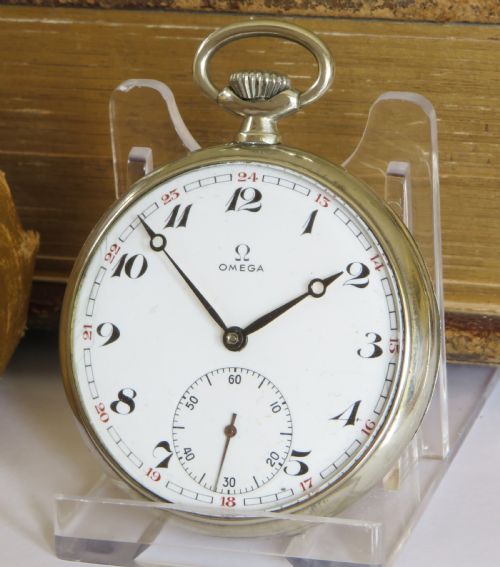
A vintage swiss military watch encompasses rugged wristwatches and pocket watches issued during major conflicts from the nineteenth century through the mid-twentieth century. Buyers encounter pieces spanning the First World War trench era, the Second World War issue pieces, and mid-century military designs. These instruments originate from Swiss workshops and cater to both officers and enlisted personnel across various nations.
The selection on this page leans heavily toward wristwatches and pocket watches from the nineteen-forties, including specific British and Swedish military issues. Pieces from the nineteen-thirties and earlier nineteenth-century Swiss silver pocket watches with Ottoman military arms also appear. Such diversity reflects the broad operational history of Swiss horology meeting international military demands.
How they were made
Casings utilise durable metals including stainless steel, nickel, brass, and silver to withstand harsh field conditions. Dials feature clear enamel or straightforward painted finishes designed for rapid legibility under pressure.
Protection comes from glass or acrylic crystals fitted over the dial face. Leather straps complete many wristwatch examples, pairing functional security with service longevity.
The inventory combines wristwatches and pocket watches reflecting Art Deco, Mid-Century, and First World War military styles.
What varies in quality
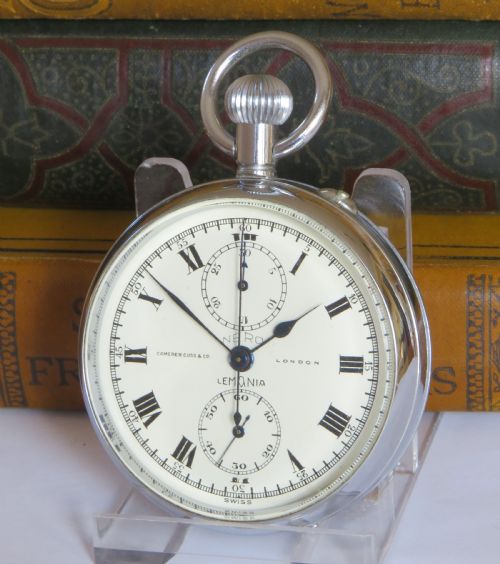
Differentiation across the range rests on the specificity of military markings, original dial preservation, and movement sophistication like chronographs or split-second mechanisms. Standard issue watches built for broad distribution differ fundamentally from specialised officer pieces or complex chronometer pocket watches.
The integrity of casework, whether stainless steel or silver, and the presence of verified issue details dictate the standing of an individual piece within Swiss horological history.
Helvetia·Nero Lemania·Eterna·Record·Omega·Zenith·Roamer·West End Watch Co·Revue Vertex·Timor
The Vintage Swiss Military Watch Glossary
- Chronograph
- A watch with a function for measuring elapsed time alongside its primary timekeeping display. These complications require intricate gearing inside the movement.
- Trench Watch
- An early form of wristwatch adapted from pocket watch designs during the First World War for use in combat. They often feature wire lugs soldered to the case.
- Calibre
- The specific internal movement design and designation created by a watchmaker. Collectors use this term to identify the mechanical engine driving the hands.
- ATP
- Army Trade Pattern, denoting standard military issue wristwatches procured for British forces prior to and during the Second World War. These pieces follow strict specification guidelines.
- Rattrapante
- A complex split-second chronograph featuring an additional hand to measure intermediate times. This mechanism demands advanced watchmaking skill.
Vintage Swiss Military Watch: Frequently Asked Questions
What makes a vintage swiss military watch different from civilian models?
Military pieces prioritise utilitarian legibility, robust steel or nickel cases, and specific government or department issue markings on the caseback.
Civilian counterparts often feature decorative dials, precious metal housings, and styling unsuited to field operations.
How do I identify a Second World War British issue watch?
Look for specific designations like WWW or ATP stamped on the reverse alongside military broad arrow markings.
These indicators confirm the piece was procured under official defence contracts for service personnel.
Were these watches worn by pilots or ground troops?
Service records and markings indicate distribution across various branches, including specific pieces supplied to foreign air forces such as German Luftwaffe units.
Pocket watches and wristwatches served wherever precise timing was critical to operations.
How should I care for a vintage mechanical movement?
Wind the watch gently at a consistent time each day and avoid exposing the movement to moisture or magnetic fields.
Routine servicing by a qualified horologist preserves the internal brass and steel components for daily enjoyment.