


Vintage Swiss Chronograph
A vintage swiss chronograph offers precise timing complications housed in decades-old horological designs from notable Swiss makers.
Vintage Swiss Chronograph
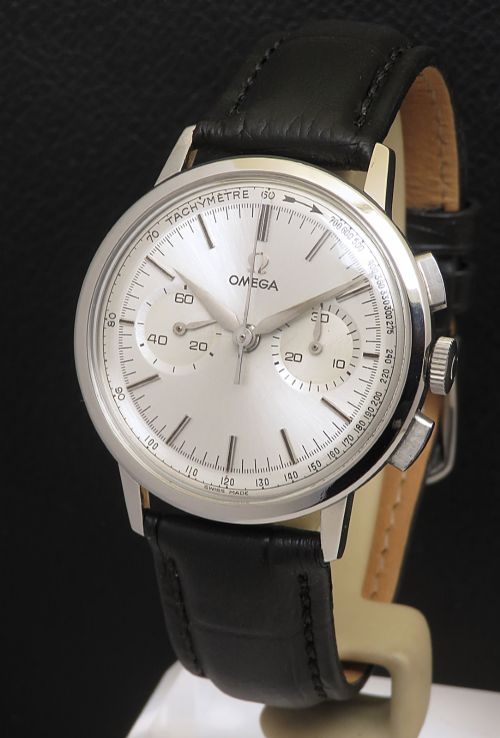
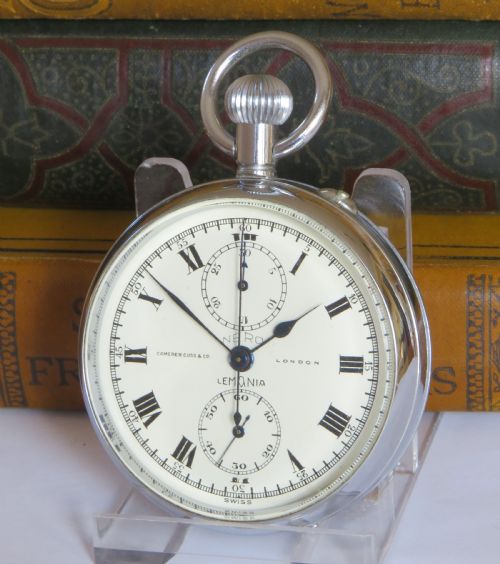
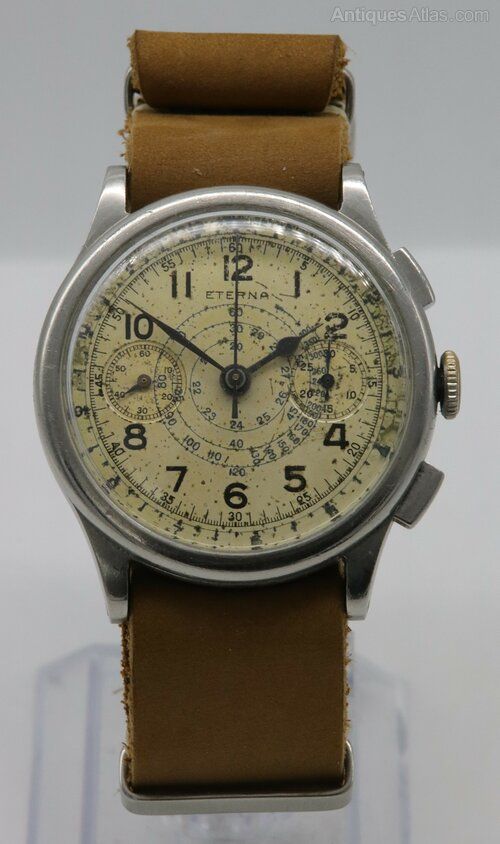
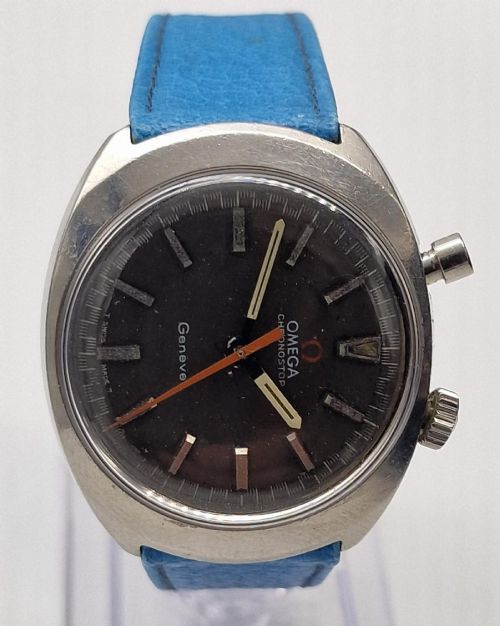
When searching for a vintage swiss chronograph, collectors encounter a diverse selection of timepieces spanning from the nineteenth century through the 1960s. These pieces encompass both wristwatches and pocket watches designed for utility, aviation, and racing.
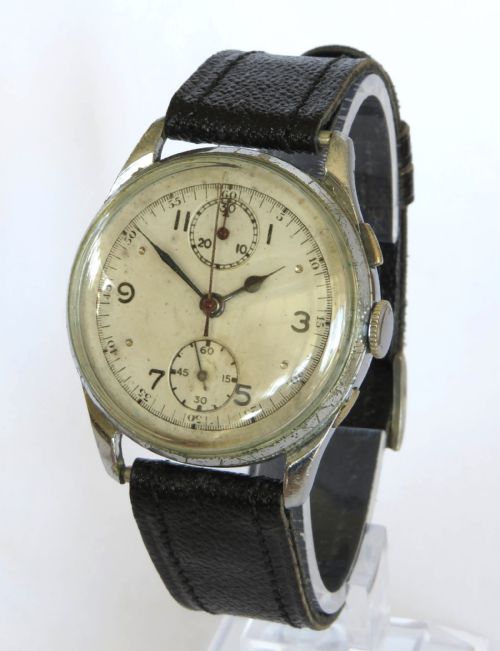
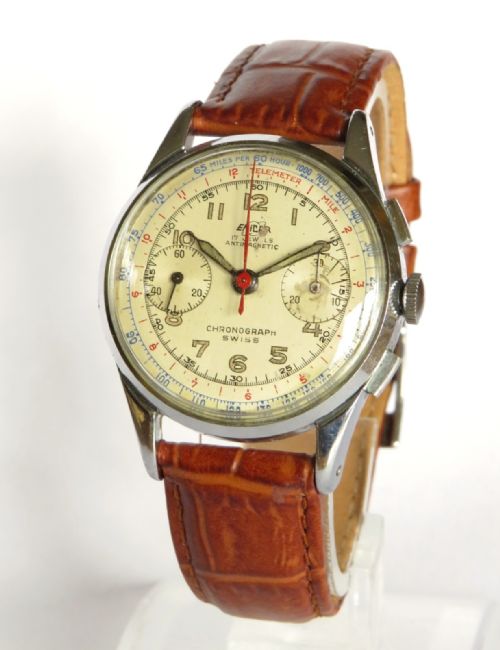
The wristwatches most frequently met on this page date from the 1940s, 1950s, and 1960s, displaying mid-century styles alongside earlier pocket watch formats. Such instruments combine traditional mechanical movements with stopwatch functions.
Makers ranging from large Swiss houses to specialist workshops produced these instruments, incorporating complications like triple calendars, moonphases, and split-second mechanisms.
Materials and construction
Cases utilise stainless steel, gold plate, and solid gold, paired with protective glass or acrylic glass over dials that frequently feature enamel details. Leather straps secure the wristwatches to the wearer.
Mechanical Swiss movements drive the complications, utilising intricate gear trains and manual wind systems developed by historic movement blank manufacturers and watch houses.
Vintage Swiss Chronograph Retail Price Guide 2026
Typical asking prices for vintage swiss chronograph among the pieces listed under this phrase on Sellingantiques today, from the lower quarter to the upper quarter. They describe what is for sale here now, not the wider market.
Listings feature periods spanning from the 19th century through the 1960s, utilising stainless steel, gold plate, leather, and glass.
Distinctions in quality
The calibre of the movement and the complexity of the complication dictate the tier of a timepiece, with specialised calibres from renowned movement makers standing apart from standard commercial formats. Originality of dial configurations and case finishes heavily influences the standing of an individual watch.
Materials also divide the range, as solid gold or platinum housings and complex multi-register dials represent a higher grade of production than gold-plated or simpler stainless steel variants.
Guinand·Lemania·Eterna·Omega·Venus·Enicar·Breitling·Invicta·Fludo·Benrus·Chronographe Suisse·Mundus·Heuer
The Vintage Swiss Chronograph Glossary
- Chronograph
- A watch with a display function for measuring short time intervals independently of the time of day. It typically utilises independent sweep hands and pushers.
- Calibre
- The specific internal movement or mechanism of a watch. Makers assign numbers or names to distinguish their different movement designs.
- Panda dial
- A watch dial featuring contrasting sub-dials against a lighter main background. This layout resembles the facial markings of a panda.
- Moonphase
- A complication that displays the lunar phase on the dial. It tracks the cyclical appearance of the moon as seen from Earth.
- Rattrapante
- A split-second chronograph featuring two superimposed stopwatch hands. One hand can be stopped to measure an intermediate time while the other continues.
Vintage Swiss Chronograph: Frequently Asked Questions
Can I wear my vintage chronograph daily?
Daily wear is possible if you accept the limitations of older machinery. These watches lack modern shock protection and high water resistance.
Keep the watch away from magnetic fields, moisture, and heavy impacts. Regular servicing by a specialist ensures the internal gears remain lubricated.
What is a triple calendar complication?
A triple calendar displays the day of the week, the month, and the date simultaneously on the watch dial. Subsidiary windows or pointer hands indicate these calendar details alongside the standard time.
Such watches often pair the calendar display with chronograph functions. Setting these displays requires attention to the position of the hands to prevent damage to the internal date wheels.
How do pocket watches differ from wristwatches?
Pocket watches feature larger movements and wider cases designed to be carried in a waistcoat pocket rather than strapped to the wrist. They often include protective metal outer covers and suspension loops for a chain.
Wristwatches prioritize compact engineering to fit comfortably on the arm. Pocket watch movements frequently incorporate higher-grade finishing and complex additions like minute repeaters.