






Vintage Swept Frame
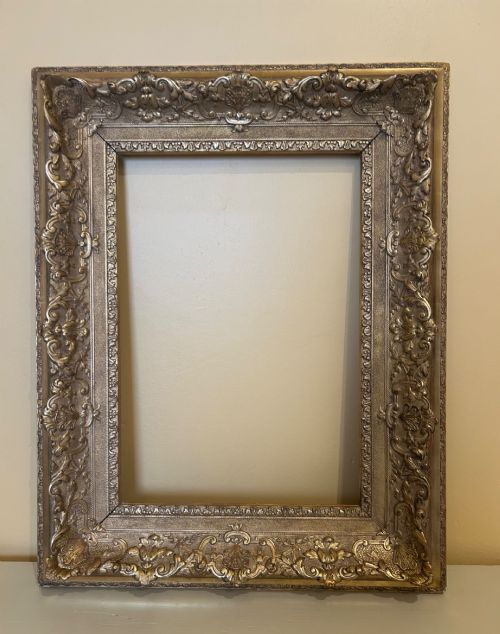
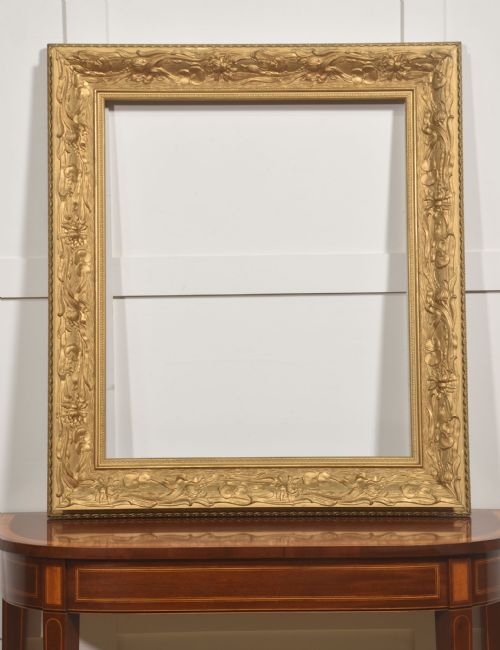
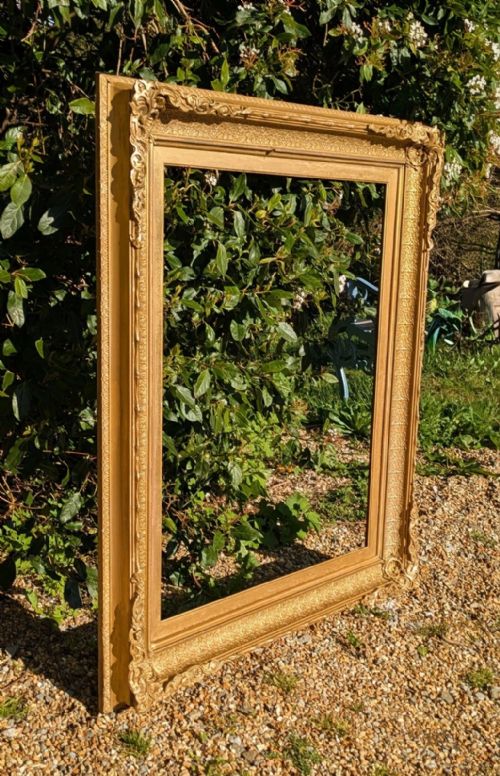
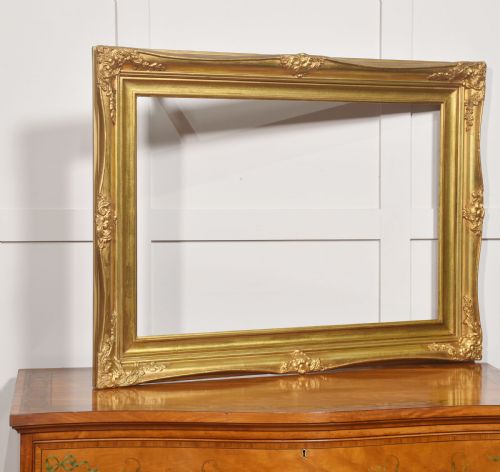
A vintage swept frame brings elaborate curves and deep moulded corners to mirrors and canvases, adding instant period character to a room.
Vintage Swept Frame
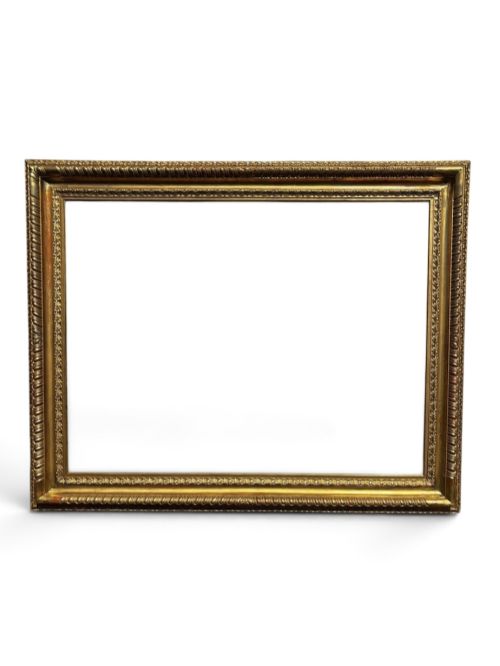
Most entries combine these ornate wooden profiles with gilt surfaces, housing either original oil paintings, watercolours, or empty apertures ready for mirrors. Styles range from Rococo revival curves to French Montparnasse profiles and neoclassical outlines.
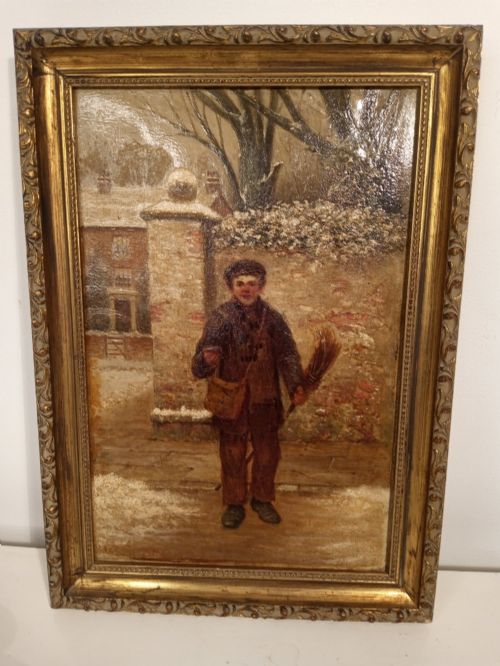
Buyers encounter everything from standalone picture frames to complete framed artworks, including still lifes, portraits, and landscapes. The selection offers substantial decorative presence for wall art alongside occasional seating forms.
Construction and Materials
Makers built the structural core from timber, frequently applying layers of gesso to build up the intricate relief ornament. This plaster-like mixture allowed carvers and modellers to achieve deep scrolls, leaves, and corner cartouches before finishing.
Surfaces were routinely gilded using gold leaf or painted treatments to catch the light across the coved profiles. Oil on canvas and oil on board were common fillings for the finished surrounds, secured alongside glass and pastel works.
Vintage Swept Frame Retail Price Guide 2026
Typical asking prices for vintage swept frame among the pieces listed under this phrase on Sellingantiques today, from the lower quarter to the upper quarter. They describe what is for sale here now, not the wider market.
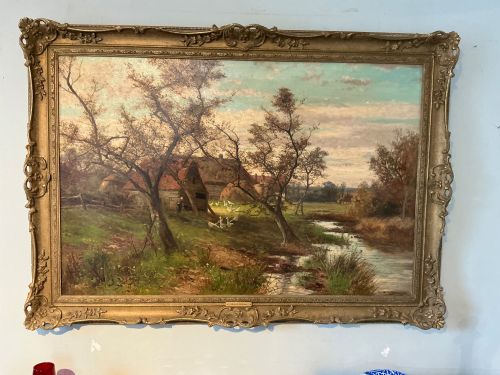
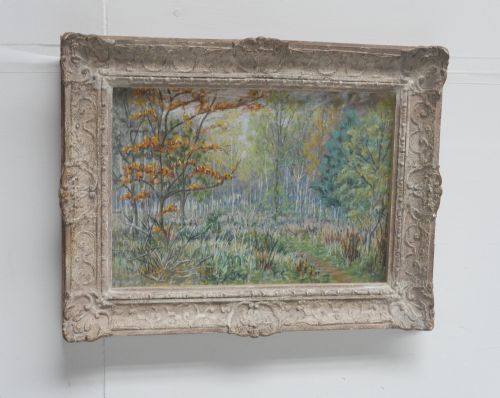
Arthur Herbert Rigg signed his woodland landscape with enough enthusiasm to make autumn look downright theatrical.
Judging Quality and Finish
Quality rests upon the crispness of the gesso modelling and the depth of the carved sweep, where sharper relief denotes superior craftsmanship. Lesser examples show flattened ornamentation or heavy overpainting that obscures the underlying detail.
The integrity of the gilded surface also separates fine pieces from simpler production, particularly where burnished gold leaf reveals subtle tonal variation over time. Substantial timber construction ensures the heavy compound corners remain stable and secure.
The Vintage Swept Frame Glossary
- Gesso
- A plaster-like mixture applied to wood frames to create a smooth or relief surface for gilding. It allows for intricate moulded ornamentation along the swept curves.
- Giltwood
- Wood that has been covered with gold leaf or a gold-coloured finish. This material reflects light across the ornate mouldings.
- Montparnasse frame
- A French frame style characterised by simpler stepped profiles and textured finishes, popular in the early twentieth century. It offers a distinct alternative to heavy Rococo revival curves.
- Rococo taste
- A design style emphasising asymmetry, scrollwork, and naturalistic plant motifs. Frames in this taste display exuberant, flowing ornamentation.
Vintage Swept Frame: Frequently Asked Questions
How do I date a swept frame?
Dating relies on examining the timber construction at the reverse, the composition of the gesso, and the style of the corner ornamentation. Victorian and Edwardian examples often display heavier plaster work and distinct joinery compared to mid-century iterations.
The presence of original canvas or backing materials can also provide clues to the era of manufacture. Secondary woods visible from behind help confirm the period of the piece.
Can I put a mirror into a picture frame?
Many frames originally intended for oil paintings adapt well to holding mirror glass. The rebate depth must be measured carefully to ensure it can accommodate both the glass and a secure backing.
Professional framing assistance helps protect the antique gesso and structure during any conversion. The weight of the frame requires sturdy wall fixings once glass is added.
How should I clean a gilded frame?
Dusting gently with a soft, dry brush prevents the accumulation of dirt within the deep recesses of the carving. Moisture and chemical cleaners must be avoided, as they can lift the fragile gold leaf or damage the gesso beneath.
Preserving the original surface patina maintains both the visual appeal and the character of the piece. Professional conservation is recommended for more complex cleaning tasks.
What styles are common in these frames?
Victorian and Rococo revival styles dominate the selection, featuring exuberant scrolls and deep sculptural corners. Edwardian and mid-century pieces sometimes offer cleaner lines or distinct regional variations such as French Montparnasse profiles.
These varied styles reflect changing decorative tastes across the nineteenth and twentieth centuries. Each approach alters how the frame interacts with the artwork it surrounds.