

Vintage Swedish Chest
A vintage swedish chest brings pale woods, crisp painted finishes and honest country craft into a modern interior.
Vintage Swedish Chest
A vintage swedish chest encompasses straightforward drawer units, storage boxes, trunks and tall commodes spanning the eighteenth and nineteenth centuries. These pieces originate from Scandinavian country and folk art traditions, alongside more formal Gustavian and Biedermeier aesthetics.
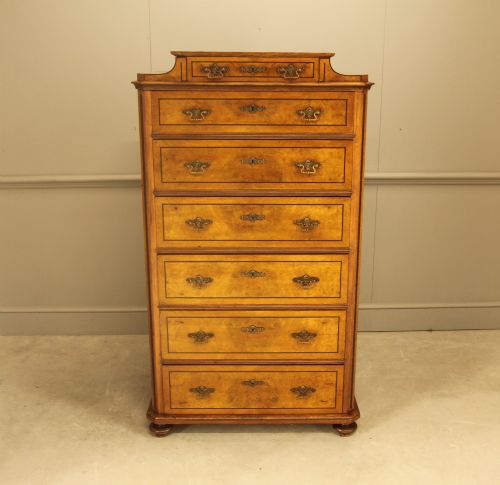
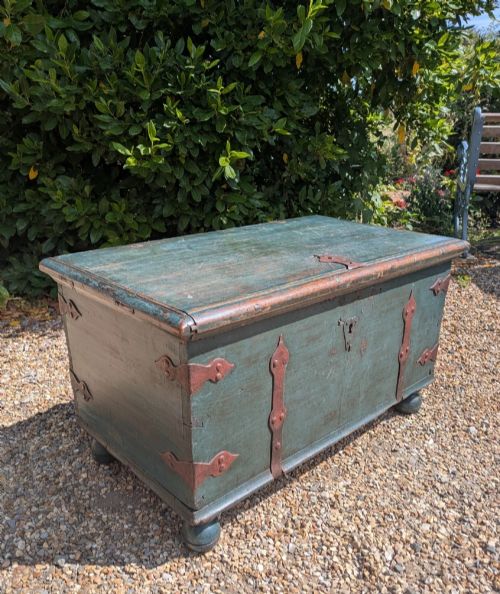
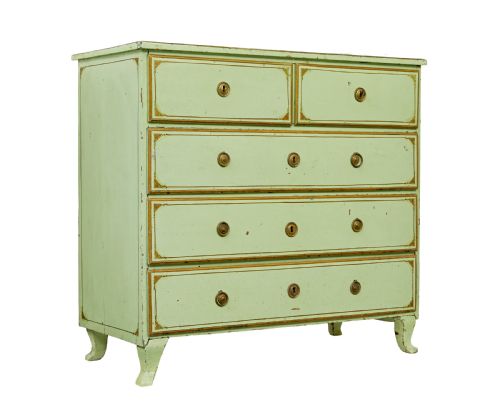
The most common examples on this page are pine chests of drawers and storage boxes finished in paint or left as plain wood. Drawer counts range from single rows to five vertical tiers, often accompanied by smaller trunks and strong boxes.
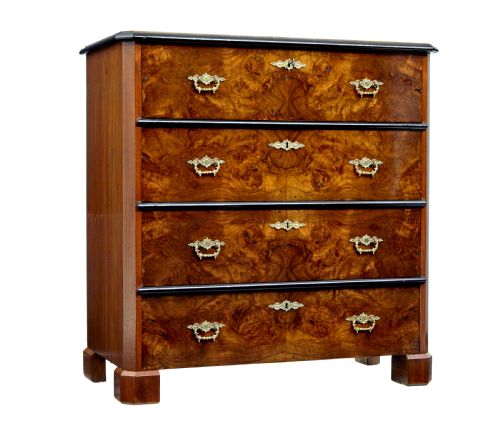
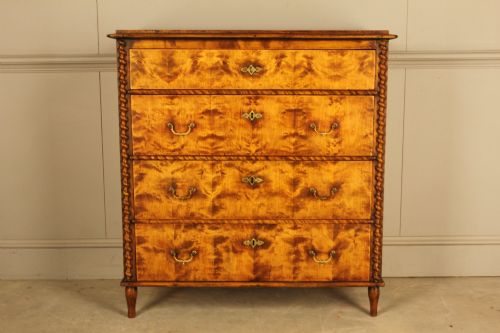
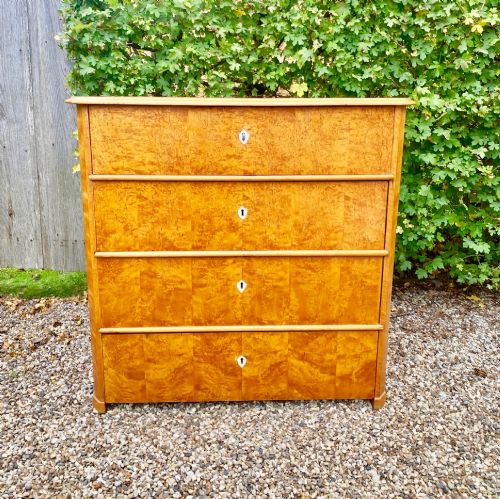
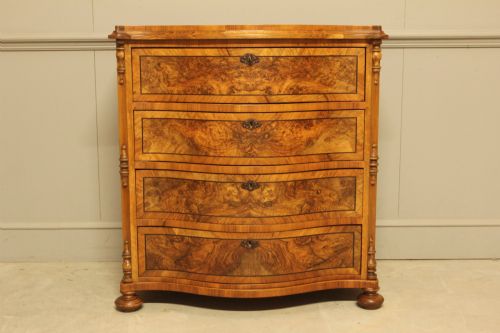
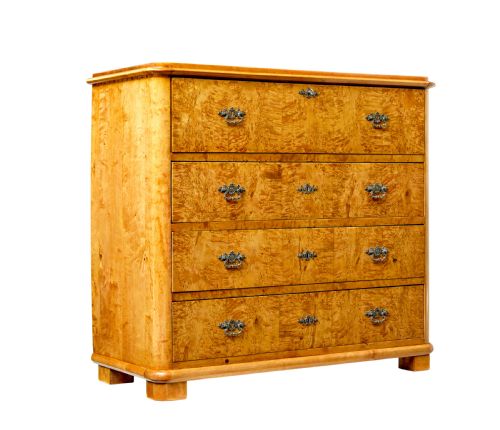
Makers and workshops adapted local timber into practical household storage, producing everything from rustic painted pine to sophisticated serpentine front commodes in burr walnut and birch.
Materials and Technique
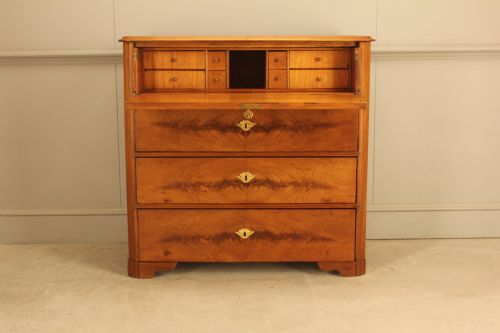
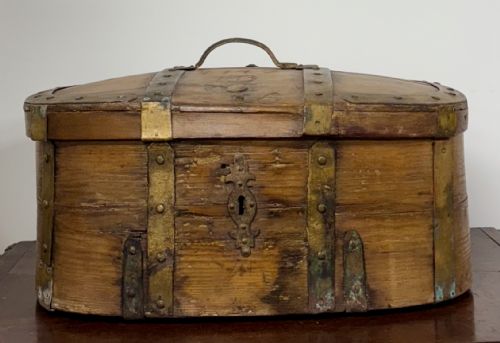
Pine and various birch timbers form the structural core of these pieces, complemented by decorative hardwoods like burr walnut and curl mahogany on finer urban commodes. Craftsmen utilised hand forged iron strapwork and brass hardware to secure lids and drawers.
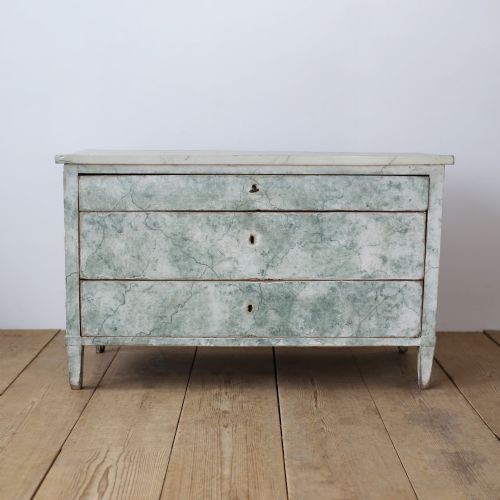
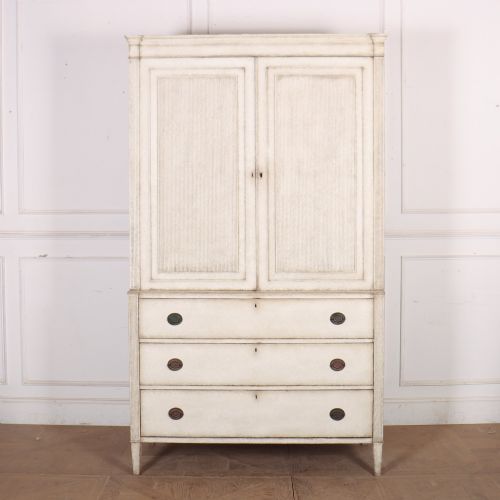
Painted finishes play a primary role, appearing as original layers of applied pigment on pine boxes and cupboards, sometimes simulating rarer timbers. Joinery relies on traditional methods suited to softwood and hardwood construction.
Vintage Swedish Chest Retail Price Guide 2026
Typical asking prices for vintage swedish chest among the pieces listed under this phrase on Sellingantiques today, from the lower quarter to the upper quarter. They describe what is for sale here now, not the wider market.
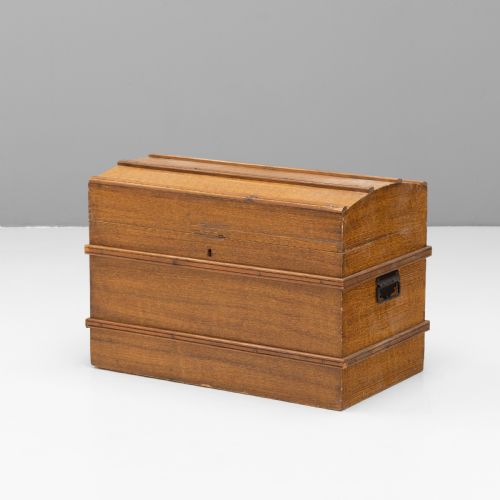
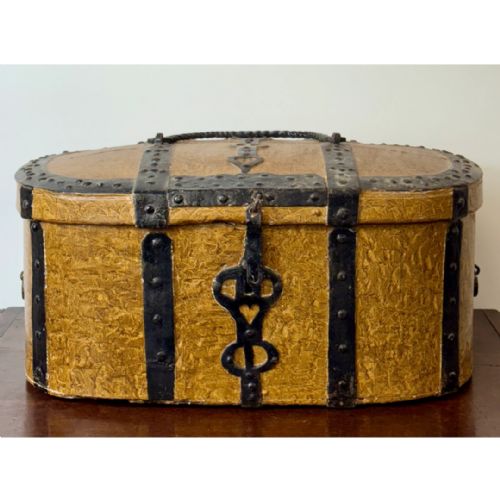
Several strong boxes feature heavy iron strapwork designed to thwart early home intruders.
Evaluating Craft and Condition
Quality rests upon the integrity of the original surface and the precision of the construction. Pieces retaining untouched early paintwork and hand forged hardware sit at an advantage over later refinished items.
Proportion and cabinetwork distinguish simple country utility from refined design. Serpentine fronts, fluted drawer details and matched burr veneers require advanced carpentry compared to straight pine box construction.
Gemla Fabrikers
The Vintage Swedish Chest Glossary
- Commode
- A decorative chest of drawers or cabinet on legs, often featuring shaped fronts. These pieces originated in France but heavily influenced Swedish cabinetmakers.
- Serpentine
- A furniture front characterised by a wavy line with a convex centre flanked by concave sides. This shape demands high joinery skill.
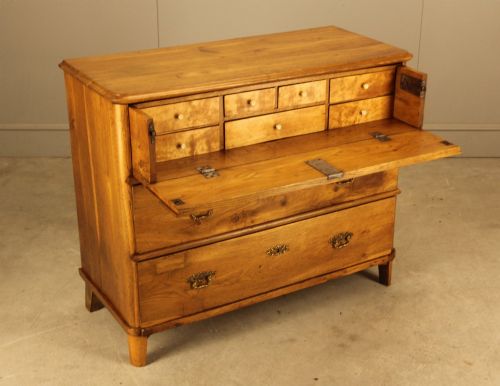
- Secretaire
- A cabinet or chest incorporating a pull down writing flap that conceals small drawers and pigeonholes. It combines storage with a compact desk function.
- Strapwork
- Flat bands of metal, often iron, used to reinforce the corners and edges of trunks and strong boxes. These bands provide both structural strength and visual contrast.
- Folk Art
- Decorative items produced by self-taught or traditional craftsmen within a specific regional culture. These pieces emphasise hand painted motifs and utilitarian design.
Vintage Swedish Chest: Frequently Asked Questions
What rooms suit a vintage swedish chest?
These chests work well in bedrooms as primary storage or in hallways as decorative focal points. Their restrained proportions allow them to sit comfortably in contemporary or traditional spaces.
The pale painted finishes help brighten dark corners, while natural wood grains add warmth and texture to neutral interior schemes.
How do I clean a painted pine chest?
Dust the surface regularly with a soft, dry cloth to prevent dirt accumulation. Avoid harsh chemical cleaners or abrasive pads that can strip historic pigment layers.
For stubborn marks, use a slightly damp cloth with mild soap, drying the area immediately afterwards to protect the wood and paint.
Are these chests made from solid wood?
Most regional pieces consist of solid pine or birch throughout the frame and drawer construction. Finer urban examples may incorporate decorative veneers like burr walnut or curl mahogany applied over secondary woods.
This solid construction contributes to the heavy, durable nature of Scandinavian furniture.