

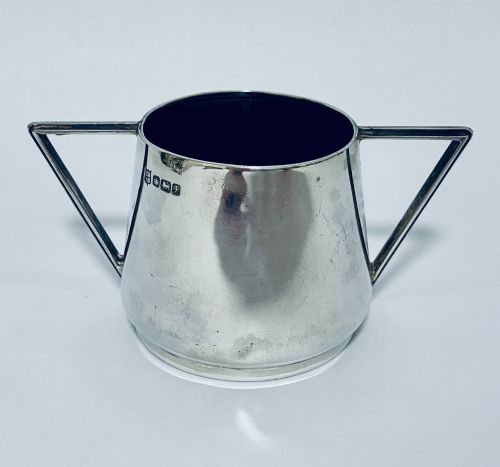
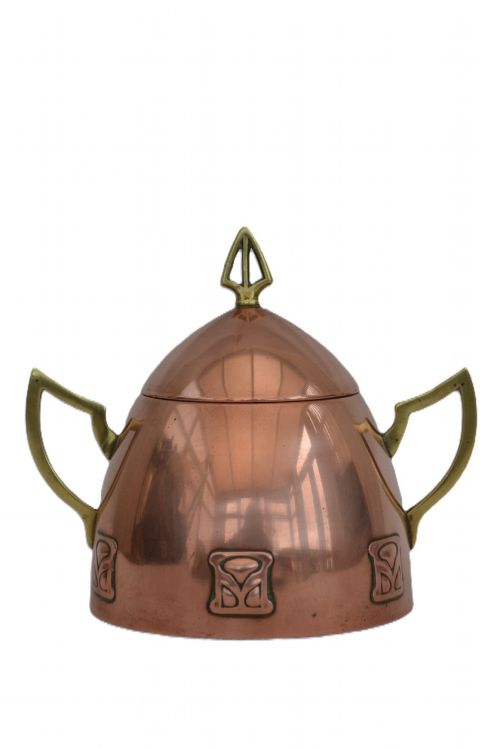
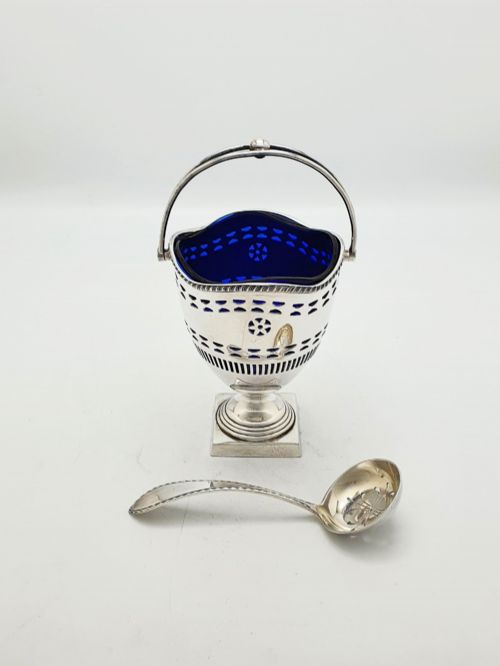

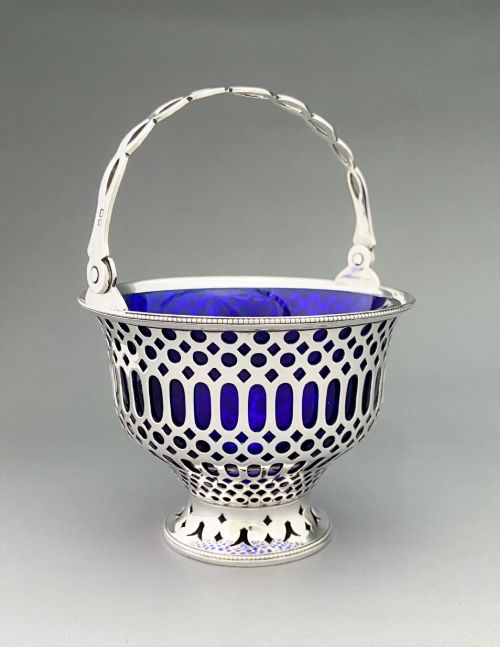


Vintage Sugar Basin
These vintage sugar basin examples range from Georgian glass to Art Deco silver, offering a practical touch of period elegance for the tea table.
Vintage Sugar Basin
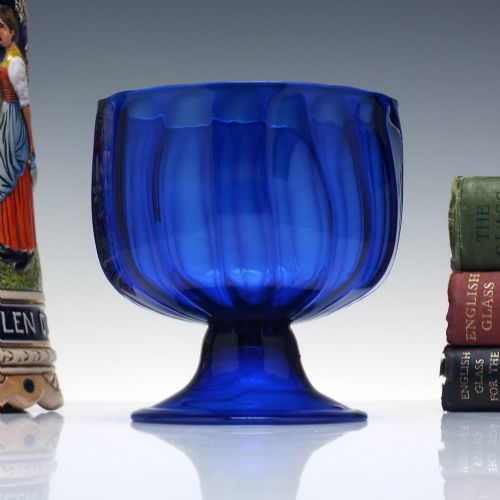
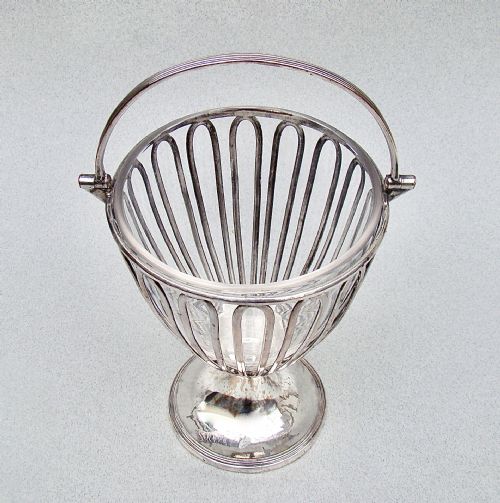
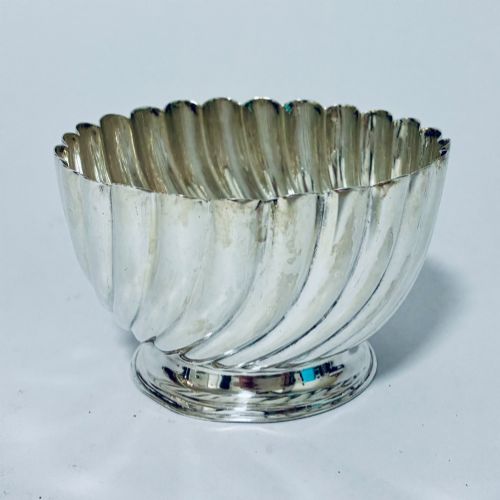
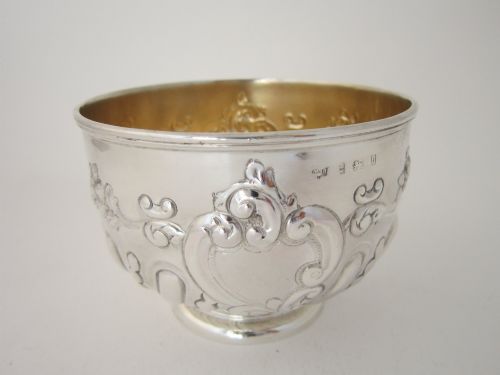
A vintage sugar basin serves as a dedicated vessel for holding sugar at the tea table, taking forms such as open bowls, covered sucriers, baskets, and vases. The selection spans centuries of design, with pieces originating from Georgian, Victorian, Edwardian, and Art Deco periods.
Buyers will encounter various vessel types on this page, including porcelain sucriers, glass bowls with coloured liners, and metal wirework baskets. These items reflect the shifting domestic habits and table settings of past eras.
Origins stretch across English potteries, European glasshouses, and Irish workshops, showing how different makers approached a standard household object. Whether formed from Bristol blue glass or sterling silver, each piece retains a distinct historical character.
Materials and construction
Metals such as sterling silver, silver plate, Old Sheffield plate, and copper form the rigid structures of many basins, often shaped through piercing or wirework techniques. These metal pieces frequently incorporate contrasting glass liners in shades like cobalt or cranberry.
Ceramic versions utilise fine porcelain bodies, including Felspar and painted earthenware, decorated with patterns or hand-painted fruit scenes. Glass varieties involve pressed, cut, or ribbed techniques, sometimes featuring delicate latticinio canes.
Craftsmen applied gilding, gold leaf, and intricate handle attachments to elevate the utility of the basin into a decorative table centrepiece. The combination of durable metals with fragile glass and porcelain required precise assembly by skilled artisans.
Vintage Sugar Basin Retail Price Guide 2026
Typical asking prices for vintage sugar basin among the pieces listed under this phrase on Sellingantiques today, from the lower quarter to the upper quarter. They describe what is for sale here now, not the wider market.
The listings show pieces spanning from the mid-eighteenth century to the mid-twentieth century, utilising sterling silver, porcelain, and Bristol blue glass.
Factors that distinguish quality
Quality rests upon the crispness of the manufacturing technique, whether in the precision of silver piercing, the clarity of cut glass, or the hand-painting detail on porcelain. Superior items display clean lines and secure fittings without clumsy repairs or heavy wear.
The choice of materials dictates the upper tier of the range, where heavy gauge silver and fine porcelain bodies outshine standard plated wares. Complete sets or pieces retaining original coloured glass liners and matching elements command greater appreciation.
Design ambition separates basic utility items from exceptional examples, with Art Nouveau, Art Deco, and Georgian wirework styles showing particular sculptural thought. The reputation of the manufacturing house or porcelain works further elevates a piece's standing.
Spode·Baccarat·Worcester·Richard Ginori·Royal Worcester·WMF
The Vintage Sugar Basin Glossary
- Sucrier
- A sugar bowl or basin with a fitted lid, commonly found in porcelain tea sets from the eighteenth and nineteenth centuries.
- Latticinio
- A Venetian glass technique featuring fine white or coloured threads embedded in clear glass, creating a delicate web pattern.
- Old Sheffield plate
- An early method of fusing a thin sheet of silver to a copper base, producing durable wares with a warm metallic lustre.
- Pierced work
- A decorative technique where metal is cut through in geometric or floral patterns to create a lightweight, openwork basket design.
- Bristol blue
- A deep cobalt blue glass produced in England during the eighteenth and nineteenth centuries, frequently used for glassware and container liners.
Vintage Sugar Basin: Frequently Asked Questions
What is the difference between a sugar basin and a sucrier?
A sugar basin is generally an open bowl designed for loose sugar lumps or grains during tea service. A sucrier specifically refers to a covered container intended for the same purpose.
While both terms describe table vessels for sugar, porcelain examples from tea sets are more frequently termed sucriers. Open metal or glass designs are typically called basins or bowls.
How do I date a silver sugar basket?
Dating relies on hallmarks stamped into the metal, which indicate the assay office, the year letter, and the maker's mark. Stylistic clues such as Edwardian piercing or Georgian wirework also point to specific eras.
Examining the construction methods and handle attachments helps narrow down the decade of manufacture when hallmarks are worn or absent.
Can these glass liners be washed safely?
Original glass liners should be washed by hand in lukewarm water using mild detergent to protect the historic material. Avoid sudden temperature changes to prevent cracking fragile antique glass.
Removing the liner from its metal basket before cleaning ensures neither component sustains damage during the process.
How were sugar basins used historically?
These vessels held refined sugar for sweetening tea or coffee before pre-formed sugar cubes became standard household items. They sat on the tea table alongside cream jugs and teapots as part of a matching service.
Guests would use specialised sugar tongs or sifters to transfer the sugar from the basin into their cups.