
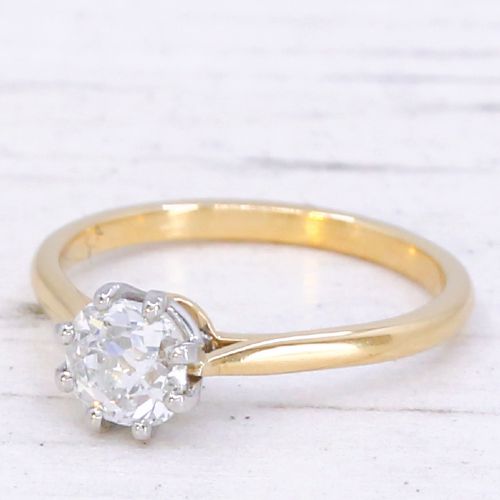
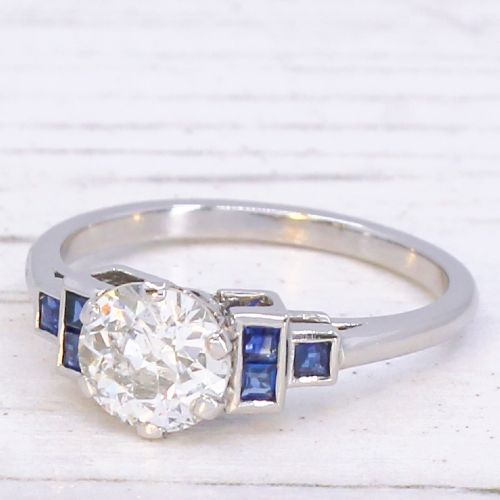


Vintage Style Platinum Ring
A vintage style platinum ring carries the enduring geometry and substantial weight of the twentieth century in a single piece of jewellery.
Vintage Style Platinum Ring
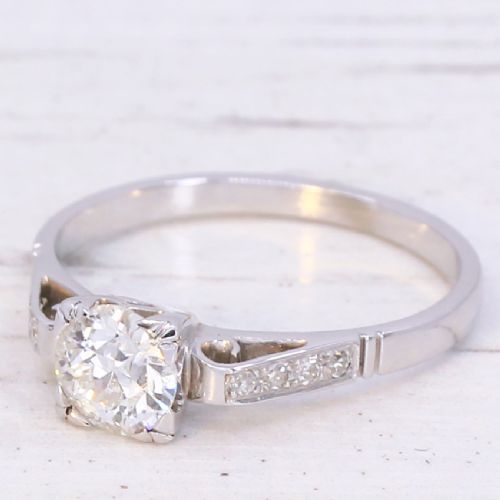
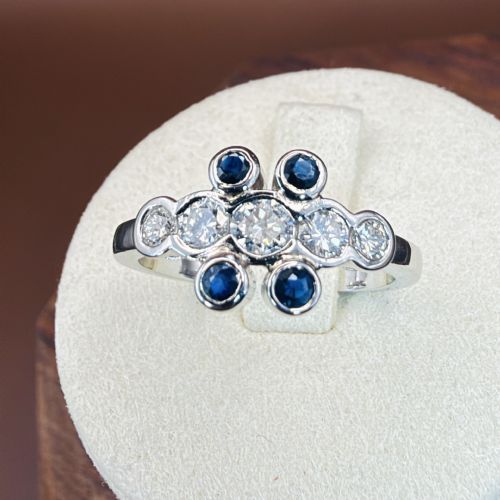
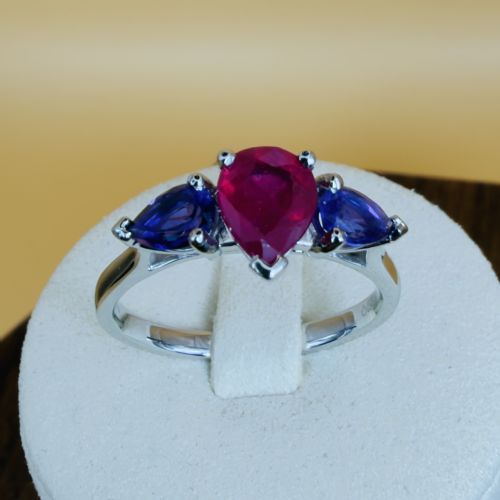
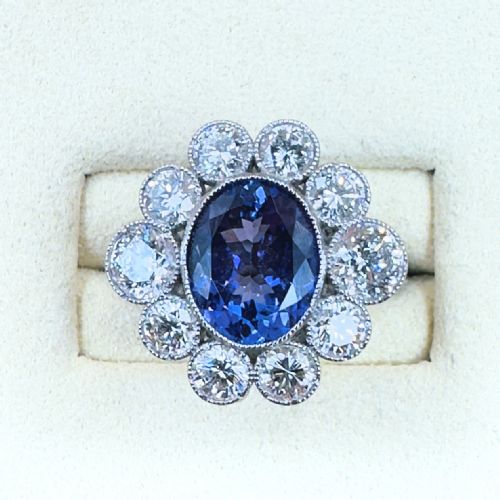
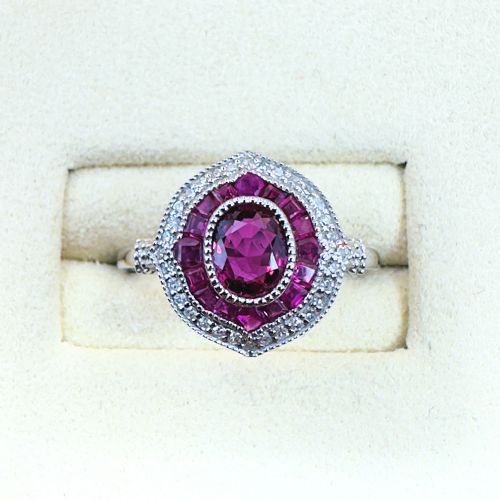
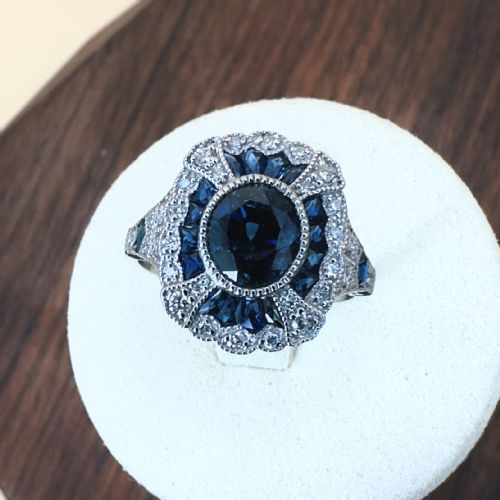
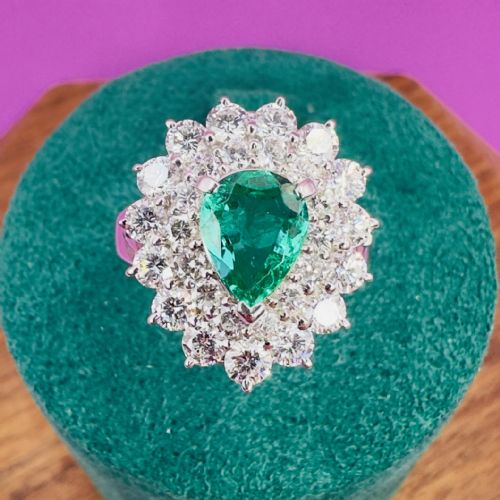
A vintage style platinum ring draws upon decades of twentieth-century design, spanning the geometric precision of the 1920s and the bolder configurations of the 1950s and 1960s. These pieces include cluster rings, three-stone arrangements, and solitaire engagement rings that echo earlier eras of fine jewellery production.
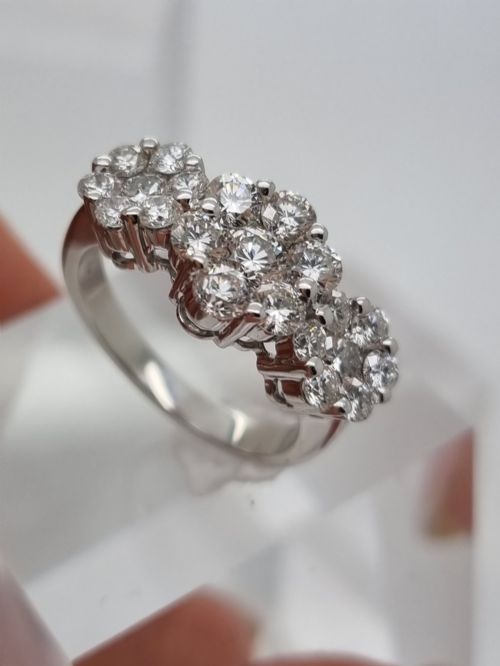
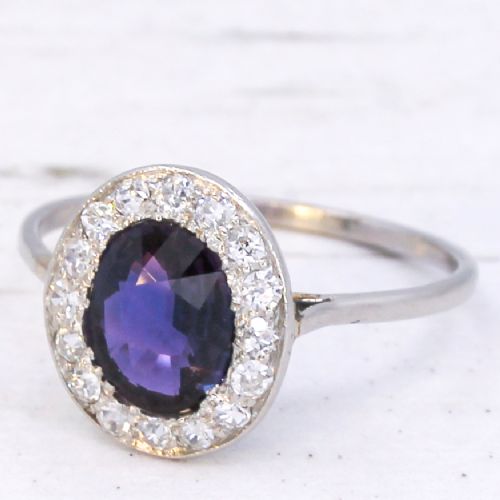
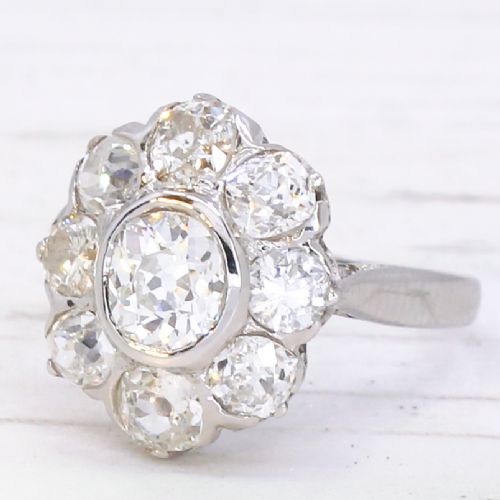
The most frequent examples encountered here merge a platinum setting with old cut diamonds, alongside vibrant gemstones such as unheated sapphires, emeralds, and rubies. Forms range from traditional flower trilogy clusters to elongated marquise and plaque styles.
Originating largely from the mid-decades of the twentieth century, the objects reflect both strict Art Deco discipline and the softer, flowing lines of subsequent mid-century modern aesthetics.
How they were made
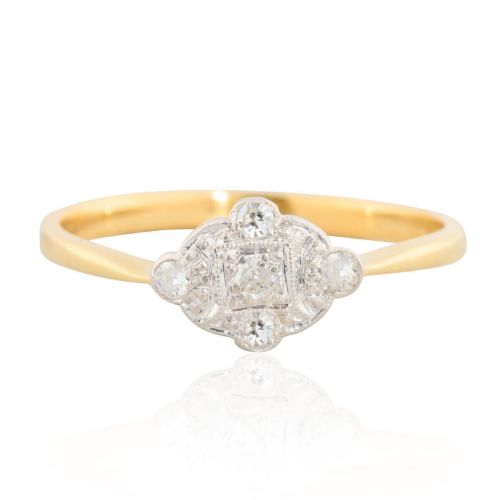
Platinum serves as the structural foundation for the majority of these rings, valued for its strength in securing complex gemstone arrangements without heavy metal bulk. Goldsmiths combined this dense metal with complementary bands of yellow or white gold, particularly in pieces influenced by earlier transitional periods.
Stones such as old cut diamonds and pear cut rubies were meticulously hand-set into prong, bezel, or intricate pave configurations. The reliance on manual stone-cutting and placement produced individual geometric variations that distinguish each handmade mounting.
Several rings manage to crowd more sparkle into a single flower cluster than a whole Victorian garden.
What varies in quality
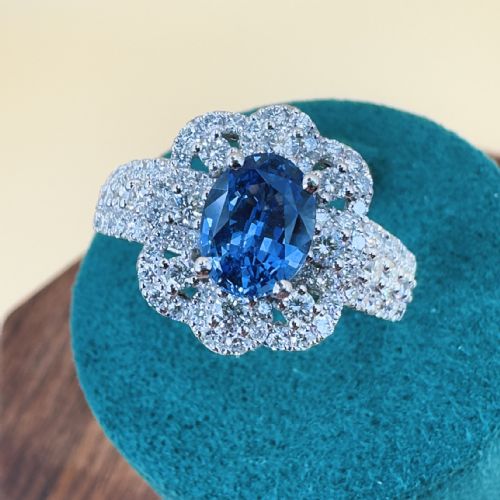
The distinction between standard examples and the finest work lies in the optical performance of the central stones and the precision of the metalwork. Superior pieces feature unheated sapphires with intense natural saturation and old cut diamonds exhibiting exceptional fire and clarity.
Fine construction is also evident in the delicacy and symmetry of the pierced gallery work and the secure flush-setting of accent gems. Artisanal mastery shows in how seamlessly the platinum holds intricate clusters without compromising structural integrity.
Le Vian
The Vintage Style Platinum Ring Glossary
- Old cut diamond
- A diamond cut by hand during the late nineteenth and early mid-twentieth centuries, characterised by a smaller table and larger facets that produce a softer, candlelight gleam.
- Cluster ring
- A ring design featuring a prominent central stone encircled by a border of smaller matching or contrasting gems, often creating a floral or geometric silhouette.
- Transition cut
- A diamond cut prevalent between the old European cut and the modern brilliant, displaying a slightly larger table and modified facet angles.
- Plaque ring
- A ring featuring a flat, wide face set densely with small diamonds and gemstones, highly characteristic of Art Deco design.
- Unheated sapphire
- A natural sapphire that has undergone no thermal enhancement to improve its colour or clarity, retaining its original earth-formed properties.
Vintage Style Platinum Ring: Frequently Asked Questions
What defines a vintage platinum ring?
A vintage platinum ring is characterised by its mid-twentieth-century origins, utilising a dense platinum setting combined with historic diamond cuts and vibrant coloured gemstones.
These pieces typically reflect specific design movements such as Art Deco or mid-century modern, preserving the manual fabrication techniques of the period.
How do I care for platinum settings?
Platinum is exceptionally durable and develops a soft natural patina over time through daily wear, which many collectors prefer for its authentic historic character.
Cleaning requires only warm soapy water and a soft brush to remove oils from the diamond and sapphire facets without disturbing the underlying metal.
Are these rings suitable for daily wear?
Platinum provides a robust and secure foundation for everyday use, holding gemstones firmly within intricate cluster and solitaire mountings.
However, softer accent stones like emeralds or pearls require mindful handling to prevent impact damage during routine activities.
How do old cut diamonds differ from modern ones?
Old cut diamonds were shaped by hand under low lighting, resulting in distinct proportions that emphasise deep facet patterns rather than maximum brilliant reflection.
This historic cutting style gives each stone a unique visual warmth and charm distinct from contemporary machine-cut stones.