


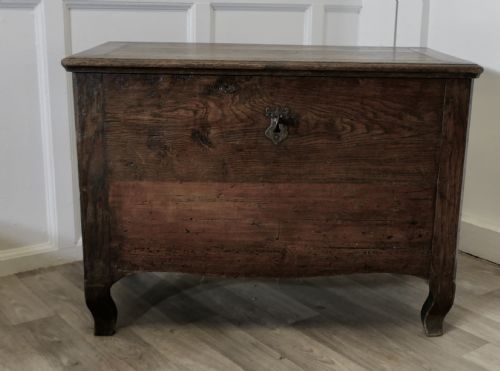
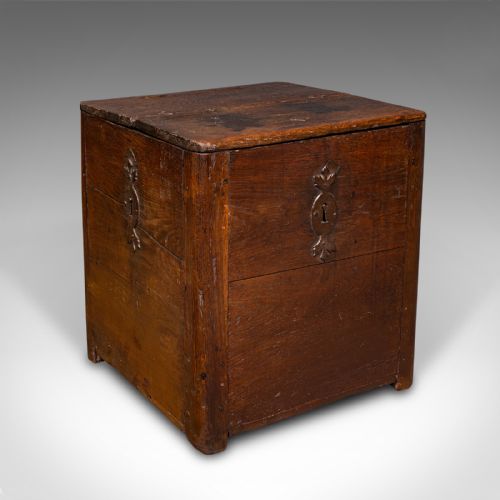


Vintage Strong Box
A vintage strong box is a robust security chest built to safeguard valuables, offering heavy timber construction and complex iron locks for practical security.
Vintage Strong Box
A vintage strong box is a robust container built to safeguard valuables, featuring heavy timber construction and complex iron or steel locking mechanisms for security. When you search for a vintage strong box, you encounter pieces spanning from the eighteenth century through to nineteen hundred, encompassing both domestic and travel security forms.
The selections on this page lean heavily toward nineteenth-century Scandinavian painted pine and oak examples, often shaped or oval. Alongside these folk art chests, you will find English brass-mounted pieces, French coffers, and heavy iron safes dating from the Victorian era.
Materials and construction
Makers utilised durable hardwoods such as oak alongside softer timber like pine, joining boards with dovetailed corners and reinforcing the structure with wrought iron bands. Hand-painted finishes in green and other pigments frequently decorate the exterior of Scandinavian country examples.
Security relies on heavy metal components, including cast iron, brass, and steel, incorporated into strapwork, hinges, and internal locking systems. Leather finds use in travel-focused variations designed for carriage or journey.
Vintage Strong Box Retail Price Guide 2026
Typical asking prices for vintage strong box among the pieces listed under this phrase on Sellingantiques today, from the lower quarter to the upper quarter. They describe what is for sale here now, not the wider market.
Listings feature pieces spanning the eighteenth century, the Regency period, and the nineteenth century, utilising pine, oak, wrought iron, and paint.
Evaluating the pieces
Quality rests in the integrity of the ironwork and the preservation of the original painted surface on wooden bodies. Pieces that retain their original working locks and keys demonstrate superior survivability.
Construction depth also distinguishes the range, from simple rustic pine country boxes to sophisticated English security chests featuring secret compartments and multiple brass fittings.
Milners Safe·George Price
The Vintage Strong Box Glossary
- Strong box
- A heavily reinforced chest designed for the secure storage of money, documents, or valuables. These items rely on robust timber bodies and complex metal locking mechanisms.
- Coffer
- A traditional chest or box with a lid, frequently used for secure storage before the widespread adoption of modern safes. They often feature solid oak construction and iron strapwork.
- Wrought iron
- Iron that has been heated and shaped with hand tools by a blacksmith, yielding durable straps and hinges found on security chests. It differs from cast iron through its fibrous structure.
- Folk art
- Decorative painting and craftsmanship produced within a particular regional tradition, seen here in the hand-painted surfaces of Scandinavian pine boxes.
Vintage Strong Box: Frequently Asked Questions
What is a vintage strong box?
A vintage strong box is a secure storage chest constructed from heavy timber such as oak or pine, reinforced with iron or steel.
These pieces were designed to protect valuables, currency, and documents from theft or fire in domestic and travel settings.
How were these boxes used?
They served as portable or stationary vaults for safeguarding precious items, deeds, and money in homes, offices, and carriages.
Owners relied on their complex internal locks and heavy metal strapping to deter unauthorized access during a period before modern banking security.
How do I care for painted wood?
Keep painted timber boxes away from direct sunlight and damp environments to protect the original pigments and wood grain.
Dust gently with a dry, soft cloth and avoid chemical polishes that can degrade historical paint layers.
How do I date a strong box?
Dating relies on examining the construction methods, such as dovetail joints, the type of timber, and the style of ironwork.
Paint decoration, regional motifs, and lock technology also provide clear indicators of whether a piece originates from the eighteenth, nineteenth, or early twentieth century.