





Vintage Street Scene Art
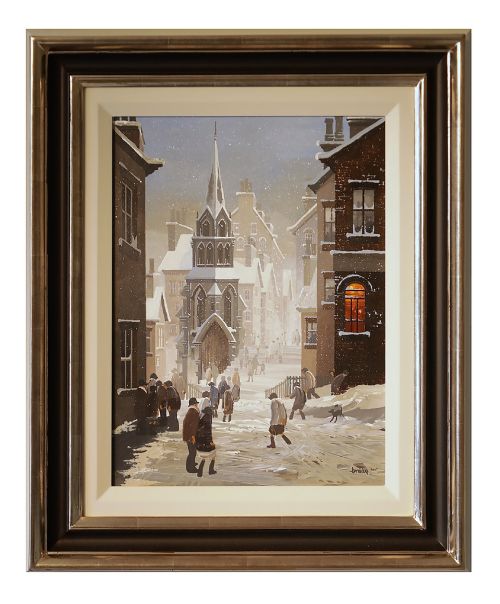
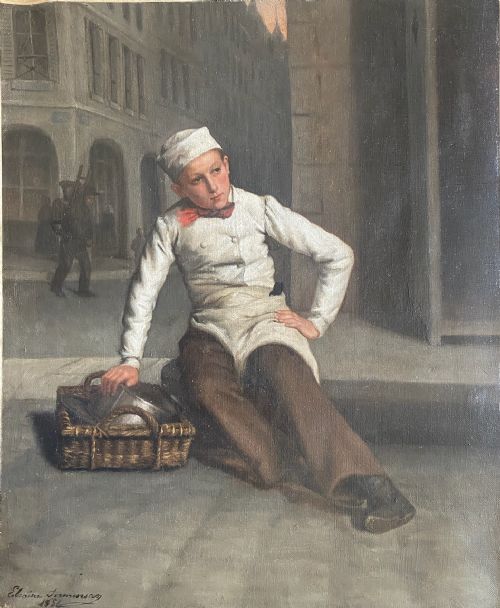
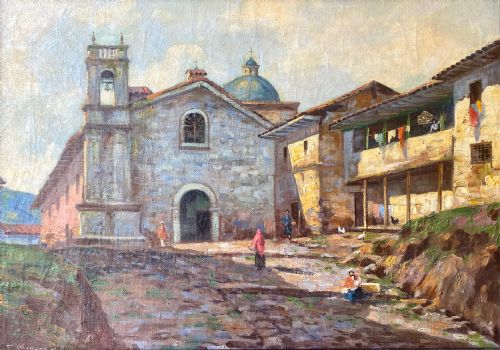
Vintage street scene art captures bustling urban life and quiet provincial alleys through the eyes of painters working across the nineteenth and twentieth centuries.
Vintage Street Scene Art
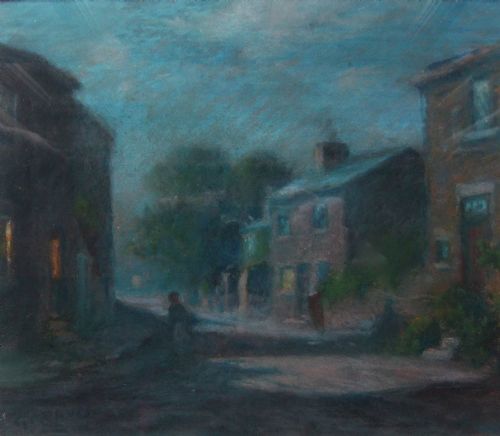
Vintage street scene art encompasses paintings and watercolours depicting townscapes, city squares, and thoroughfares. Buyers searching for this phrase encounter works ranging from early nineteenth-century watercolours to mid-century impressionist cityscapes.
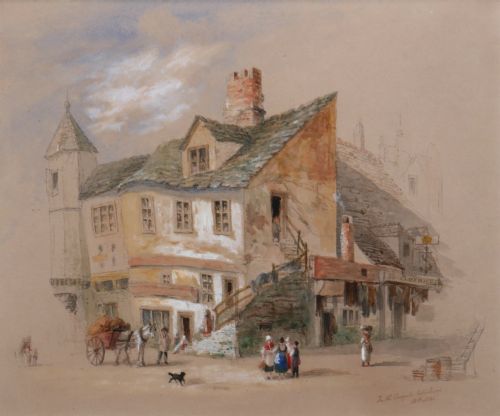
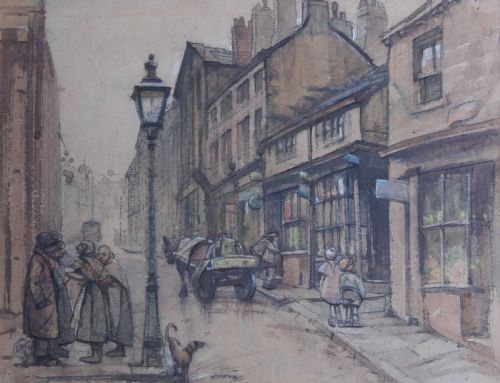
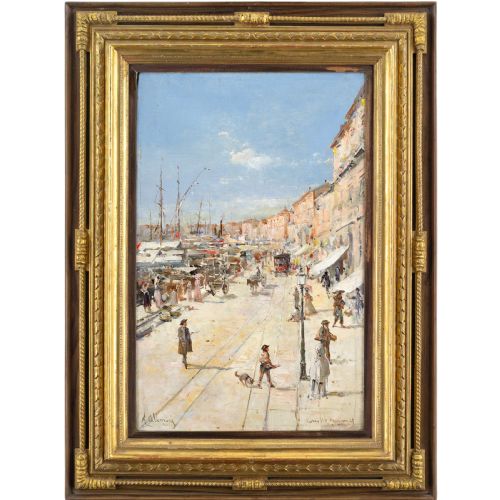
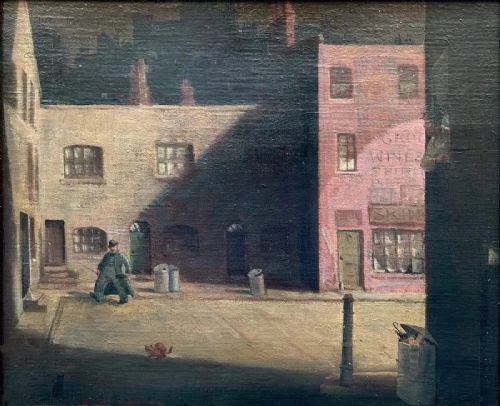
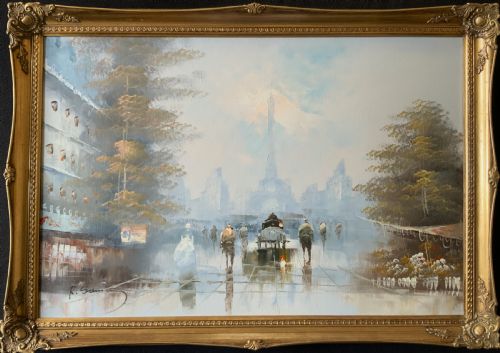
The selections on this page span diverse geographical locations, including British towns, French boulevards, and Mediterranean plazas. Creators document local commerce, figures with horses and carts, and architectural facades using various traditional painting methods.
Materials and construction
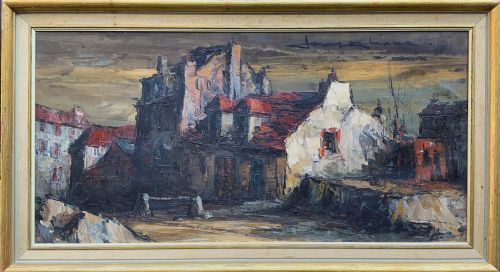
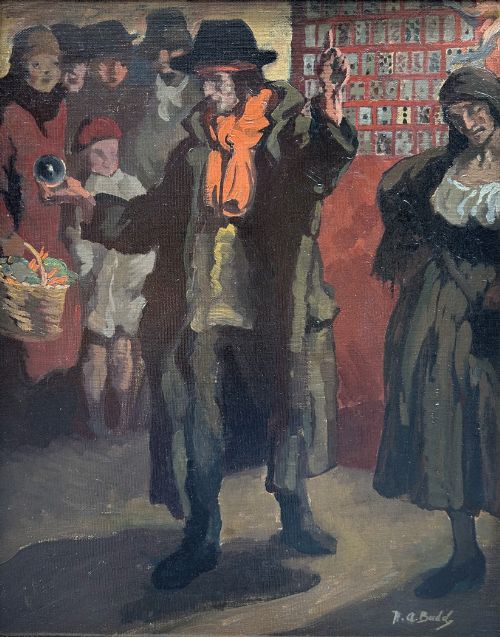
Artists utilise oil paint on canvas or board to build rich textures and vibrant light effects, particularly in impressionist cityscapes. Watercolours on paper provide a lighter, more transparent medium for detailed townscapes and architectural studies.
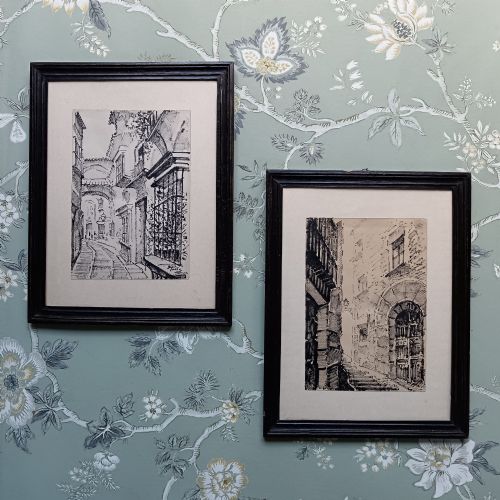
Framing often involves wood and giltwood surrounds that complement the period aesthetic of the paintings. Pastels on paper also appear, offering soft lines and distinct atmospheric qualities for urban views.
Vintage Street Scene Art Retail Price Guide 2026
Typical asking prices for vintage street scene art among the pieces listed under this phrase on Sellingantiques today, from the lower quarter to the upper quarter. They describe what is for sale here now, not the wider market.
The inventory includes British, French, Italian, and Latin American street scenes rendered in impressionist, realist, and post-impressionist styles.
Distinctions in quality
Quality rests upon the artist's ability to capture light, movement, and atmosphere within the urban environment. Masterful brushwork brings vitality to figures and architecture, whereas lesser examples rely on stiff repetition and flat colour application.
The strength of composition and spatial depth separate standard topographical records from compelling artistic interpretations. Condition of the underlying canvas or paper and the preservation of original framing further influence the standing of each piece.
Cuthbert Crossley·Augusto Alberici·Francisco Sancha·Herbert Ashwin Budd·Brian Shields Braaq·Albert Ludovici Jnr·Caroline Burnett·William Greaves·Victor Gabriel Gilbert·William Manners·Cecil Rochfort D'Oyly John·Charles James Lauder·Merio Ameglio·Léon Joseph Voirin·Louie Stanley Maurice Prince·John Smith Atherton·George Whyatt·Eduard Leon Cortes·Joseph W Milliken·David Small·V Zirakian·Angus Rands·Walter Emsley·Ettore Ascenzi·Rowland Henry Hill
The Vintage Street Scene Art Glossary
- Watercolour
- A paint consisting of pigment suspended in a water-based solution, typically applied to paper. This medium allows for translucent washes and fine illustrative details.
- Impressionism
- A style of painting that focuses on the visual impression of the moment, especially regarding shifting light and colour. Practitioners often use visible brushstrokes and unblended pigments.
- Oil on canvas
- Pigments bound in a drying oil applied to a stretched fabric surface. This combination permits deep colour saturation and reworking.
- Giltwood
- Wood that has been coated with gold leaf or a gold-coloured finish. This material is frequently found on traditional picture frames.
- Townscape
- A painting, drawing, or other work depicting a city or urban landscape. These works serve as visual records of historical street layouts and architecture.
Vintage Street Scene Art: Frequently Asked Questions
What periods do these artworks cover?
The selections span from the nineteenth century through the mid-twentieth century, capturing shifting artistic movements.
Works range from early nineteenth-century watercolours to mid-century impressionist oils.
How were these townscapes typically displayed?
Most paintings are housed in period wooden or giltwood frames designed to complement the artwork.
Frames protect the edges of the canvas or paper while enhancing the visual presence on the wall.
Where do the depicted street scenes originate?
The listings feature urban and rural locations across Britain, France, Italy, and other international settings.
Artists record specific local landmarks, bustling squares, and quiet provincial streets from their travels or home countries.
What mediums are commonly used?
Artists employ oil paint, watercolour, pastel, and print techniques on paper, canvas, or board.
Each medium imparts a distinct texture and mood to the architectural and human elements within the scene.