



Vintage Street Painting
A vintage street painting captures the bustle and architecture of urban life through the eyes of artists working across the nineteenth and twentieth centuries.
Vintage Street Painting
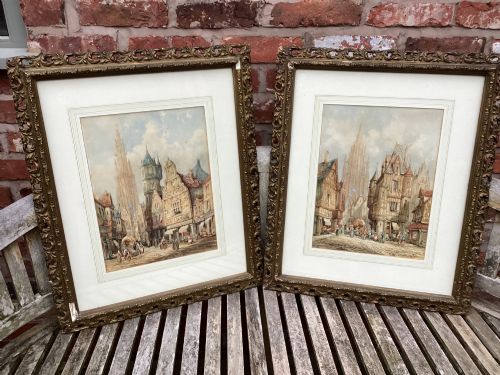
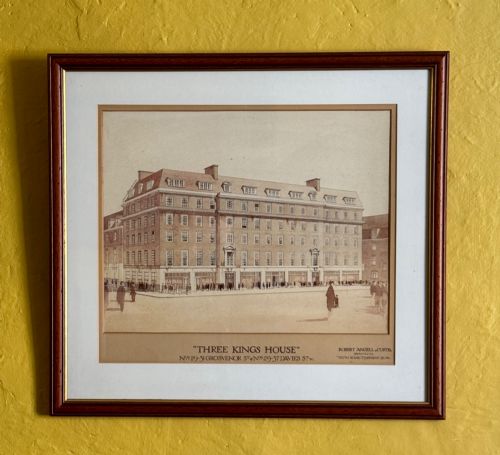
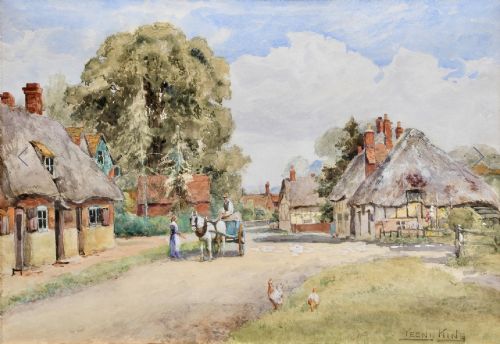
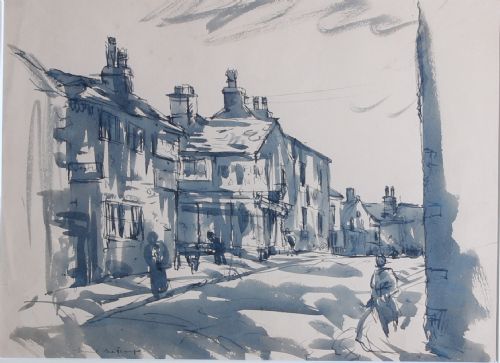
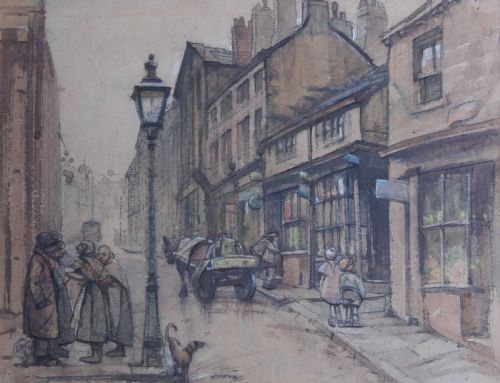
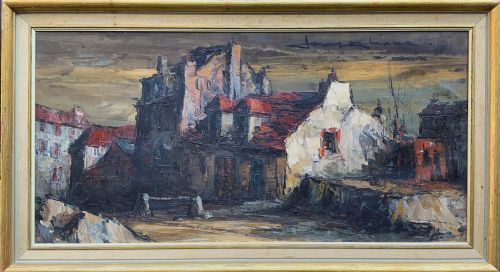
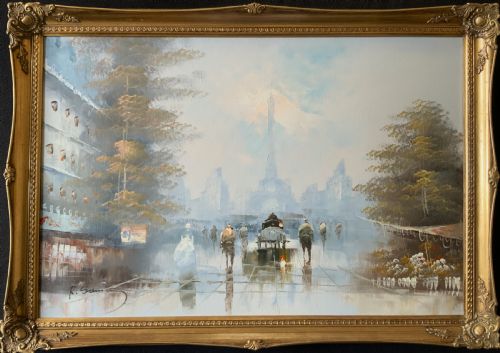
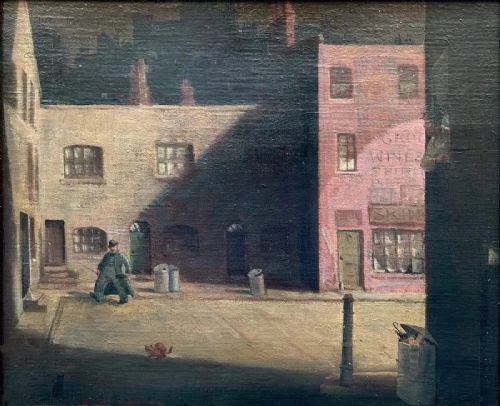
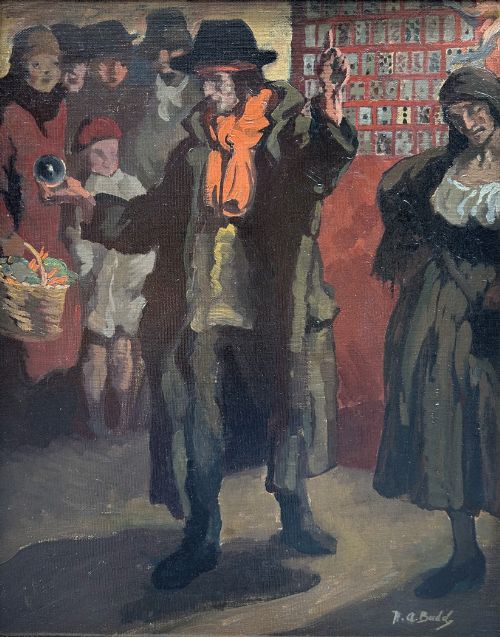
A vintage street painting brings the exterior urban and village environments of past decades directly onto the wall, depicting townscapes, plazas, and thoroughfares. Buyers seek these works to capture the atmosphere of historic European and Latin American cities through period artistic interpretations.
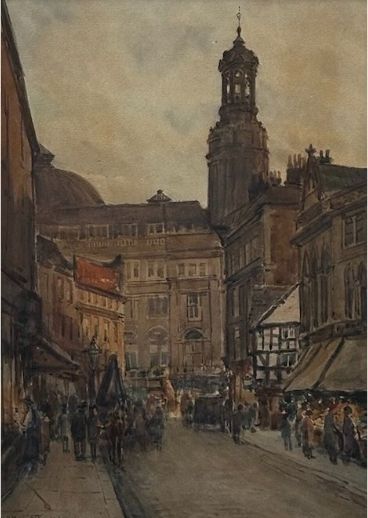
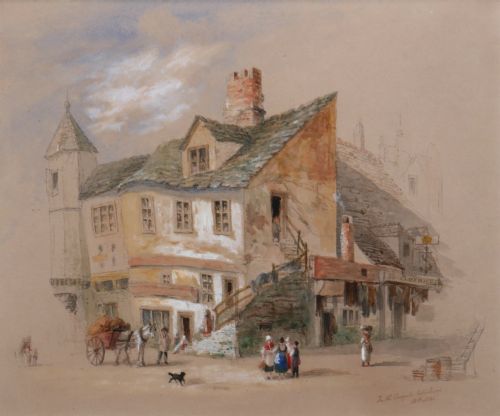
The selections span from late nineteenth-century watercolours of English and Scottish towns to mid-century impressionist oils of Parisian boulevards. These pieces record shifting architectural details and social history alongside changing artistic movements.
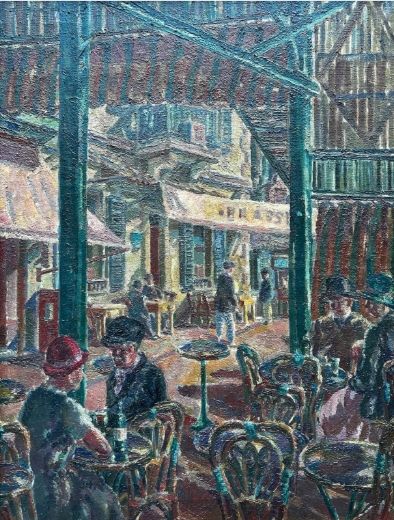
Works range from detailed topographical watercolours by regional artists to colourful impressionist oil paintings on canvas depicting bustling plazas and snow-dusted Montmartre streets. Each piece offers a specific window into the daily life and street lighting of its era.
Materials and construction
Artists relied primarily on oil paint applied to canvas or board, alongside delicate watercolours and pastels worked on paper. These traditional media allowed creators to build rich textures and capture the atmospheric light of morning bustle or evening shadows.
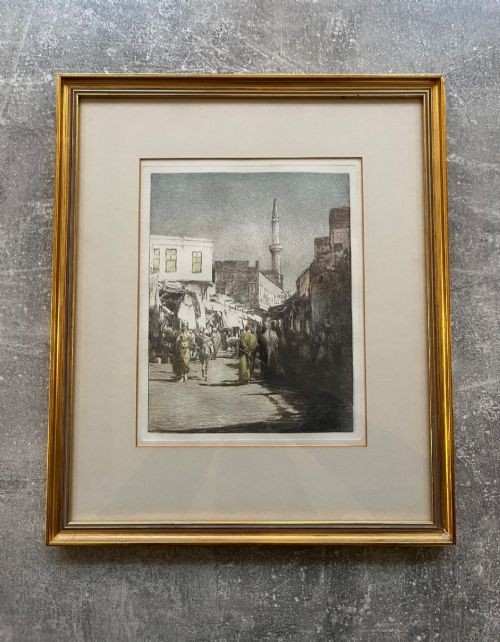
Many canvases sit within period gilt frames that complement the urban subject matter, while works on paper utilise glass protection. The physical supports range from sturdy wood panels to heavy-weight paper stocks suited to expressive brushwork.
Vintage Street Painting Retail Price Guide 2026
Typical asking prices for vintage street painting among the pieces listed under this phrase on Sellingantiques today, from the lower quarter to the upper quarter. They describe what is for sale here now, not the wider market.
Materials utilised across these works include oil on canvas, watercolour on paper, and oil paint applied to wooden boards.
Assessing quality and execution
Quality rests upon the artist's handling of perspective, light, and movement within a crowded thoroughfare or open plaza. Superior examples demonstrate a confident control of tone and brushwork that conveys the genuine atmosphere of the location.
The strength of the composition and the preservation of the paint surface dictate the visual impact of the work. Stronger pieces maintain vibrant colour palettes and secure attachment to their original supports and frames.
Brian Shields Braaq·Caroline Burnett·Eduard Leon Cortes·Charles Vyse
The Vintage Street Painting Glossary
- Watercolour
- A painting method where fine pigment is suspended in a water-based, translucent solution. It is traditionally applied to absorbent paper surfaces to create luminous washes.
- Oil on Canvas
- Pigments mixed with a drying oil, typically linseed, applied to a woven fabric stretched across a wooden frame. This combination allows for rich blending and textured impasto application.
- Post-Impressionism
- An artistic movement following Impressionism that extended its use of vivid colours while emphasising geometric forms and expressive qualities. Artists working in this style moved beyond strict naturalism.
- Impressionism
- A nineteenth-century painting style characterised by relatively small, thin yet visible brush strokes and an emphasis on accurate depiction of light. It frequently records outdoor scenes and contemporary urban life.
- Pastel
- A dry art medium in the form of a stick, consisting of pure powdered pigment and a binder. It produces rich, velvety colours that require glass framing for protection.
Vintage Street Painting: Frequently Asked Questions
What periods do these paintings cover?
The selections span from the nineteenth century through the mid-twentieth century, capturing shifting artistic movements across decades.
Most examples date from the Victorian and Edwardian eras up to the mid-century modern period.
How should I hang a watercolour?
Watercolours require careful placement away from direct sunlight to prevent fading of the delicate pigments on paper.
Ensure the piece rests behind protective glass within a secure frame suited to the period.
Are these works signed by the artists?
Many pieces feature visible signatures or attribution details recorded by the original creators on the canvas or board.
Signed works often connect directly to known exhibition histories or specific regional schools.
What subjects are most common?
Urban thoroughfares, Parisian street scenes, town squares, and architectural landmarks dominate the imagery.
Figures, carriages, and daily commerce frequently populate these outdoor compositions.