







Vintage Store Display
Vintage store display pieces are authentic commercial fixtures and counters from past centuries, offering distinct character for interior styling.
Vintage Store Display
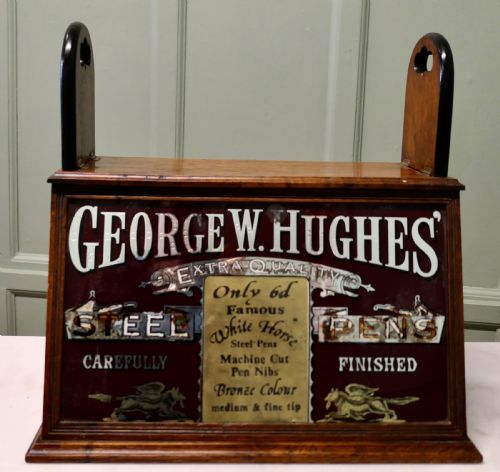
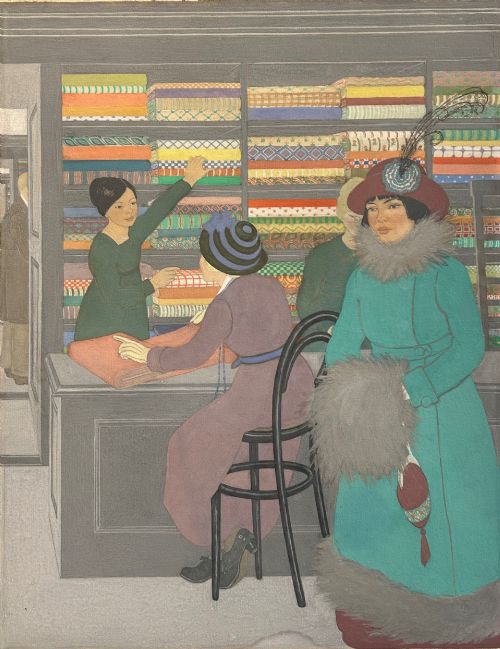
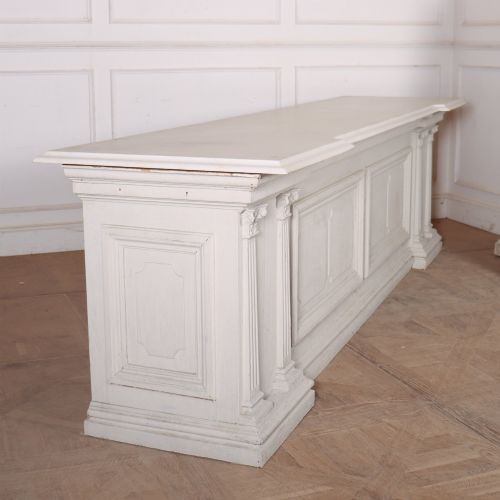
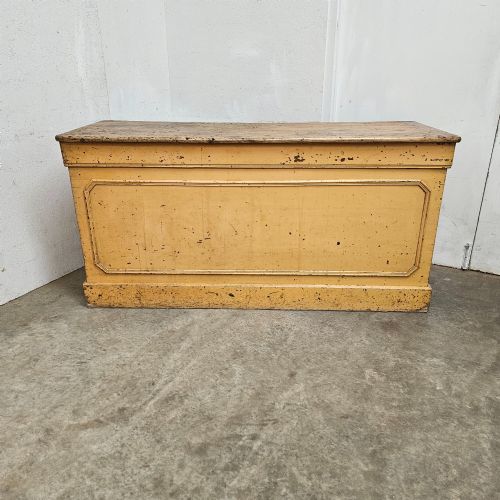
When searching for vintage store display items, buyers encounter commercial furnishings originating from nineteenth and early twentieth century retail spaces. These pieces span functional shop counters, display cabinets, and trade signs utilised in grocery stores, drapery shops, and pharmacies.
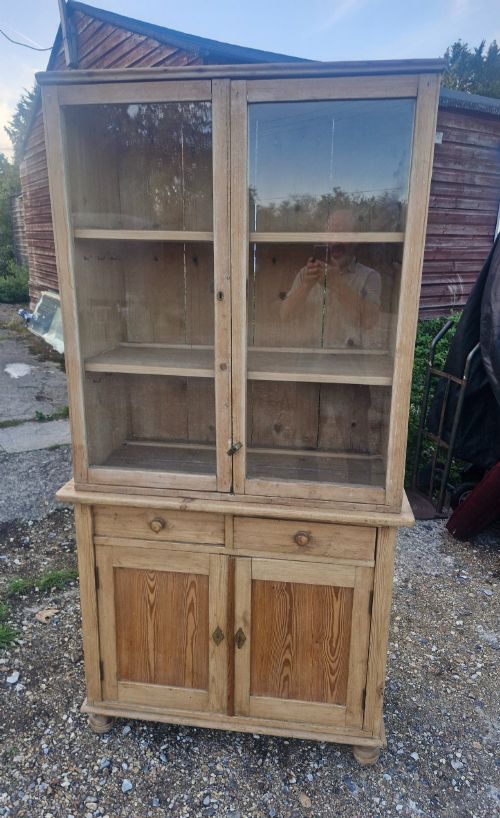
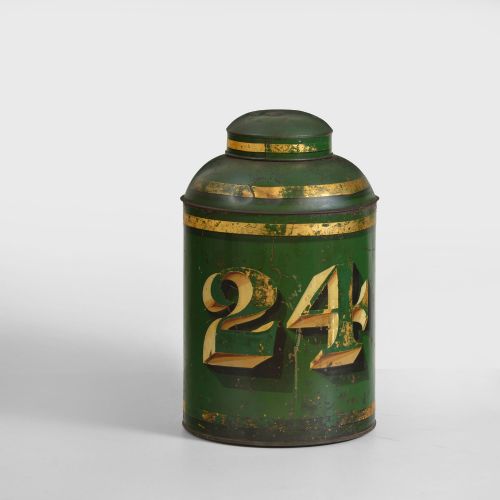
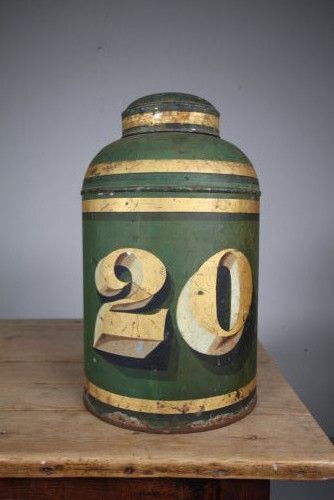
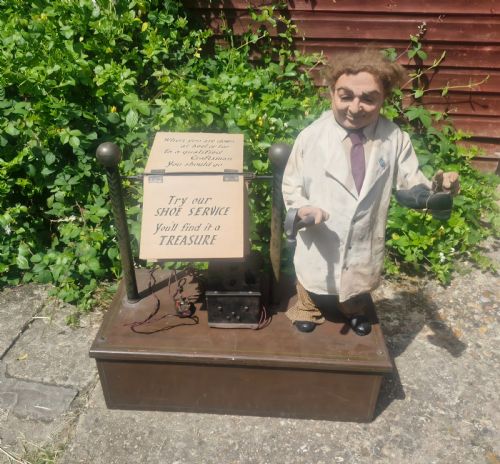
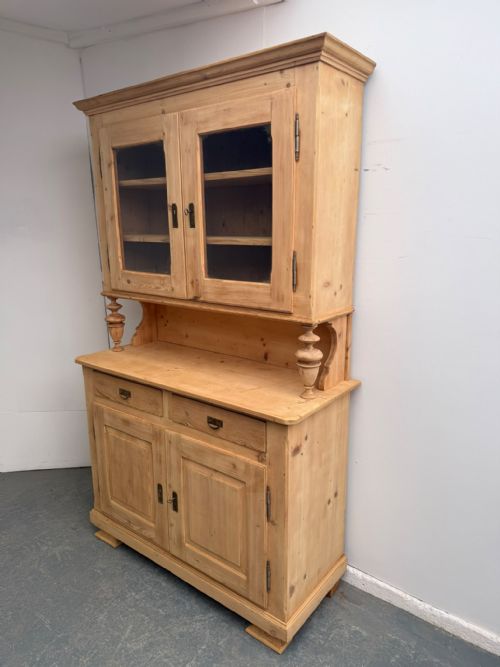
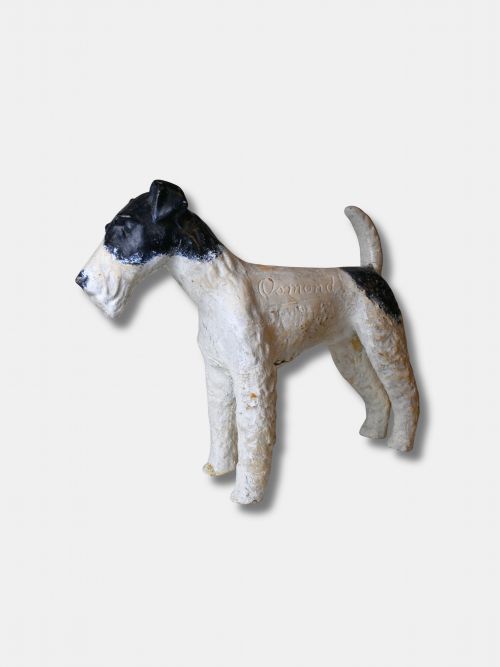
The most common formats on this page include mahogany and oak display counters, pine cupboards, and specialised advertising figures. Items range from large haberdashery cabinets to smaller countertop dispensers and painted tin canisters.
Origins vary across English, French, and American workshops, incorporating commercial styles from the Victorian and Edwardian eras through to Art Deco designs.
Materials and construction
Construction relies heavily on durable hardwoods like mahogany, oak, and walnut, alongside softer pine and structural iron or brass framing. Cabinets and counters often combine glazed panels with solid timber carcasses built to withstand daily commercial use.
Surfaces frequently display original paint finishes, carved details, or applied advertising lettering. Specialised items incorporate composition materials, leather, and toleware alongside traditional joinery.
Vintage Store Display Retail Price Guide 2026
Typical asking prices for vintage store display among the pieces listed under this phrase on Sellingantiques today, from the lower quarter to the upper quarter. They describe what is for sale here now, not the wider market.
Object types include shop counters, library ladders, advertising figures, and display cabinets from English, French, and American makers.
Assessing quality
Quality rests upon the preservation of original surfaces, such as authentic paint or polished wood patination, versus later alterations or repainting. Structural integrity in heavy items like shop counters and haberdashery cabinets also determines standard.
The sophistication of original commercial details, including brass framing, carved trade figures, and legible advertising signage, separates standard utility fittings from finer showroom examples.
Gerwin & Co Birmingham·Saml Elliott & Sons·Quincy Showcase Works Illinois
The Vintage Store Display Glossary
- Haberdashery cabinet
- A tall multi-drawer unit with glass fronts, originally utilised in drapery shops for storing small items like ribbons and buttons. These pieces are sought after for modern home storage.
- Counter
- A long shop fixture with a wooden top and panelled front, designed for serving customers and displaying goods. Examples often include integrated shelving or display glazing.
- Trade sign
- A painted, carved, or metal object hung or placed outside a shop to advertise specific wares. Common subjects include figures, animals, or product representations.
- Toleware
- Lacquered or enamelled metalware, frequently formed into decorative canisters and tins. These objects served utilitarian storage purposes in nineteenth century grocery trade.
- Bijouterie table
- A glass-topped display table with a shallow drawer, traditionally used by jewellers to exhibit small valuable items. They allow top-down viewing of contents.
Vintage Store Display: Frequently Asked Questions
What are shop counters used for now?
Shop counters function as kitchen islands, reception desks, or statement storage units in residential interiors. Their generous proportions and integrated drawers provide practical workspace.
Original glazing and wooden shelving also allow owners to display collections while utilising the surface for daily tasks.
How do I identify a Victorian display cabinet?
Victorian display cabinets typically feature dense hardwoods like mahogany or oak, heavier structural framing, and traditional joinery. They often incorporate brass hardware and panelled bases designed for nineteenth century retail.
Examining the interior shelving and backboards helps confirm period construction methods used before mass production.
Where were trade signs placed?
Trade signs stood outside shop doorways, hung from exterior walls, or sat on interior counters to attract passing customers. Figures and carved objects communicated shop contents to literate and illiterate patrons alike.
屋内 placement protected delicate painted wooden surfaces from weather damage while enhancing commercial interiors.
What is an apothecary display box?
An apothecary display box is a specialised wooden container utilised by pharmacists to organise and exhibit medical components. These boxes feature fitted interior compartments and polished wood exteriors.
Collectors value them for their compact storage capacity and detailed craftsmanship associated with nineteenth century chemistry.