

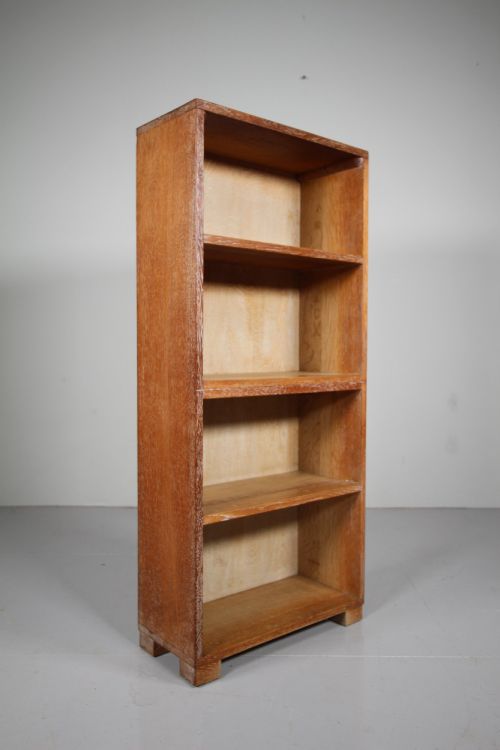
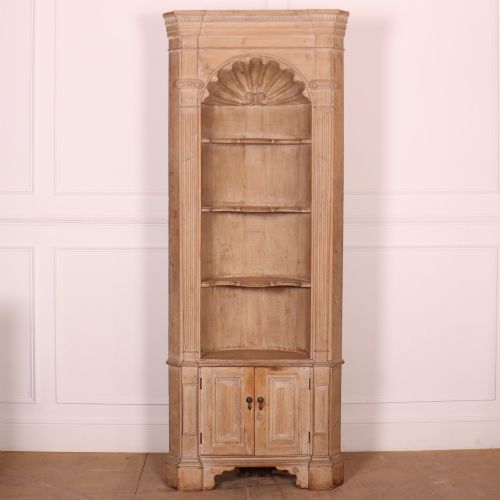
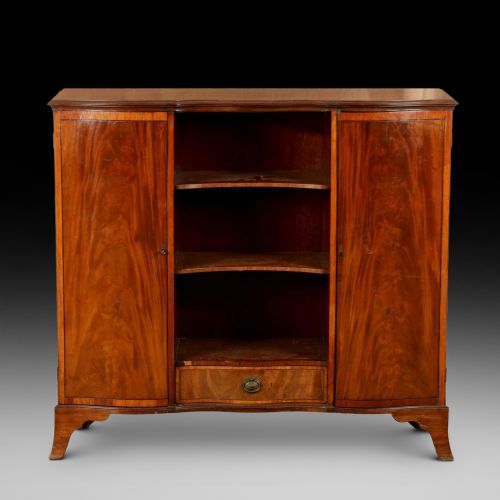
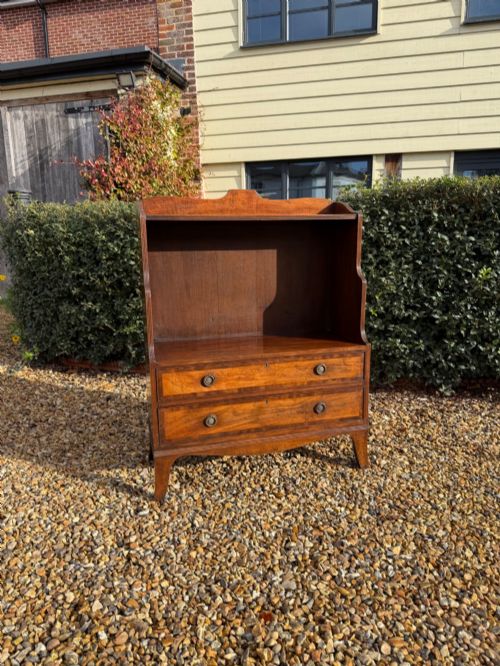
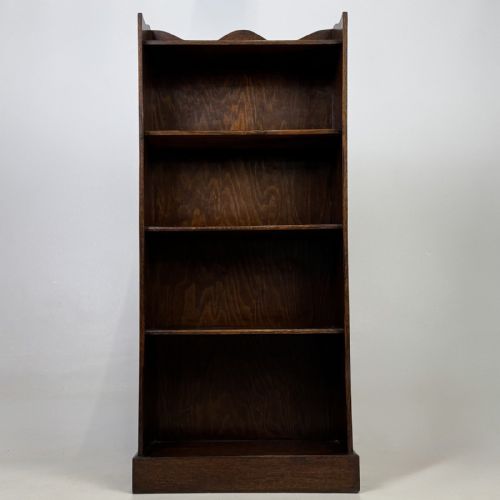
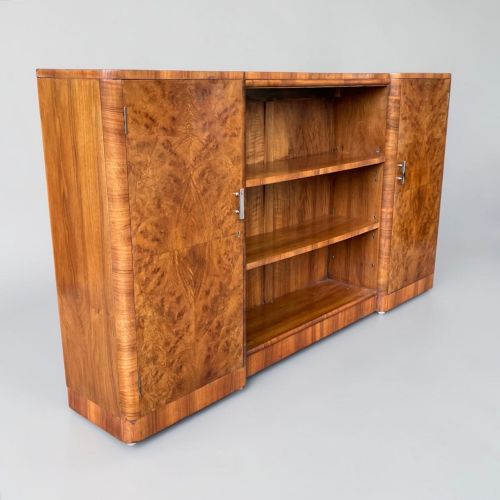
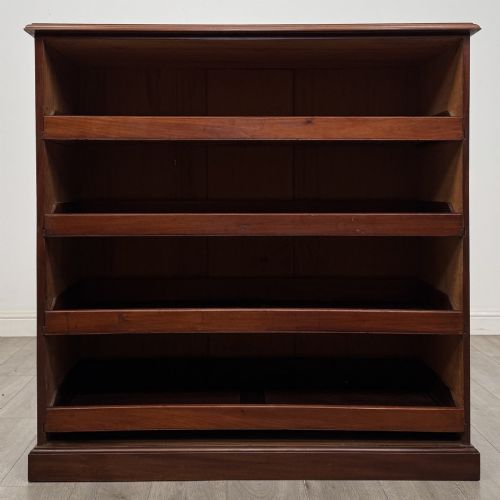
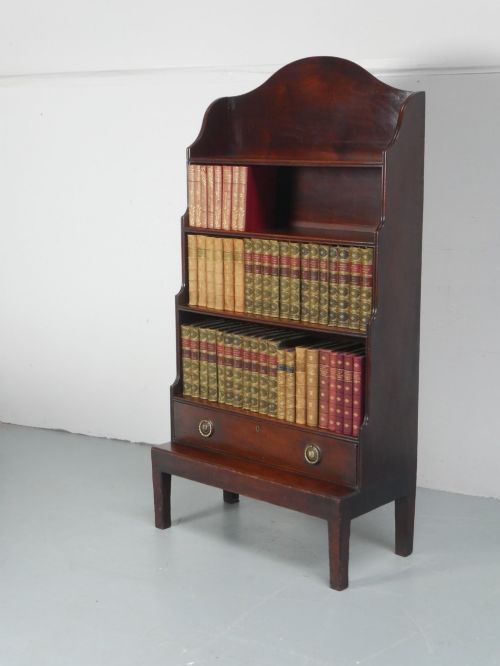
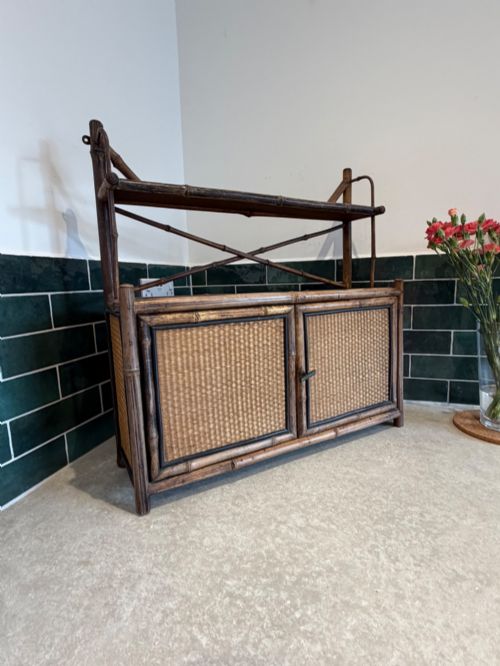
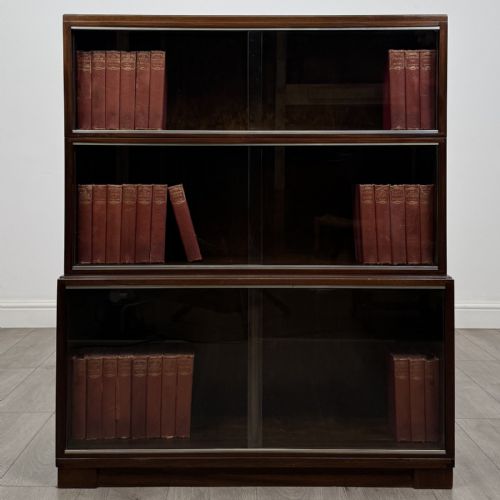
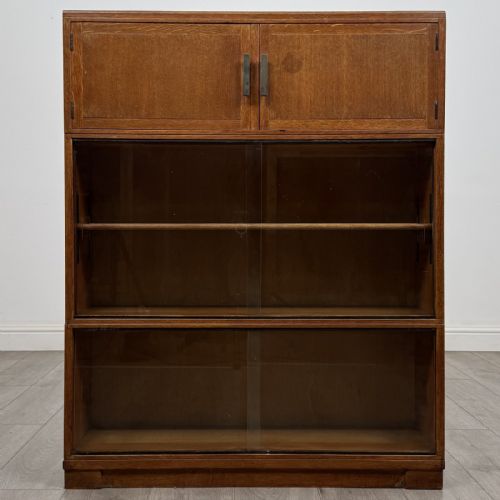
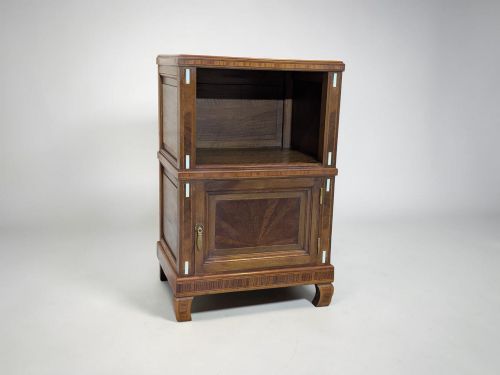
Vintage Storage Shelf
A vintage storage shelf brings practical organisation and period character to a room, ranging from industrial metal racks to polished mahogany bookcases.
Vintage Storage Shelf
A vintage storage shelf covers a diverse group of wall-mounted and freestanding furniture designed to hold books, display objects, and household items. The selections span periods from the nineteenth century through the early decades of the twentieth century, including Victorian, Edwardian, and Art Deco examples.
The primary forms encountered on this page are bookcases, wall cabinets, dressers, and open shelving units. Common structural woods include oak, mahogany, walnut, and pine, alongside iron, brass, and glass elements.
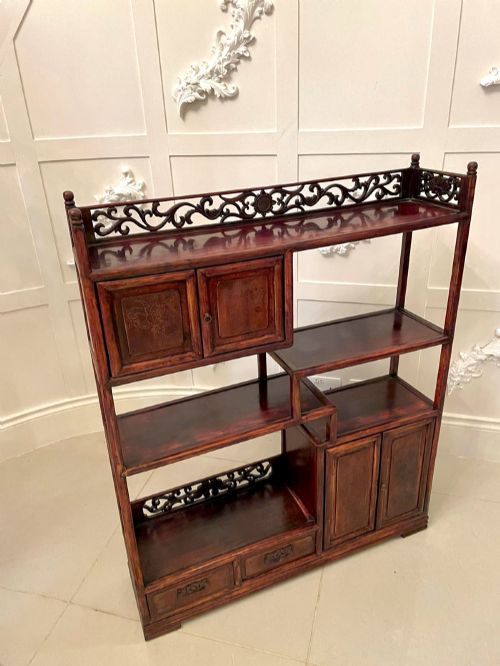
Origins stretch across English, French, Chinese, and Indian workshops, reflecting both domestic household furniture and utilitarian industrial storage items like pigeon holes and bakery racks.
Materials and construction methods
Makers utilised solid hardwoods like oak, mahogany, walnut, and elm alongside softer pine and exotic hardwoods. Construction often involved traditional joinery, sliding glass doors, tambour mechanisms, and adjustable shelving.
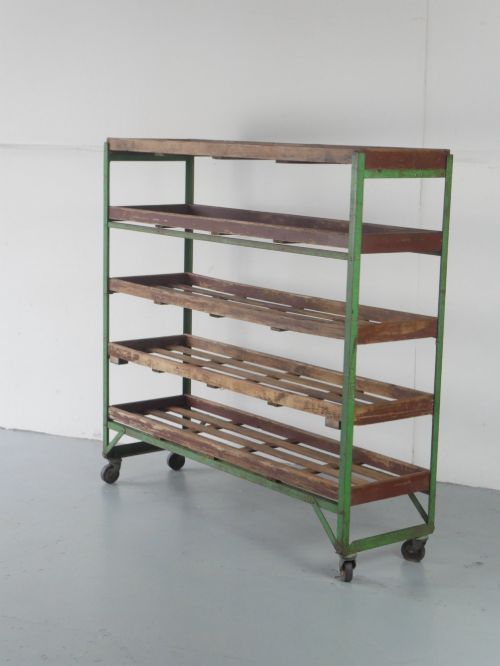
Metal pieces incorporate wrought iron and brass, seen in scroll-work bakery racks and iron pan stands. Painted finishes appear on pine, teak, and cedar storage cupboards.
Vintage Storage Shelf Retail Price Guide 2026
Typical asking prices for vintage storage shelf among the pieces listed under this phrase on Sellingantiques today, from the lower quarter to the upper quarter. They describe what is for sale here now, not the wider market.
Listings feature oak, mahogany, walnut, pine, brass, glass, and wrought iron across multiple design eras.
Distinctions in quality
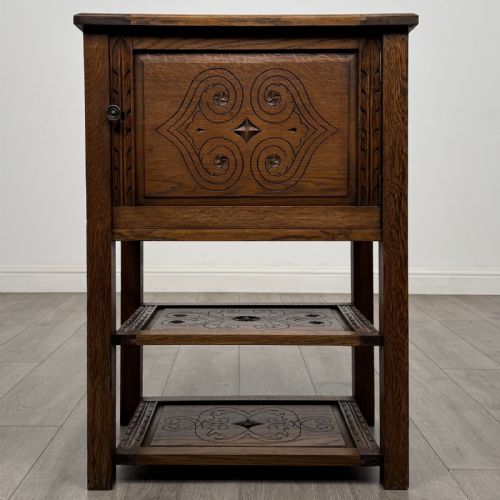
Quality rests on timber selection, such as figured mahogany or quarter-sawn oak, and the precision of the cabinetmaker's joinery. Fine examples demonstrate careful attention to detail in carved elements, beaded edges, and hardware.
Functional mechanics differentiate standard items from superior pieces, particularly in smooth-sliding glass doors, operational tambour fronts, and adjustable shelf supports.
Minty of Oxford·Whytock and Reid
The Vintage Storage Shelf Glossary
- Tambour cabinet
- A cabinet featuring a door constructed from narrow vertical strips of wood glued to a canvas backing, allowing it to slide open around a curve. This clever mechanism conceals internal storage while saving external space.
- Stacking bookcase
- Modular shelving units, often associated with barristers, comprising separate stacked sections with glass doors that lift and slide inside the case. They allow owners to expand their library upwards piece by piece.
- Whatnot
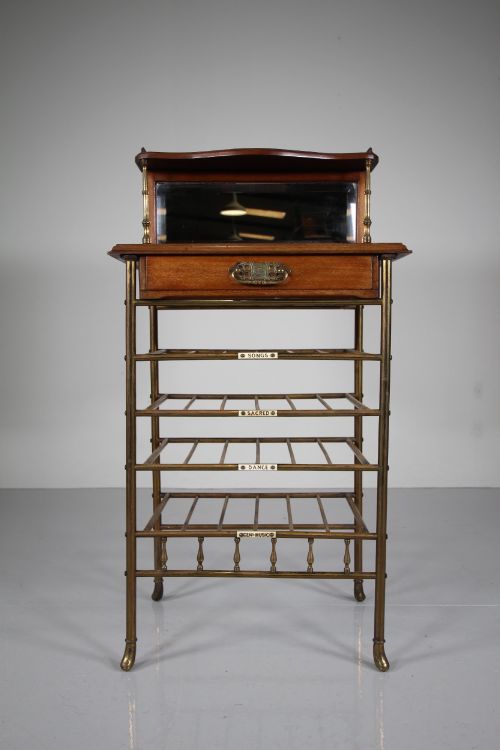
- A piece of freestanding open shelving with multiple tiers, designed in the nineteenth century for displaying ornaments and books. Each ascending tier is supported by slender corner columns or turned posts.
- Chiffonier
- A low sideboard or cabinet developed in the Victorian era, typically fitted with a combination of enclosed lower cupboards and upper shelves. It served practical storage and display functions in dining and living spaces.
- Pigeon holes
- Compartmentalised open wooden shelving units originally used in offices and post offices for sorting mail and documents. They provide numerous small vertical and horizontal storage slots.
Vintage Storage Shelf: Frequently Asked Questions
What periods do these storage shelves cover?
The listings encompass items produced from the nineteenth century through the 1930s. You will find Victorian, Edwardian, and Art Deco pieces.
Design styles range from traditional Jacobean Revival and Queen Anne styles to industrial metalwork and French country furniture.
How do I choose between open shelves and cabinets?
Open bookcases and wall shelves allow for immediate access and display of books or decorative items. They suit spaces where you want visual openness.
Cabinets with glass doors, tambour fronts, or wooden panels keep dust away from contents and conceal clutter while providing structured organisation.
Are the shelves adjustable?
Many bookcases and cabinets feature adjustable shelving systems to accommodate items of varying heights. This is particularly common in Edwardian tambour cabinets and large oak bookcases.
Fixed shelving is also present, especially in older nineteenth-century cupboards and specific industrial rack designs.
What woods are commonly used?
Oak is widely represented, appearing in dark finishes, carved Jacobean revival styles, and stacking barrister bookcases. Mahogany is another prevalent hardwood used in display cabinets and whatnots.
Walnut, pine, elm, and imported teak and cedar also feature across various regional and international pieces.