


Vintage Storage Pedestals
These vintage storage pedestals span periods from the nineteenth century into the nineteen-thirties, offering compact and practical timber cabinetry for domestic rooms.
Vintage Storage Pedestals
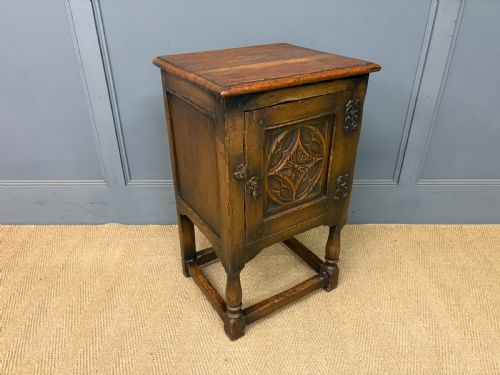
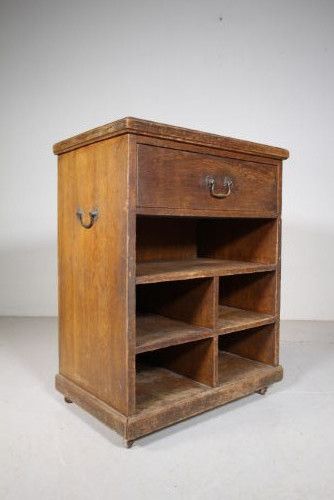
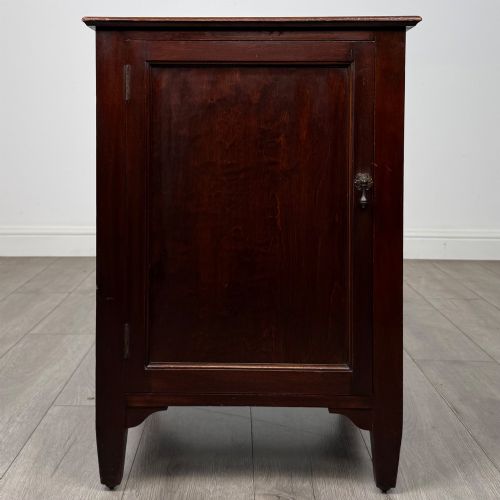
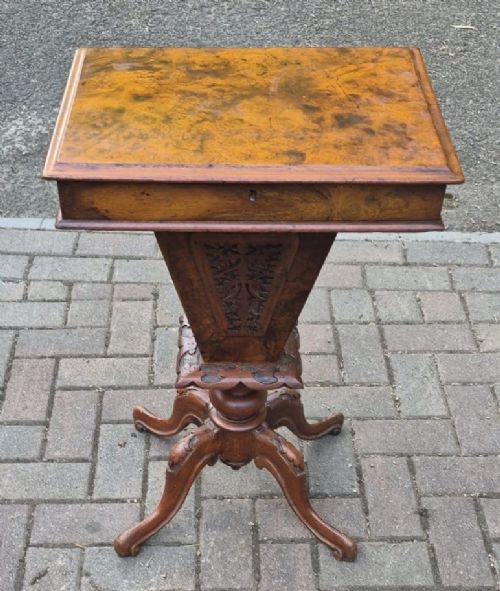
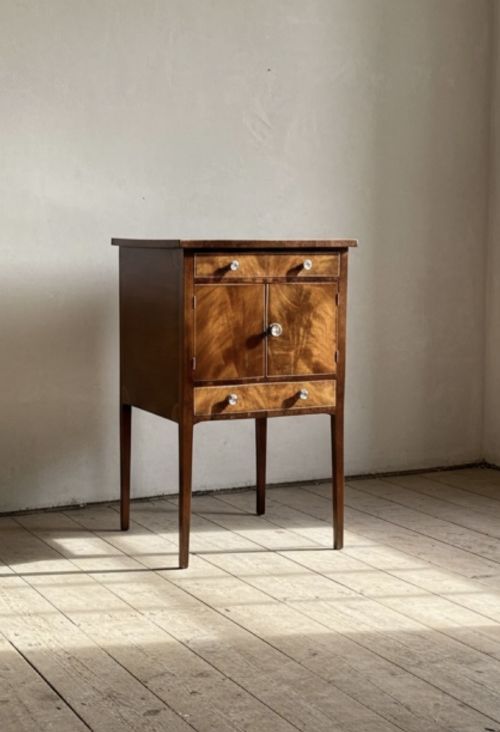
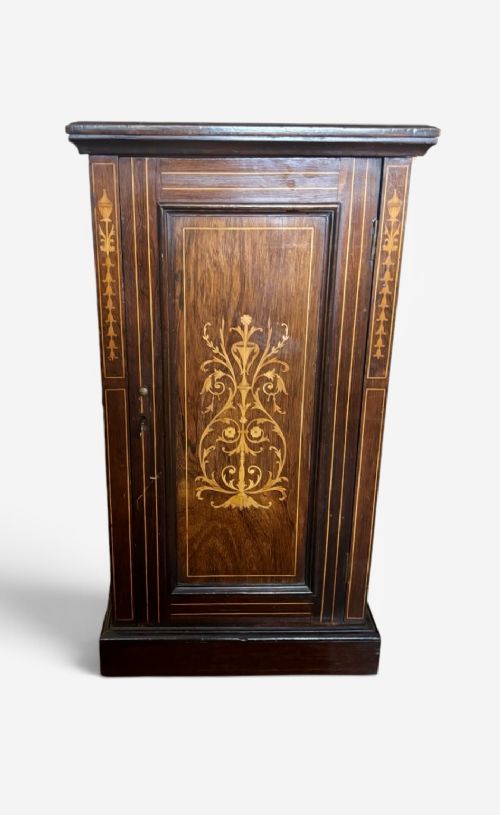
Vintage storage pedestals encompass a variety of compact timber furniture designed to hold items within domestic spaces, drawing from descriptions such as bedside cabinets, night tables, and small cupboards. When exploring vintage storage pedestals on this page, a buyer encounters pieces originating from Victorian, Edwardian, and Art Deco periods, alongside nineteenth-century examples.
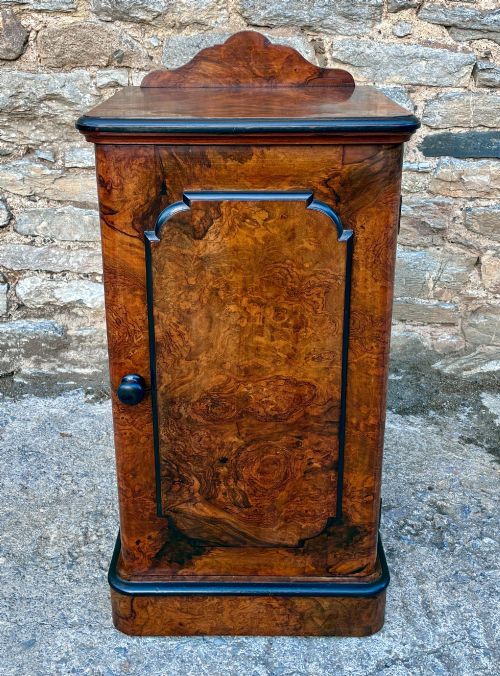
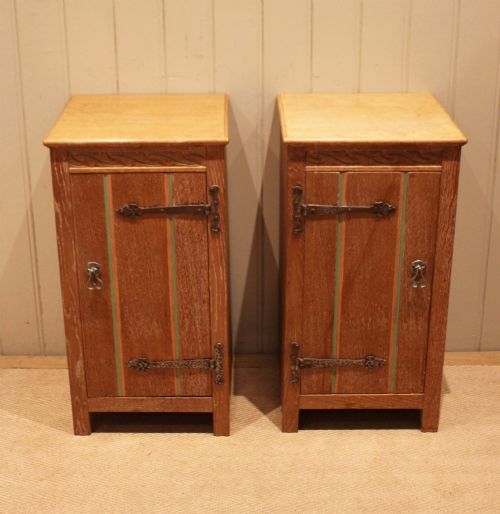
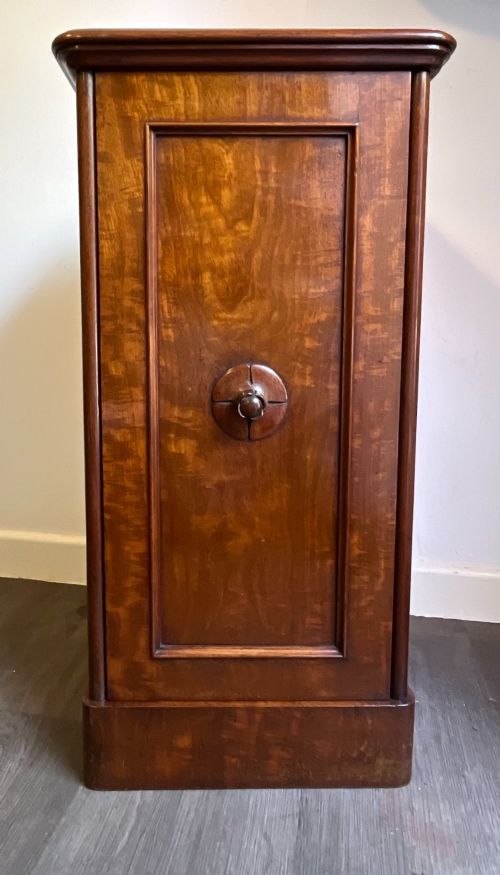
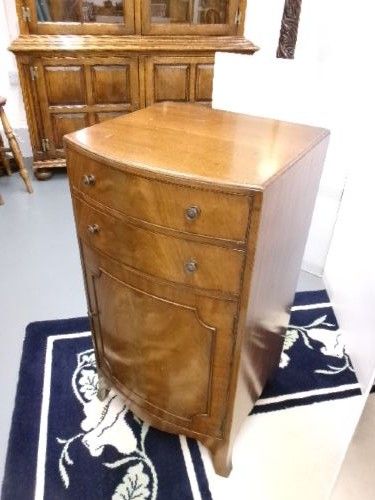
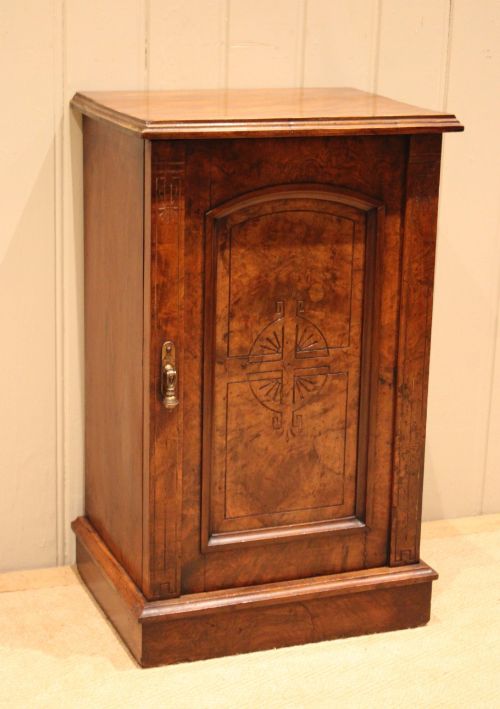
The selection leans heavily towards bedside cabinets and small cupboards constructed in traditional forms. Formats range from cylindrical mahogany bedside pieces and oak cupboards to tambour front filing cabinets and burr walnut bedside units.
How they were made
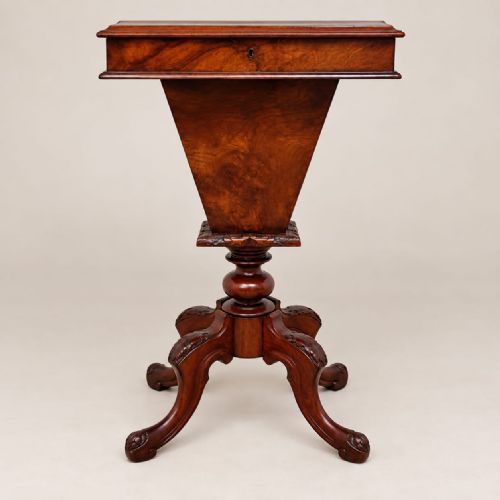
Cabinet makers utilised solid hardwoods such as mahogany, oak, walnut, and rosewood, frequently applying decorative veneers like flame mahogany and burr walnut over secondary timbers. Surface enrichment included satinwood inlay, brass fittings, and carved detailing.
Construction techniques balanced functional utility with decorative cabinet work, employing tambour fronts on filing pieces, drop flaps, and shaped panel doors. Timber selection dictated the visual weight of each piece, from bleached oak to dark figured walnut.
Vintage Storage Pedestals Retail Price Guide 2026
Typical asking prices for vintage storage pedestals among the pieces listed under this phrase on Sellingantiques today, from the lower quarter to the upper quarter. They describe what is for sale here now, not the wider market.
A nineteenth-century copper coal scuttle sits ready to keep fires burning brightly beside the timber cabinets.
What varies in quality
Quality rests upon the selection of timber figures, such as figured walnut and flame mahogany, and the precision of fine satinwood inlay work. Finer examples display harmonious matching of grain patterns across doors and panels.
Structural integrity and the retention of original hardware, including brass handles and working locks, elevate certain pieces above standard utility items. The crispness of carved wooden details and the smooth operation of drawers or tambour mechanism also distinguish superior manufacture.
Denby and Spinks·Harry and Lou Epstein·Simpson Halifax
The Vintage Storage Pedestals Glossary
- Tambour
- A flexible shutter door formed of narrow strips of wood glued to canvas, allowing smooth operation around a curved cabinet front.
- Burr walnut
- A decorative timber veneer taken from the growth excrescences of walnut trees, prized for its swirling, highly figured grain patterns.
- Satinwood
- A pale, lustrous hardwood often utilised for contrasting stringing and geometric inlay work on Edwardian and Victorian furniture.
- Chiffonier
- A compact sideboard or low cupboard developed during the nineteenth century, typically featuring shelves or a raised back tier above storage doors.
Vintage Storage Pedestals: Frequently Asked Questions
Where were these cabinets used?
These small cabinets served primarily beside beds, in parlours, or within studies to hold nightwear, books, and writing materials. Their modest footprints allowed them to fit into tight domestic corners.
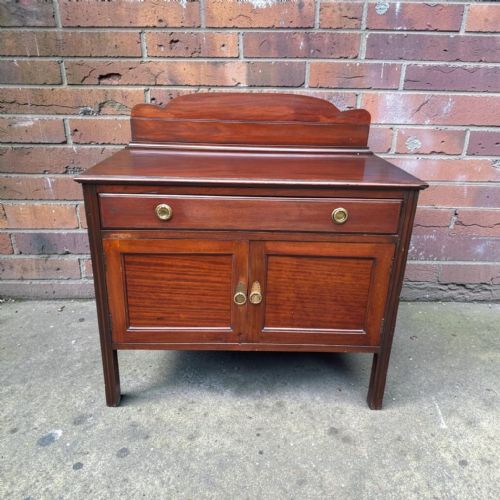
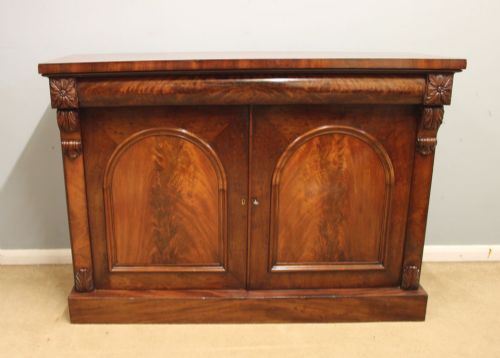
Larger variations functioned as serving surfaces or small sideboards in dining areas and hallways, storing tableware and linens out of sight.
How do I identify an Edwardian piece?
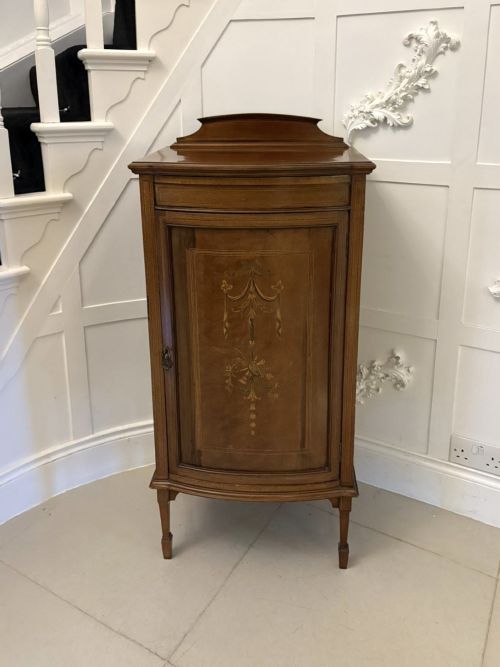
Edwardian items frequently display lighter timbers, satinwood inlay, and Sheraton Revival influences, reflecting a shift away from heavier Victorian aesthetics. Construction often incorporates clean geometric lines while retaining traditional joinery.
Proportions tend to be slender, with an emphasis on refined decorative veneers and understated brass hardware rather than heavy carving.
What is burr walnut?
Burr walnut is a decorative wood veneer sourced from the knotty burl growths of the walnut tree. It produces a dense, swirling pattern of rings and eyes that creates a highly ornate surface.
Cabinet makers applied these choice veneers to drawer fronts and top panels to catch the light and display wealth.
How should I care for polished timber?
Polished mahogany and walnut surfaces require regular dusting with a soft, dry cloth to prevent grit accumulation. Avoiding direct sunlight and sustained heat sources protects the timber and veneer from drying out.
Applying traditional wax polish periodically nourishes the grain and maintains the natural sheen of the wood without building up heavy chemical layers.