




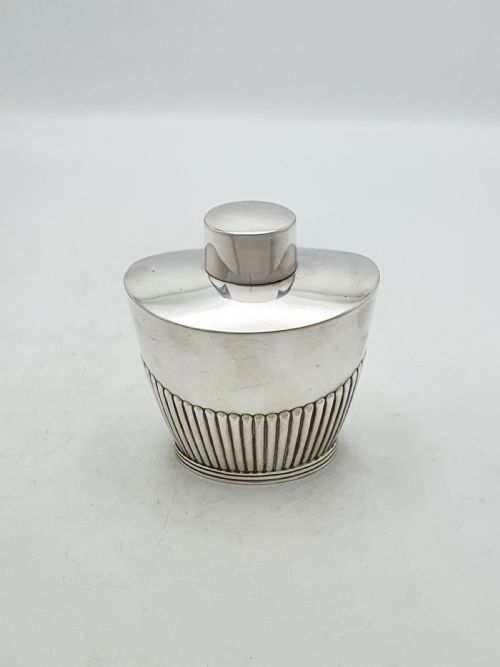
Vintage Storage Jar
These old containers and vessels, grouped loosely as a vintage storage jar, bring utilitarian charm and period craftsmanship directly into modern interiors.
Vintage Storage Jar
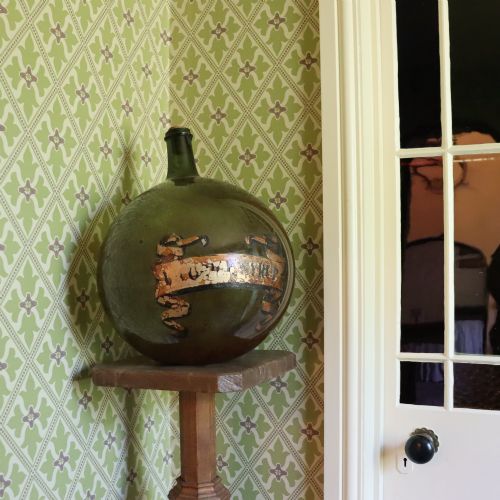
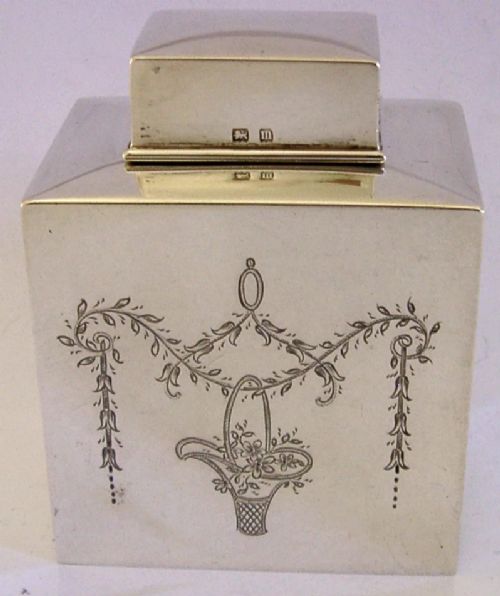
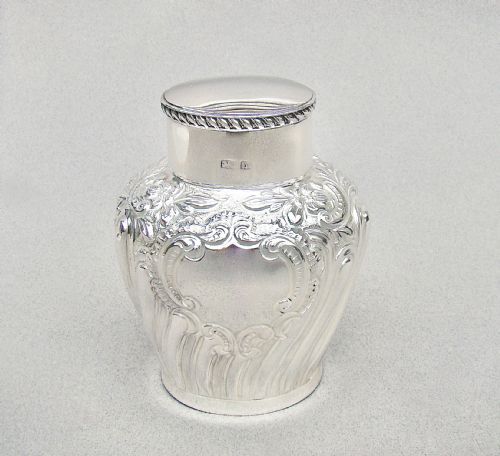
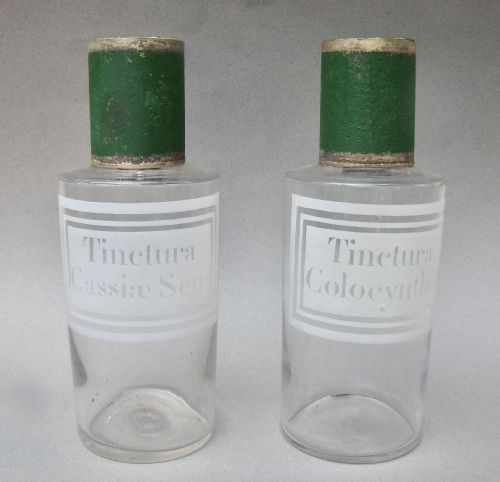
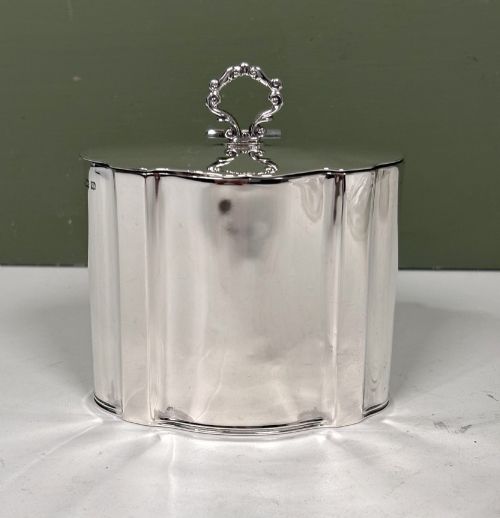
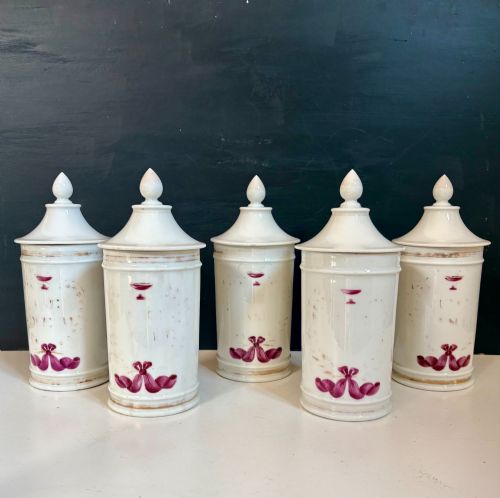
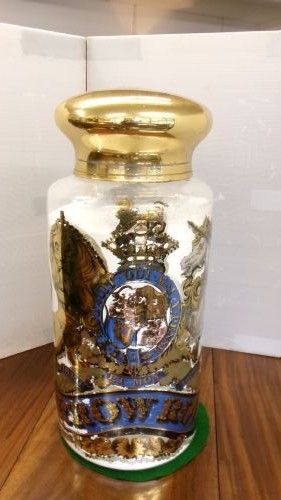
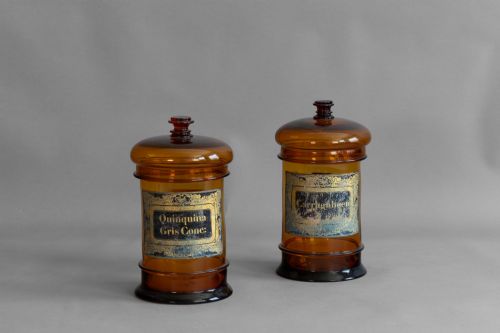
A vintage storage jar encompasses a wide variety of utilitarian and decorative containers spanning the eighteenth, nineteenth, and early twentieth centuries. Buyers frequently encounter forms such as French green glazed confit pots, apothecary glass display jars, silver tea caddies, and terracotta olive jars. These objects originate from diverse domestic, commercial, and international contexts, ranging from European shop counters to Asian workshops.
The materials and functions vary significantly across the inventory, reflecting their original purposes in pharmacies, kitchens, and parlours. Glass carboys, ceramic biscuit barrels, brass vessels, and wooden spice towers all fall within this broad category. Most surviving examples display the wear of daily use, which defines their character and places them firmly in historical domestic traditions.
Materials and Techniques
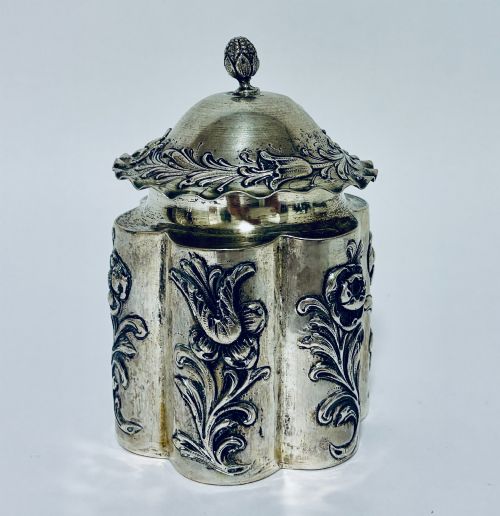
Makers utilised traditional methods such as free-blowing glass, hand-thrown terracotta, and beaten sheet metal to create these containers. Glass jars often exhibit pontil marks and bubbles from early blowing techniques, while earthenware pots show the irregular surfaces of manual throwing and natural glazing. Metal caddies and boxes involve silversmithing techniques including embossing, etching, and silver plating over base metals.
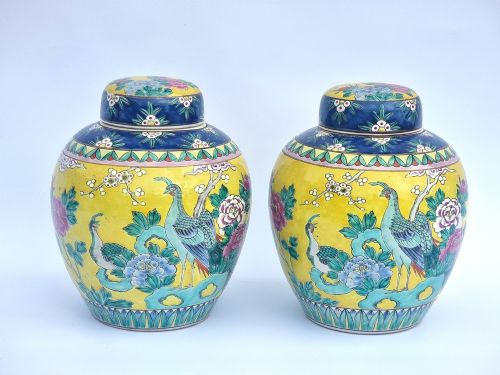
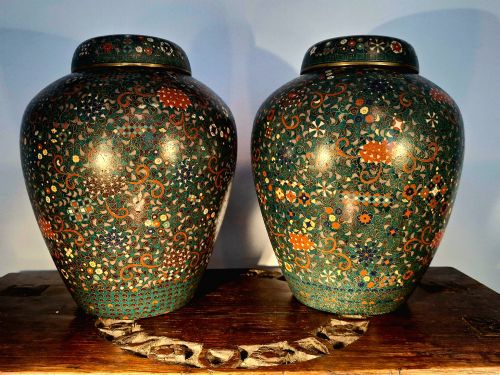
Surface decoration ranges from hand-painted ceramic glazes and Japanese cloisonne enamel to red lacquer and delicate glass etching. Terracotta vessels rely on the natural porosity and mineral content of the clay, often enhanced by lead glazes or aged patinas developed over decades. These material combinations ensure that each container bears distinct physical evidence of its production era.
Vintage Storage Jar Retail Price Guide 2026
Typical asking prices for vintage storage jar among the pieces listed under this phrase on Sellingantiques today, from the lower quarter to the upper quarter. They describe what is for sale here now, not the wider market.
Old apothecary jars occasionally still smell faintly of dried roots and forgotten pharmacy potions after more than a century.
Markers of Distinction
The refinement of the surface decoration and the integrity of the material dictate the standing of a piece. Fine silver caddies exhibit crisp hallmarks, balanced proportions, and careful chasing, whereas simpler utility vessels rely on robust form and honest wear. The depth of colour in blown glass and the consistency of lead glazes on earthenware further separate standard utilitarian objects from finer display examples.
Completeness and original matching elements also determine quality among surviving sets and lidded vessels. Lids, stoppers, and stands that remain original to the main body add significant integrity to items like apothecary jars, ginger jars, and biscuit barrels. Condition retains importance, though natural patination from age is expected and valued over sterile perfection.
Zimmermann·Thomas Hayes·Mappin & Webb·Ernest Druiff & Co·William Hutton
The Vintage Storage Jar Glossary
- Apothecary jar
- A glass or ceramic vessel originally used by chemists and pharmacists to store dry drugs, herbs, or liquids. These containers often feature ground glass stoppers and painted or etched labels.
- Confit pot
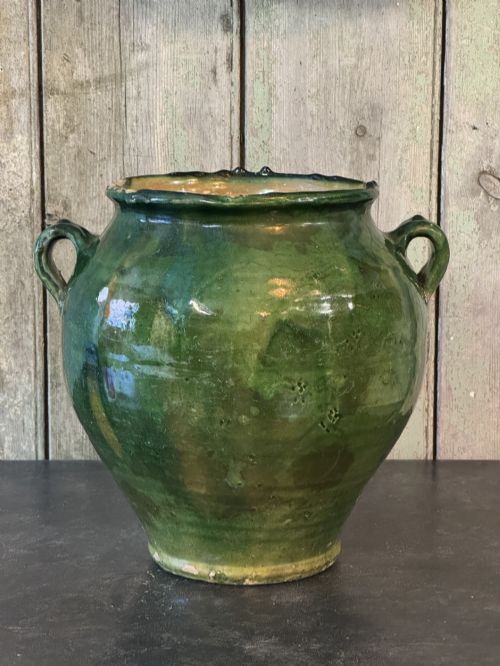
- A French earthenware vessel featuring a glazed upper section and an unglazed lower body, traditionally utilised for preserving meats. These pots display earthy terracotta tones and rich green glazes.
- Biscuit barrel
- A lidded container used on dining tables during the Victorian and Edwardian periods for holding dry biscuits. They frequently combine ceramic or glass bodies with silver-plated mounts and swing handles.
- Pontil mark
- A rough scar left on the base of blown glassware where the pontil rod was snapped off after shaping. This physical trace helps identify traditional hand-blown manufacturing techniques.
Vintage Storage Jar: Frequently Asked Questions
What were apothecary jars used for?
These glass and ceramic containers held medicinal herbs, chemicals, and ointments in nineteenth-century pharmacies and dispensaries. Their airtight designs protected sensitive contents from moisture and deterioration.
Today, they function primarily as decorative display items in domestic settings. Collectors often group them by size and coloured glass tone.
How do I date a glass storage jar?
Examine the base for pontil marks, surface irregularities, and air bubbles which indicate manual blowing techniques common in the nineteenth century or earlier. Heavy, thick walls and a distinct green or amber tint often point towards older utilitarian production.
Manufacturer marks, etched labels, and accompanying metal fittings help narrow down the decade. Comparing the wear patterns to documented examples confirms the period.
How do I clean silver tea caddies?
Sterling silver and silver-plated containers require gentle wiping with a soft, non-abrasive cloth to remove dust and tarnish without stripping the metal. Avoid harsh chemical dips that can damage delicate chased details or maker's marks.
Store these caddies in dry environments away from direct sunlight to maintain the polished finish. Regular dusting prevents tarnish from accumulating in recessed decorative areas.
What is a French confit pot?
A confit pot is a traditional earthenware jar from rural France featuring a partially glazed exterior and body. Farmers used them to store cooked meats sealed in fat.
Their characteristic green glazes and aged terracotta patinas make them popular for rustic interior decoration. They bring earthy texture to modern kitchen and living spaces.