


Vintage Stone Necklace
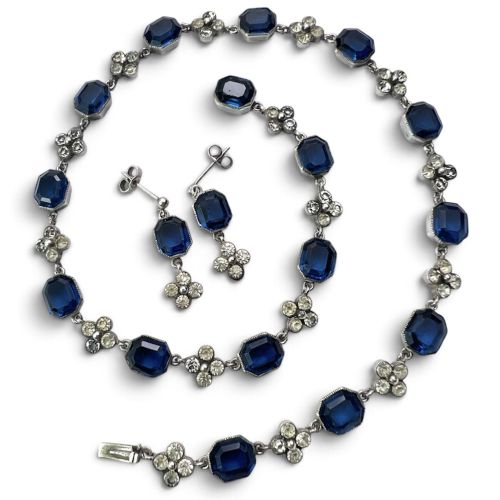
A vintage stone necklace brings together the quiet authority of natural minerals and the precise metalwork of past decades.
Vintage Stone Necklace
A vintage stone necklace encompasses pieces where hard minerals, crystalline quartz, or organic gems take centre stage, supported by precious metals ranging from silver to high-carat gold. These items span periods from the Victorian era through the Edwardian, Art Deco, and mid-century modern movements.
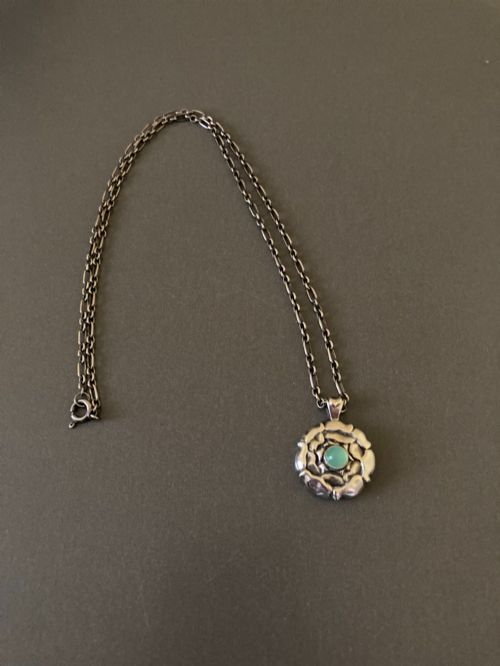
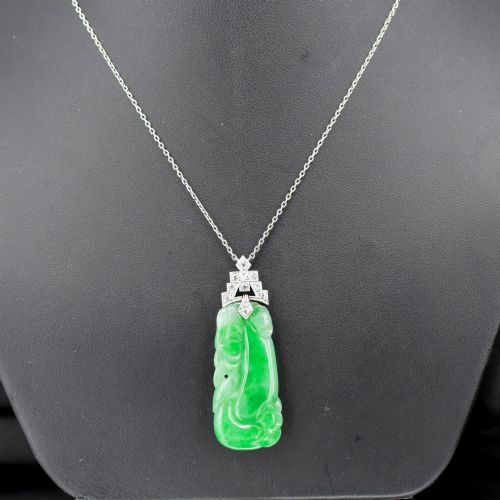
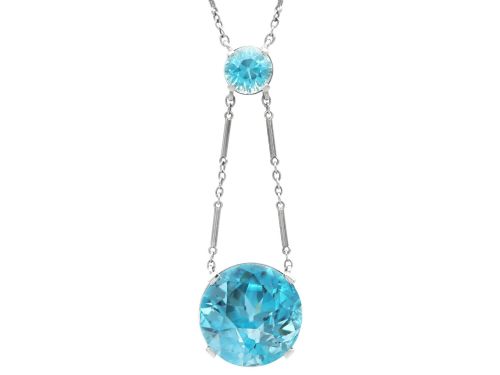
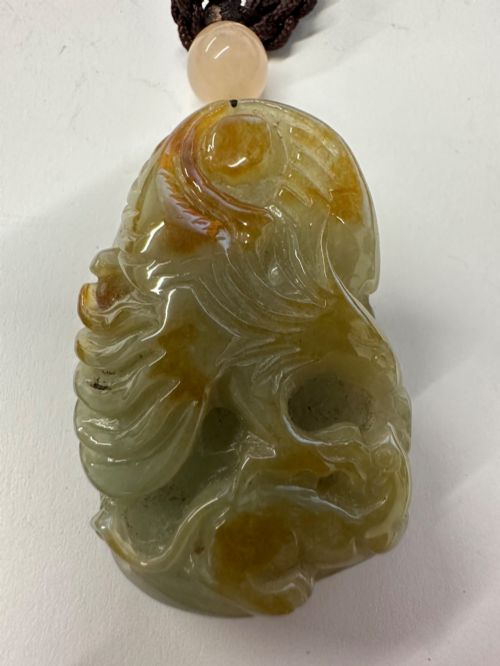
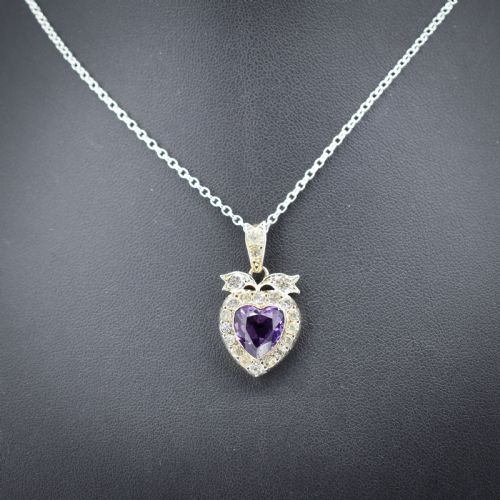
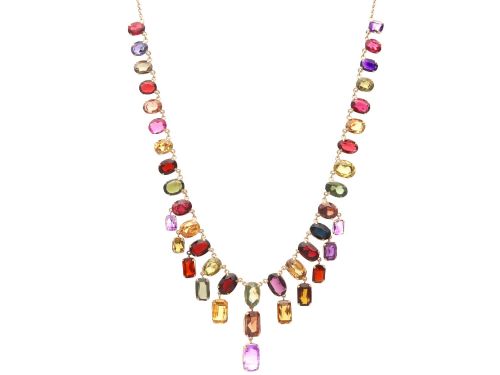
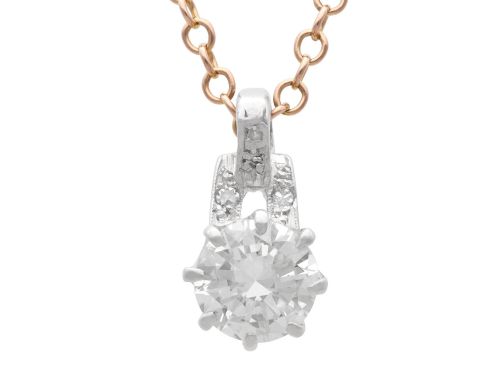
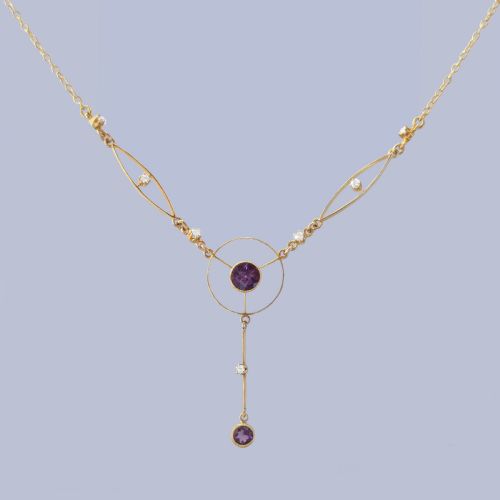
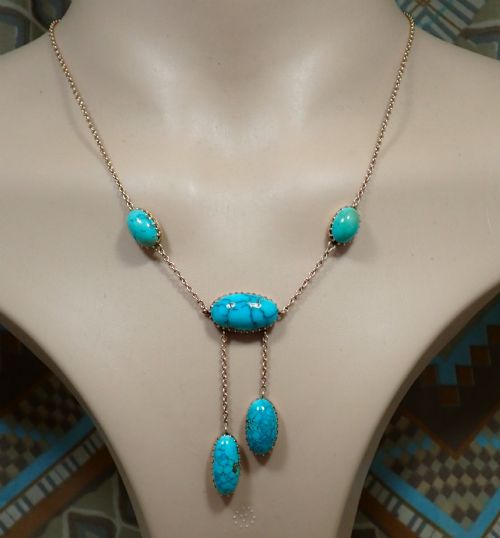
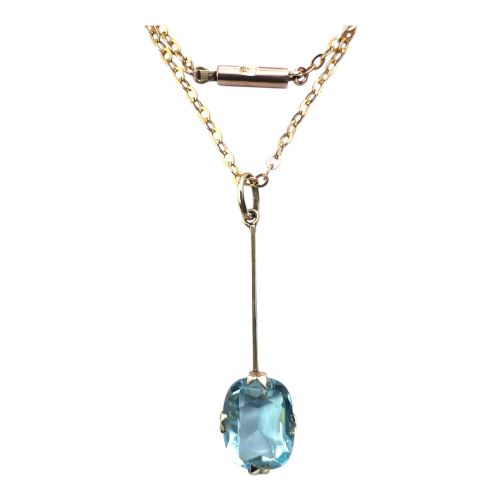
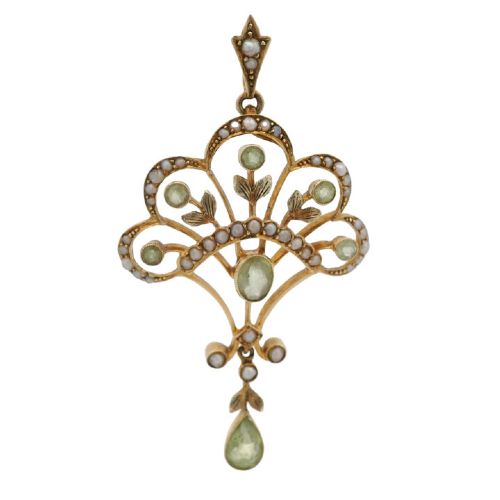
The versions most frequently met on this page combine Edwardian lavalier designs or Art Deco geometric settings with stones such as amethyst, peridot, jade, and turquoise. They appear in forms that range from delicate pendants on fine chains to substantial fringe and festoon necklaces.
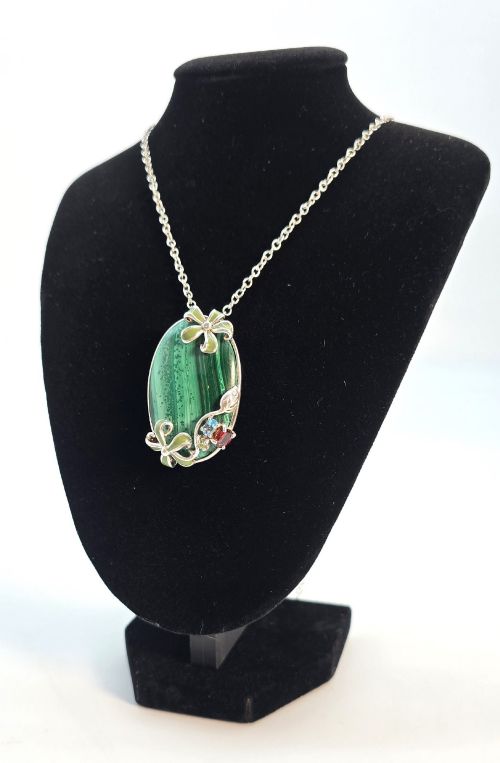
Makers and designers from these diverse decades utilised both faceted stones and smooth cabochons, mounting them in settings that reflect the artistic priorities of their respective eras, from flowing Arts & Crafts curves to rigid modernist lines.
Materials and construction
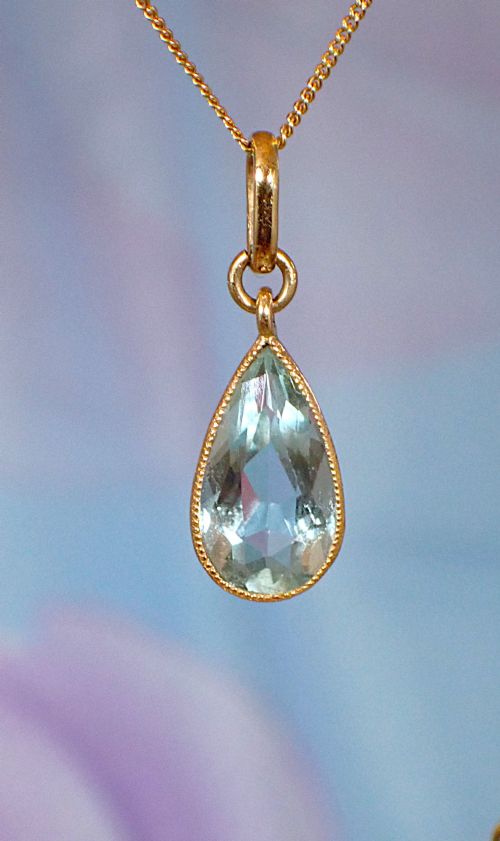
Metals employed in these pieces include sterling silver, platinum, and varying purities of gold, particularly nine-carat, fifteen-carat, and eighteen-carat variants in yellow, rose, and white tones. These metals were shaped by hand or cast to create intricate lavalier drops, fringe arrangements, and secure bezel or prong settings for the stones.
Gemstones and minerals are integrated alongside accent materials such as seed pearls, diamonds, paste, and enamel. The stones themselves undergo diverse treatments, from traditional faceted cuts that maximise brilliance to cabochon polishing and detailed Chinese carving.
Vintage Stone Necklace Retail Price Guide 2026
Typical asking prices for vintage stone necklace among the pieces listed under this phrase on Sellingantiques today, from the lower quarter to the upper quarter. They describe what is for sale here now, not the wider market.
Distinctions in quality
Quality in these necklaces rests upon the harmony between the stone selection and the metal framework, where superior pieces exhibit careful matching of mineral colours and clear integration of the pendant with its chain. The depth of the carving in organic stones or the precision of the facet cuts elevates certain items above standard production.
Construction integrity also defines the tier of a piece, observable in the solidity of the settings, the neatness of granulation or wirework, and the preservation of original clasps and connector links across successive decades.
S. Blanckensee & Son
The Vintage Stone Necklace Glossary
- Lavalier
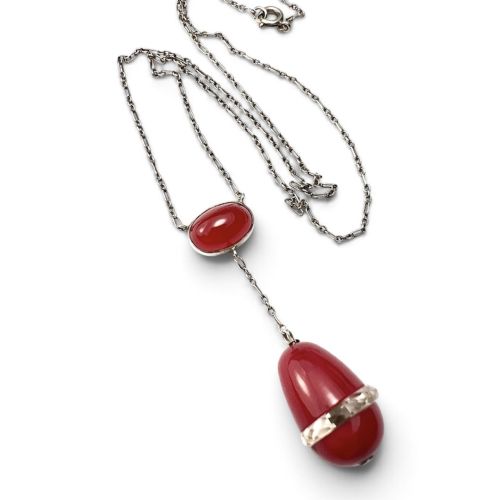
- A pendant necklace featuring a central drop stone suspended below a smaller stone or decorative motif, popular during the Edwardian period.
- Cabochon
- A gemstone shaped and polished with a smooth, convex surface rather than being faceted with flat planes.
- Fringe necklace
- A design where multiple smaller stones or drops hang at intervals along the lower edge of the main chain or collar.
- Paste
- Hand-cut and polished lead glass used historically to imitate gemstones, valued in antique jewellery for its own craftsmanship.
- Negligee necklace
- A specific Edwardian style featuring two asymmetrical drops suspended from a central bar or cluster.
Vintage Stone Necklace: Frequently Asked Questions
How do I care for a vintage stone necklace?
Different minerals require specific handling, so softer stones like turquoise or pearls should be kept away from harsh cleaning agents and ultrasonic baths. Store each piece individually in a lined box to prevent metal chains from scratching softer cabochons.
Regularly check the security of claw settings and spring clasps by a professional jeweller to ensure that older mounts remain stable during wear.
Are these necklaces supplied with original chains?
Many pieces retain their period-matching chains, particularly Edwardian and Art Deco examples where the pendant and chain share identical metal purities and link styles. Others have been paired with complementary period-appropriate silver or gold chains over time.
Examining the link construction and wear patterns helps determine whether the chain has travelled with the pendant since its manufacture or was added later.
How can I tell an Edwardian stone necklace from a Victorian one?
Victorian pieces frequently display heavier gold work, deeper amber or purple hues in amethysts, and closed-back settings in earlier examples. They often lean towards sentimental or romantic motifs.
Edwardian designs shift towards lighter platinum and yellow gold pairings, incorporating seed pearls and open-air garland or lavalier configurations that maximise the play of light through transparent stones.
Can these necklaces be worn every day?
Harder stones such as diamond, zircon, and quartz variants tolerate regular wear when mounted securely, provided they are treated with appropriate care. Softer organic materials or porous stones demand more restraint to avoid accidental knocks.
Removing the jewellery before swimming, sleeping, or applying cosmetics preserves both the metal settings and the polish of the stones.