



Vintage Stone Garden Statues
Vintage stone garden statues bring classical presence and quiet character to lawns, terraces and borders.
Vintage Stone Garden Statues
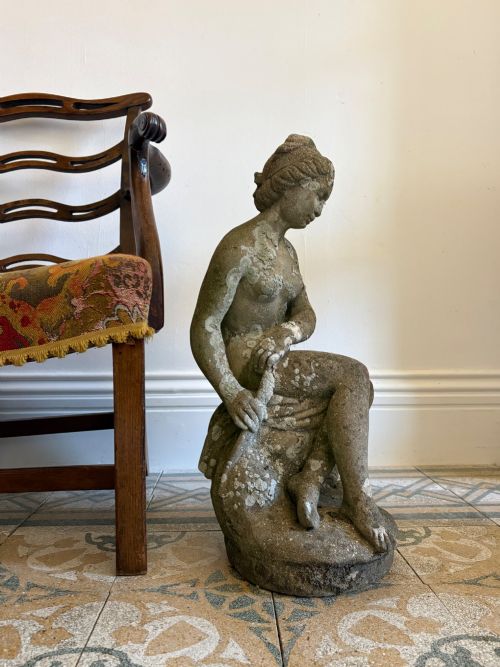
Vintage stone garden statues encompass a wide array of carved and cast figures, ornamenting outdoor spaces with classical forms, animals and allegorical representations. Buyers searching for vintage stone garden statues encounter pieces ranging from nineteenth century marbles and terracottas to twentieth century cast compositions.
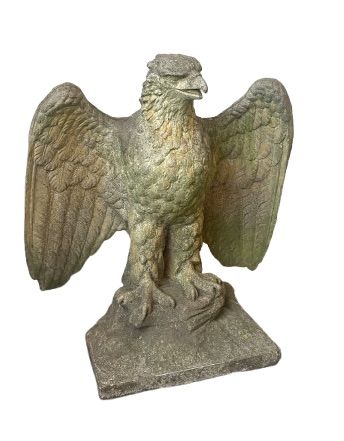
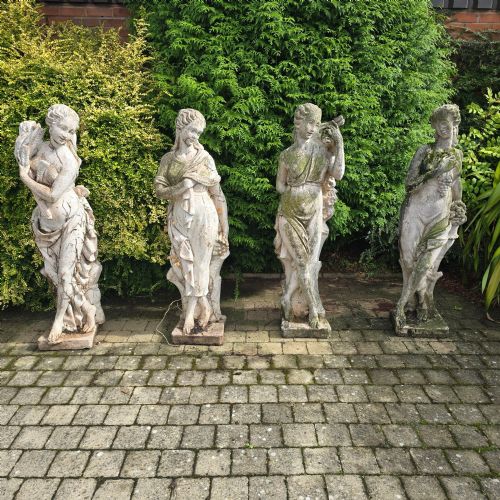
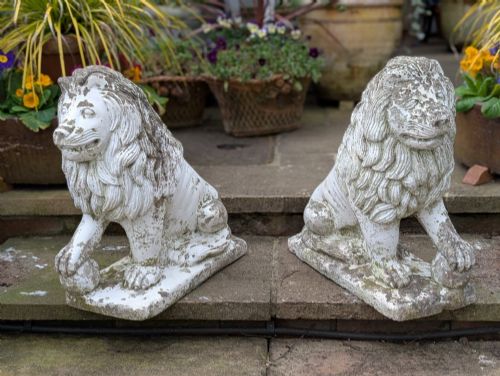
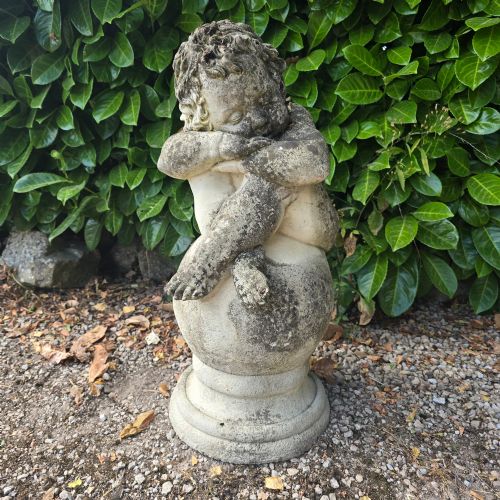
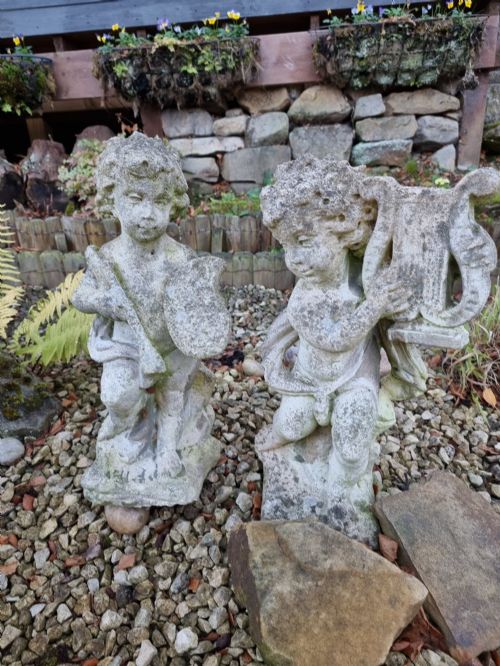
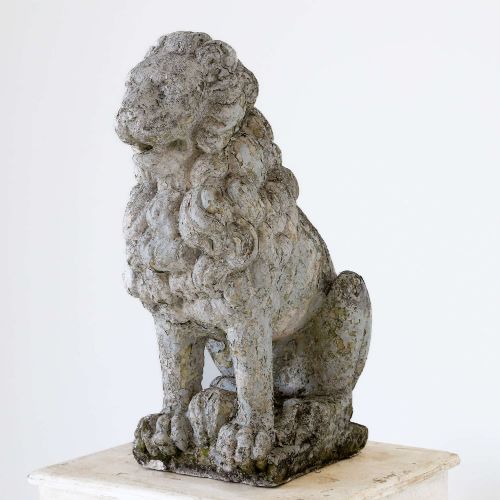
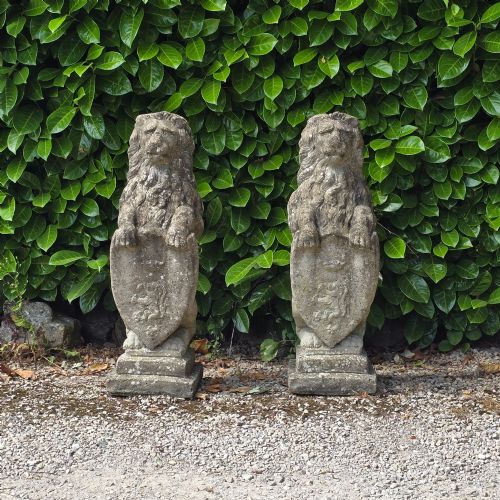
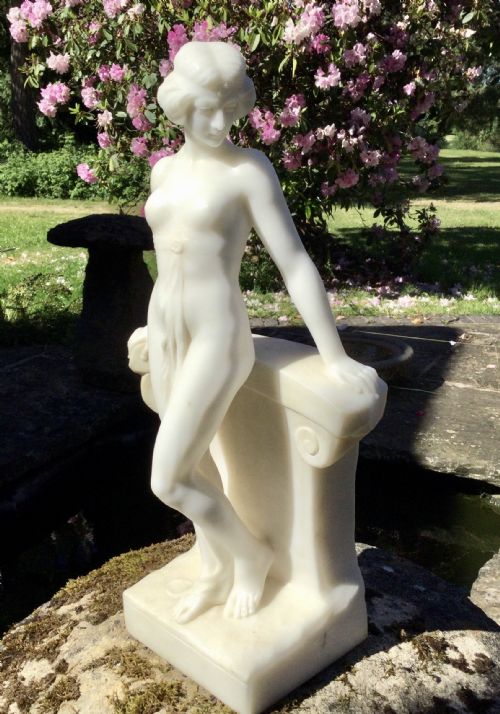
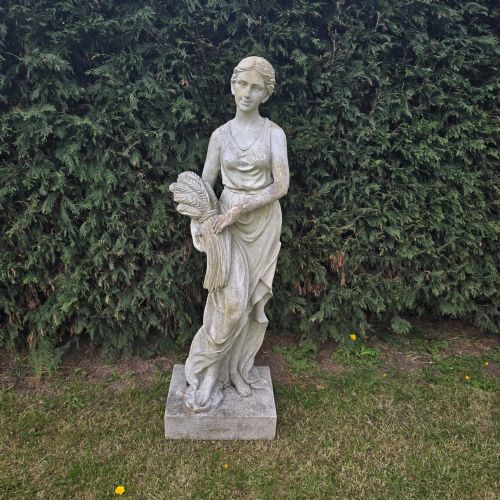
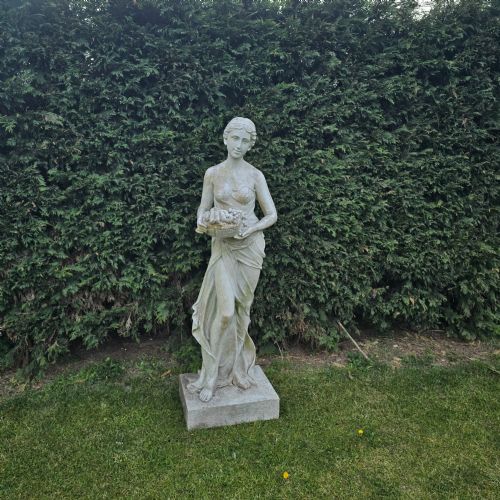
The selection leans heavily towards twentieth century examples, particularly from the nineteen-thirties and nineteen-fifties, alongside nineteenth century French and Italian works. Common forms include lions, cherubs, seasonal figures, eagles and classical busts mounted on pedestals or plinths.
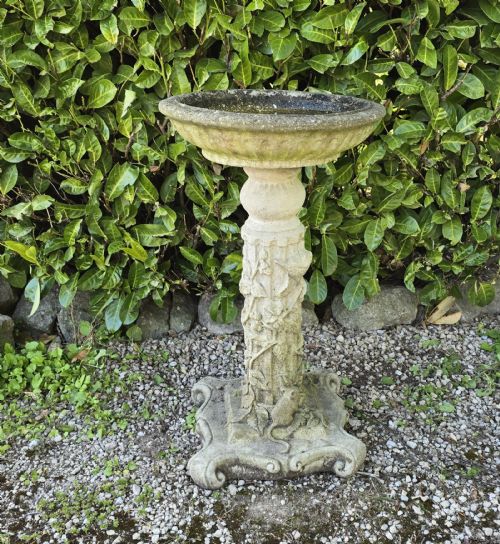
These garden ornaments serve both decorative and structural roles within landscape design, marking pathways, guarding entrances or accentuating garden rooms. The assortment includes everything from life-sized figures to small bird baths and gate finials.
Materials and methods
Makers utilised various durable compounds including reconstituted stone, cast stone, composition stone and concrete to mould ornate figures. These cast materials often incorporated aggregate binders that weathered naturally under outdoor conditions.
Traditional fired clays and natural rocks also appear among the selections. Stoneware, terracotta and solid marble were carved or moulded by hand to create figures such as lions, dogs and human busts.
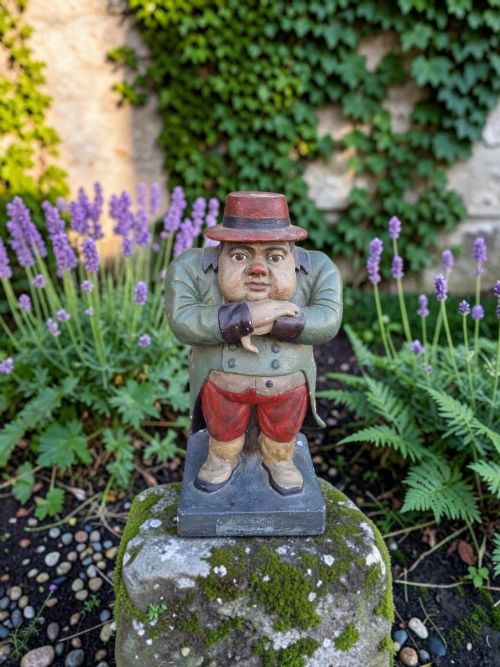
Many surfaces retain traces of original old paint or flaking finishes applied to the stone or terracotta. Long exposure to the elements creates deep weathering effects across the exterior surfaces of these sculptures.
Vintage Stone Garden Statues Retail Price Guide 2026
Typical asking prices for vintage stone garden statues among the pieces listed under this phrase on Sellingantiques today, from the lower quarter to the upper quarter. They describe what is for sale here now, not the wider market.
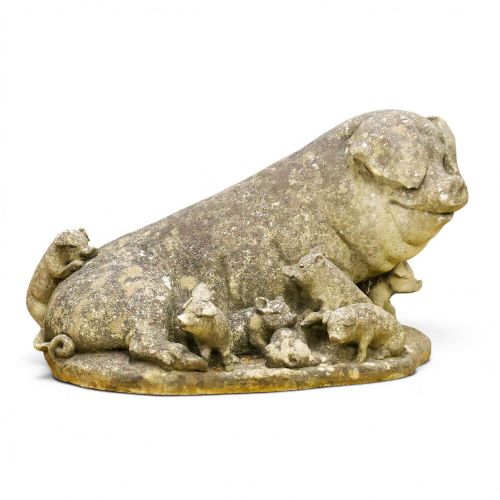
A cast stone sow accompanied by seven tiny piglets brings a charming slice of farmyard life to the shrubbery.
Assessing quality and character
Quality rests in the crispness of the moulding and the anatomical accuracy of the carving, whether depicting human figures, birds or guardian lions. Superior pieces display thoughtful proportions and careful detailing in drapery, hair and facial expressions.
The degree and character of natural weathering contribute significantly to the visual appeal of a statue. Uniform, organic patination accumulated over decades elevates simple cast ornaments into striking focal points.
Substantial scale and the presence of matching pairs or original stone plinths distinguish more ambitious garden statuary from smaller utility pieces. The integration of structural bases enhances both the stability and the architectural presence of the sculpture.
The Vintage Stone Garden Statues Glossary
- Reconstituted stone
- A manufactured material made from crushed stone and cement binders mixed to form durable garden ornaments. It allows makers to cast intricate statues with consistent texture.
- Terracotta
- A porous fired clay material used extensively for sculptural figures and large animal models. It acquires a distinct earthy warmth and patination over time.
- Plinth
- A heavy stone base or pedestal designed to elevate a bust or statue above ground level. These architectural supports give garden figures greater presence.
- Finial
- A decorative architectural ornament placed on top of a gatepost, wall or pedestal. Pairs of stone creatures often serve this specific function.
- Stoneware
- A dense, vitrified ceramic fired at high temperatures to resist frost and moisture. It provides a robust medium for outdoor animal and human sculptures.
Vintage Stone Garden Statues: Frequently Asked Questions
How do I care for stone garden statues in winter?
Most cast and reconstituted stone pieces tolerate cold conditions well if they sit on proper footings to prevent ground moisture absorption. Protecting vulnerable details with breathable covers helps guard against freeze-thaw damage.
Heavier marble and terracotta items benefit from being moved to sheltered garden rooms or conservatories during severe frost. Ensuring good drainage beneath pedestals keeps standing water from compromising the material.
Can these statues remain outside all year?
Outdoor garden statuary is designed specifically to withstand normal seasonal changes and exposure to rain and sun. Over time, this constant outdoor placement develops the desirable weathered patination valued by collectors.
Extreme weather changes can occasionally affect older terracotta or painted surfaces, requiring thoughtful placement in protected garden spots. Regular gentle cleaning prevents moss from obscuring fine carved details.
How do I identify the material of a garden statue?
Close inspection of the surface texture reveals whether a piece is cast concrete, reconstituted stone, carved marble or fired terracotta. Cast composite pieces often show uniform aggregate grain beneath the weathered exterior.
Terracotta and stoneware exhibit the characteristic reddish or dense grey ceramic body beneath any flaking paint. Natural marble displays subtle veining and a smooth crystalline structure unique to quarried stone.
Are these statues heavy to move?
Life-sized figures, large animal sculptures and pieces combined with stone plinths possess substantial weight requiring mechanical assistance or multiple handlers. Solid marble and massive terracotta works demand careful lifting equipment to prevent structural damage.
Smaller ornaments like bird baths and single busts are manageable with two people. Planning the exact garden placement beforehand avoids unnecessary repositioning of heavy stone.