



Carved Stone Lion Ornaments
These carved stone lion ornaments bring classical presence and traditional form into gardens and studies.
Carved Stone Lion Ornaments
When you search for carved stone lion ornaments, you encounter a diverse array of sculptures ranging from grand garden statuary to small desk accessories. These pieces span the nineteenth and twentieth centuries, reflecting various classical and traditional aesthetics.
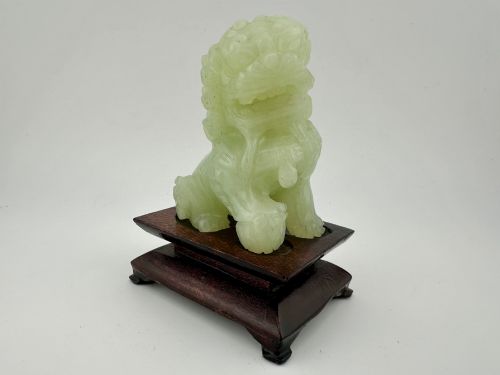
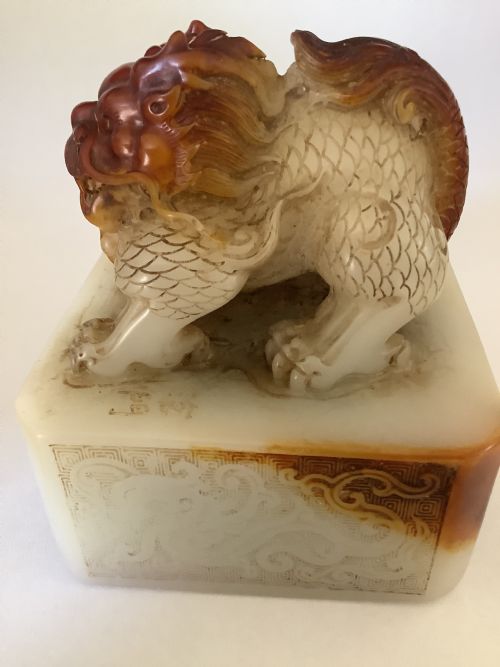
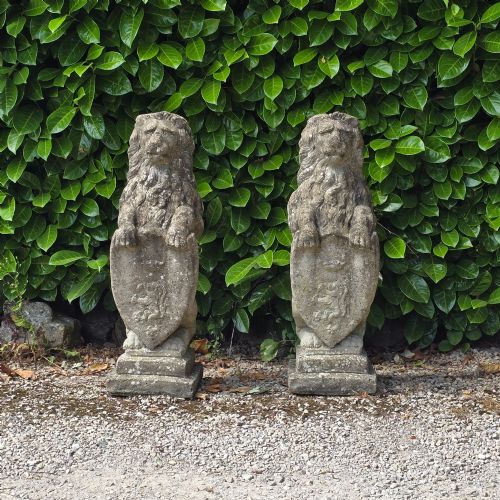
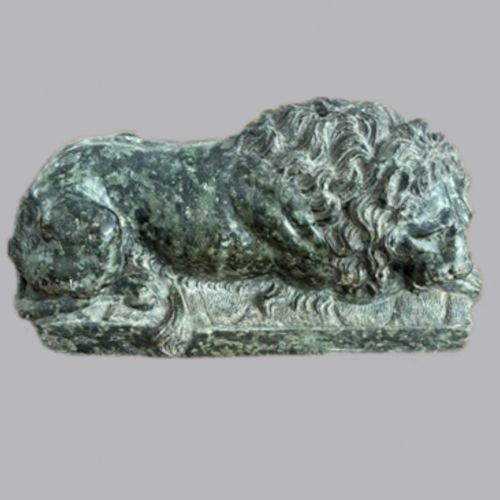
The objects on this page most commonly appear as pairs of garden stone seated lions on plinths, large nineteenth-century Italian marble lions, and traditional Chinese temple guard dogs. Desk seals and smaller sculptures in jade type materials, soapstone, and serpentine marble also represent this category.
Materials and construction
The makers of these items utilised a wide variety of natural stones, including white marble, green marble, serpentine marble, soapstone, jade type materials, hardstone, and alabaster, alongside reconstituted stone. Each material dictates the scale of the object, from massive garden statuary down to miniature desk seals.
Working by hand, artisans shaped these stubborn materials through carving and polishing. Sculptures range from weathered outdoor garden pieces designed to withstand the elements to finely detailed indoor desk accessories.
Carved Stone Lion Ornaments Retail Price Guide 2026
Typical asking prices for carved stone lion ornaments among the pieces listed under this phrase on Sellingantiques today, from the lower quarter to the upper quarter. They describe what is for sale here now, not the wider market.
The listings show periods spanning from eighteen eighty through nineteen fifty, utilising materials from simple reconstituted stone to jade.
Judging quality
Quality in these sculptures rests upon the anatomical precision and expressive power of the carving. Master carvers capture musculature, expression, and posture with convincing vitality, whereas lesser examples lose anatomical clarity.
The choice of material and the depth of detail also separate standard items from superior pieces. Fine polish on marbles or intricate detail on soapstone seals demonstrates a higher level of workshop skill.
The Carved Stone Lion Ornaments Glossary
- Foo Dog
- A traditional Chinese guardian lion depicted with stylised mane and paws. These figures often appear guarding entrances or as desk seals.
- Grand Tour
- A nineteenth-century cultural journey undertaken by wealthy Europeans, bringing back small marbles and souvenirs. These items often emulate classical Italian sculpture.
- Serpentine Marble
- A green, mottled stone resembling serpent skin used for decorative carvings. It takes a high polish and appears frequently in nineteenth-century decorative objects.
- Desk Seal
- A small carved object featuring a sculpted figure on top and an intaglio matrix at the base. They were utilised for stamping wax on correspondence.
Carved Stone Lion Ornaments: Frequently Asked Questions
Where should I place a stone lion?
Large pairs suit garden entrances, patios, or porch steps where weathered stone integrates with outdoor surroundings. Smaller soapstone or marble pieces belong indoors on desks, shelves, or mantelpieces.
Consider the weight and material before deciding on a location. Weathered garden stone handles outdoor exposure, while delicate alabaster or soapstone requires indoor placement away from moisture.
How do I identify nineteenth century pieces?
Nineteenth century examples often display specific regional styles such as Grand Tour Italian marble work or traditional Chinese carving techniques. Examination of tool marks and material ageing helps establish the period.
Compare the patina and weathering across the surface with the documented origins of the sculpture. Natural wear patterns accumulated over decades provide reliable indicators of age.
What is the difference between marble and reconstituted stone?
Marble is a natural metamorphic rock carved directly from solid blocks by artisans. Reconstituted stone is a manufactured composite material cast in moulds using aggregate and binders.
Natural stone reveals individual veining and hand-carved tool marks under close inspection. Cast pieces often show uniform texture and lack the distinct character of hand-chiseled mineral.
How do I care for marble sculptures?
Dust indoor marble regularly with a soft cloth and avoid chemical cleaning agents that damage the surface polish. Outdoor garden statues benefit from gentle washing with water to clear accumulated debris.
Protect delicate stone from freezing temperatures if kept outdoors, as trapped moisture can cause cracking. Indoor pieces require stable humidity to preserve their condition.