



Vintage Stone Decor
Vintage stone decor brings substance and history into a room through carved figures, architectural fragments, and utilitarian vessels shaped from marble, alabaster, soapstone, and limestone.
Vintage Stone Decor
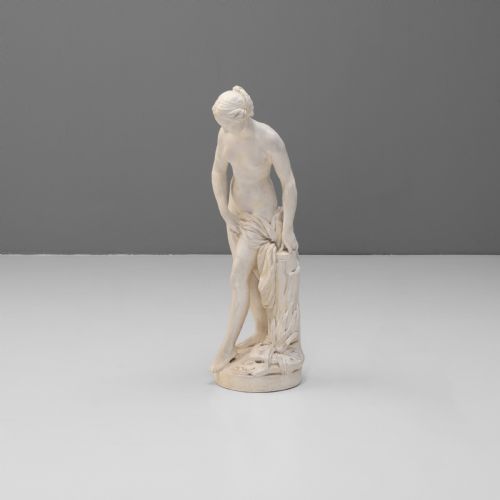
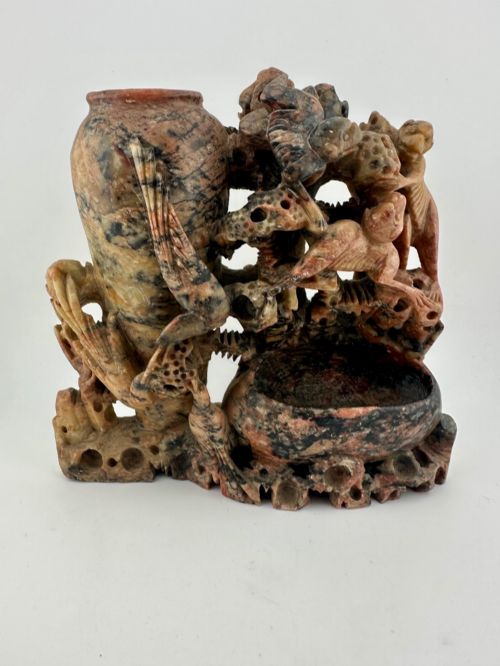
Vintage stone decor encompasses a diverse range of objects spanning from the eighteenth century through the art deco period, including sculptures, bookends, scholar's objects, and architectural salvage. These pieces reflect various aesthetic traditions, stretching from neoclassical figures and Gothic revival fragments to Qing dynasty carvings and rustic country kitchenware.
The origins of these items cross multiple continents and stylistic movements, uniting European academic sculpture and traditional Scottish sporting items with Chinese decorative carvings. Each piece uses natural mineral materials shaped by hand or early industrial techniques to serve both decorative and practical domestic roles.
Materials and construction
Makers shaped these pieces using direct hand carving and relief work on natural minerals like marble, alabaster, soapstone, and limestone, alongside composite materials and terracotta. Softer stones like alabaster and soapstone allowed for intricate detail work in items such as bookends and scholar's vases, while harder marbles suited substantial busts and figural groups.
Secondary elements involve wood mounts, copper relief work, and brass rubbings that complement the primary stone components. Architectural fragments and ecclesiastical carvings demonstrate the adaptation of building materials into sculptural artworks through skilled chiselling and smoothing.
Vintage Stone Decor Retail Price Guide 2026
Typical asking prices for vintage stone decor among the pieces listed under this phrase on Sellingantiques today, from the lower quarter to the upper quarter. They describe what is for sale here now, not the wider market.
Scottish curling stones bring the bracing chill of frozen nineteenth-century ponds directly to the hearth as heavy doorstops.
Distinctions in quality
Quality in vintage stone decor rests upon the precision of the carving, the anatomical accuracy of figural groups, and the natural figuring within the marble or alabaster. Finer sculptures demonstrate realistic drapery, facial expression, and proportion, particularly in pieces modelled after academic sculptors.
The integrity of the material and the subtlety of the surface finish distinguish superior pieces from simpler utilitarian objects. Items that retain crisp edges on architectural reliefs or balanced symmetry in paired bookends indicate a higher level of workshop execution.
The Vintage Stone Decor Glossary
- Alabaster
- A fine-grained, translucent stone often used for Victorian and art deco sculptures and bookends. Its softness permits delicate carving but makes it susceptible to surface scratching.
- Soapstone
- A talc-schist mineral known for its soft texture and greasy feel, frequently utilised in Chinese scholar's objects and vases. It accepts intricate low-relief detailing with ease.
- Neoclassical
- A style inspired by classical antiquity that emphasises proportion, restraint, and classical mythology, frequently seen in nineteenth-century marble busts and figural groups.
- Architectural Salvage
- Building elements rescued from older structures, such as carved stone fragments and ecclesiastical cherubs. These pieces preserve historical stonemasonry for interior display.
- Scholar's Object
- A decorative or functional item used by traditional Chinese scholars, including carved soapstone brush washers and vases. They combine refined craftsmanship with symbolic motifs.
Vintage Stone Decor: Frequently Asked Questions
What is vintage stone decor?
Vintage stone decor covers carved sculptures, architectural fragments, bookends, and vessels made from materials like marble, alabaster, and limestone.
These items date from the eighteenth century to the art deco period and reflect styles ranging from neoclassical to Qing dynasty carving.
How do I care for alabaster decor?
Alabaster is a relatively soft and porous stone that requires gentle dusting with a dry microfibre cloth.
Avoid using water, chemical cleaners, or placing the object in direct sunlight or areas of high humidity.
How are soapstone and marble different?
Soapstone is a soft, talc-based mineral with a smooth texture that was traditionally used for detailed oriental carvings and scholar's objects.
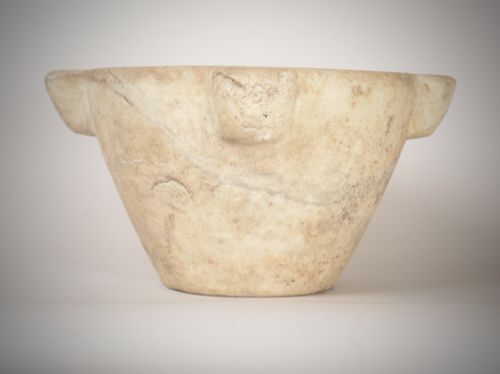
Marble is a much harder metamorphic rock capable of taking a high polish, suited for large busts, mortars, and structural figures.
How do I date stone sculptures?
Dating relies on stylistic markers such as neoclassical drapery, art deco geometry, or nineteenth-century romanticism, alongside tool marks left by the maker.
Material choices and historical provenance further help place an object within a specific century or design movement.