

Vintage Stick Stand Drip Tray
A vintage stick stand drip tray forms the practical centrepiece of any hallway, holding wet umbrellas and walking canes safely off the floor.
Vintage Stick Stand Drip Tray
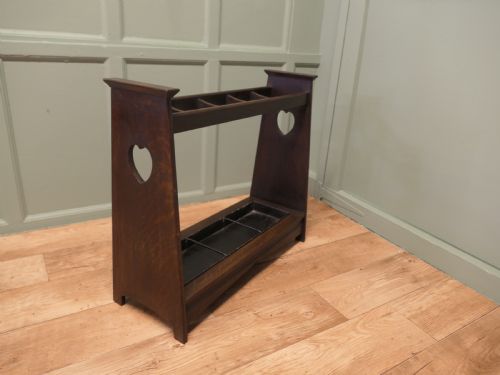
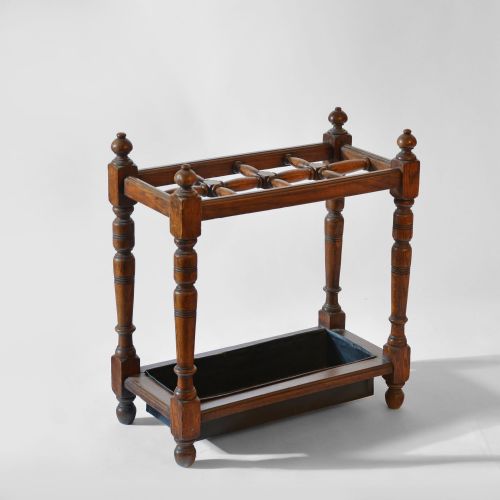
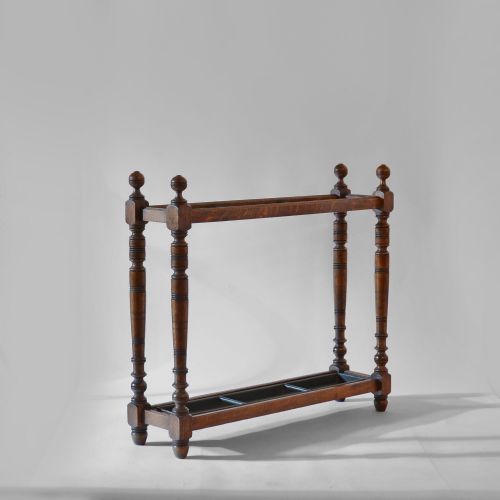
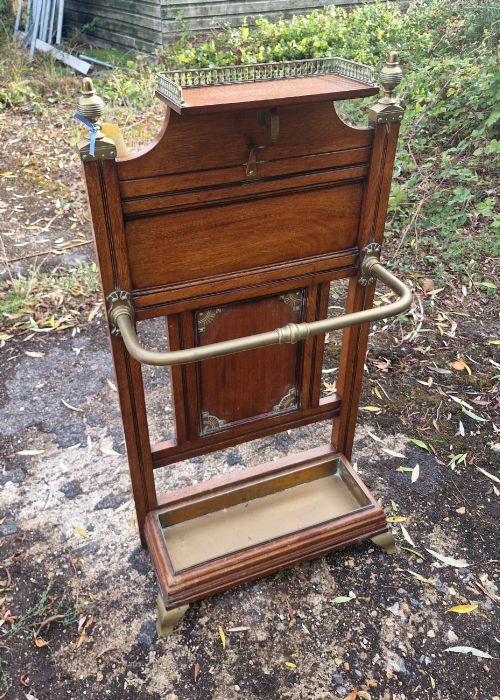
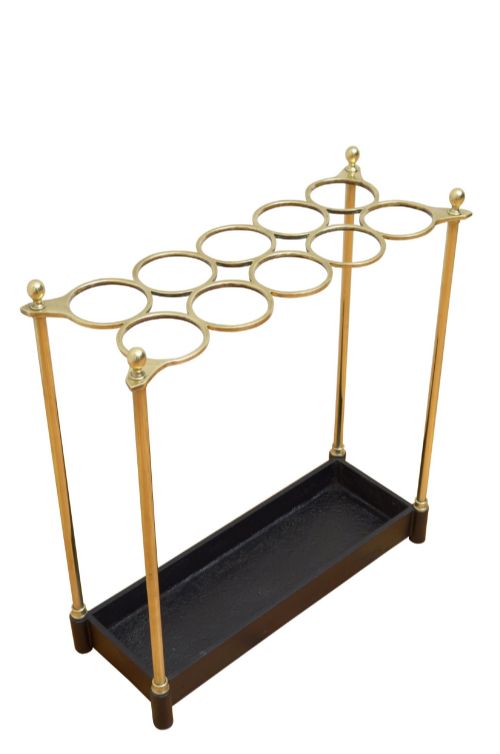
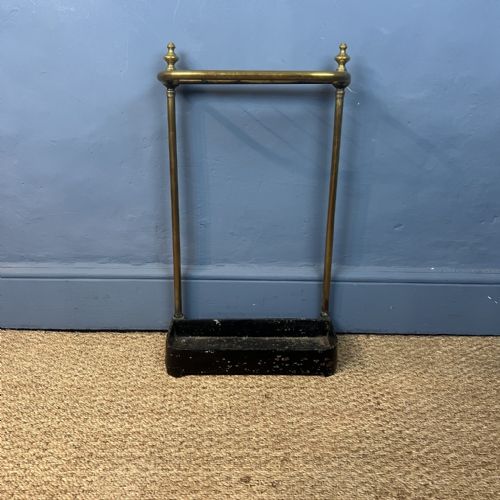
A vintage stick stand drip tray is an essential hallway accessory designed to collect rainwater from wet umbrellas and walking canes. These pieces appear frequently in forms such as umbrella stands, stick stands, and combined hall stands originating from the nineteenth and twentieth centuries.
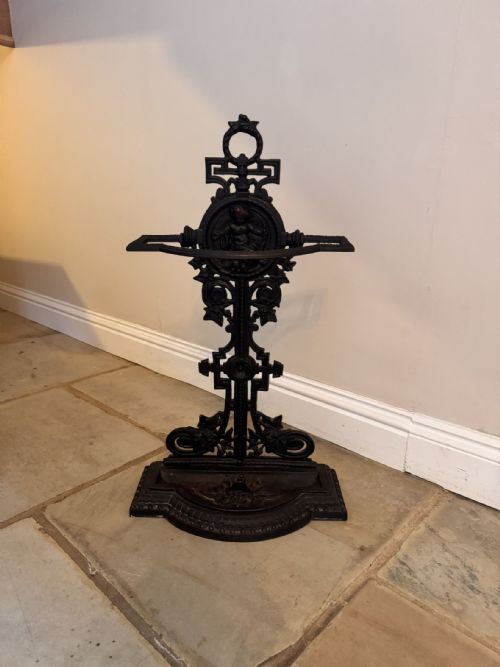
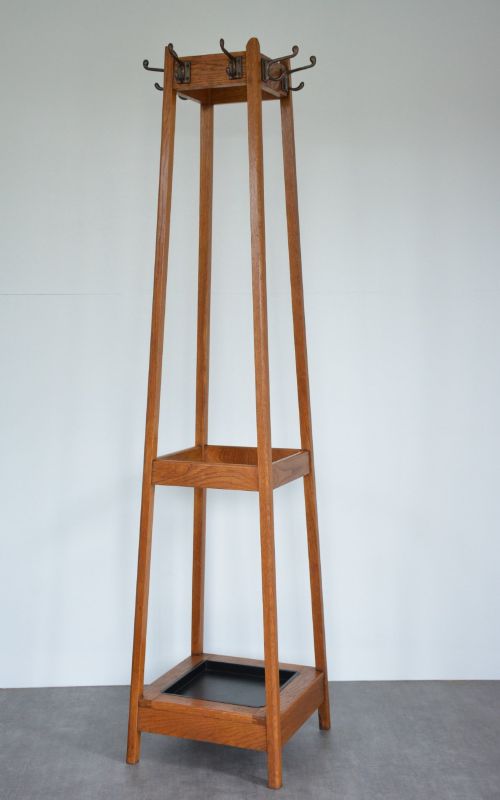
Buyers searching for this item will encounter various configurations designed for domestic entryways. Common iterations integrate the water-catching tray directly into the base of cast iron, brass, or wooden frames.
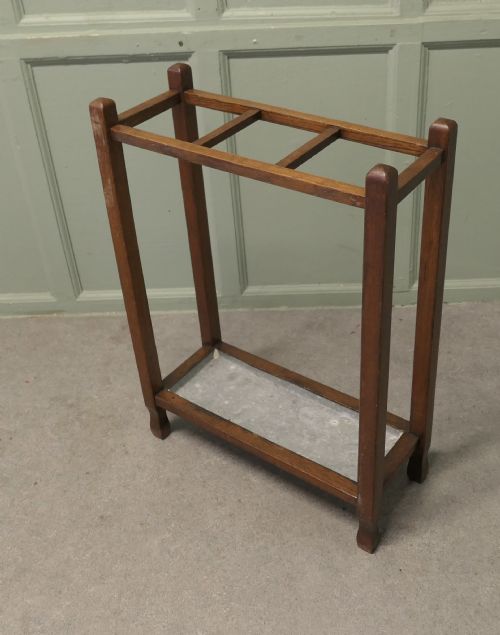
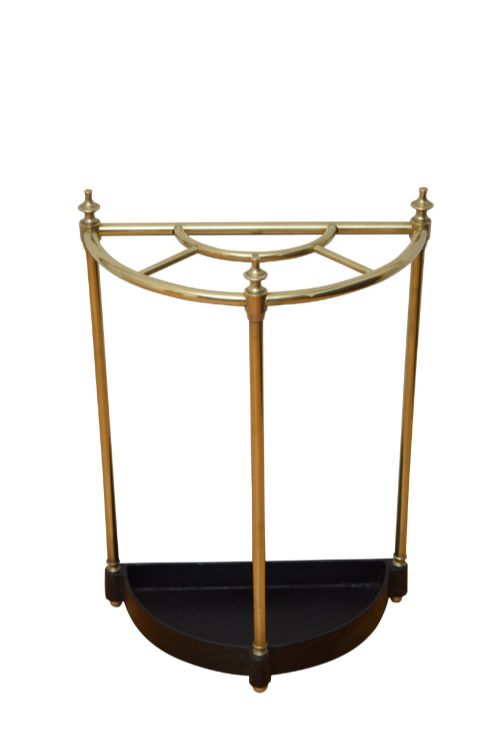
The selection ranges from compact corner designs to large country house models. Many examples incorporate specific tray styles, including demi lune shapes and dog tooth variations, paired with materials like oak, mahogany, and pine.
Materials and construction methods
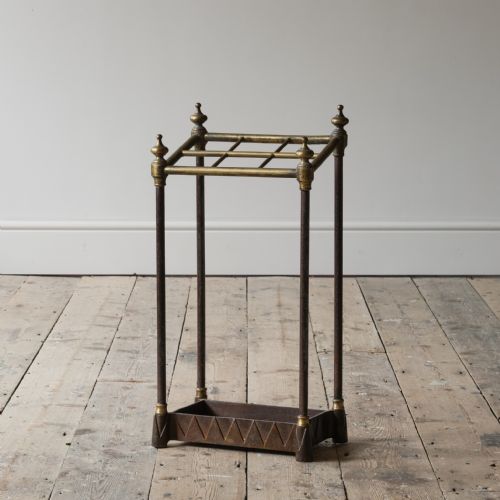
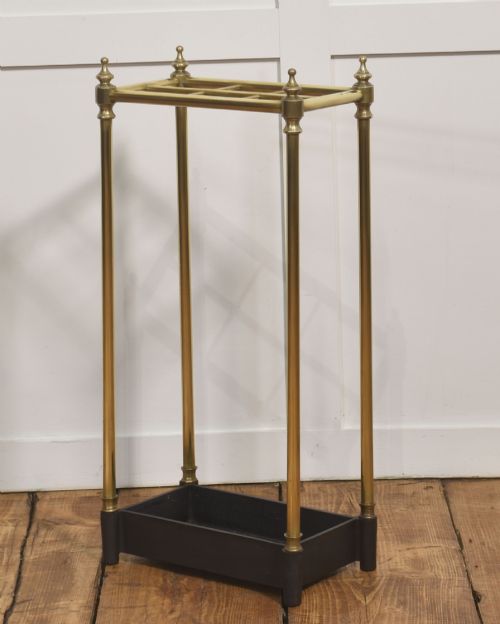
These items rely on a combination of durable metals and sturdy timbers. Cast iron and brass provide robust frames and decorative finials, while zinc often forms the removable base receptacles.
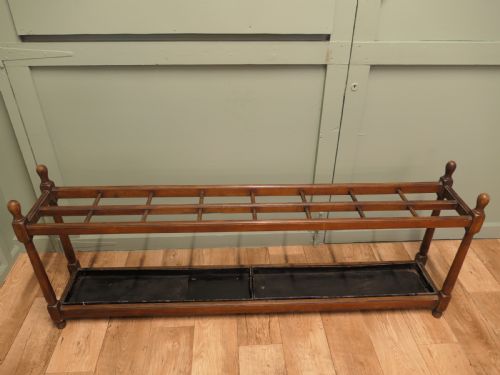
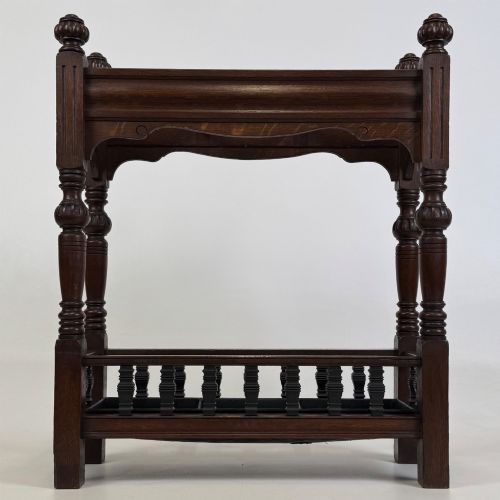
Cabinetmakers utilised oak, pitch pine, and mahogany for wooden frames and hall seats. Carpenters often integrated metal liners and drip trays to protect the surrounding timber from moisture damage.
Construction techniques span foundry casting for metal components and traditional joinery for wooden structures. Bentwood methods also appear in specific twentieth-century designs.
Many a Victorian household relied on a dog tooth tray to keep damp walking sticks from sliding about.
Factors that distinguish quality
Quality in these items rests on the integrity of the original components, particularly whether the metal drip tray remains intact and matches the frame. Replacements alter the authenticity of the piece.
The refinement of the casting in iron and brass separates standard production items from finer examples. Crisp detailing on decorative finials and sturdy gauge metal indicate superior manufacturing standards.
Material selection and joinery execution define the wooden variants. Golden oak, carved details, and well-preserved finishes distinguish the better hall stands and stick holders.
Coalbrookdale·Thonet·Heals of London·Liberty
The Vintage Stick Stand Drip Tray Glossary
- Demi lune
- A half-moon shape common in the design of brass umbrella stands intended to sit flush against a hallway wall.
- Cast iron
- A strong alloy poured into moulds to create heavy, decorative frames that resist tipping.
- Bentwood
- Wood softened by steam and bent into curved shapes, utilised in distinctive twentieth-century stands.
- Finial
- A decorative ornament fixed to the top corners or posts of metal and wooden stands.
- Hall stand
- A larger piece of entrance furniture combining a mirror, coat hooks, a seat, and a stick stand with a drip tray.
Vintage Stick Stand Drip Tray: Frequently Asked Questions
How do I clean a brass drip tray?
Wash the metal gently with warm soapy water and a soft cloth to remove accumulated dirt and dust. Avoid harsh abrasives that might strip the aged surface or remove historic patina.
Dry the tray thoroughly before returning it to the stand to prevent water marks or corrosion. Preserving the natural tone is generally preferred over aggressive polishing.
Where should I place my stick stand?
Position the stand near the primary entrance of your home to catch wet umbrellas and walking sticks as guests arrive. Hallways and porches provide the most logical placement for daily convenience.
Ensure the floor beneath or around the stand is protected if the tray is missing or porous. Placing it on hard flooring rather than deep pile carpet helps manage any runoff.
Are these stands suitable for daily use?
Most cast iron and heavy oak stands remain sturdy enough for regular household use. Their original purpose was practical, meaning they were built to withstand wet weather and heavy canes.
Check that the internal tray is watertight before placing wet items inside. Lighter brass or bentwood models benefit from careful handling to preserve their delicate structures.
How can I tell the period of a stand?
Examine the materials, fasteners, and stylistic motifs to determine the era of manufacture. Victorian and Edwardian examples often feature heavy cast iron or detailed brass work.
Arts and Crafts pieces display simpler oak construction with an emphasis on craftsmanship. Later twentieth-century items often incorporate industrial metalwork or simplified art deco lines.