


Vintage Stick and Umbrella Stand
A vintage stick and umbrella stand keeps hallways orderly while bringing heavy cast iron, warm oak, and gleaming brass into daily domestic life.
Vintage Stick and Umbrella Stand
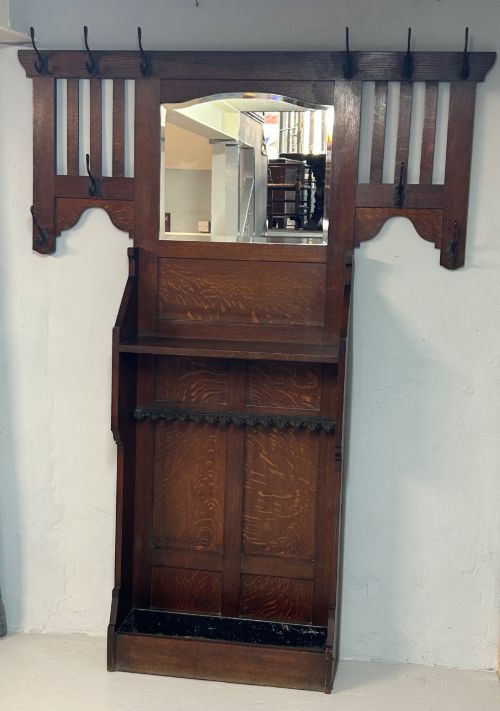
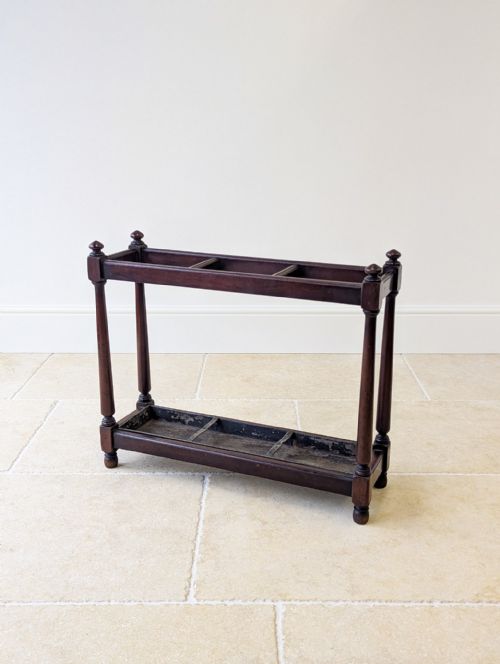
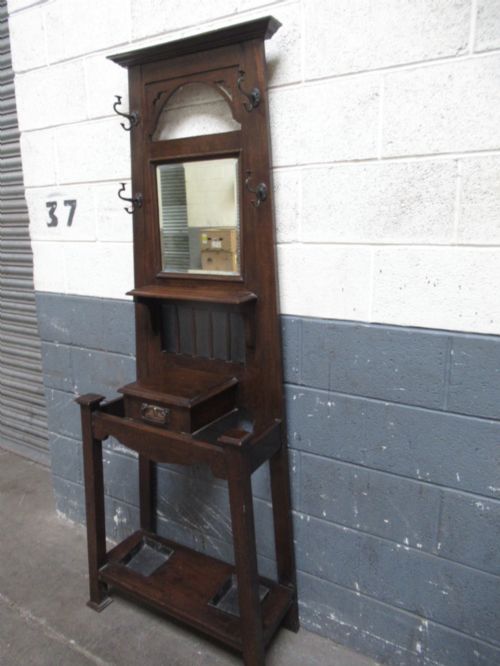
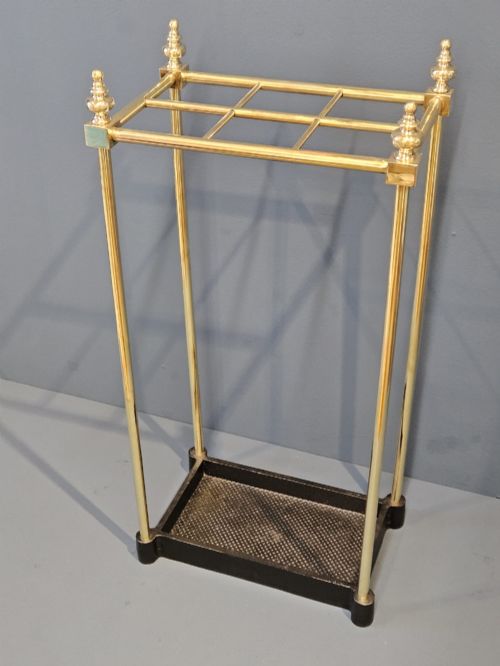
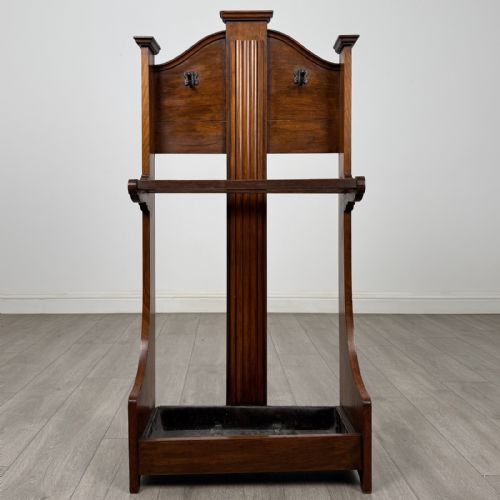
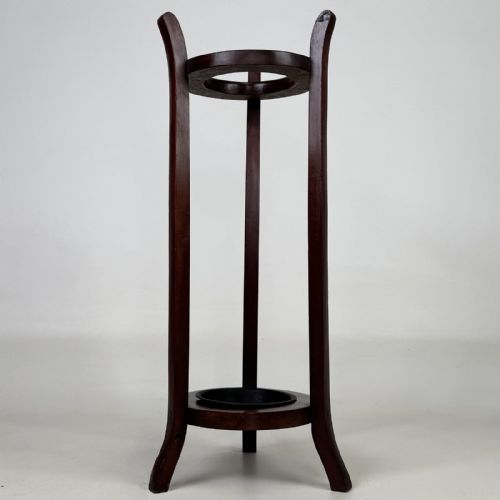
A vintage stick and umbrella stand is primarily designed to hold walking sticks, canes, and wet umbrellas in domestic entrance halls or public spaces. These hall furnishings appear in various forms, from dedicated stick loops and barrel shapes to combined hall stands incorporating coat hooks and mirrors.
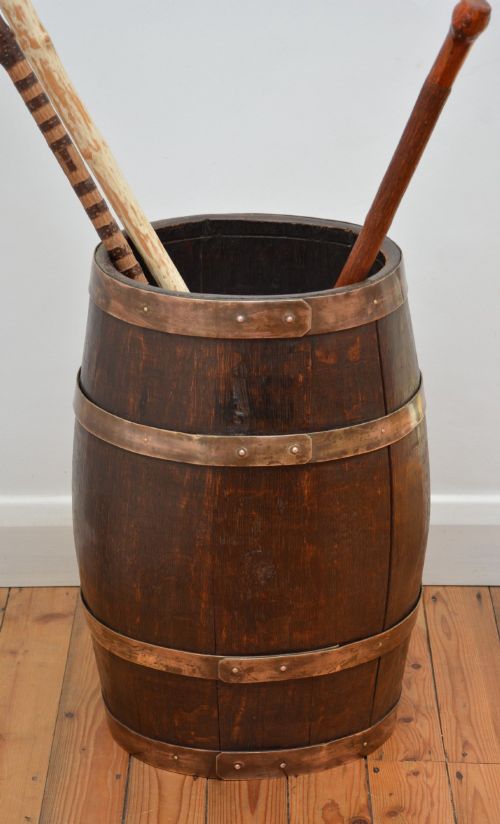
The selections available span periods from the nineteenth century through the Edwardian era and into mid-century modern designs. Buyers frequently encounter sturdy cast iron frames, coopered timber barrels bound in brass, and substantial oak hall stands.
Origins range from utilitarian shop displays and hotel furniture to refined domestic pieces intended for polite reception halls. Each object reflects the changing demands of hallway storage across different design movements.
Materials and construction methods
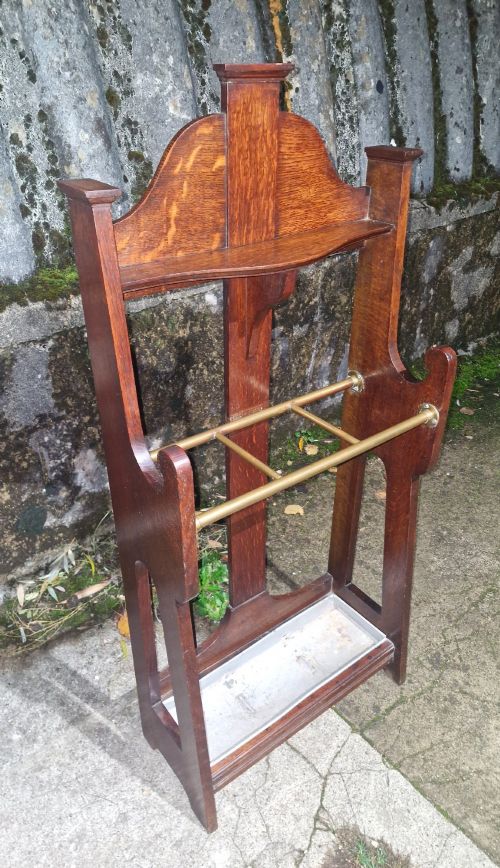
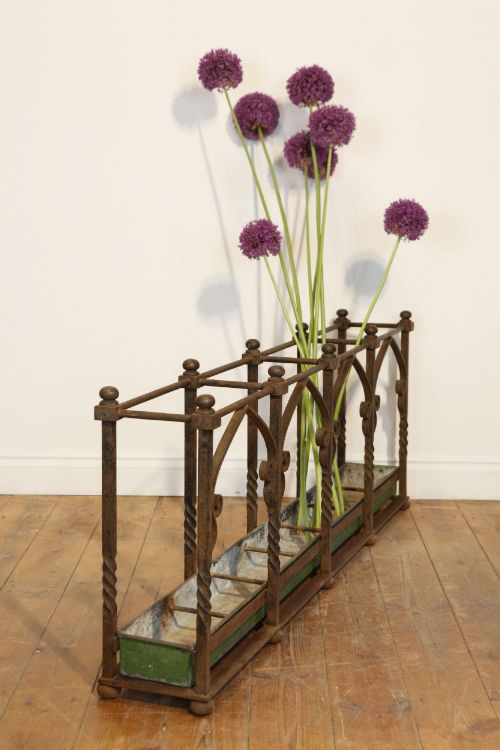
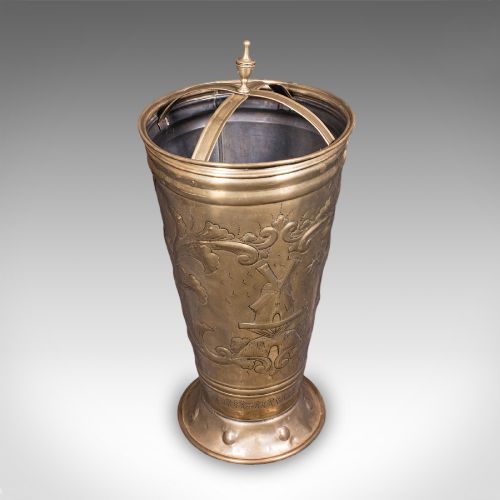
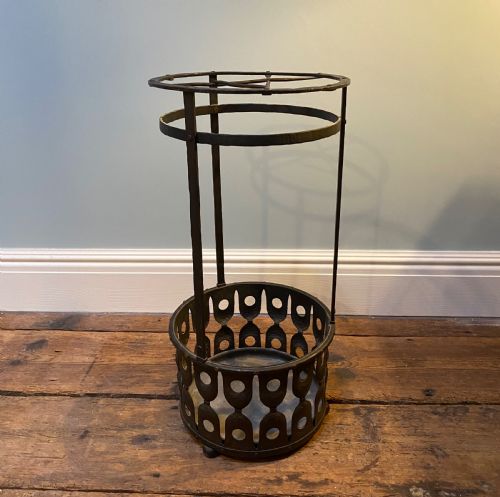
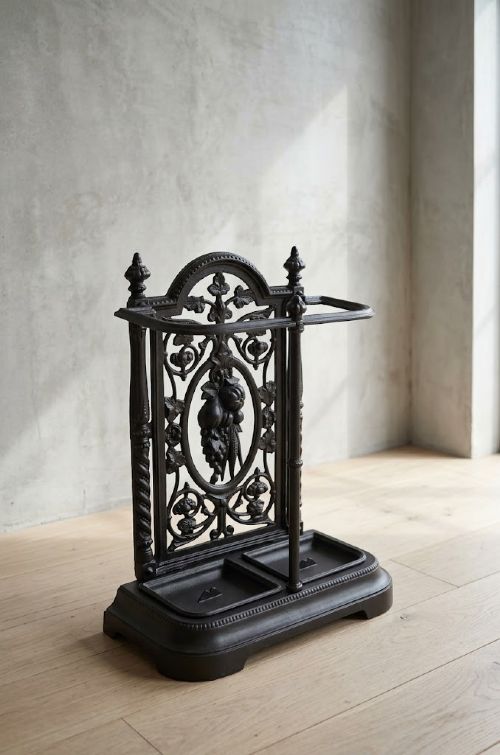
Foundry work dominates the heavy metal examples, utilising cast iron to create rigid frames, decorative stick loops, and integrated drip trays. Brass components appear both as structural framing and as decorative elements, including ball finials and binding hoops.
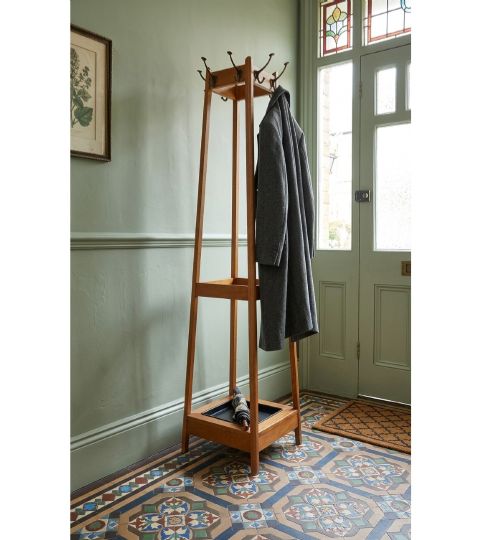
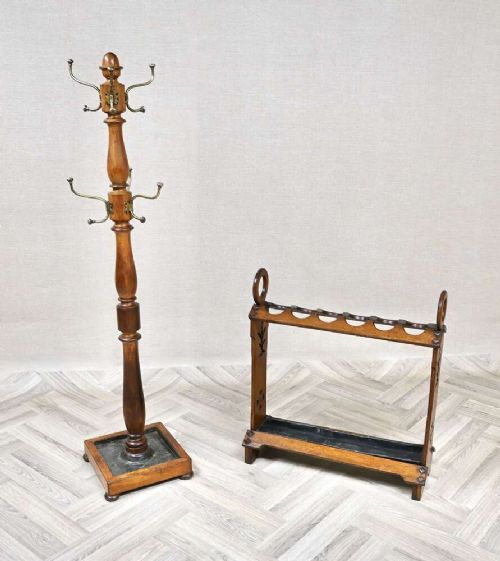
Carpenters utilised solid oak, walnut, and mahogany for wooden stick stands and larger hall trees. Coopered construction joins individual staves of timber with metal bands to form cylindrical barrel bodies designed to withstand daily moisture.
Vintage Stick and Umbrella Stand Retail Price Guide 2026
Typical asking prices for vintage stick and umbrella stand among the pieces listed under this phrase on Sellingantiques today, from the lower quarter to the upper quarter. They describe what is for sale here now, not the wider market.
Several stands include hunting scene motifs, ensuring your muddy umbrella rests alongside mildly intimidating sporting imagery.
Judging quality and design execution
Quality rests upon the weight and precision of the casting in metal examples, alongside the integrity of the joinery in timber pieces. Superior items display crisp surface ornamentation and robust structural stability capable of supporting heavy walking sticks and dripping umbrellas.
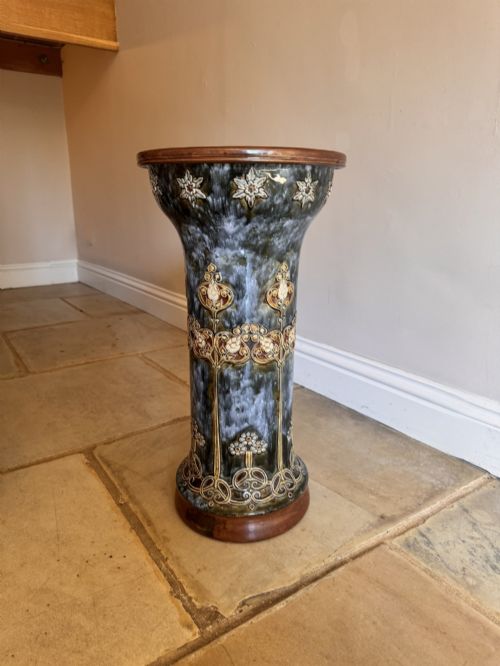
Material combination and maker attribution elevate certain works, particularly pieces associated with known potteries or aesthetic movement designs. The presence of original drip trays and uncompromised brass fittings distinguishes better surviving examples.
Coalbrookdale·Burmantofts Faience·Liberty Design
The Vintage Stick and Umbrella Stand Glossary
- Cast iron
- An iron-carbon alloy poured into moulds to create rigid, highly decorative frames. This material provides the necessary weight for stability in hallway stands.
- Coopered
- Constructed from wooden staves bound together with metal hoops, much like a traditional barrel. This technique prevents wood from splitting when exposed to wet umbrellas.
- Demi-lune
- A half-moon shape used for stands designed to sit flush against a hallway wall. This profile saves floor space in narrow entrance passages.
- Hall stand
- A large piece of furniture combining coat hooks, a hat rack, a mirror, and an umbrella holder. These multifunctional items dominated Victorian and Edwardian reception spaces.
- Stick loop
- A metal or wooden divider forming individual apertures for walking sticks and umbrellas. This feature keeps items upright and separated.
Vintage Stick and Umbrella Stand: Frequently Asked Questions
Where should I place a stick stand?
These stands belong in entrance halls, mudrooms, or reception areas where wet weather gear and walking sticks accumulate near the door.
Ensure the floor surface tolerates moisture, as older stands frequently utilise open metal drip trays rather than sealed waterproof basins.
How do I protect wooden stands from water damage?
Check that the interior metal or ceramic liner remains intact to catch runoff from wet umbrella tips.
Empty accumulated water promptly and apply appropriate furniture wax to timber surfaces to maintain the protective finish.
Are cast iron stands too heavy for modern floors?
Cast iron provides essential ballast to prevent tipping when heavy walking sticks lean against the frame.
While substantial in weight, the downward pressure distributes evenly across the base without damaging standard hallway flooring.
How do I distinguish Victorian from Edwardian stands?
Victorian examples tend to feature heavier, ornate cast ironwork and dark mahogany or walnut timber.
Edwardian and later pieces often introduce lighter golden oak frames, simpler geometric lines, and influences from the Arts and Crafts movement.