


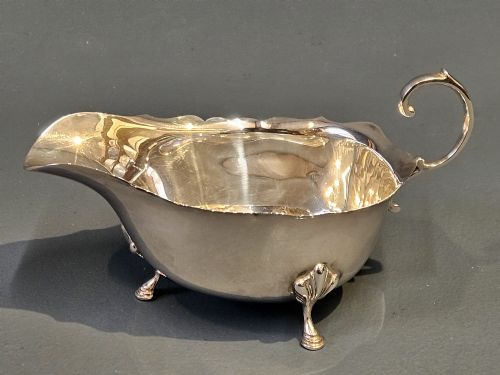

Vintage Sterling Silver Jug
These vintage sterling silver jugs combine solid metal mounts with clear glass and crystal bodies, offering a practical way to serve cream, water, or spirits at the table.
Vintage Sterling Silver Jug
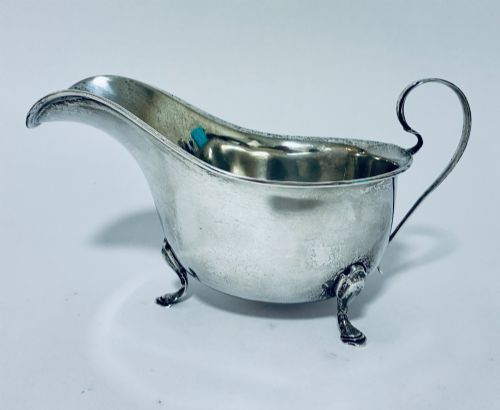
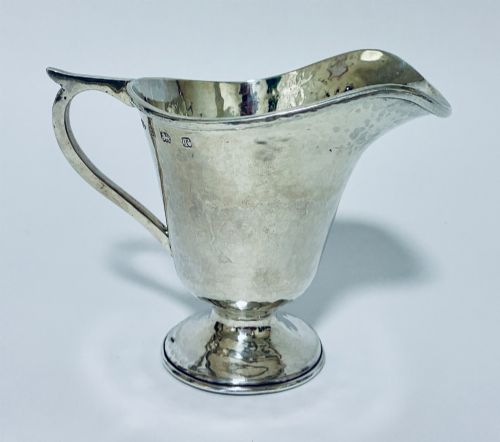
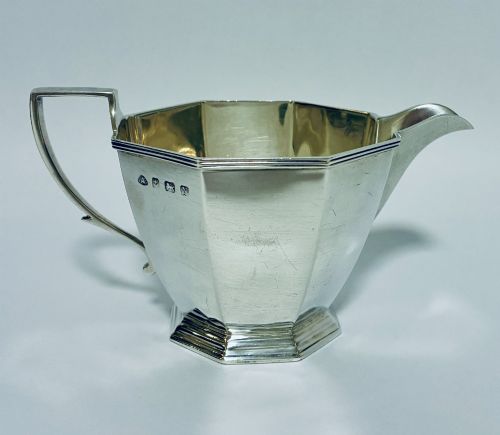
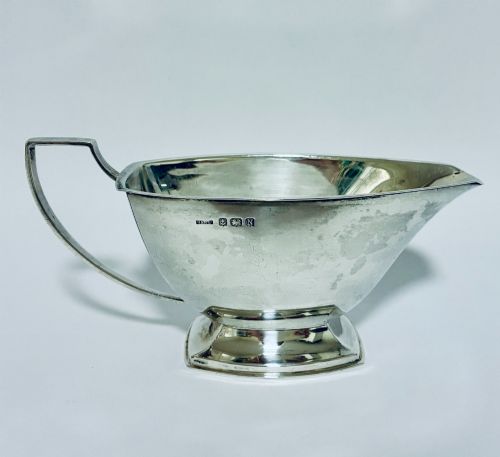
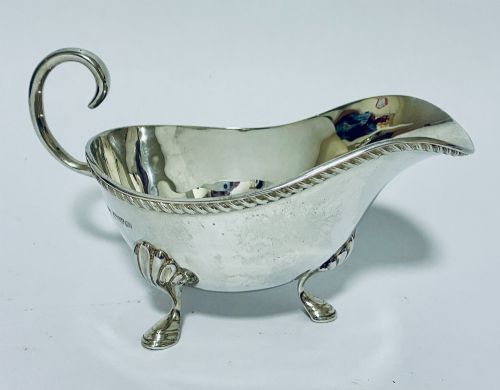
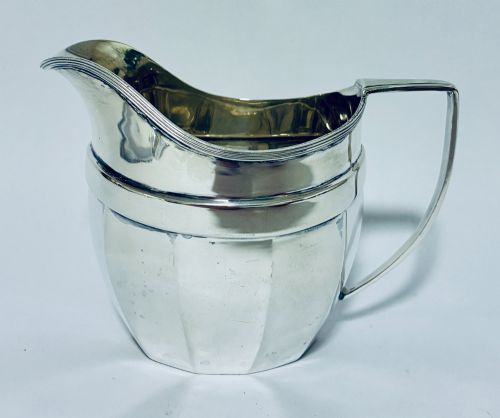
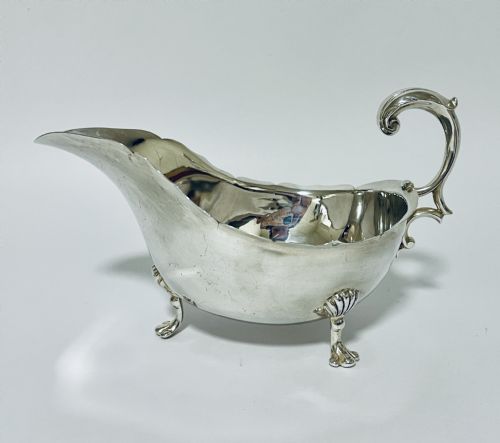
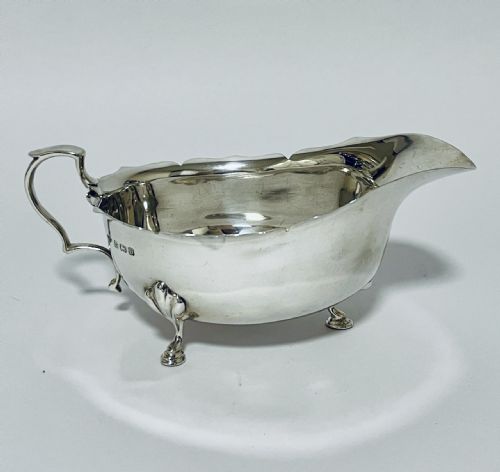
When you search for a vintage sterling silver jug, you encounter a diverse array of functional vessels spanning several decades and styles. The selection ranges from compact creamers and sauce boats to substantial water jugs and whisky noggins.
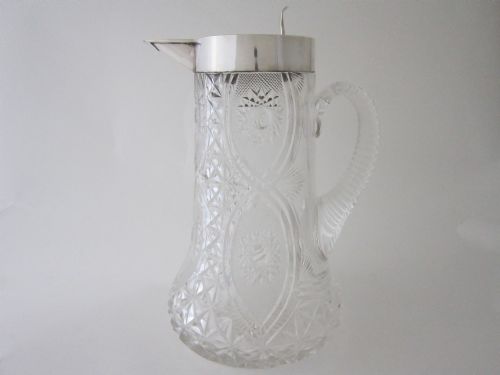
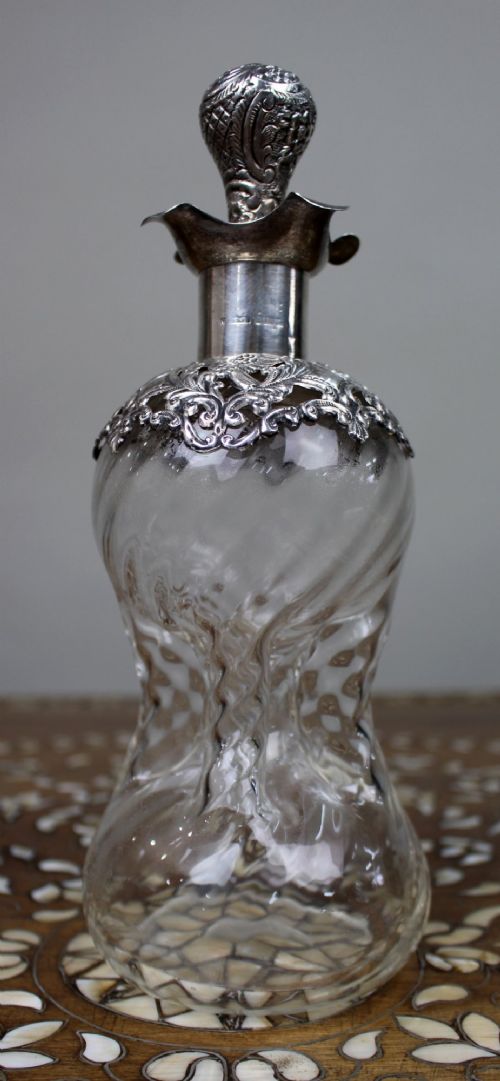
The pieces appearing on this page originate predominantly from the Victorian, Edwardian, and Art Deco periods, alongside Georgian revivals. Cream jugs and sauce boats dominate the smaller forms, while glass bodies mounted in silver provide the structure for decanters and claret jugs.
How they were made
Silversmiths constructed these vessels using sterling silver alongside cut glass, crystal, and clear glass bodies. Many items pair heavy silver mounts, handles, or collars with blown and cut glass bases.
Techniques such as casting and hammering shaped the metal components, while hallmarks stamped into the silver recorded the assay office, year of production, and standard of metal.
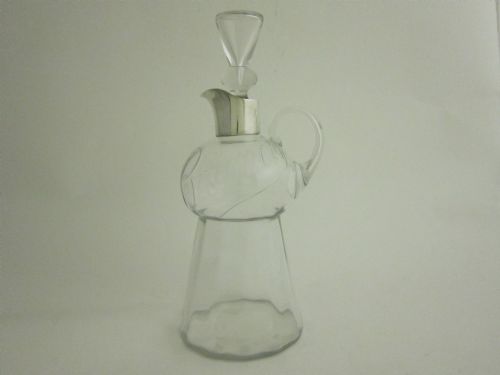
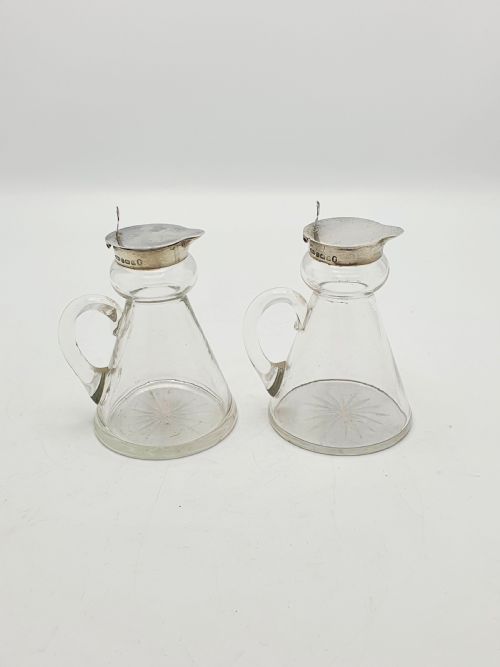
Whisky noggins come with tiny hinged lids designed to keep the dram safe from dust while waiting by the armchair.
What varies in quality
The weight of the silver component largely dictates the tactile substance of the piece, separating heavier, solid constructions from lighter counterparts. Crispness in the chasing, casting, and handling distinguishes superior maker output from standard commercial production.
The clarity and depth of cutting on glass and crystal bodies, combined with the precision of the silver mount fit, separate standard tableware from exceptional examples.
George Unite·Robert Pringle and Sons·Hukin and Heath·Tiffany·Harrison Brothers and Howson
The Vintage Sterling Silver Jug Glossary
- Sterling silver
- An alloy containing 92.5 percent silver by mass, with the remainder consisting of other metals like copper. This standard composition provides the durability required for functional tableware.
- Sauce boat
- An open vessel with a lip and handle, designed for serving gravies or sauces at the dining table. They frequently stand upon three short feet or an attached oval base.
- Whisky noggin
- A small vessel used for serving spirits, typically featuring a clear glass or crystal body with a silver rim and hinged lid. They often accompany a small pouring handle.
- Claret jug
- A large pouring vessel designed specifically for wine, combining a tall glass or crystal body with an elaborate silver handle, collar, and hinged lid.
- Hallmark
- A series of official marks stamped onto precious metal items in the United Kingdom. These symbols indicate the maker, the assay office, and the exact year the piece was tested and approved.
Vintage Sterling Silver Jug: Frequently Asked Questions
What is a whisky noggin?
A whisky noggin is a small, single-serving decanter featuring a glass body and a silver mount with a handle and spout. These pieces were designed for individual measure at the table or desk.
They appear frequently alongside silver-topped or plain glass constructions, often dating from the Edwardian era and the nineteen-twenties.
How do I date a silver jug?
You date a silver jug by locating the hallmarks stamped directly into the metal mount. These official marks include a date letter corresponding to a specific year and assay office.
Additional dating clues come from the overall style, ranging from Victorian ornamentation to clean geometric Art Deco lines.
Are glass and silver jugs fragile?
The glass and crystal bodies require careful handling during washing and storage, while the solid silver mounts are robust. Most pieces tolerate normal domestic use provided they avoid thermal shock.
Hand washing remains essential to preserve the clarity of the cut glass and the integrity of the silver surfaces.
What is the difference between a milk jug and a cream jug?
Milk jugs generally offer a slightly larger capacity for tea service, whereas cream jugs are built smaller for richer dairy. Both forms feature a pouring lip and a single handle.
Silversmiths produced them across the Victorian, Edwardian, and George V periods in matching tea service configurations or as standalone items.