






Vintage Sterling Silver Jar
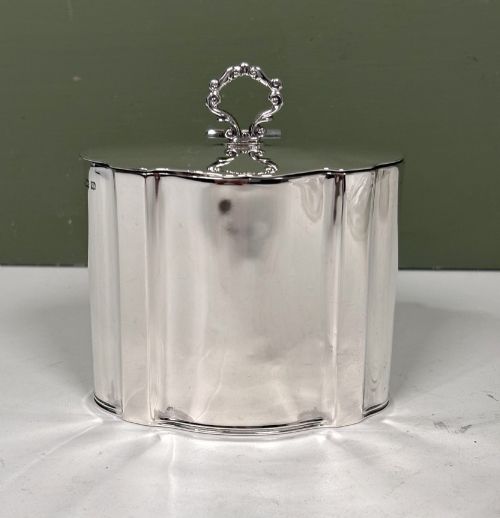
When you search for a vintage sterling silver jar, you encounter vanity vessels, tea caddies, and scent bottles that bring tactile luxury to daily routines.
Vintage Sterling Silver Jar
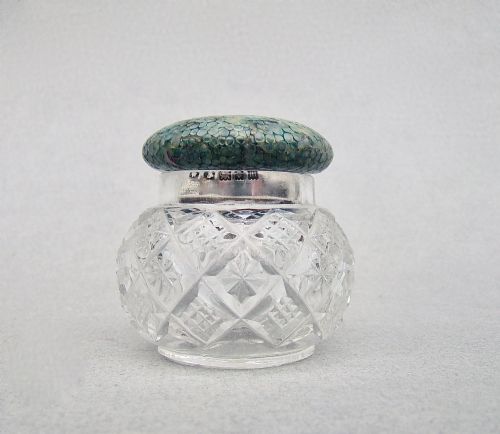
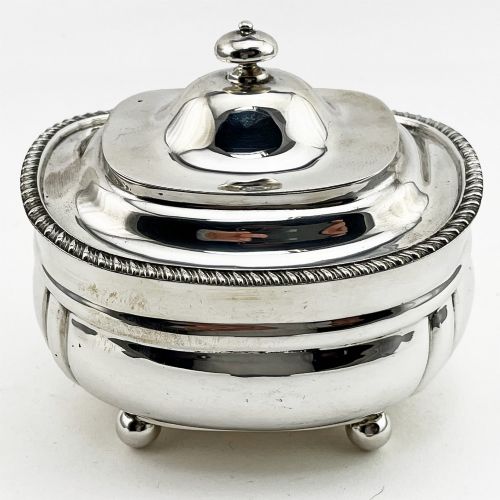
The selections on this page range from early twentieth-century Georgian Revival mustard pots to geometric Art Deco guilloche enamel dressing table pieces. Makers such as Henry Clifford Davis and the Goldsmith's and Silversmith's Co. produced these objects to combine utility with decorative refinement. Buyers often select them to introduce period character into modern interiors while retaining their original storage function.
Materials and technique
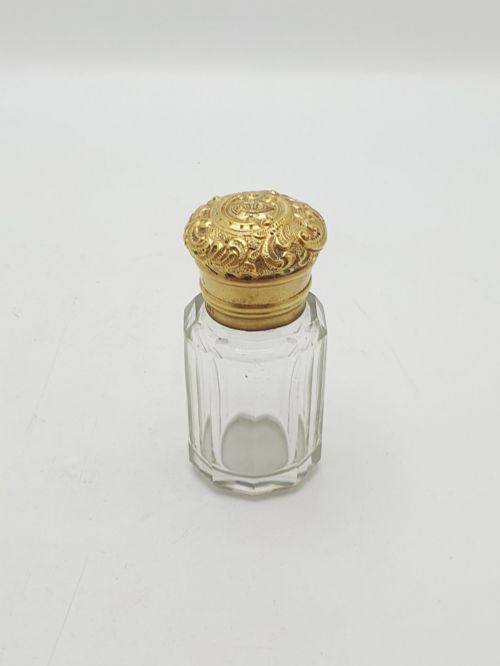
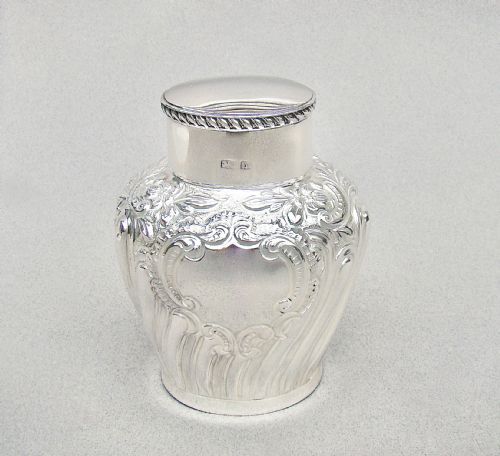
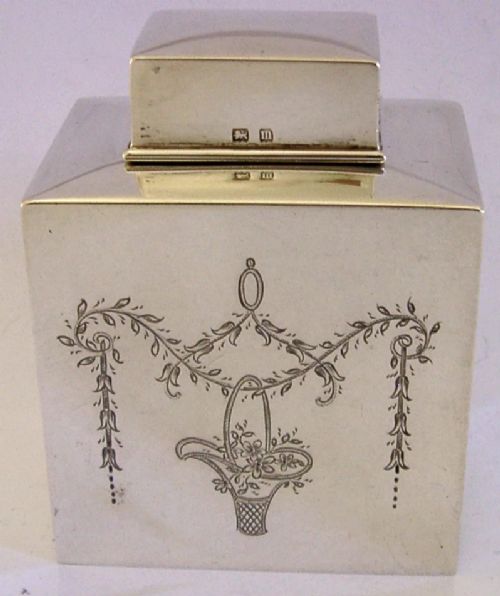
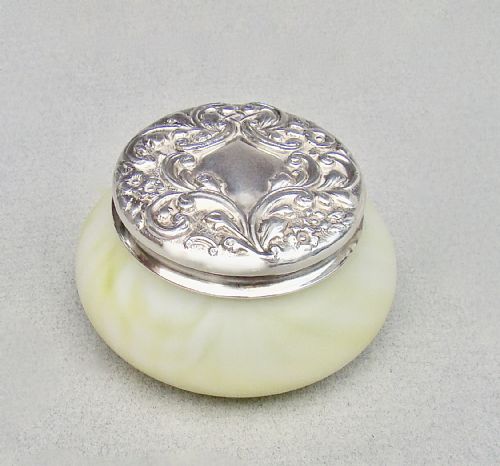
Makers combined sterling silver with cut glass, cut crystal, and coloured glass bodies such as cranberry and amethyst overlays. Silver mounts and lids were typically shaped through stamping, spinning, or casting before receiving hand-engraved or chased decoration. Assay offices in Birmingham, London, and Sheffield applied hallmarks directly onto the metal to certify its standard.
Art Deco variants frequently incorporate guilloche enamel, applying translucent coloured enamels over engine-turned metal bases to create geometric patterns. Satin glass and oak elements also appear in specific humidors and trinket boxes, demonstrating diverse mounting techniques utilised by silversmiths to secure glass interiors within metal collars.
Vintage Sterling Silver Jar Retail Price Guide 2026
Typical asking prices for vintage sterling silver jar among the pieces listed under this phrase on Sellingantiques today, from the lower quarter to the upper quarter. They describe what is for sale here now, not the wider market.
A solitary silver-lidded glue pot proves that even nineteenth-century adhesives required considerable elegance on the desk.
Distinctions in quality
Quality rests in the crispness of the hallmarks, the weight of the sterling silver mounts, and the depth of the hand-cut facets on the glass bodies. Thicker silver gauges resist denting and maintain structural integrity around the collars where lids seal against glass or crystal.
The precision of the guilloche enamel work and the clarity of coloured glass layers distinguish standard production items from finer studio commissions. Superior examples display unblemished enamel surfaces and tight, well-fitted lids that close flush against their silver collars.
Henry Clifford Davis·A. Bromet & Co·Thomas Hayes·Barnsley & Co·Adie Brothers Ltd·Goldsmith's and Silversmith's Co.·Asprey
The Vintage Sterling Silver Jar Glossary
- Sterling silver
- A silver alloy containing 92.5 percent pure silver and 7.5 percent other metals, usually copper, chosen for durability in domestic objects.
- Guilloche enamel
- A decorative technique where a geometric pattern is mechanically engraved beneath a translucent layer of enamel colour.
- Hallmark
- An official stamp applied by an assay office indicating metal fineness, the place of manufacture, and the date letter.
- Cut crystal
- Glass containing lead oxide, cut with deep facets to refract light and enhance the brilliance of vanity jars and scent bottles.
- Caddy
- A small container originally designed for storing tea leaves, often fitted with a secure silver lid and a weighted base.
Vintage Sterling Silver Jar: Frequently Asked Questions
What were sterling silver jars used for originally?
These vessels held cosmetics, salts, perfumes, tea leaves, and condiments on dressing tables and dining sideboards. Their airtight or fitted lids protected delicate contents from moisture and loss of fragrance.
Over time, they evolved from utilitarian containers into decorative dressing table accessories that displayed wealth and personal taste in Edwardian and Art Deco homes.
How can I identify the date of a silver jar?
You look for the hallmark stamped onto the silver mount or lid, which includes a specific date letter corresponding to the assay year and office.
Additional clues come from the overarching style, such as geometric enamel patterns pointing to the Art Deco period or heavy cut glass indicating Victorian manufacture.
Can I safely use these jars for modern storage?
Many buyers continue to use them for storing small jewellery, cotton wool, or dry goods, provided the glass interiors remain clean and intact.
Care should be taken with antique enamel or delicate cut crystal to avoid harsh chemical cleaners and abrasive scrubbing during routine maintenance.
What is the difference between cut glass and cut crystal?
Crystal contains lead oxide which increases its density, weight, and light refraction compared to standard soda-lime glass.
This higher lead content allowed makers to cut deeper, sharper facets into perfume bottles and vanity jars, creating a brighter sparkle.