

Vintage Sterling Photo Frame
A vintage sterling photo frame brings the weight of solid silver and period design to a desk or mantelpiece.
Vintage Sterling Photo Frame
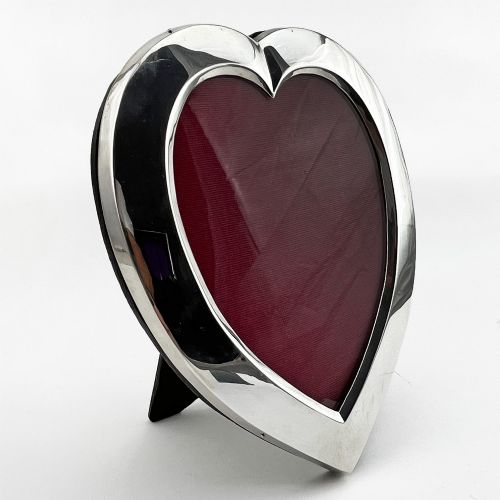
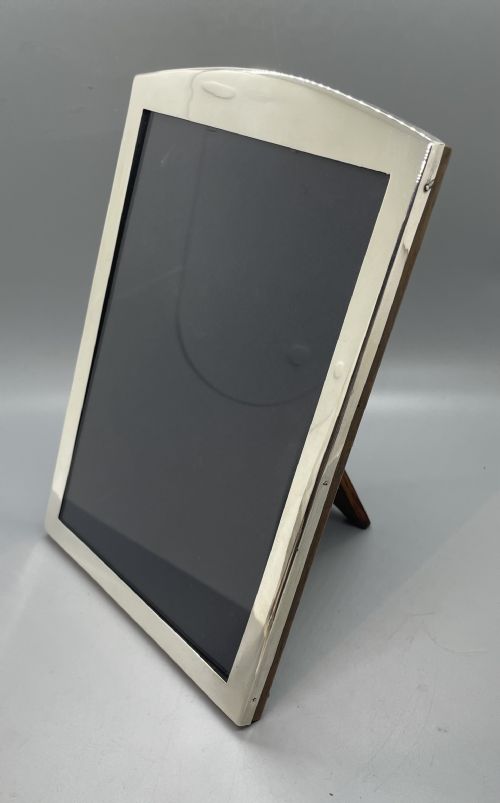
A vintage sterling photo frame holds a portrait or landscape photograph behind glass, supported by a wooden back and a folding strut. When you search for a vintage sterling photo frame, you meet pieces originating mainly from the late Victorian, Edwardian, and George V periods, alongside later twentieth-century examples.
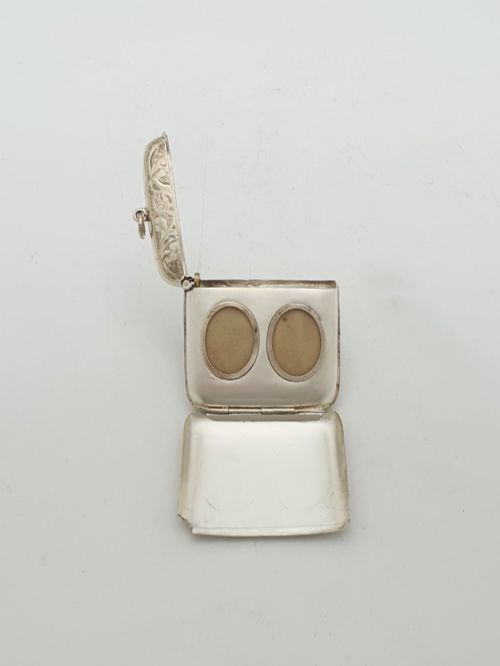
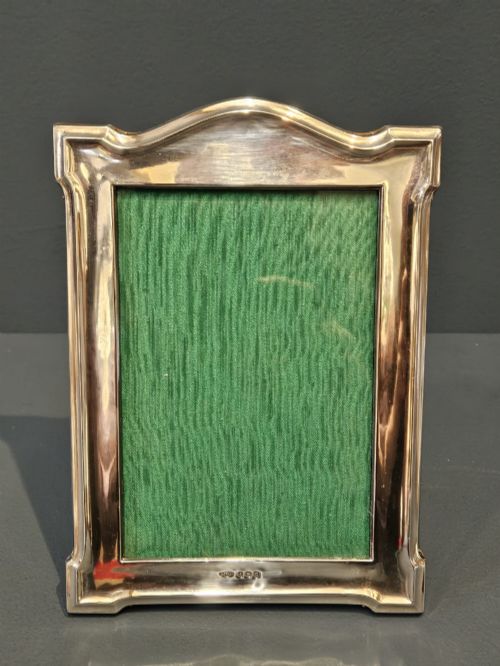
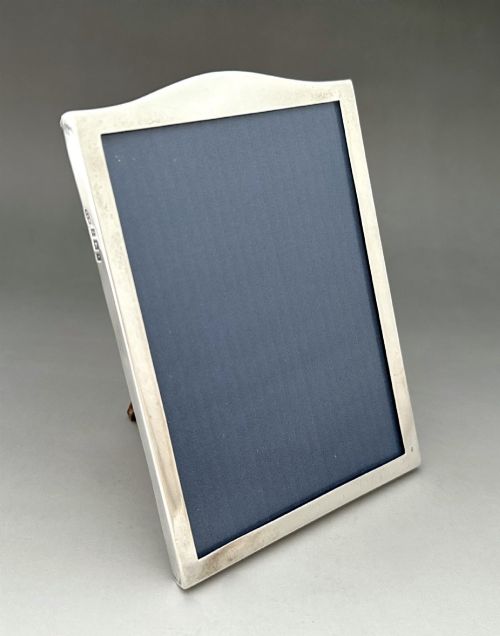
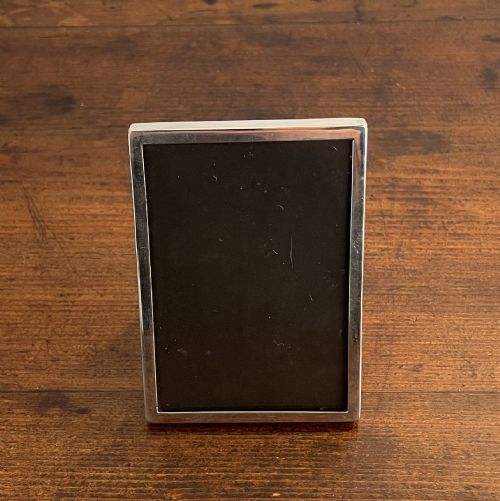
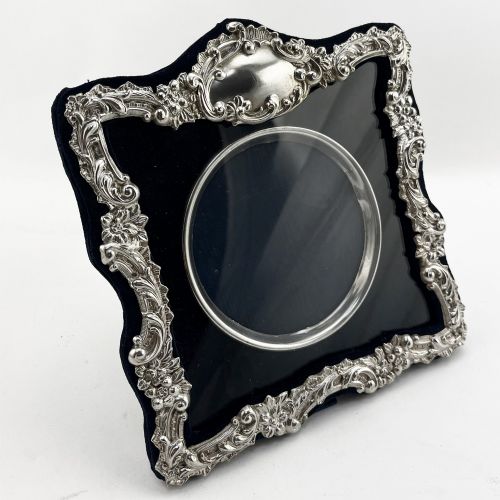
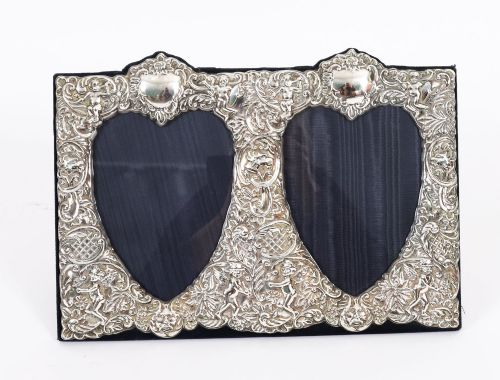
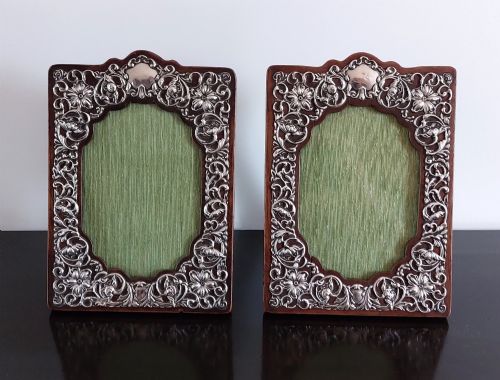
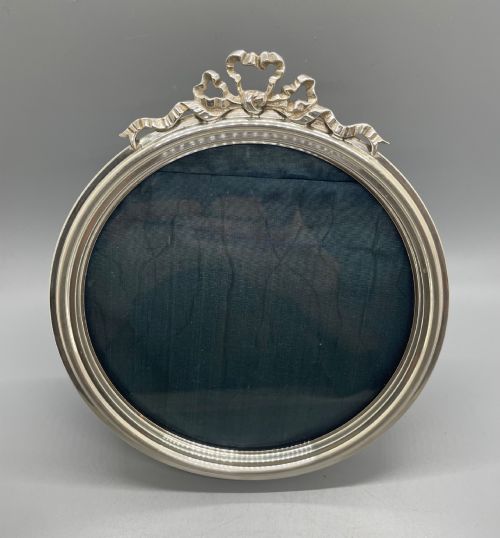
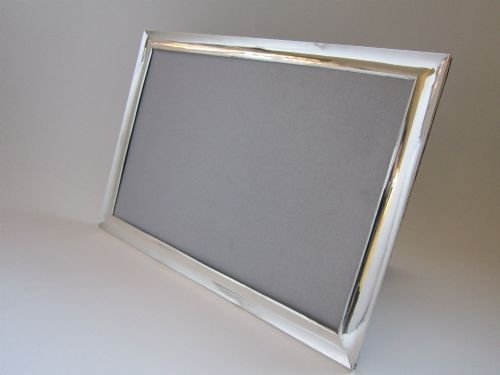
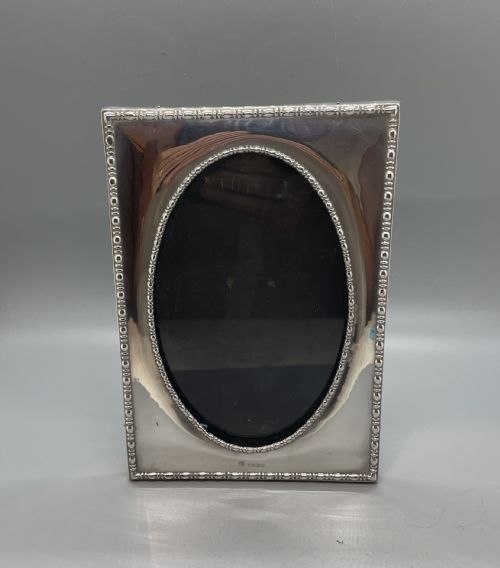
The assortment on this page leans heavily toward English manufacture, with provincial assay office towns such as Birmingham and Sheffield appearing frequently on the hallmarks. Forms range from simple rectangular shapes to circular, oval, and heart formats, sometimes configured as pairs or double frames.
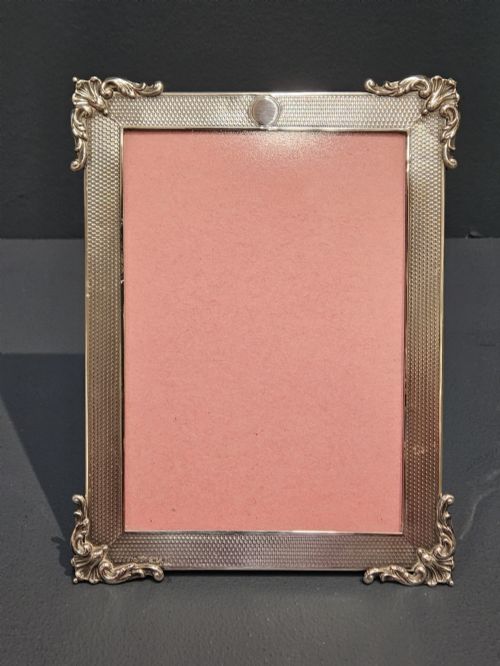
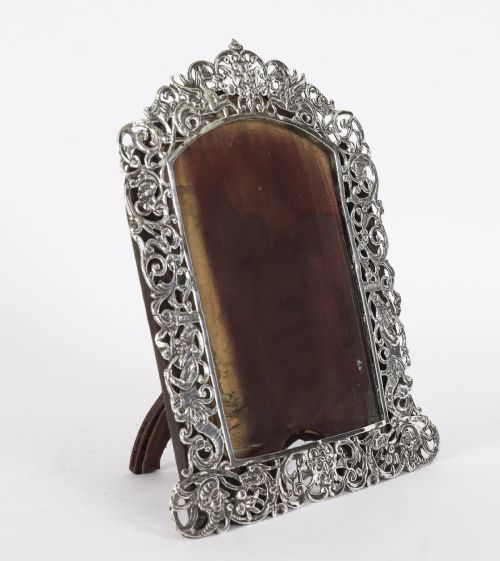
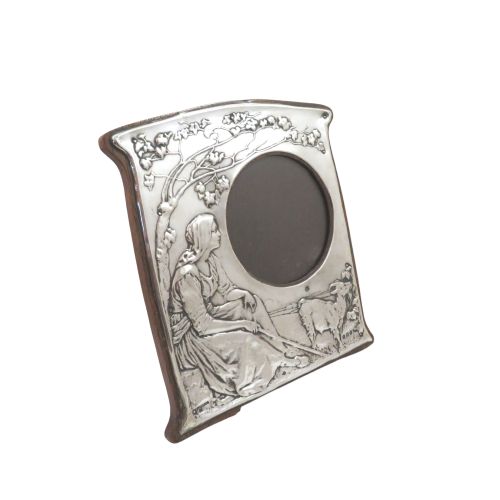
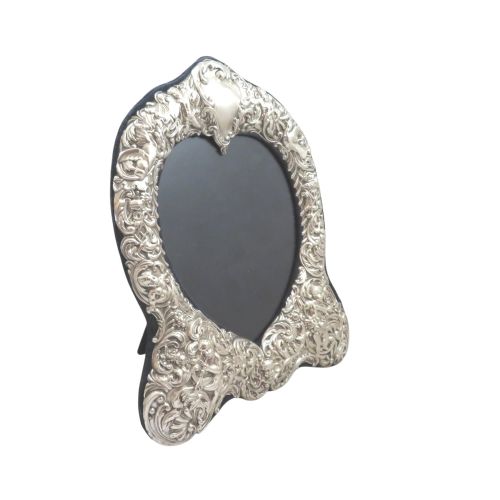
Decorative styles span from austere engine-turned surfaces to ornate embossed motifs. You encounter fluid whiplash lines on Art Nouveau pieces alongside classical ribbons, swags, and figural details depicting animals or cherubs.
Materials and construction
Silversmiths constructed the outer fascia from sterling silver sheet, pressing or hammering the metal against a die to raise embossed patterns, then hand-chasing the finer details. This silver front wraps around a wooden core, often pine or mahogany, which provides structural rigidity to the thin metal.
The reverse relies on a wooden backboard covered in velvet, silk, leather, or fabric, held in place by small metal turn-buttons or sliding pins. A hinged wooden or card strut, similarly fabric-covered, allows the frame to stand upright in either portrait or landscape orientation.
Vintage Sterling Photo Frame Retail Price Guide 2026
Typical asking prices for vintage sterling photo frame among the pieces listed under this phrase on Sellingantiques today, from the lower quarter to the upper quarter. They describe what is for sale here now, not the wider market.
Listings feature periods from the late Victorian era through the 1960s, utilising sterling silver paired with velvet, wood, and glass.
Judging quality and condition
Quality rests in the gauge of the silver and the crispness of the chased decoration. Heavier metal resists dents and maintains structural integrity around the corners, whereas thinner sheets yield easily to pressure and show distortion.
The integrity of the internal wooden liner and the original backing materials dictate preservation standards. Replacement backboards or missing glass reduce the historical completeness of an item, while clear assay marks confirm the exact date and place of manufacture.
Rosenthal, Jacob and Co·William Comyns·Mappin Bros·W I Broadway and Co
The Vintage Sterling Photo Frame Glossary
- Sterling silver
- An alloy consisting of 92.5 percent silver by mass, with the remainder usually copper. This standard composition is stamped with assay office hallmarks.
- Hallmark
- A series of official marks stamped on precious metals in the United Kingdom, indicating the maker, purity, assay office, and year of testing.
- Engine-turned
- A decorative technique involving precise geometric patterns engraved mechanically into metal using a lathe. This finish creates repetitive textured lines across the silver surface.
- Assay office
- An official body charged with testing the purity of precious metals. Towns such as Birmingham and Sheffield maintained active offices during the periods represented here.
- Strut
- The hinged support attached to the back of a frame that holds it upright on a flat surface. It folds flat when the frame hangs on a wall.
Vintage Sterling Photo Frame: Frequently Asked Questions
How do I date a silver frame?
Dating relies on the assay office hallmarks stamped into the silver border. A specific letter punch within the assay stamp corresponds to the year the piece was tested and entered the market.
Stylistic indicators provide a secondary guide. Art Nouveau whiplash curves point to the early 1900s, while geometric engine-turning suggests the later Art Deco period.
Can these frames hang on walls?
Many examples include both a folding rear strut for tabletop display and small loops or apertures for suspension. You should inspect the backboard fixings to confirm whether wall hanging is supported.
Heavier large frames remain best suited to flat surfaces due to their substantial weight.
How should I clean the silver?
Gentle application of a mild silver cloth removes tarnish without wearing away the thin layer of precious metal. Avoid harsh liquid dips, which can strip away the dark oxidation intentionally left in the recesses of embossed patterns.
Keep polishing agents away from the fabric backing and the glass pane to protect older materials from staining.
Why are wooden backs often replaced?
Wooden backboards and fabric struts experience heavy wear over decades of handling and exposure to fluctuating household humidity. Original wood and velvet components frequently degraded or warped, leading past owners to fit modern substitutes.
Finding a frame with its original backing fabric and hinges adds significantly to its authentic character.