
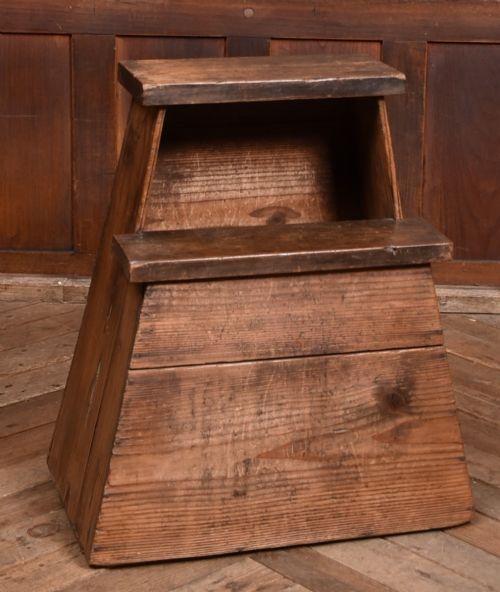


Vintage Step Stool
These vintage step stool examples are practical pieces of period furniture designed to reach high shelves, combining utility with fine timber craftsmanship.
Vintage Step Stool
When you search for a vintage step stool, you encounter a variety of forms primarily rooted in library steps, metamorphic chairs, and domestic stools spanning the eighteenth century through the early twentieth century. These pieces serve the dual purpose of elevation and seating, often taking the form of multi-tiered flights or folding mechanisms.
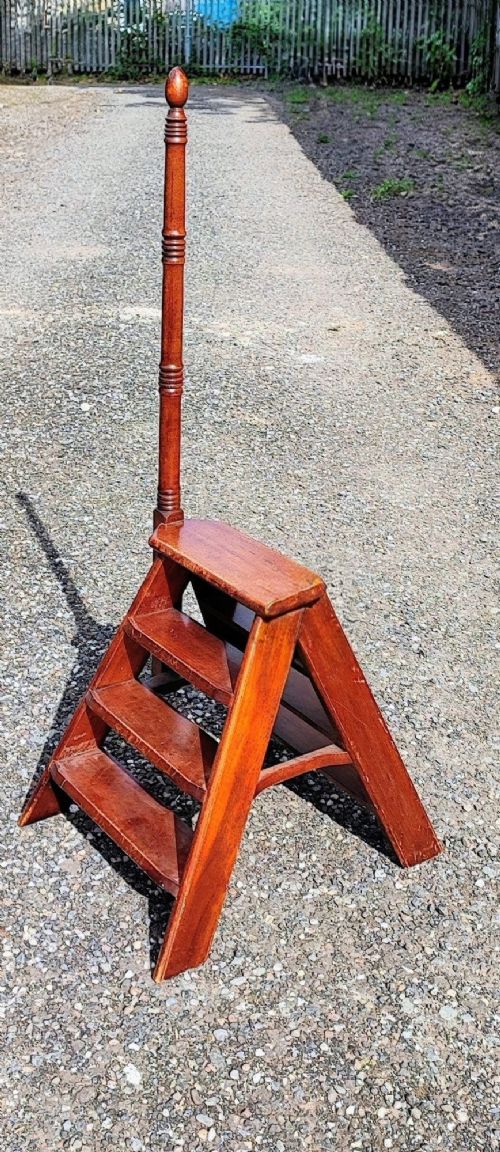
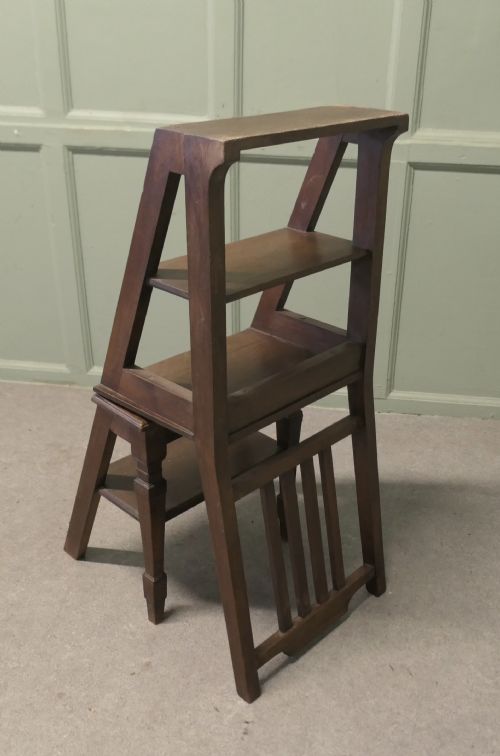
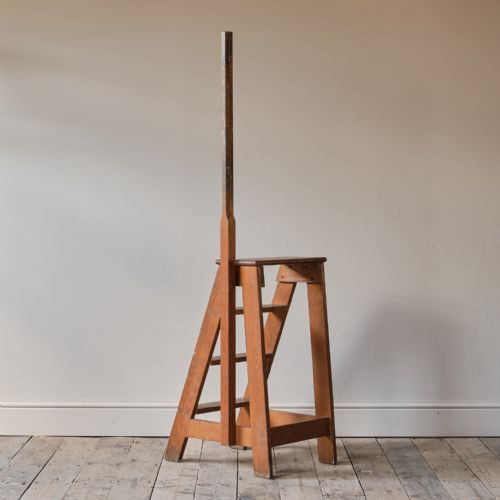
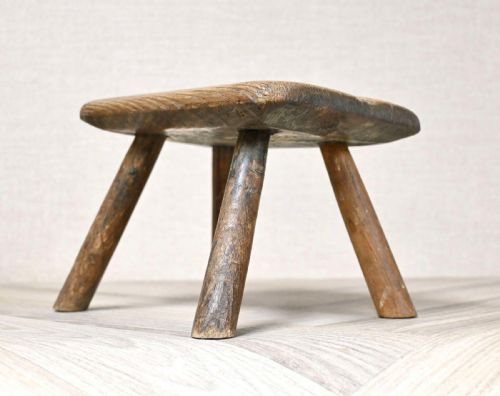
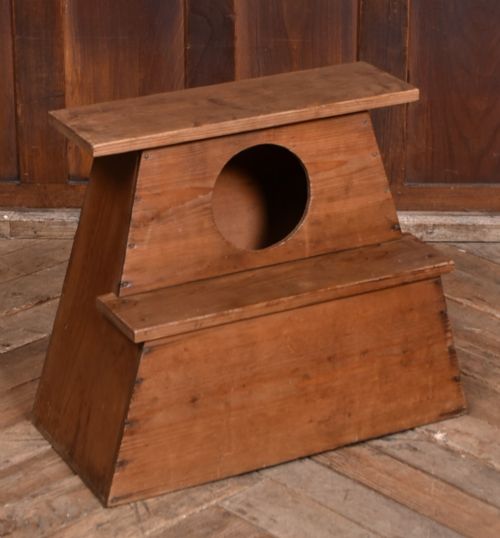
The selections on this page lean heavily toward nineteenth-century oak and mahogany library steps alongside Edwardian metamorphic designs and rustic pine versions. You will also find specialised items like railway steps, vendor stools, and step commodes that demonstrate the diverse domestic and institutional utility of these objects.
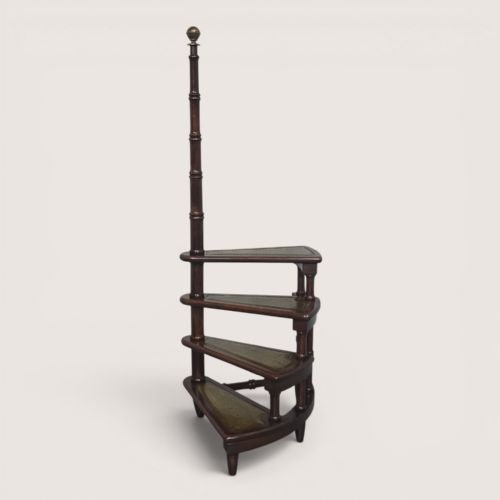
Originating from periods such as the Regency, Victorian, and Arts and Crafts eras, these items reflect the practical requirements of period homes and libraries. Their construction ranges from simple country pine forms to sophisticated spiral library steps with turned supports.
Materials and construction methods
Cabinetmakers and joiners relied primarily on hardwoods like mahogany, oak, satinwood, and fruitwood, alongside softer timbers such as pine and cedar for utilitarian items. These woods were chosen for their structural integrity, ensuring that the steps could safely bear weight during daily use.
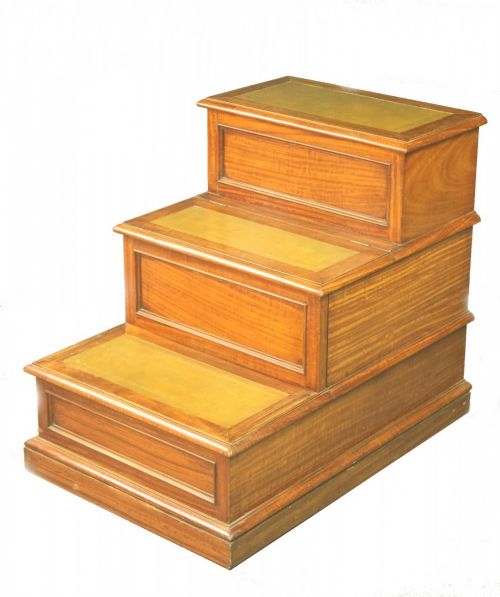
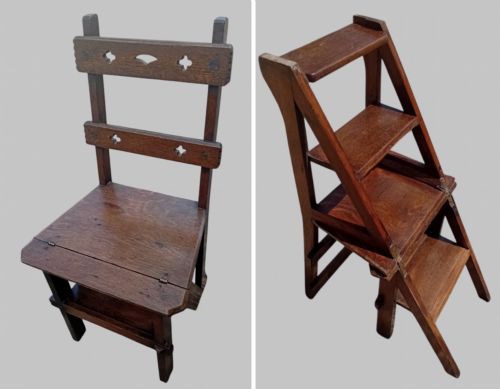
Construction techniques involve traditional joinery, robust framing, and occasionally integrated brass hardware or leather-topped treads for grip and comfort. Many pieces feature turned supports, spiral columns, or clever metamorphic hinges that transform a stool into a chair or ladder.
Listings feature oak, mahogany, pine, and cedar, spanning the eighteenth to the early twentieth century.
Assessing quality in period steps
The distinction between standard and superior pieces lies in the choice of timber figure, such as golden oak or finely grained mahogany, and the precision of the joinery. Higher quality examples maintain rigid stability across their flights and incorporate thoughtful details like tooled leather treads or turned spiral columns.
The sophistication of the mechanism in metamorphic examples marks a clear tier in craftsmanship, where seamless transformation from a stool to a set of library steps denotes superior design. Condition of the original timber and the retention of period hardware further separate everyday utility pieces from finer collector items.
The Vintage Step Stool Glossary
- Metamorphic furniture
- Pieces designed to transform from one form of furniture into another, such as a chair that folds out into a set of library steps. This clever dual-purpose engineering became particularly popular during the nineteenth century.
- Treads
- The horizontal surfaces or steps upon which a person places their feet when climbing. In finer examples, these treads are frequently inset with leather for added grip.
- Commode
- A piece of furniture containing a concealed chamber pot, which in step stool formats often disguised the utility beneath folding steps or seat lids. Regency and Georgian iterations handled this combination with discretion.
- Satinwood
- A durable, light-coloured hardwood sourced from tropical trees, prized for its natural golden sheen and smooth finish. It was frequently utilised for high-end decorative pieces and small steps.
Vintage Step Stool: Frequently Asked Questions
How were library steps used?
Library steps were essential furniture for accessing high bookshelves in private studies and grand libraries before the advent of modern rolling ladders. They allowed readers to reach volumes stored near the ceiling safely and efficiently.
Many designs doubled as seating or metamorphic chairs, ensuring they remained functional furniture pieces when not actively deployed for climbing.
What is a metamorphic step stool?
A metamorphic step stool is a clever dual-purpose piece that transforms from an ordinary chair, stool, or box into a flight of steps. Hinges and pivots allow the user to manipulate the frame without detaching parts.
This ingenious mechanism was especially favoured in compact nineteenth-century spaces where dedicated ladders took up too much floor room.
How do I date an oak step stool?
Dating an oak step stool involves examining the timber grain, tool marks, joinery methods, and the overall style of the period it represents. Eighteenth-century versions often display hand-sawn boards and pegged joints, while Victorian and Edwardian examples show machine-planed consistency.
Comparing the turned supports, hardware, and any leather upholstery against known stylistic eras helps narrow down the decade of manufacture.
Can I use vintage steps daily?
Most vintage step stools and library ladders remain structurally sound and capable of supporting weight if constructed from durable hardwoods like oak or mahogany. Checking the stability of the joints and treads before climbing ensures safe everyday use.
To preserve the antique timber and any original leather treads, place the steps on a level surface and avoid exposing them to excessive moisture.