

Vintage Stem Table
A vintage stem table grounds a room with upright vertical presence, offering a sturdy yet slender platform for light or display.
Vintage Stem Table
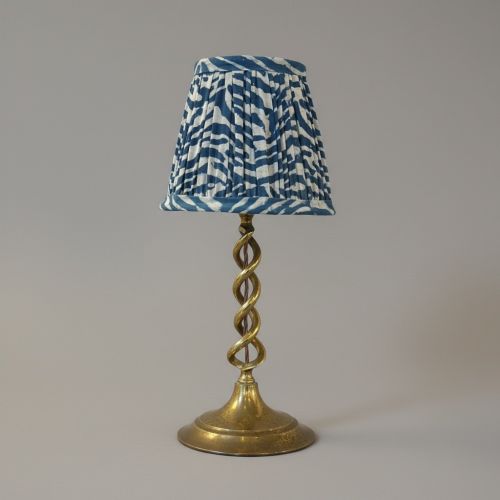
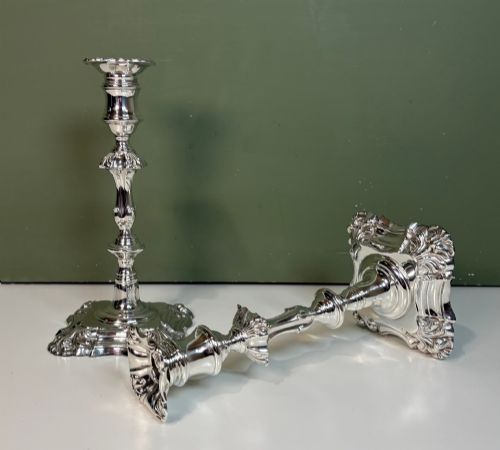
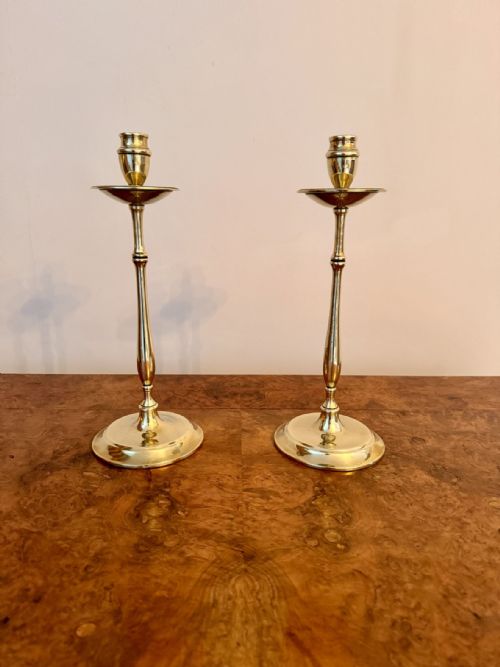
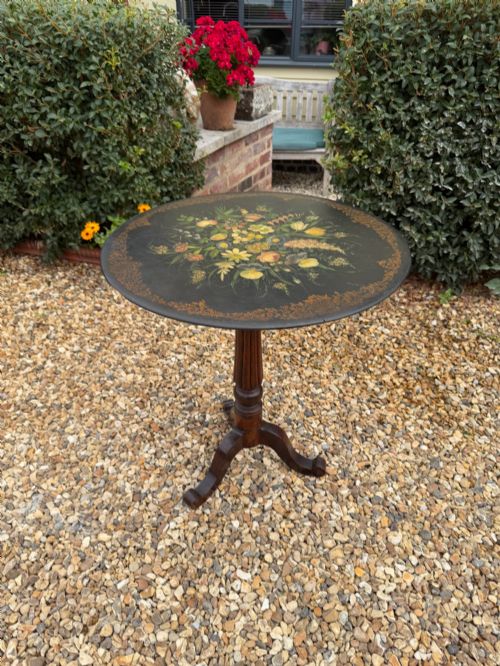
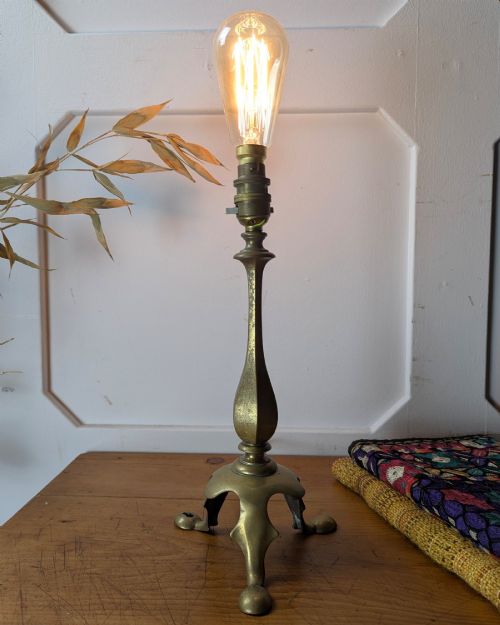
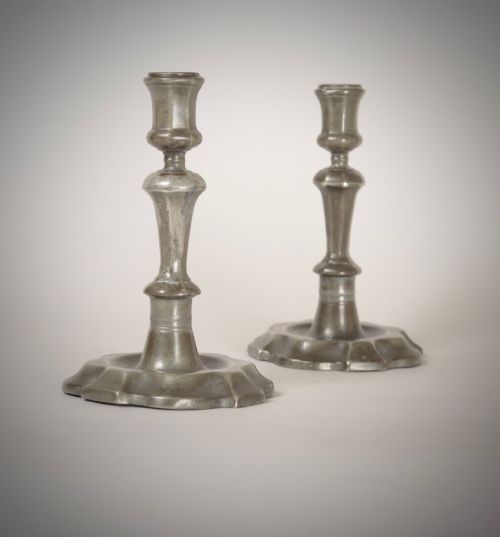
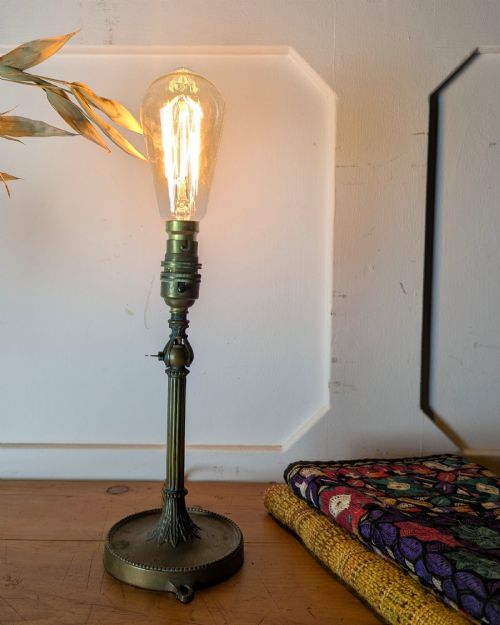
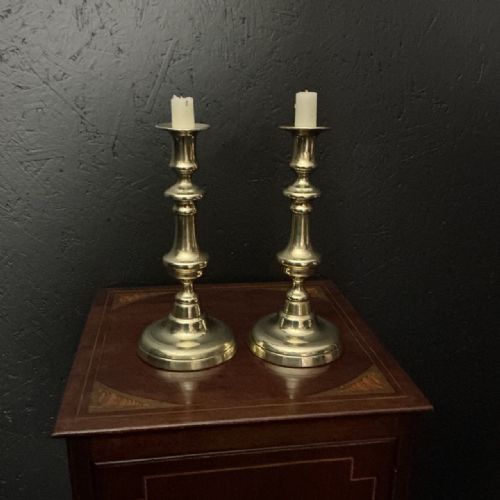
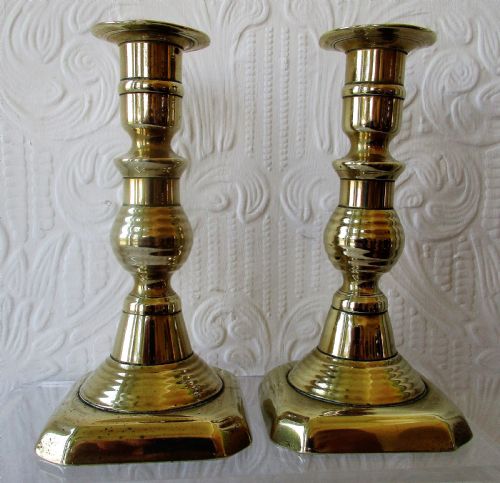
When you search for a vintage stem table, you encounter an array of upright forms, most frequently tall candlesticks, table lamps, and pedestal occasional tables. These pieces span centuries of design, from eighteenth-century brass candle holders to early twentieth-century chrome and wooden lamps.
The selection ranges across distinct periods, drawing heavily on Victorian, Edwardian, and Georgian styles alongside Art Deco innovations. You will find occasional wine tables, side tables, and slender lighting fixtures dominating the offerings.
Origin and period dictate the character of each item, pairing traditional wooden wine tables with gleaming brass, copper, and silver plated lighting stems. The category bridges functional illumination and compact surface furniture.
How they were made
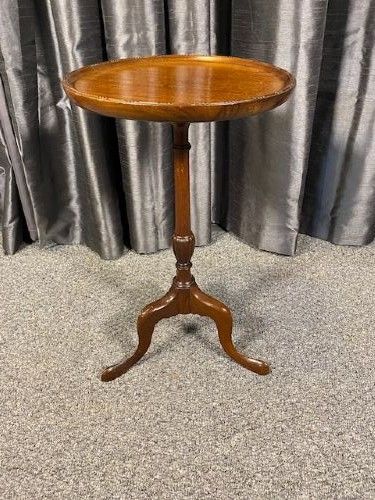
Makers utilised durable metals such as brass, copper, silver plate, and chrome alongside rich timbers including mahogany, oak, palm wood, and slate. Metal components often combine cast bases with turned stems, while wooden tables employ solid tops supported by central pedestals.
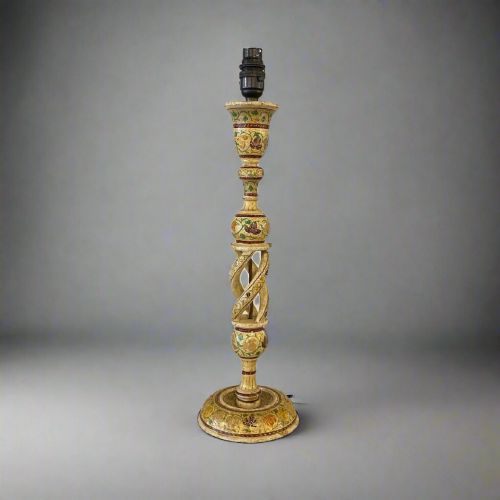
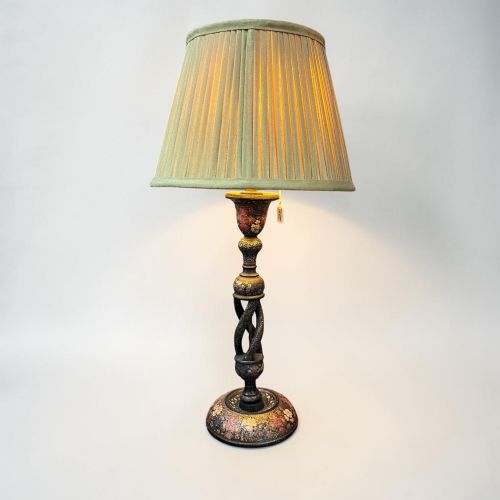
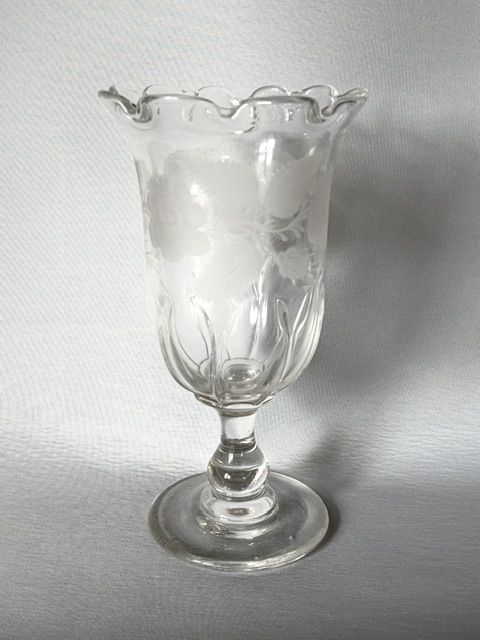
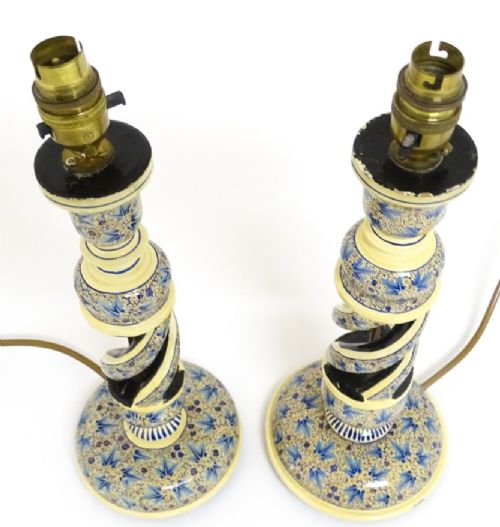
Surface treatments display meticulous handwork, seen in Kashmiri hand-painted motifs, etched glass, and incised twists on metal or wood. Construction methods rely on traditional joinery for tables and secure socket or threaded fittings for weighted lighting stems.
Vintage Stem Table Retail Price Guide 2026
Typical asking prices for vintage stem table among the pieces listed under this phrase on Sellingantiques today, from the lower quarter to the upper quarter. They describe what is for sale here now, not the wider market.
Listings feature items spanning the eighteenth century through to the Art Deco period, constructed from brass, mahogany, oak, and chrome.
What varies in quality
The upper tier of the range is distinguished by substantial weight in metal stems and fine figuring in timber surfaces, such as mahogany wine tables. Superior items maintain integrity in their original components, from balanced petal bases on candlesticks to intact period shades on lamps.
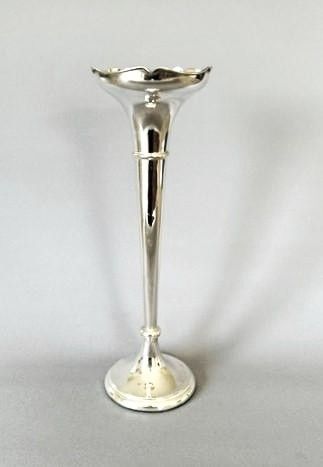
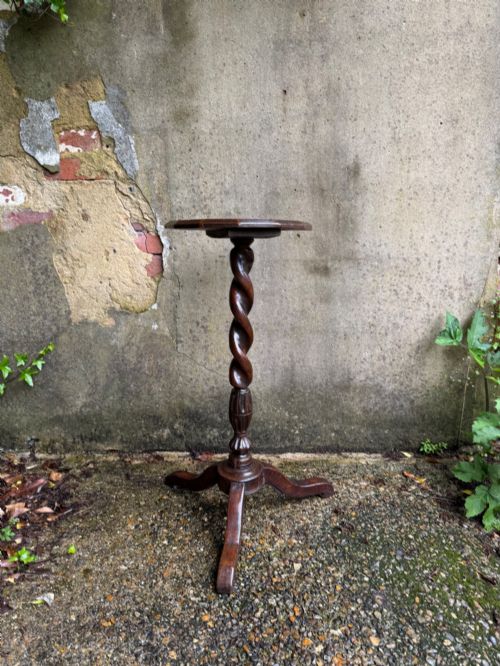
Proportion and casting crispness separate standard items from finer examples, particularly in barley twist or baluster forms. The precision of hand-painting on Kashmiri lamps or the crisp execution of silver plating marks the division between ordinary and exceptional manufacture.
Elkinton and Co
The Vintage Stem Table Glossary
- Baluster
- A moulded shaft or stem with a swelling lower portion, frequently seen on brass lamps and candlesticks.
- Barley twist
- A spiral carving resembling a twisted barley sugar stick, executed in wood or cast metal stems.
- Occasional table
- A small, portable piece of furniture designed for specific, intermittent use rather than heavy daily dining.
- Wine table
- A compact, single-pillar table historically utilised for holding glasses or bottles during social gatherings.
- Petal base
- A scalloped, multi-lobed foot resembling an open flower, common on eighteenth-century candlesticks.
Vintage Stem Table: Frequently Asked Questions
What is a vintage stem table?
A vintage stem table generally refers to pedestal-supported furniture pieces like wine and occasional tables, or elevated stem lighting fixtures.
They provide compact surfaces and vertical elevation, making them versatile additions to traditional and modern interiors alike.
How do I style a stem table?
These pieces suit compact spaces where a full-sized table or standard lamp proves too bulky. Place wooden wine tables beside armchairs or utilise brass and chrome stem lamps on sideboards for added height.
Their vertical lines draw the eye upward, breaking up horizontal planes in a room.
What materials are common?
Metal and timber dominate the category, with brass, copper, and silver plate frequently shaping the lighting stems. Mahogany, oak, and palm wood form the structural body of the occasional and wine tables.
Glass elements and fabric shades also appear across various twentieth-century examples.
How do I date a stem table?
Dating relies on stylistic markers, construction techniques, and material choices associated with periods like the Georgian, Victorian, or Art Deco eras. Examining the casting quality on metal stems or the timber grain on tables clarifies the manufacturing era.
Maker stamps or specific wiring components on lamps also offer clues to age.