





Vintage Stationery Cabinet
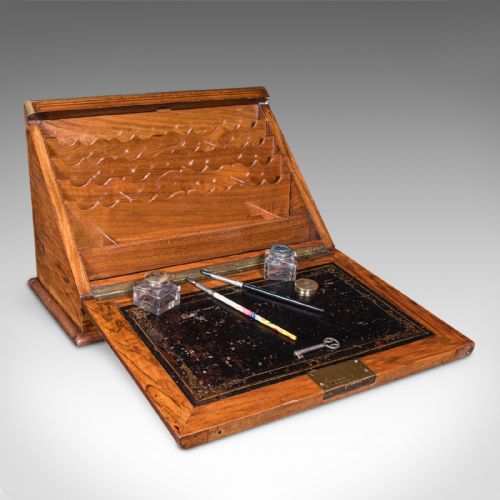
A vintage stationery cabinet keeps your correspondence and papers organised with period charm, offering fitted compartments and drop-front desks for the desktop.
Vintage Stationery Cabinet
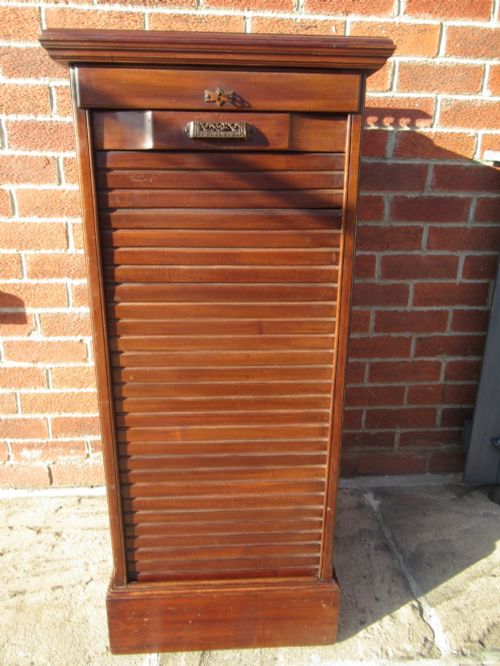
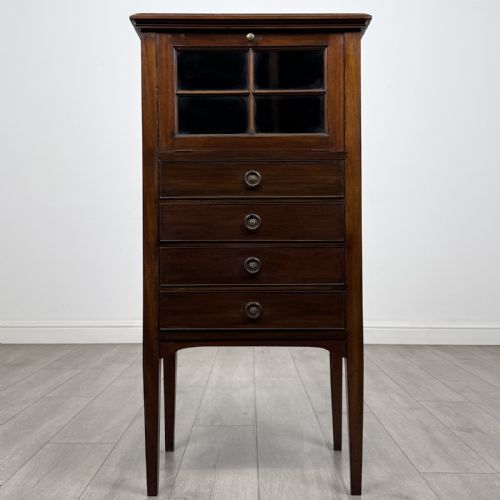
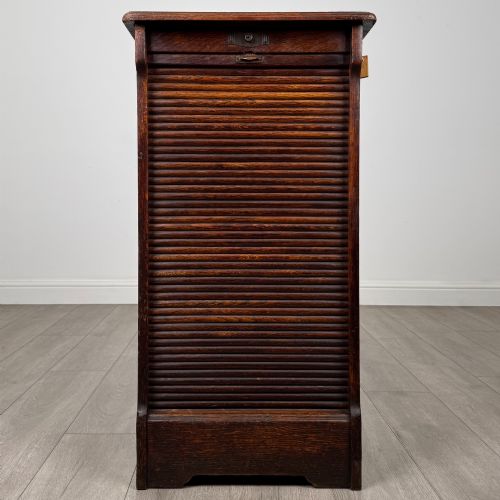
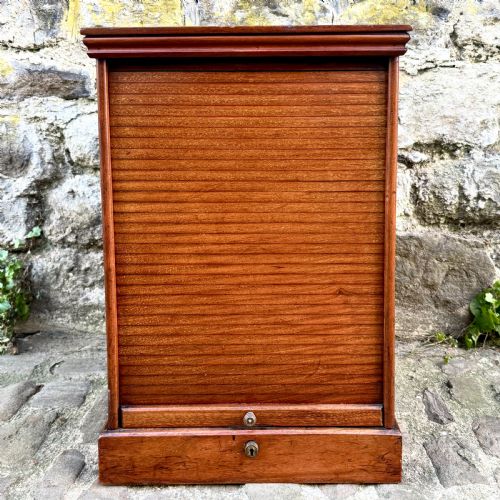
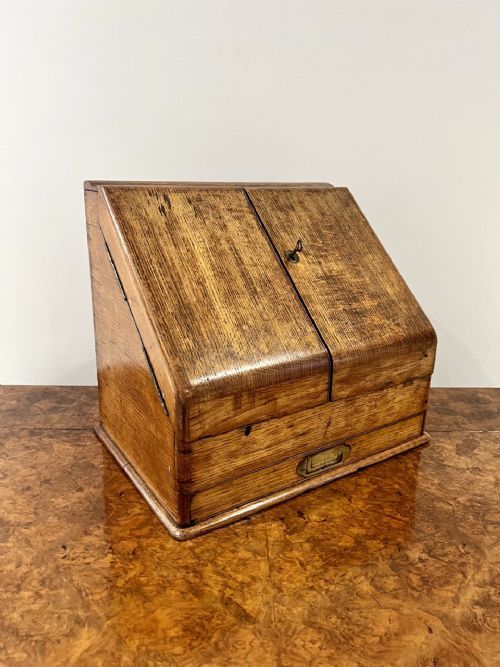
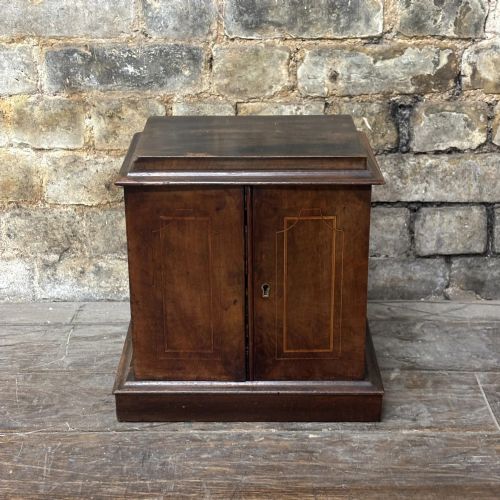
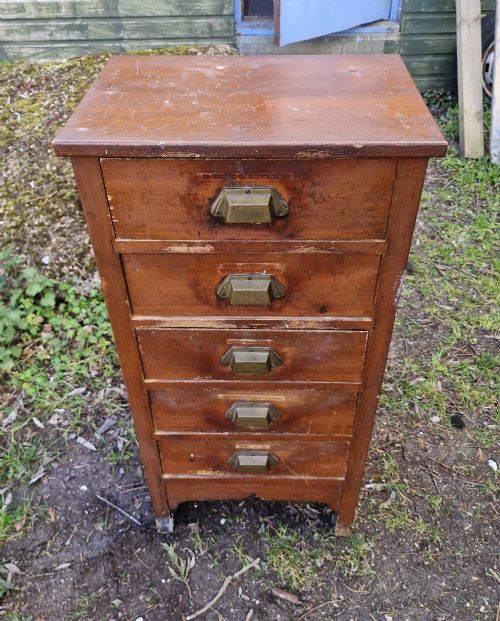
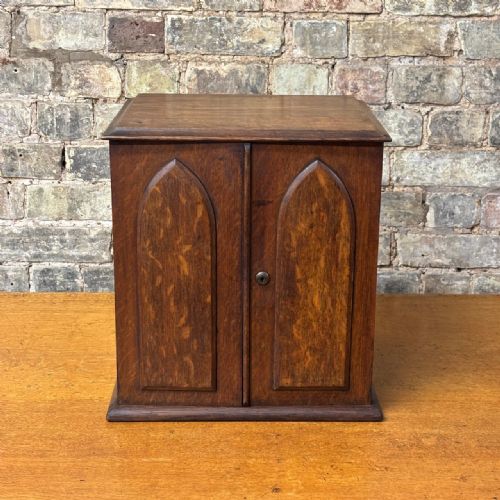
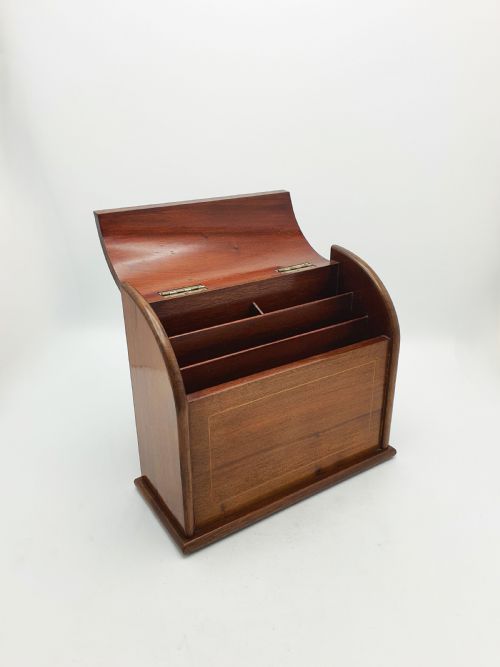
A vintage stationery cabinet encompasses desktop boxes, fall-front boxes, tambour-front filing pieces, and table cabinets designed to hold writing paper, letters, and small office supplies.
The selections span the Victorian, Edwardian, and Regency eras, with many pieces originating from the late nineteenth and early twentieth centuries.
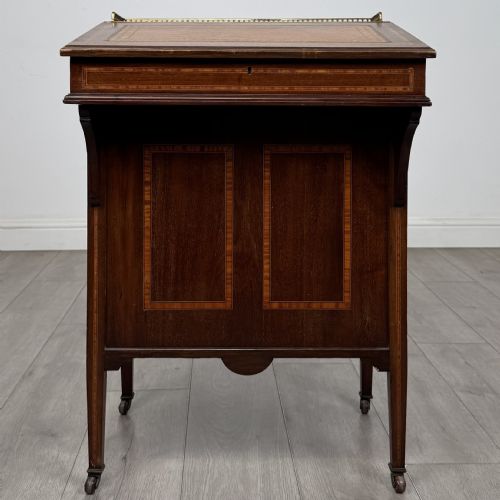
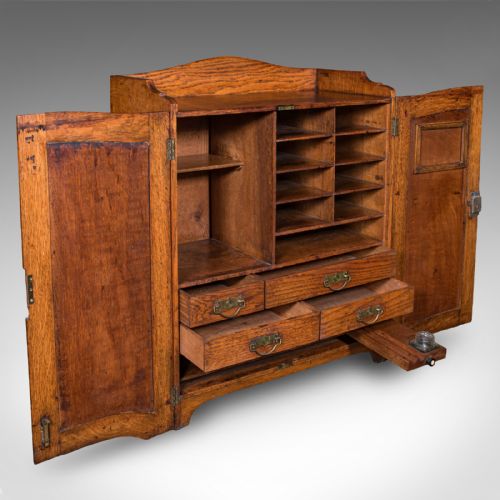
Buyers regularly encounter oak and mahogany versions featuring fitted interiors, pigeonholes, and occasionally inlaid satinwood or marquetry details.
Materials and Construction Methods
Cabinet makers built these pieces primarily using solid timbers like oak, mahogany, and walnut, frequently applying brass handles, hinges, and locks.
More elaborate examples utilise tambour doors made of sliding wooden slats, leather-lined writing surfaces, and delicate satinwood stringing or marquetry inlay.
Vintage Stationery Cabinet Retail Price Guide 2026
Typical asking prices for vintage stationery cabinet among the pieces listed under this phrase on Sellingantiques today, from the lower quarter to the upper quarter. They describe what is for sale here now, not the wider market.
The selection includes oak and mahogany stationery boxes alongside tambour-front filing cabinets spanning the Victorian and Edwardian eras.
Craftsmanship and Interior Detail
The standard of timber selection, the complexity of internal pigeonholes and partitions, and the precision of sliding tambour mechanisms dictate the quality.
Superior items feature matched grain patterns, original brass hardware of the period, and well-executed decorative inlays rather than plain utility finishes.
J.C Vickery of London·Houghton & Gunn
The Vintage Stationery Cabinet Glossary
- Tambour
- A flexible door constructed from narrow vertical wooden strips glued to canvas backing, allowing it to slide smoothly around a curved track.
- Davenport desk
- A compact Victorian writing desk featuring a sloping top and drawers accessed from the side.
- Cartonnier
- A freestanding cabinet or desktop tier fitted with compartments or boxes specifically designed for filing documents and papers.
- Marquetry
- Decorative woodwork where pieces of different coloured veneers are fitted together to form pictorial patterns or designs.
- Fall-front
- A hinged panel that drops forward to serve as a writing surface or to reveal an arrangement of small drawers and letter slots.
Vintage Stationery Cabinet: Frequently Asked Questions
What is a tambour front cabinet?
A tambour front cabinet uses a sliding door made of connected wooden slats that retract into the body of the piece. This mechanism hides the interior shelving or filing space while saving exterior desk room.
Such designs became popular in offices and studies during the late Victorian and Edwardian periods for practical document storage.
How do I distinguish Victorian from Edwardian pieces?
Victorian pieces tend to use darker timbers, heavier carvings, and gothic or robust styling. Edwardian items frequently display lighter mahogany, satinwood inlays, and simpler, more refined lines.
Examining the internal construction and brass hardware helps confirm the specific era of manufacture.
Where were stationery cabinets used?
These cabinets sat upon large partner desks, writing tables, and credenzas in gentleman's studies, country houses, and administrative offices. They kept correspondence, inkstands, and envelopes tidy.
Smaller letter boxes and table cabinets were also placed in domestic hallways for incoming post.
How should I care for timber cabinets?
Keep wooden surfaces away from direct heat sources and strong sunlight to prevent the timber and veneers from drying out or cracking. Occasional application of a suitable furniture wax maintains the polish.
Leather writing inserts benefit from gentle cleaning and conditioning appropriate for antique leather.