



Vintage Statement Mirror
A vintage statement mirror brings scale and reflected light to a room, drawing the eye with ornate gilding or bold proportions.
Vintage Statement Mirror
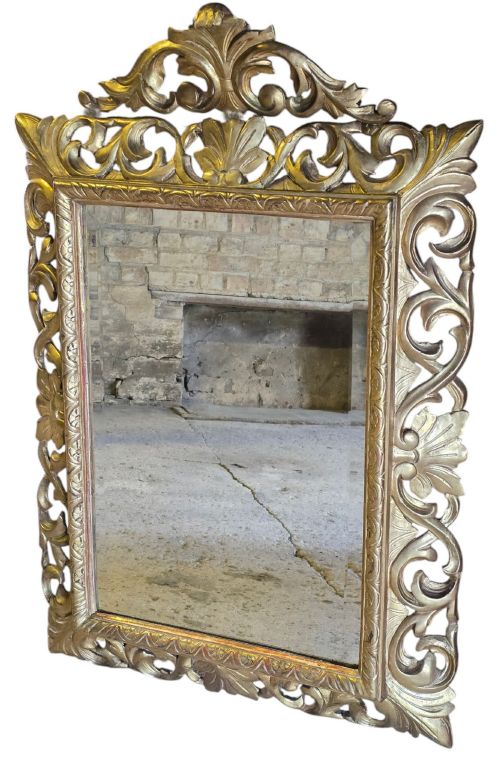
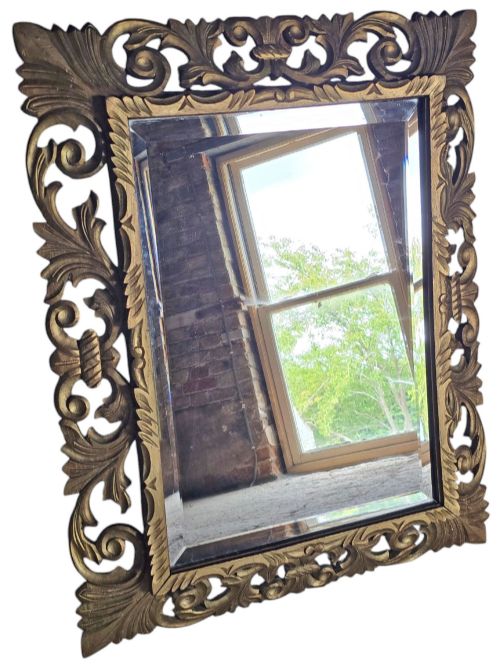
Most pieces on offer lean towards ornate frames, including Florentine and Rococo Revival styles alongside French Chateau and grand Regency influences. These large items serve as focal points above fireplaces or along main walls, prioritising visual weight and decorative presence.
How they were made
Makers built these heavy frames using wood, gesso, composition, and plaster to carry intricate decorative mouldings. Artisans then applied gold leaf or paint finishes to achieve the desired metallic lustre.
The heavy frames house substantial mirror glass panels, occasionally convex or formed as sets of original glass pieces. Traditional joinery and structural framing supported the considerable weight of these large wall and overmantel mirrors.
Vintage Statement Mirror Retail Price Guide 2026
Typical asking prices for vintage statement mirror among the pieces listed under this phrase on Sellingantiques today, from the lower quarter to the upper quarter. They describe what is for sale here now, not the wider market.
Periods represented span the nineteenth century alongside nineteen-ten, nineteen-twenty, and nineteen-thirty.
What varies in quality
The depth and crispness of the hand-carved or moulded relief work separate standard frames from superior examples. Better pieces display sharper detailing in ornate motifs and more skilful application of gold leaf.
The weight and stability of the underlying timber framework also dictate durability, particularly on very wide or full-height floor mirrors. Furthermore, the clarity and preservation of the original mirror glass contribute significantly to the overall merit of the piece.
Charles Nosotti
The Vintage Statement Mirror Glossary
- Giltwood
- Wood that has been coated with gold leaf or a gold-coloured finish. This material defines the appearance of many ornate nineteenth-century frames.
- Gesso
- A plaster-like mixture applied to wood frames to create a smooth surface for gilding. It allows for intricate relief moulding.
- Overmantel mirror
- A large mirror specifically designed to hang above a mantelpiece or fireplace. These pieces form a major part of the available styles.
- Convex mirror
- A round mirror with a curved surface that reflects a wide, distorted field of view. This form appears in pieces from the nineteen-thirties.
Vintage Statement Mirror: Frequently Asked Questions
Where should I hang a large overmantel mirror?
These mirrors traditionally sit directly above a fireplace mantel, anchoring the wall space and reflecting light across the room. Their substantial scale also suits placement along a primary dining room or hallway wall.
Ensure the wall construction and fixings can support the considerable weight of wood, gesso, and glass before mounting.
How do I identify a nineteenth-century mirror?
Nineteenth-century mirrors typically feature heavy timber frames built with traditional joinery, often finished with gesso and gold leaf. The styles frequently incorporate Rococo Revival or Florentine ornamentation.
Examining the backing boards, fixings, and the composition of the glass helps confirm the period of manufacture.
What is a Florentine mirror frame?
Florentine frames are characterised by elaborate, carved or moulded decoration inspired by Italian craftsmanship. They often display rich gilding and intricate floral or scroll motifs.
These decorative frames provide the dramatic visual impact expected from a statement piece.
How do I care for antique glass and gilding?
Dust the ornate frame gently with a soft brush to avoid damaging delicate gesso or gold leaf. Clean the mirror glass sparingly with a soft cloth and a mild solution, keeping moisture away from the frame joints.
Avoid abrasive cleaners that can strip historic finishes.