



Vintage Star Setting Ring
A vintage star setting ring brings together celestial motifs and flush metalwork, offering enduring charm for daily wear.
Vintage Star Setting Ring
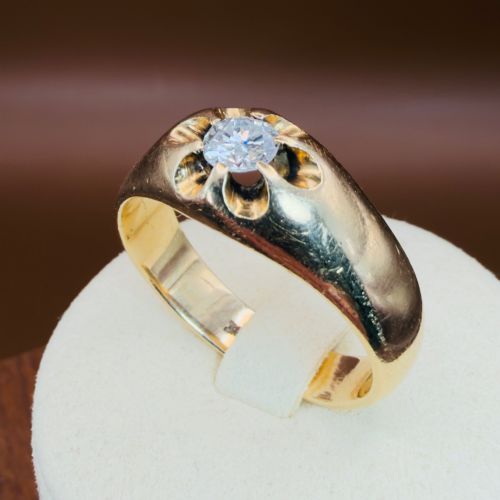
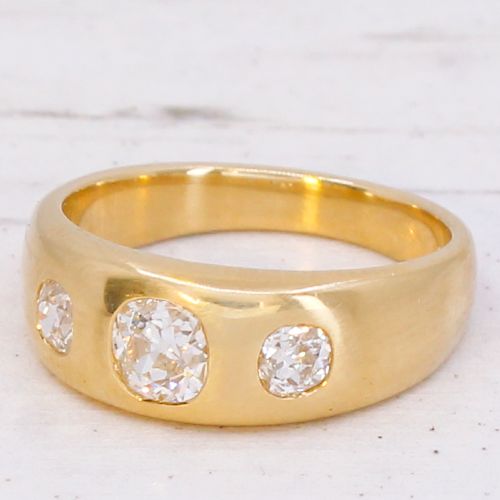
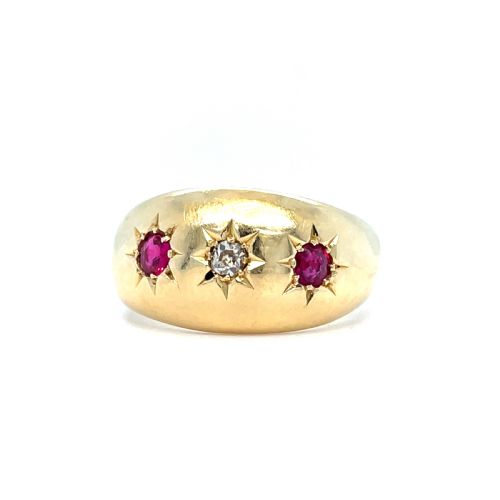
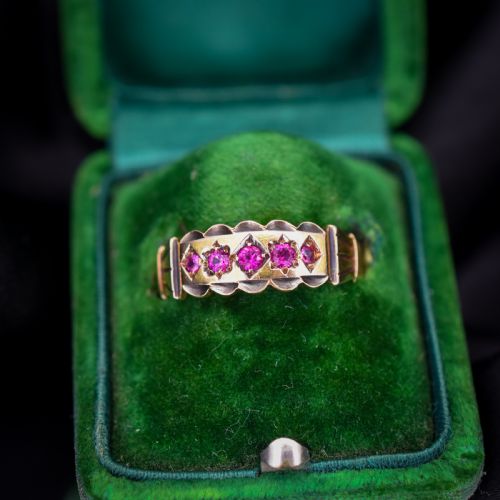
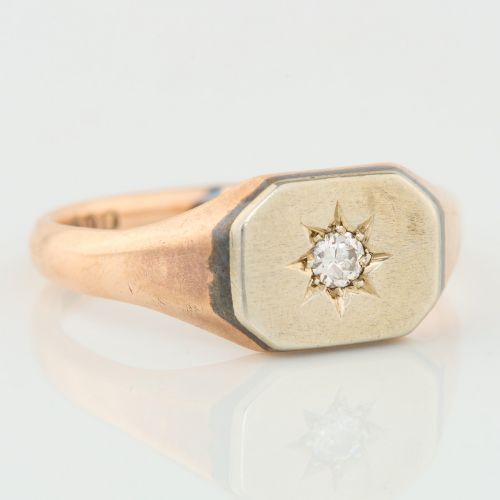
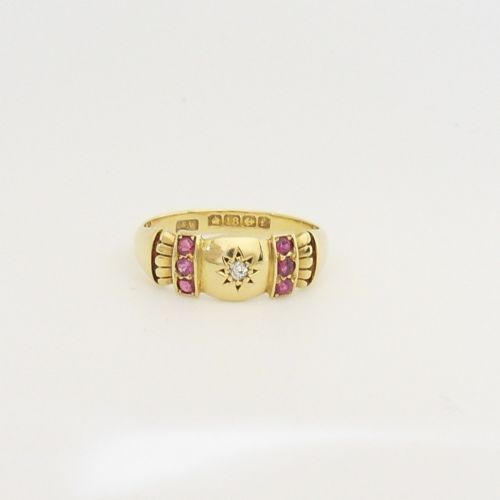
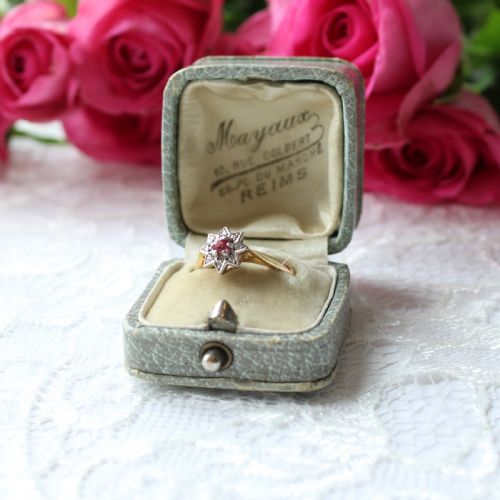
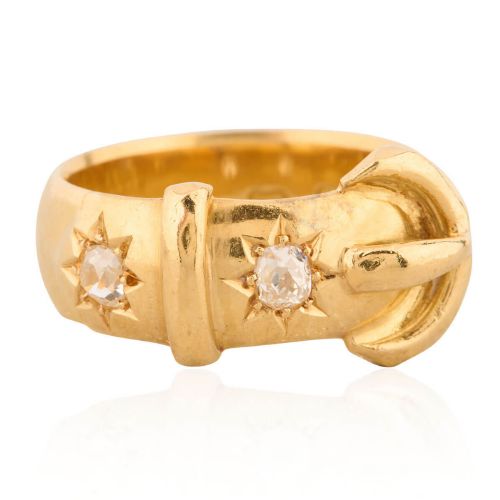
A vintage star setting ring presents stones flush or semi-flush within the metal band, surrounded by hand-engraved starburst rays. These pieces span Victorian, Edwardian, Art Deco, and mid-century periods, capturing eras that favoured both clean geometrical lines and romantic organic motifs.
Origins range across British regional halls, such as Chester, alongside international items like Australian dress rings and unheated Ceylon sapphires. Buyers encounter everything from heavy men's signet styles to delicate multi-stone Edwardian bands.
Materials and construction methods
Goldsmiths utilised 9ct, 15ct, and 18ct yellow gold alongside platinum and palladium settings to anchor the stones securely. The metal surrounding the gem was pushed up and meticulously hand-graved to form the characteristic multi-pointed star pattern.
Old cut diamonds and coloured gemstones were set flush into the thick shoulders of the band, protecting the girdle of the stone from knocks. This flush technique required precise bench work to ensure the metal held the gem firmly without obstructing light.
Some Victorian wearers chose gypsy rings so their jewellery would not catch on heavy horse-drawn carriage reins.
Distinctions in craftsmanship and materials
Depth and crispness of the hand-engraved starburst rays dictate the refinement of the face, where worn or shallow engraving diminishes the celestial design. The weight and gauge of the gold shank also indicate quality, with heavier bands retaining structural integrity through decades of wear.
The selection of stones, from unheated Ceylon sapphires to well-matched old cut diamond groupings, separates standard commercial production from finer workshop pieces. Hallmark clarity and legible maker stamps further ground the provenance and material standard of the ring.
The Vintage Star Setting Ring Glossary
- Gypsy ring
- A style where the stones are set flush into the band, which tapers in width towards the back. This design became popular in the Victorian period for both men and women.
- Star setting
- A mounting technique where small triangular facets are engraved into the metal around a flush-set stone to resemble a star. It provides secure protection for daily wear.
- Old cut
- A diamond facet style cut by hand before the mid-twentieth century, featuring a smaller table and larger culet. This creates a distinctive, softer candle-lit glow.
- Illusion setting
- A mounting method where a metal plate surrounds a smaller diamond to make it appear larger. This technique gained prominence during the Art Deco era.
- Hallmark
- Official stamps punched into precious metal to indicate purity, place of assay, and date of manufacture. British pieces often display city marks and date letters.
Vintage Star Setting Ring: Frequently Asked Questions
How do I care for my ring?
Clean the metal and stones gently with warm soapy water and a soft brush, avoiding harsh chemical dips that might harm softer gems like emeralds or opals.
Store the piece separately in a fabric-lined box to prevent the star engraving or gold surface from scratching against harder jewellery.
Can these rings be resized easily?
Most solid gold bands can be adjusted by a skilled jeweller, though heavy engraving or ornate shoulders require careful laser work to preserve the pattern.
Take the piece to a specialist who understands antique settings so the structural integrity of the star motif remains undisturbed during the process.
Are these rings suitable for daily wear?
The flush mounting style was originally designed for everyday practicality, keeping stones secure and less likely to snag on clothing.
However, centuries of previous wear mean you should check the claw or flush borders periodically with a jeweller to ensure the gems remain tight.
How do I identify the period?
Look to the hallmarks for exact assay office symbols and date letters, which provide definitive manufacturing years for British items.
Stylistic clues like platinum toppings point towards the Art Deco era, while heavy chased yellow gold indicates Victorian or Edwardian craftsmanship.