



Vintage Standing Desk
A vintage standing desk provides an elevated surface for writing, reading or working, drawing on centuries of craftsmanship in mahogany, oak and brass.
Vintage Standing Desk
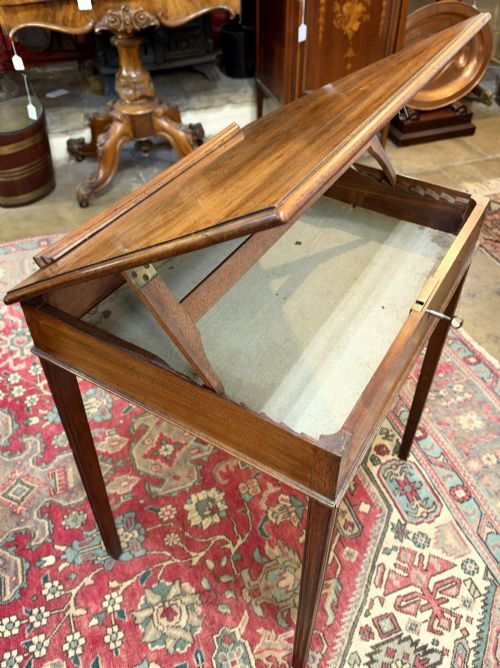
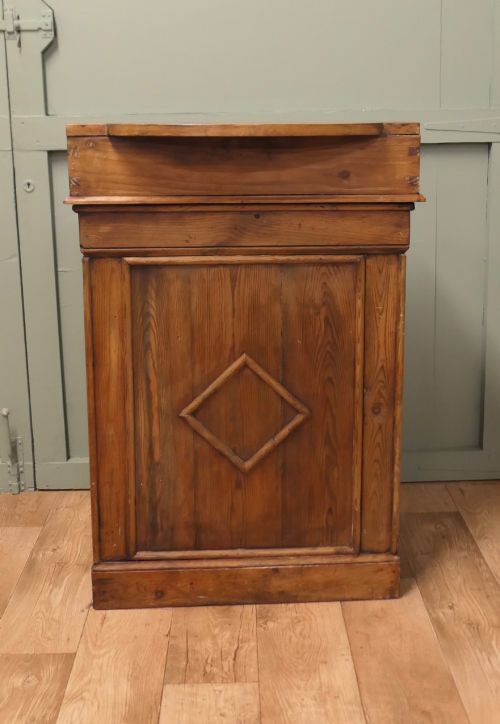
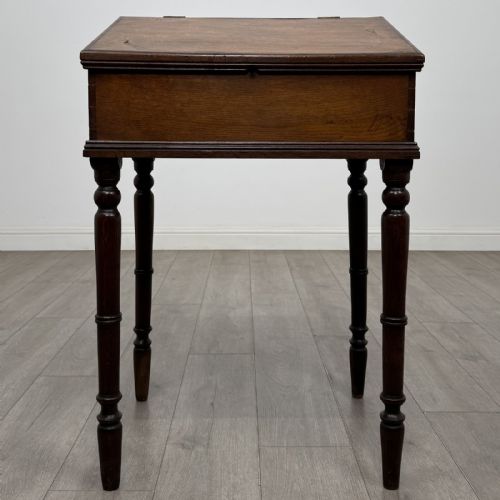
A vintage standing desk encompasses elevated writing forms, such as clerk's desks, student lecterns and reading tables, designed for use while upright.
The selections span the Victorian, Edwardian and early 20th century periods, incorporating styles from Arts and Crafts to Art Deco.
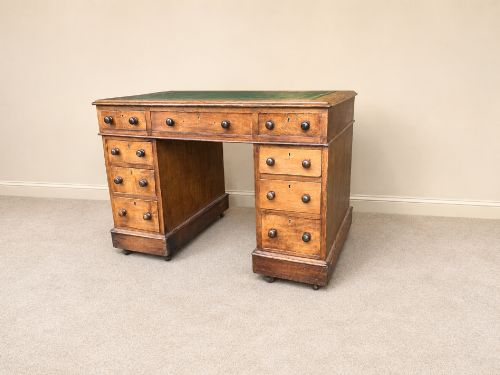
Buyers encounter solid mahogany and oak structures, sometimes augmented with brass fittings, leather surfaces or associated desk accessories.
How they were made
Carpenters constructed these pieces primarily in solid mahogany and oak, utilising traditional joinery methods suited to heavy daily use in offices and studies.
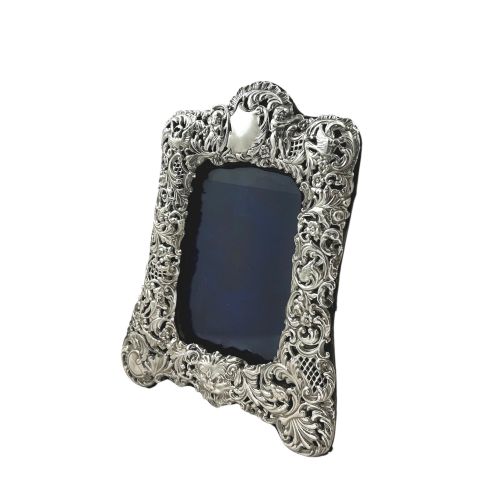
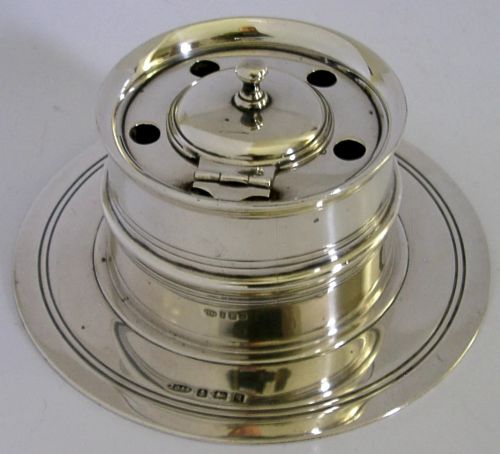
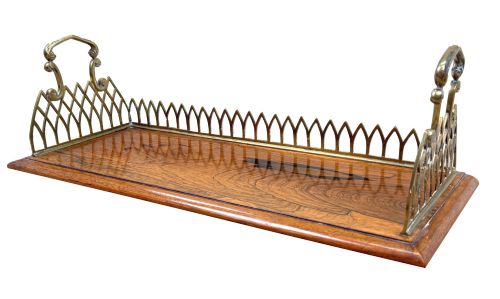
Metal elements such as brass gallery rails, cast bronze figures and sterling silver mounts were cast or wrought to accent the timber frames.
Surface treatments involved French polishing and wax finishing to protect the wood while highlighting natural grain patterns.
Vintage Standing Desk Retail Price Guide 2026
Typical asking prices for vintage standing desk among the pieces listed under this phrase on Sellingantiques today, from the lower quarter to the upper quarter. They describe what is for sale here now, not the wider market.
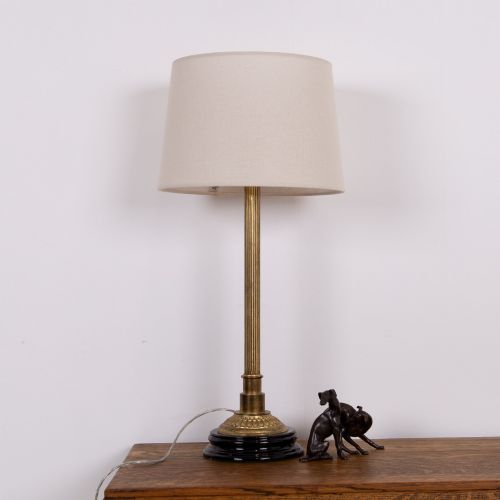
A carved limewood match striker shaped like a gnome keeps watch over the study.
What varies in quality
The distinction between standard utility items and finer examples rests on the selection of timber, such as figured mahogany or quarter-sawn oak, and the crispness of hand-carved details.
Superior pieces display integrated mechanical functions, dovetailed drawer construction and original hardware rather than later replacements.
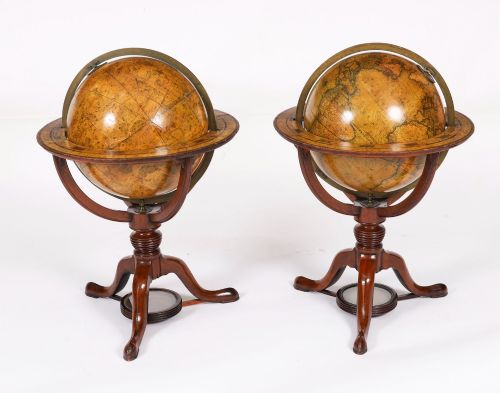
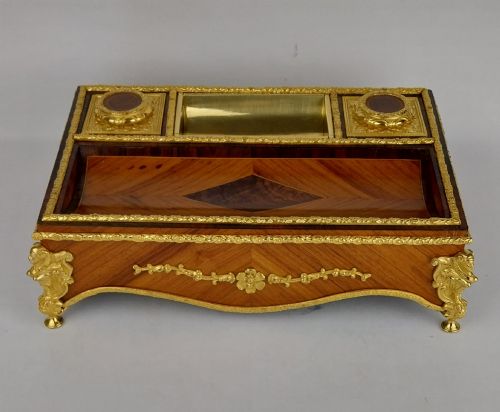
Cary London·Lebegue And Cie·William Hutton·Bruno Zach
The Vintage Standing Desk Glossary
- Lectern
- A slanted reading stand designed to hold books or papers at an ergonomic angle for a standing speaker or reader. These pieces often feature adjustable heights or pivoting surfaces.
- Kneehole desk
- A freestanding writing table with a central recess for the user's legs, flanked by pedestals of drawers. They allow for seated work but share materials with standing forms.
- Ormolu
- Gilt bronze ornamentation applied to furniture and decorative objects during the 18th and 19th centuries. The technique involves applying a gold amalgam to heated bronze.
- Brass gallery
- A low decorative metal rail fitted around the edge of a tabletop or shelf to prevent items from sliding off. These fixtures appear frequently on French and English pieces.
Vintage Standing Desk: Frequently Asked Questions
What is a vintage standing desk used for?
These pieces serve as elevated writing surfaces or reading lecterns, originally designed for clerks, students and professionals who worked while standing up.
Today, they function as practical home office furniture or display platforms for books and manuscripts.
How do I identify a Victorian standing desk?
Victorian examples typically feature solid mahogany or oak construction, often displaying heavy turned legs, spindle galleries or adjustable reading slopes.
Construction details like hand-cut dovetails and traditional timber seasoning help distinguish this era from later reproductions.
Are these desks suitable for daily laptop use?
Many historical standing desks and reading tables offer sufficient surface area and sturdy timber frames to support modern writing equipment or laptops.
Buyers should verify the height and writing surface dimensions to ensure comfortable daily ergonomics.
What woods were used for these desks?
Mahogany and oak predominate among the surviving pieces, offering durable surfaces and rich natural grain patterns that age gracefully with wax polish.
Secondary woods and occasional brass or leather accents appear depending on the specific period and workshop origin.