

Vintage Stainless Watch
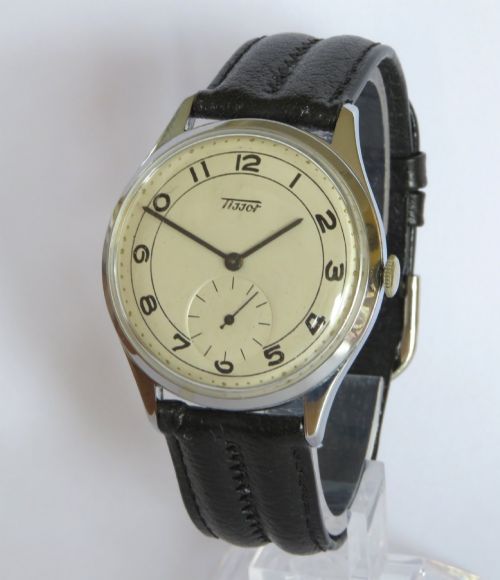
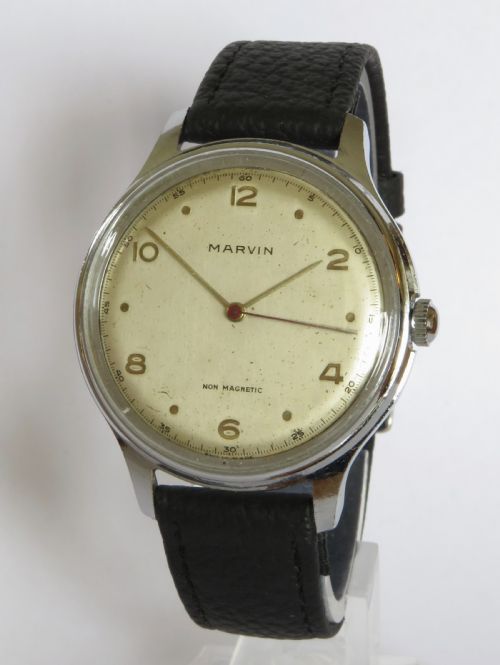
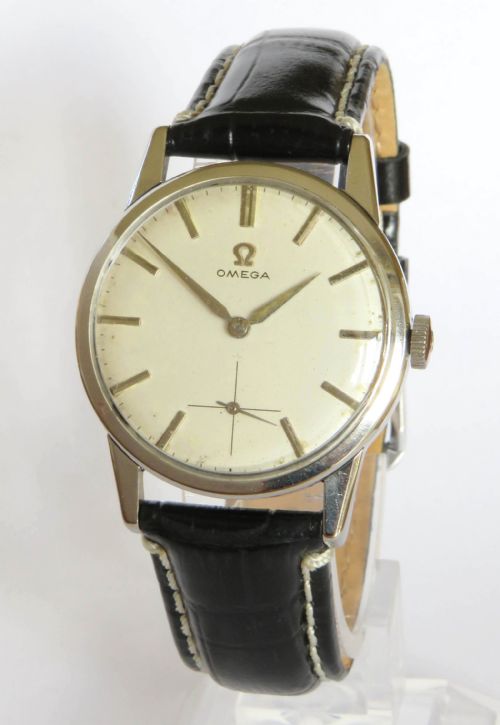
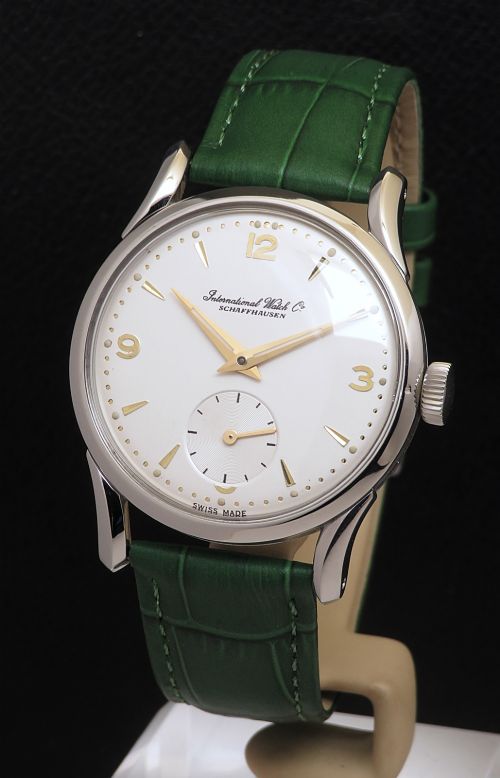
A vintage stainless watch brings mid-century engineering to the wrist, offering dependable mechanical movement housed in durable metal cases from the 1930s to the 1960s.
Vintage Stainless Watch
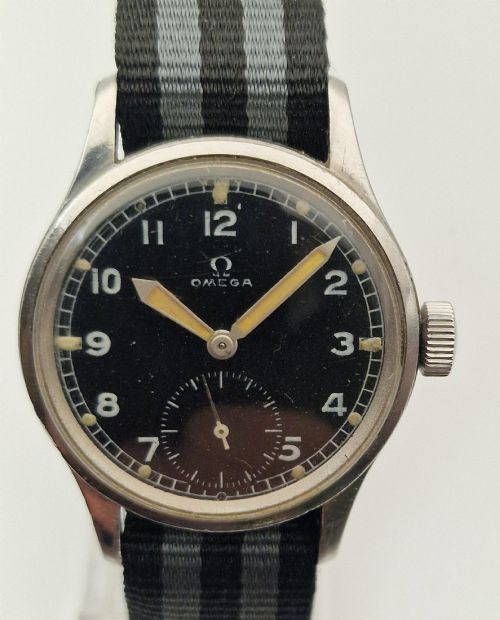
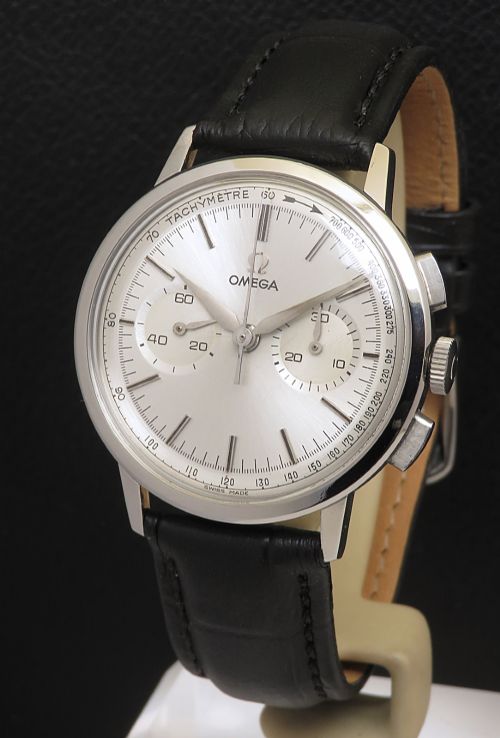
A vintage stainless watch comprises wristwatches, mechanical pocket pieces, and chronographs produced across the mid-century decades. Buyers searching this phrase examine functional timepieces shaped by utility, aviation, and dress styles.
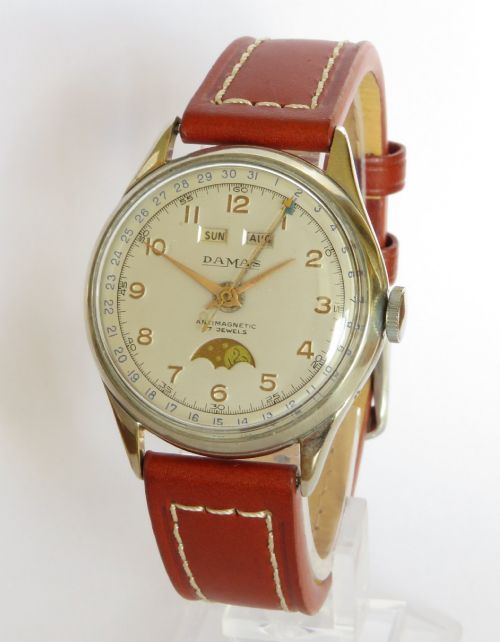
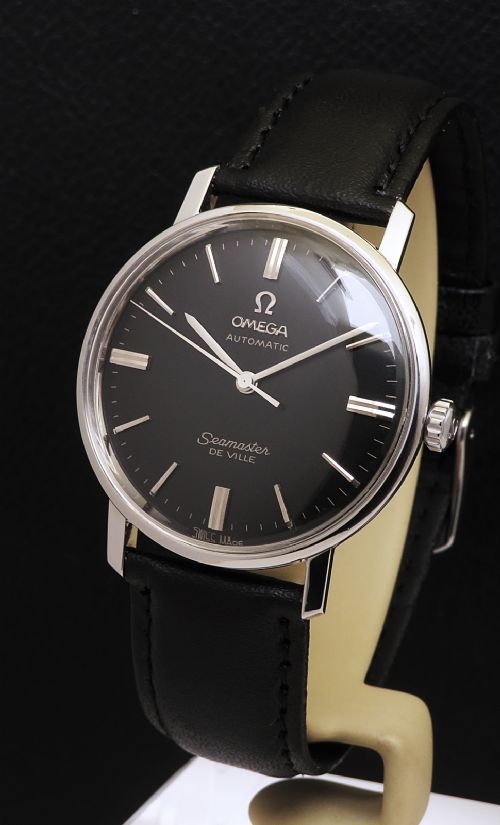
The selections span the 1930s, 1940s, 1950s, and 1960s, with pieces from the nineteen-sixties appearing most frequently. These items include robust military models alongside automatic calendar wristwatches.
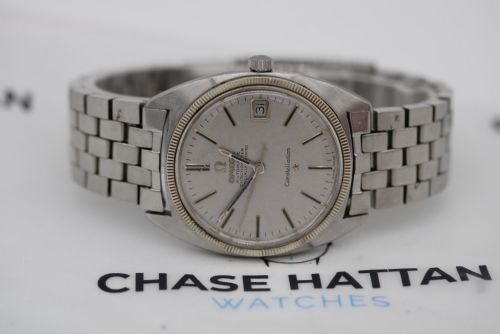
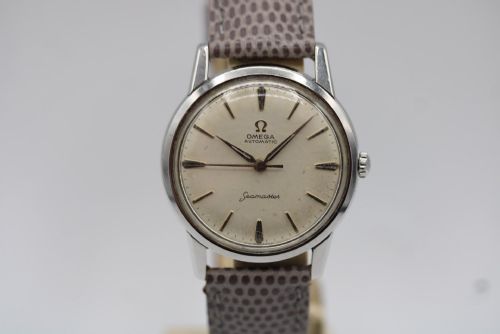
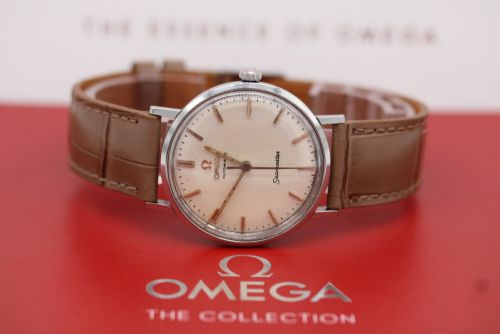
Originating predominantly from Swiss workshops and international makers, these watches utilise steel alongside acrylic glass and leather straps. The forms range from round Seamaster cases to rectangular mechanical tank designs.
Materials and construction methods
Cases forged from stainless steel provide the primary housing, chosen for corrosion resistance and durability. Acrylic and glass crystals protect the dials while leather and fabric complete the straps.
Movements rely on mechanical gear trains, manual wind mechanisms, and automatic winding systems. Swiss movements dominate the manufacturing standard, incorporating calibres designed for precise timekeeping.
Vintage Stainless Watch Retail Price Guide 2026
Typical asking prices for vintage stainless watch among the pieces listed under this phrase on Sellingantiques today, from the lower quarter to the upper quarter. They describe what is for sale here now, not the wider market.
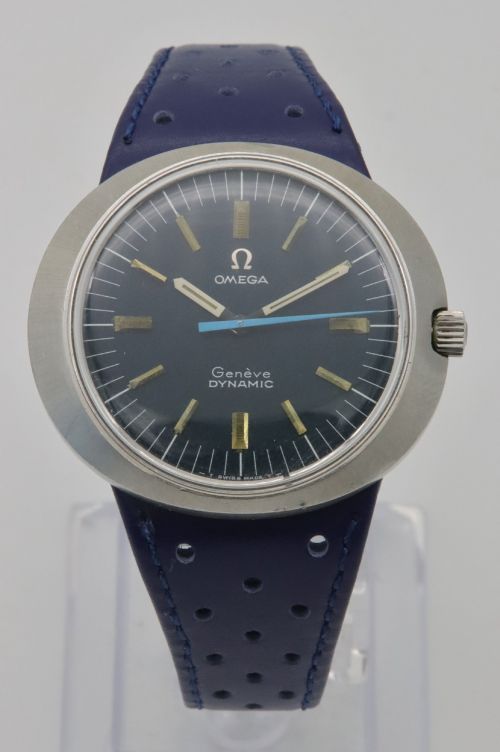
Drivers edition watches feature rotated dials so drivers can check the time without taking their hands off the steering wheel.
Factors of distinction
Condition of the dial and originality of components govern the standard of a timepiece. Unrestored dials with natural patina differ from clean, linen, or black surfaces preserved with original boxes and papers.
The complexity of the internal movement dictates execution quality, separating standard manual wind calibres from intricate chronographs and triple date mechanisms.
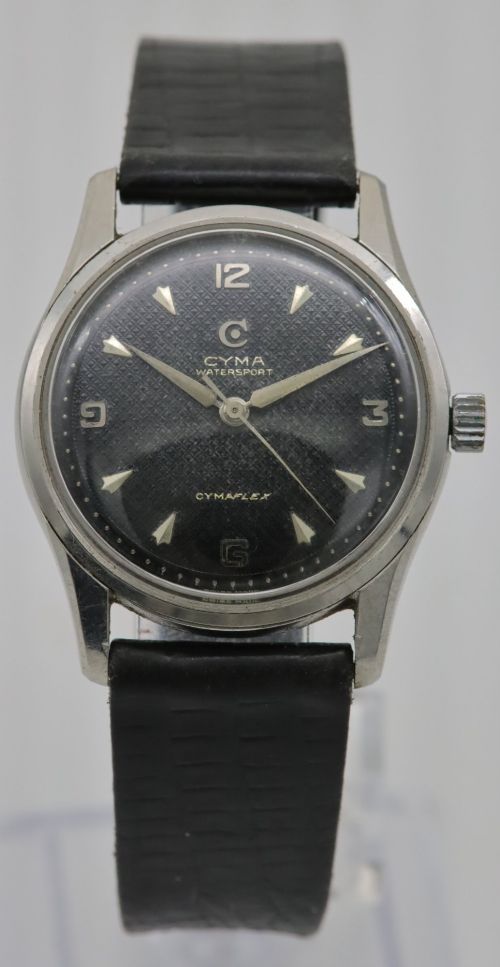
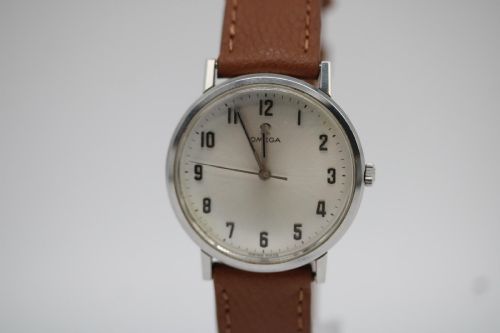
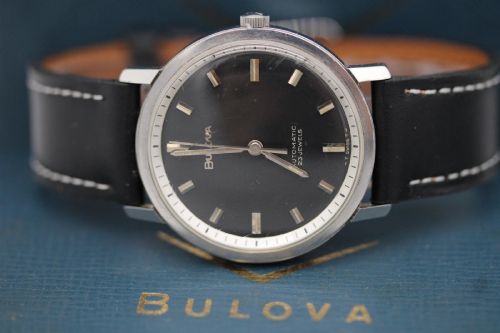
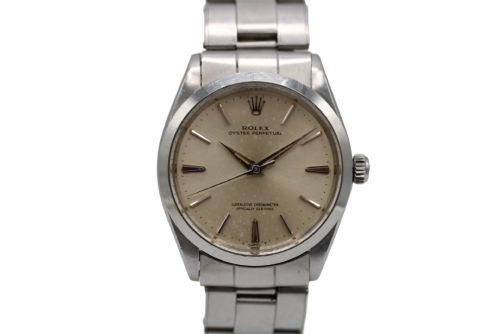
Omega·Rolex·Bulova·Cyma·Seiko·Hamilton·Longines·International Watch Company IWC
The Vintage Stainless Watch Glossary
- Calibre
- The specific internal movement mechanism designed by a watchmaker. This identifier denotes the mechanical layout and series of the piece.
- Chronograph
- A watch equipped with a stopwatch function in addition to standard timekeeping. Independent hands measure elapsed intervals.
- Acrylic glass
- A lightweight, shatter-resistant plastic material utilised for watch crystals during the mid-century period. It can be polished to remove surface scuffs.
- Automatic
- A self-winding mechanical movement powered by the natural motion of the wearer's wrist. An internal weighted rotor tensions the mainspring continuously.
Vintage Stainless Watch: Frequently Asked Questions
What makes a vintage stainless watch durable?
The use of stainless steel for the case protects the internal movement from moisture and everyday wear. This metal resists corrosion far better than plated brass or base metals from the same era.
Combined with acrylic crystals and robust mechanical calibres, these watches were built to endure decades of daily use without failing.
How do manual wind and automatic watches differ?
Manual wind watches require the wearer to turn the crown by hand daily to tension the mainspring and store power. Automatic watches feature an internal oscillating weight that winds the mainspring automatically through wrist movement.
Both systems rely purely on mechanical gears rather than batteries.
What do military designations mean on vintage watches?
Military designations indicate pieces issued to armed forces personnel during active service. These watches prioritise high legibility, luminous markers, and rugged stainless steel construction.
Such models often feature specific government marks or broad arrow symbols on the case back.
How should I care for a vintage mechanical watch?
Keep the watch away from water and high humidity unless it has been recently pressure tested by a professional watchmaker. Regular servicing every few years ensures the internal oils do not dry out and the gears remain accurate.
Manual wind models should be wound gently at a consistent time each day.