
Vintage Staffordshire Pottery
Vintage staffordshire pottery brings character to a room through traditional earthenware figures, jugs, and chargers shaped by British makers.
Vintage Staffordshire Pottery
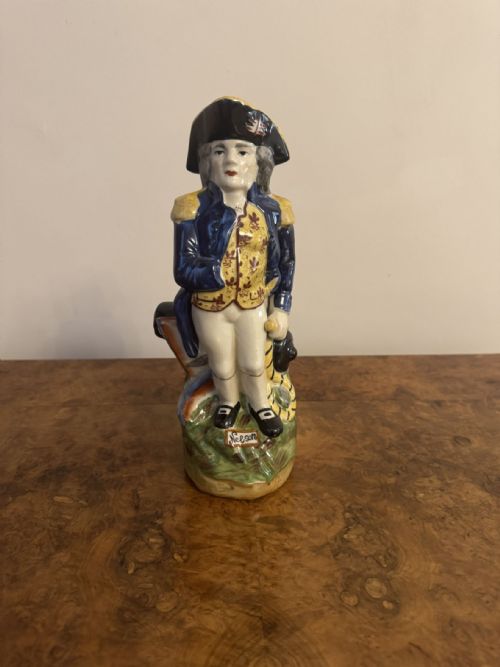
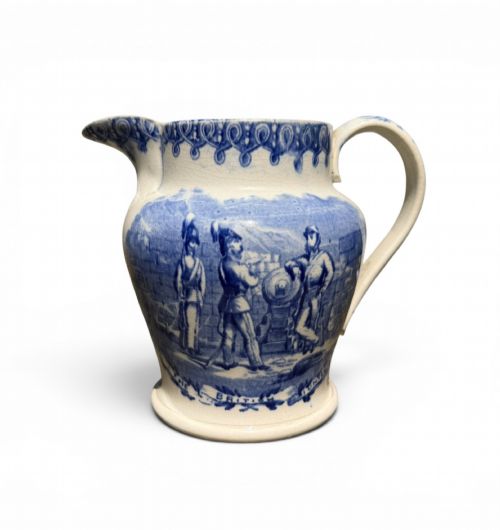
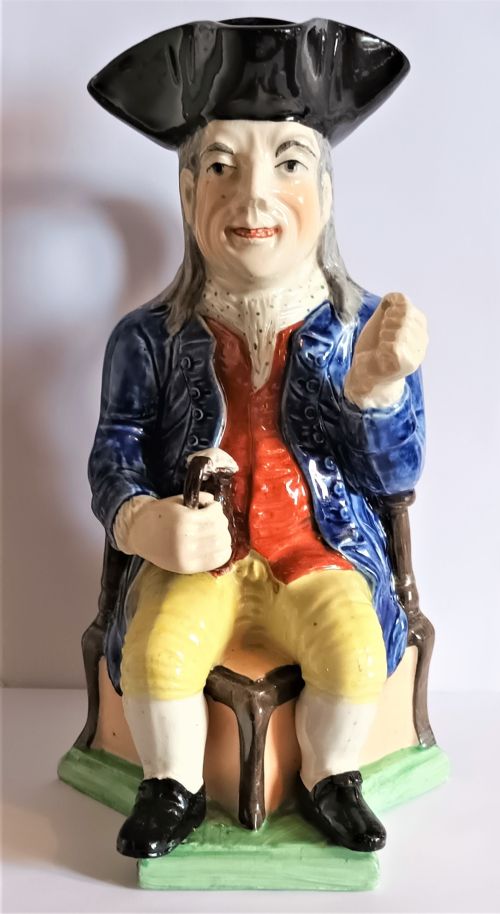
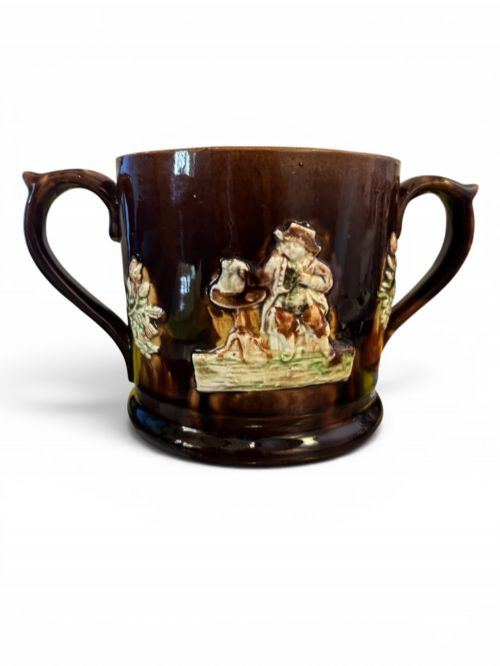
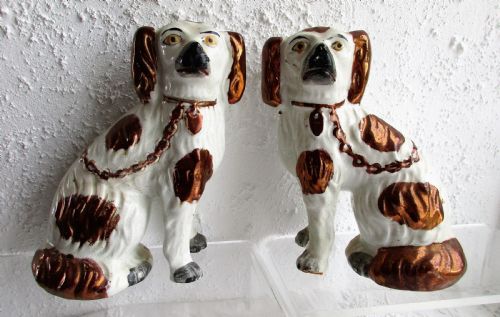
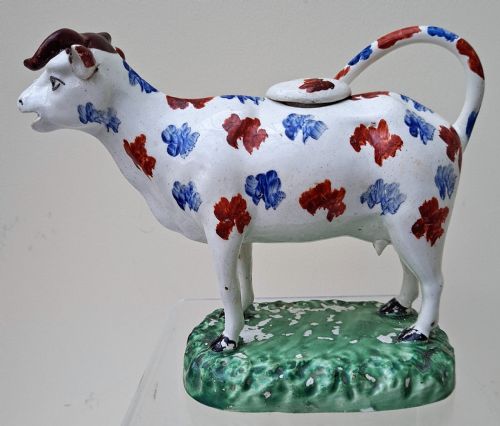
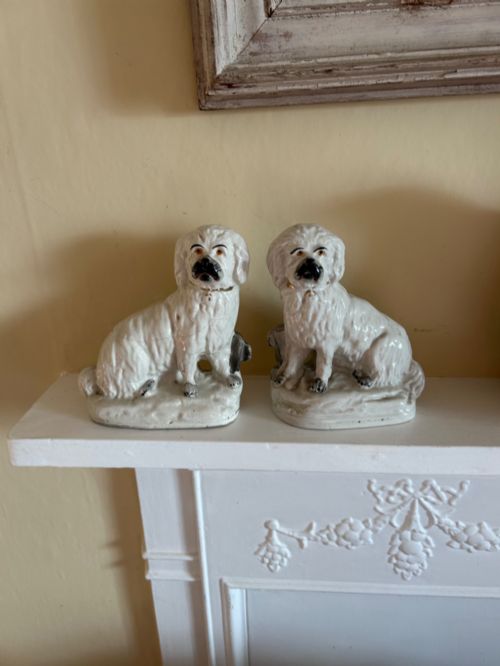
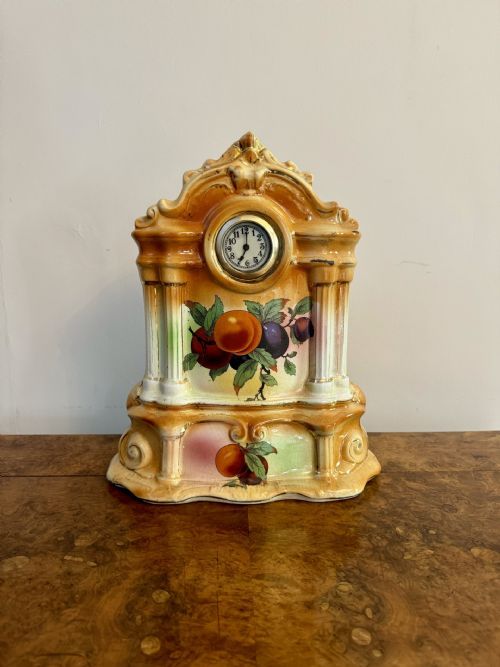
Vintage staffordshire pottery spans decorative figures, animal pairs, and utilitarian jugs produced across the nineteenth and twentieth centuries. Buyers encounter mantel dogs, toby jugs, transferware chargers, and colourful cottages that reflect British ceramic traditions. These pieces range from Georgian pearlware items to Victorian spaniels and equestrian figures.
Materials and Methods
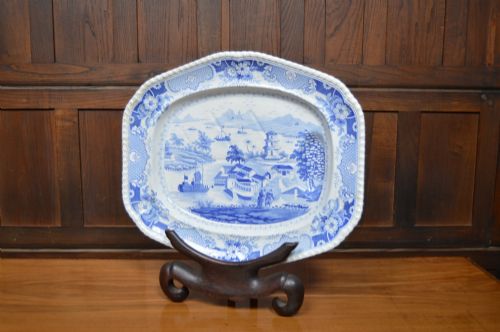
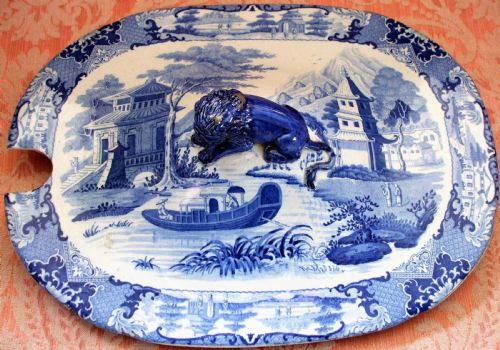
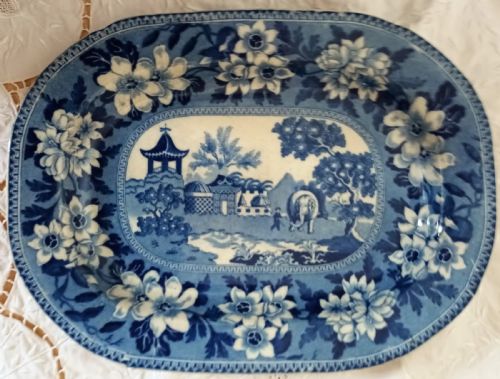
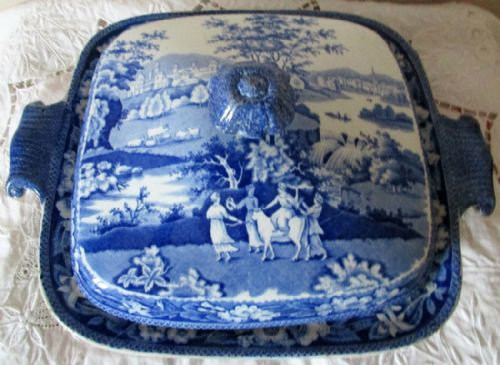
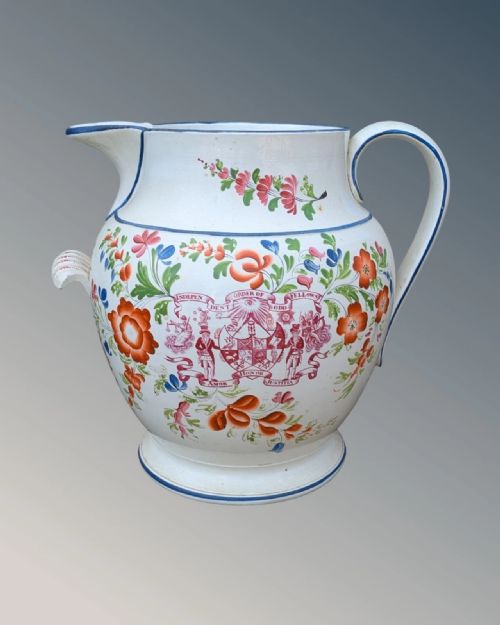
Potters shaped these objects using earthenware, creamware, and pearlware bodies, frequently applying a smooth glaze over moulded clay. Decoration relied on enamel paints, gold leaf accents, and blue or mulberry transfer printing to transfer intricate scenes onto plates, tureens, and chargers.
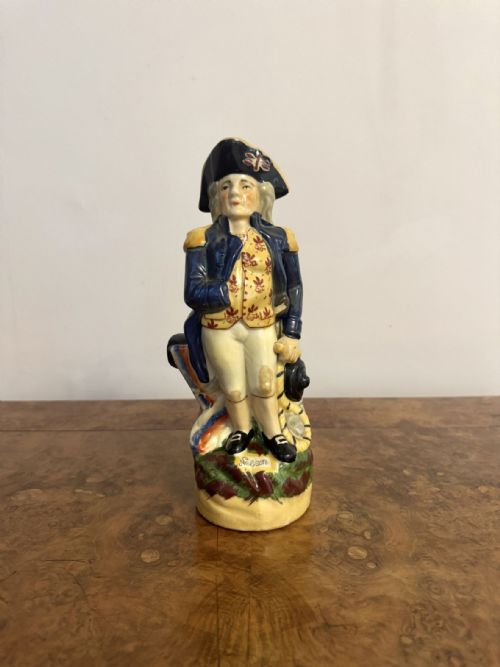
The manufacturing process involved pressing clay into moulds to create hollow figures like dogs and toby jugs, followed by kiln firing and hand decoration. Detail was achieved through relief moulding, such as cabbage leaf patterns on jugs, alongside careful hand-brushing of colours onto spaniels and human figures.
Listings span earthenware, pearlware, and creamware, incorporating transfer printing, enamel painting, and gold leaf decoration across multiple centuries.
Assessing Quality and Execution
Quality in these ceramics rests on the crispness of the mould and the precision of the hand-painting rather than sheer scale. Superior examples display finely rendered facial expressions on figures and sharp lines in transfer-printed scenes without blurring.
The richness and stability of the enamel colours and the evenness of the glaze separate finer studio or factory output from simpler utilitarian wares. Intact gilding and well-preserved painted details indicate better preservation and higher initial workshop standards.
J.W.R.·Robert Hamilton·John Rogers & Son·John and Richard Riley·Heathcote
The Vintage Staffordshire Pottery Glossary
- Pearlware
- A refined earthenware developed in the eighteenth century featuring a subtle bluish tint in the glaze. It provided a whiter surface that imitated Chinese porcelain better than standard creamware.
- Transferware
- Pottery decorated by pressing a design from an engraved copper plate onto tissue paper and transferring the ink onto the ceramic body before glazing. This technique allowed complex scenes like canton landscapes to be reproduced consistently.
- Creamware
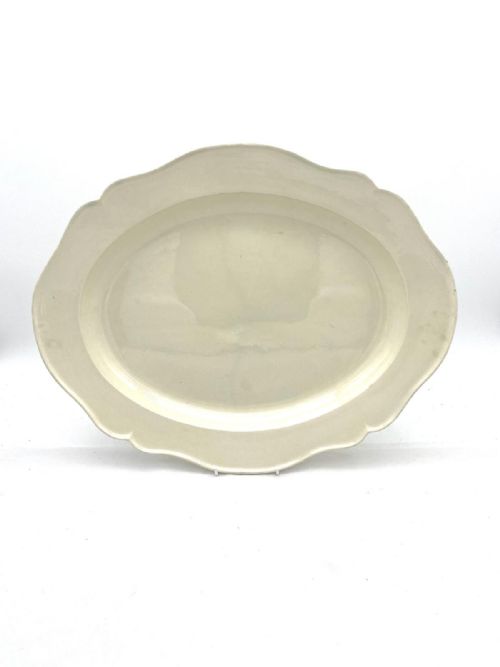
- A light-coloured refined earthenware perfected during the eighteenth century with a warm yellowish hue. It became a staple material for tableware and decorative vessels across Britain.
- Toby Jug
- A pottery jug shaped as a full-bodied seated figure, usually a stout man holding a mug of ale and a pipe. They often date to the Georgian and Victorian periods.
- Transfer
- The inked paper impression applied to unglazed or biscuit pottery to convey complex pictorial designs prior to firing.
Vintage Staffordshire Pottery: Frequently Asked Questions
How do I identify a genuine nineteenth-century spaniel?
Genuine nineteenth-century spaniel figures usually display hand-painted copper lustre patches, facial markings, and crazing within the glaze that reflects age.
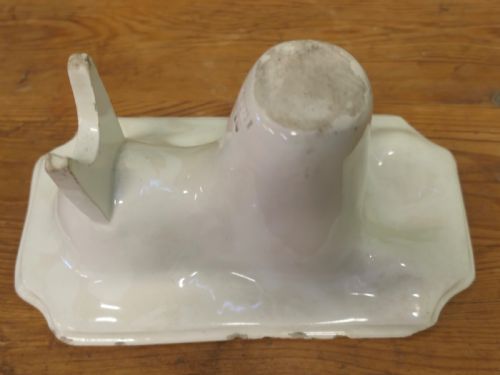
Inspect the base for an open vent hole and signs of wear appropriate to earthenware from the Victorian period.
What is a frog mug?
A frog mug is a traditional drinking vessel featuring a small ceramic frog modelled inside the base, designed to surprise the drinker as the liquid lowers.
These pieces often date to the Georgian era and served as novelty items in taverns.
How should I clean vintage earthenware?
Clean these ceramics gently using lukewarm water and a soft cloth, avoiding abrasive pads or harsh chemical detergents that might harm old enamel paint.
Because antique glazes can develop hairline cracks over decades, soaking should be avoided to prevent moisture trapping.
What is pearlware?
Pearlware is an earthenware body developed to achieve a whiter appearance than creamware by adding cobalt to the glaze.
It bridges the gap between earlier creamware and later nineteenth-century white earthenwares.