




Vintage Stackable Ring
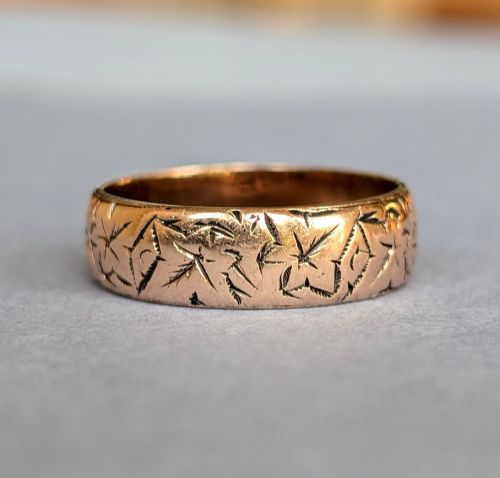
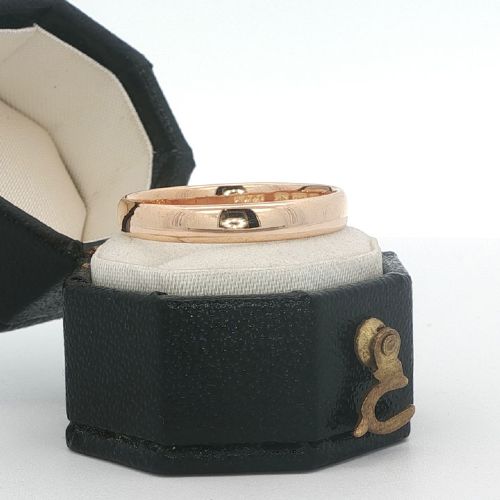
These vintage stackable ring examples span eras from the Regency period to the late twentieth century, offering versatile bands for daily wear.
Vintage Stackable Ring
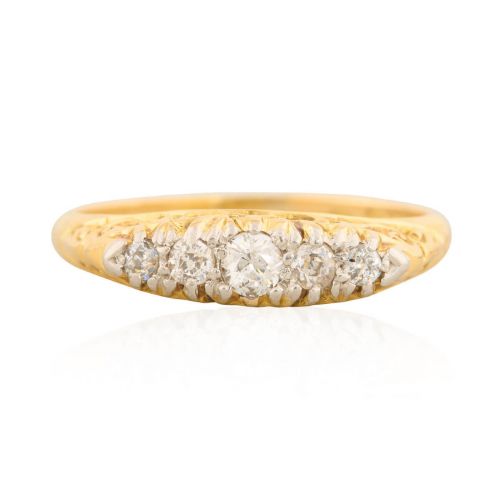
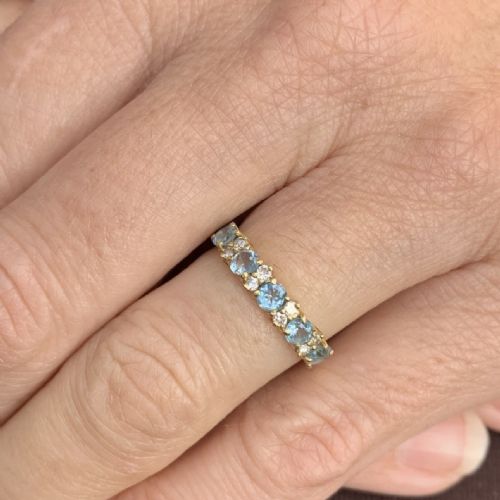
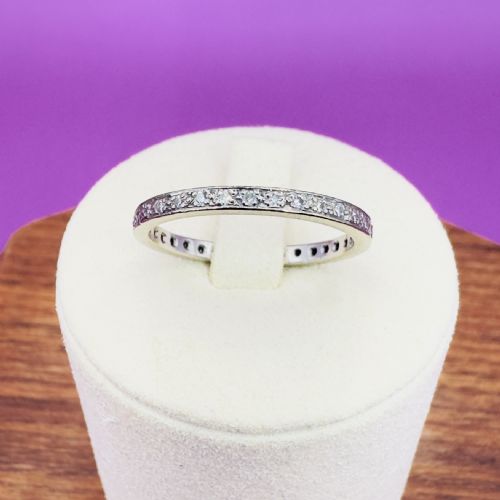
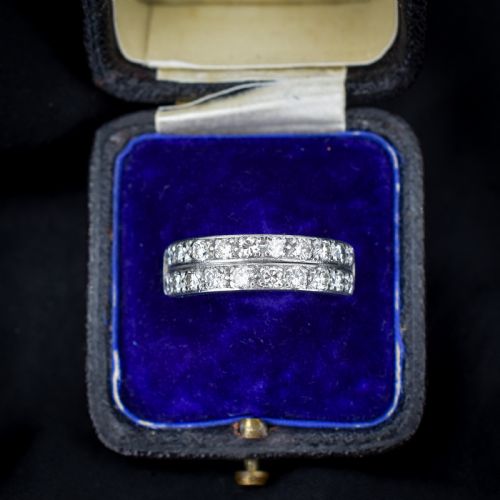
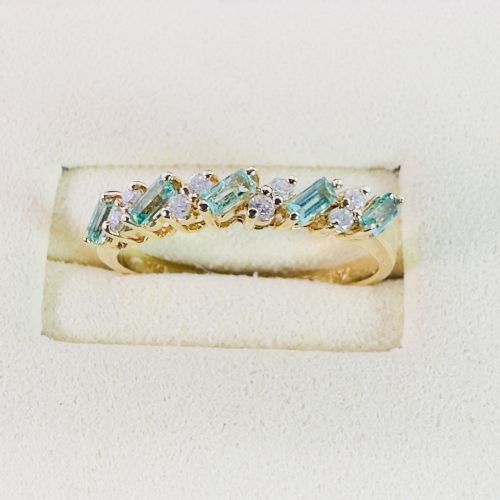
When you search for a vintage stackable ring, you encounter various band configurations designed to sit closely together on the finger. The selection encompasses wedding bands, half eternity rings, full eternity bands, and gemstone cluster settings.
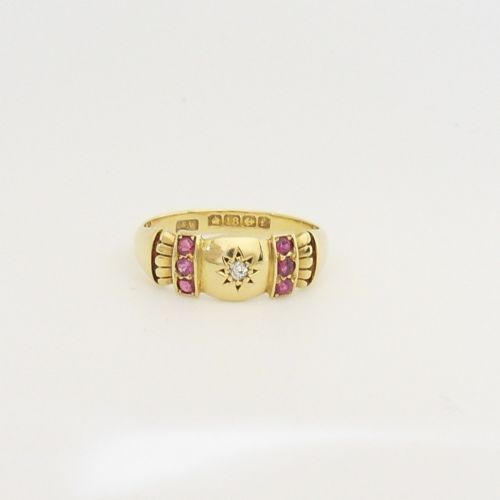
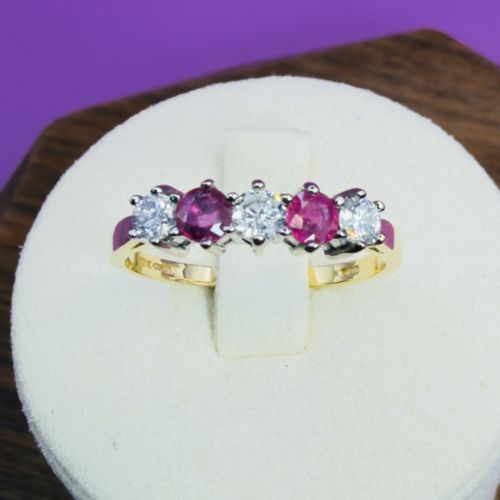
You are most likely to meet gold and platinum bands from the Art Deco, Edwardian, and mid-century periods. These range from plain precious metal wedding rings to gem-set half hoops set with diamonds, rubies, sapphires, and emeralds.
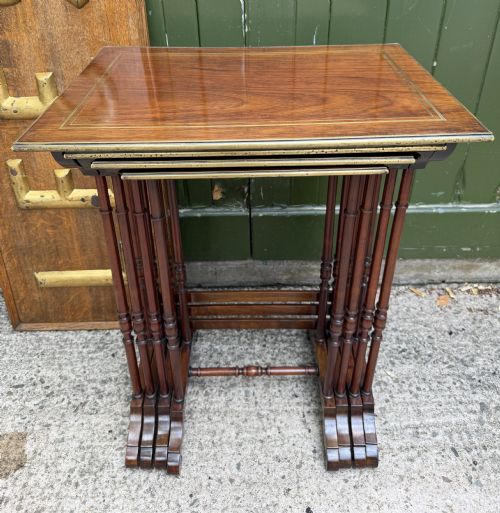
The assortment also includes occasional table nests from the Regency period, demonstrating how nesting forms appeared across different categories of antique manufacture.
How they were made
Jews and goldsmiths shaped these pieces predominantly from yellow gold, white gold, rose gold, and platinum. Metal selection shifted across decades, with platinum and white gold gaining prominence during the Art Deco era.
Gems including diamonds, rubies, sapphires, and spinels were hand-set into channels, starbursts, or claw settings. Metalworking techniques combined cast bands with meticulous hand-finishing and stone placement.
Precious metals utilised across the collection include platinum alongside eighteen carat yellow, white, and rose gold.
What varies in quality
Quality in these rings is determined by the precision of the stone setting and the integrity of the precious metal band. Heavier gauge gold and substantial platinum settings provide better durability for everyday wear.
The cut, clarity, and matching of stones within multi-stone rings dictate the overall refinement of the piece. Superior examples exhibit evenly spaced gems and crisp, unrubbed engraving on the metalwork.
The Vintage Stackable Ring Glossary
- Half eternity ring
- A band set with gemstones across the top half of the circumference. This design allows for easier resizing than a full eternity band.
- Harem ring
- A multi-tiered ring design featuring multiple interconnected bands or rows of stones. These intricate pieces create a stacked appearance within a single item.
- Platinum
- A dense, durable white precious metal favoured for fine jewellery settings during the Edwardian and Art Deco periods. Its strength allowed jewellers to create delicate claw settings.
- Quartetto
- A set of four nesting occasional tables designed to fit neatly beneath one another. The evidence includes brass-inlaid rosewood examples from the Regency period.
- Padlock drop
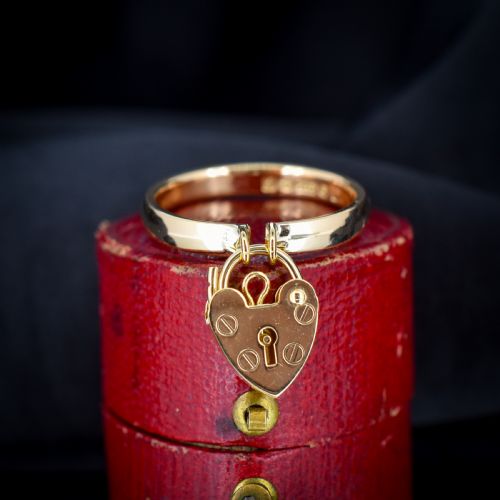
- A small hanging padlock charm attached to a ring or bracelet. This motif appeared on vintage gold band rings during the early twentieth century.
Vintage Stackable Ring: Frequently Asked Questions
Can I wear these rings together?
Yes, many of these historical bands are specifically suited for wearing in multiples on a single finger. Their slim profiles allow them to sit flush against one another.
Mixing different gold colours and gemstone combinations from various eras creates a textured, individual look on the hand.
How do I identify an Art Deco ring?
Art Deco rings typically feature geometric lines, platinum settings, and symmetrical arrangements of diamonds. The style emerged around nineteen twenty.
These pieces often incorporate crisp channel settings and structured half eternity bands that contrast with earlier flowing Edwardian designs.
Are wedding bands marked with hallmarks?
Many British gold and platinum bands feature traditional hallmarks indicating the purity of the metal and the assay office. These stamps help verify the era of manufacture.
Certain pieces include specific date letters or city marks, such as Birmingham, which pinpoint the year the item was tested and stamped.