




Classic Platinum Band
A classic platinum band offers enduring strength and a bright white metal surface, making it the premier choice for diamond and gemstone rings.
Classic Platinum Band
A classic platinum band forms the foundation of engagement rings, wedding bands, and trilogy rings spanning the 1920s through the 1960s and later. Buyers searching for a classic platinum band encounter solitaire rings, diamond settings, and gemstone combinations featuring sapphire and ruby.
The pieces on this page originate from periods including the 1920s, 1930s, 1950s, 1960s, and later, reflecting Art Deco, Mid-Century, and Modern Classic styles. Solitaire rings dominate the selection, accompanied by multi-stone arrangements and tennis bracelets.
How they were made
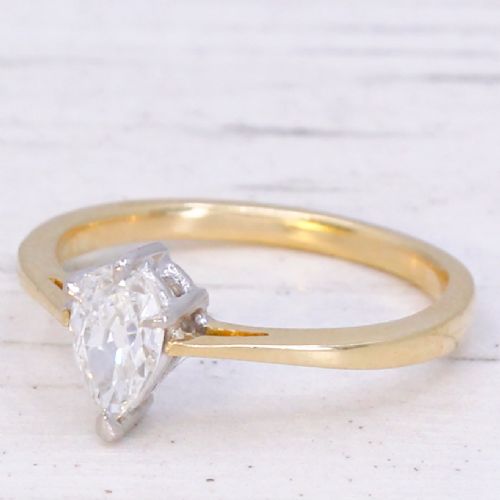
Craftsmen utilised solid platinum for bands and settings, often combining the dense white metal with 18ct gold or yellow gold. This combination provided a secure housing for old cut diamonds, pear cut diamonds, sapphires, and rubies.
Techniques visible across the inventory include collet setting and geometric stone arrangements typical of the Art Deco period. Metals were shaped into solid bands and delicate mountings designed to showcase central stones.
Listings feature platinum combined with 18ct gold, yellow gold, and white gold across periods from the 1920s to beyond 1960.
What varies in quality
Quality differences emerge in the weight and purity of the precious metals, distinguishing solid platinum constructions from mixed metal rings involving 18ct gold or yellow gold. The presence and proportion of platinum relative to other gold components influence the overall character of the band.
The calibre of the gemstones also shapes the distinction between pieces, with old cut and pear cut diamonds varying alongside coloured stones like rubies and sapphires. Settings range from simple collet designs to intricate geometric Art Deco layouts.
The Classic Platinum Band Glossary
- Platinum
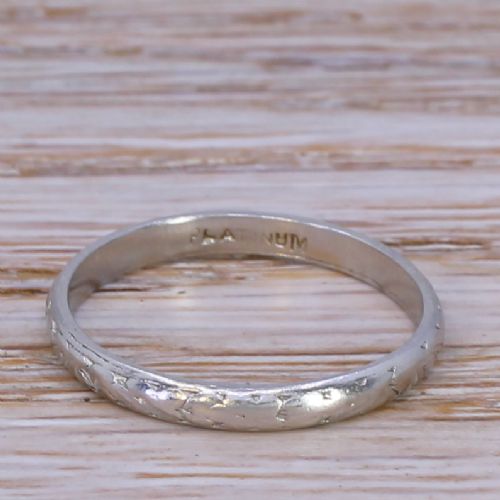
- A dense, durable, and naturally white precious metal utilised for high-end jewellery bands and stone settings. It maintains its colour without plating.
- Solitaire
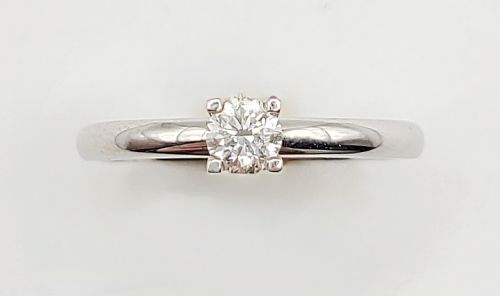
- A ring featuring a single central gemstone, most commonly a diamond set onto a metal band. This form remains a staple of engagement jewellery.
- Trilogy ring
- A ring set with three stones, typically diamonds or a combination of diamonds and sapphires. The three stones traditionally represent the past, present, and future.
- Old cut diamond
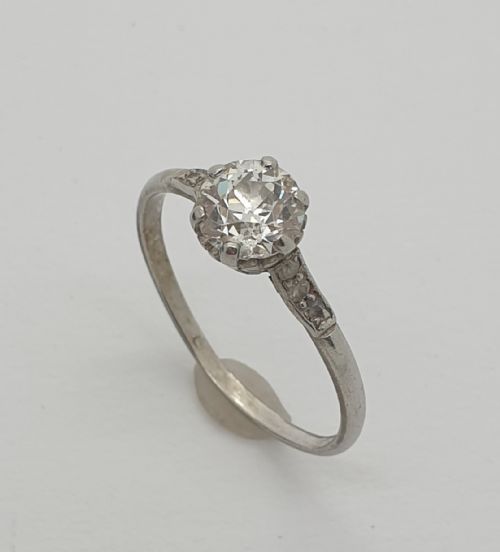
- A diamond cut in the early twentieth century or earlier, featuring smaller tables and broader facets designed for candlelight. These stones possess a distinct charm compared to modern cuts.
- Collet setting
- A method of securing a gemstone by enclosing its girdle in a metal collar or band. This technique provides a clean and secure outline for the stone.
Classic Platinum Band: Frequently Asked Questions
What periods do these rings come from?
The inventory includes pieces from the 1920s, 1930s, 1950s, 1960s, and later eras. Styles span Art Deco, Mid-Century, and Modern Classic designs.
Buyers find both distinct decade-specific characteristics and enduring traditional forms across the selection.
Are these bands made entirely of platinum?
While many feature solid platinum bands, several examples combine platinum with 18ct gold or yellow gold. Material composition varies by specific piece and period.
Makers frequently paired platinum settings with gold shanks, particularly in multi-stone configurations.
What stones are set in these bands?
Diamonds are the predominant gemstone, appearing as old cuts, pear cuts, and solitaire stones. Sapphires and rubies also feature in select trilogy and multi-stone rings.
Gemstone selection often aligns with the specific design style of the manufacturing period.
How do I care for a platinum band?
Platinum is a robust metal that withstands daily wear while developing a soft patina over time. Regular cleaning maintains the brilliance of the metal and any set diamonds.
Professional checks ensure that settings remain secure around central stones and side gems.