

Vintage Sporting Antiques
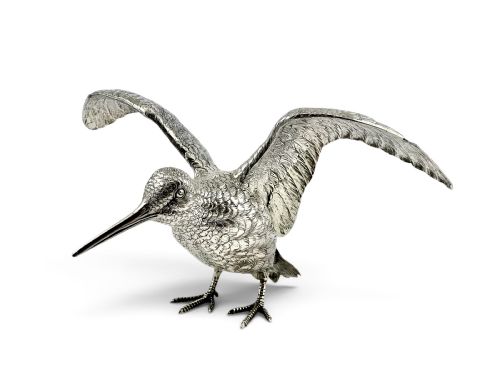
Vintage sporting antiques span equestrian oil paintings, tactile wooden croquet sets and silver animal brooches that celebrate field pursuits.
Vintage Sporting Antiques
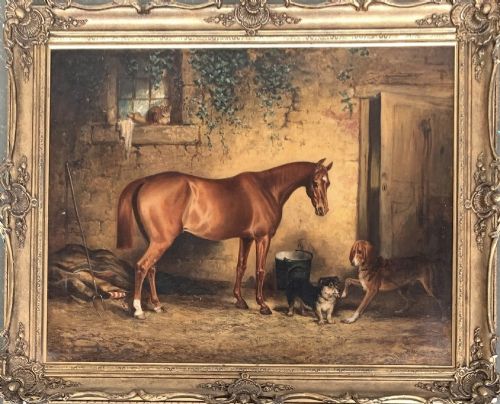
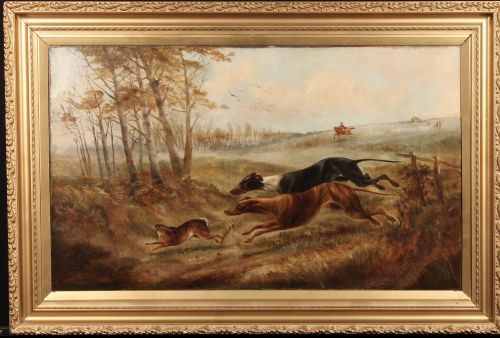
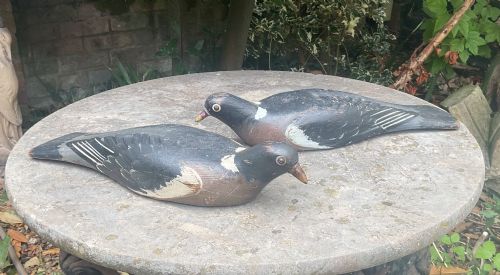
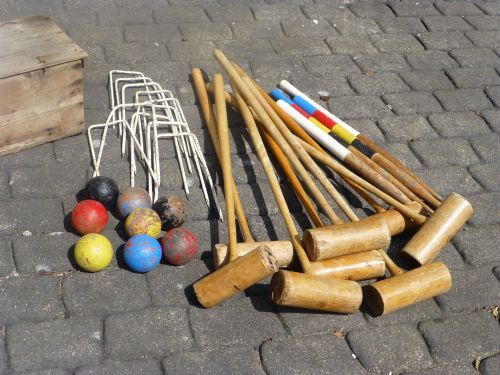
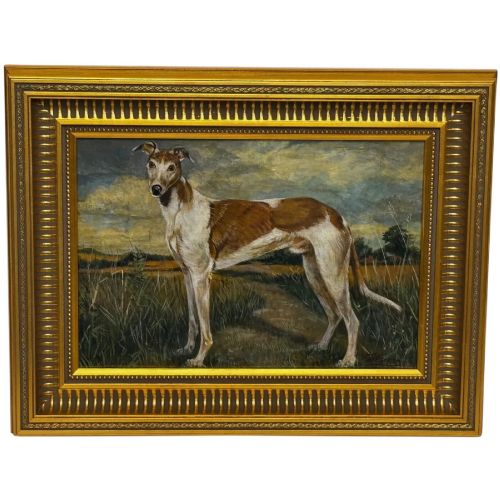
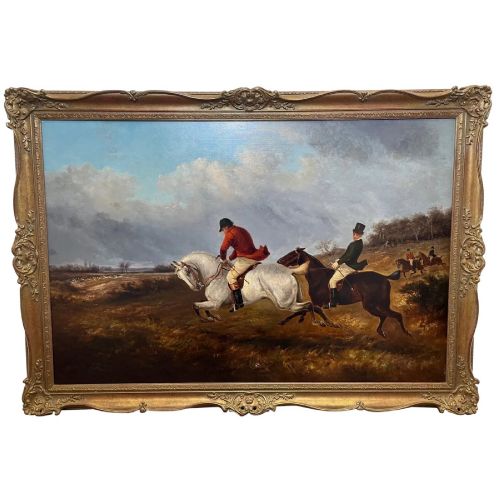
When buyers search for vintage sporting antiques, they encounter a diverse array of items connected to field pursuits, outdoor games and equine subjects. The pieces on this page range from Victorian oil paintings of racehorses and hunting scenes to Edwardian painted wood decoy pigeons and boxed croquet sets.
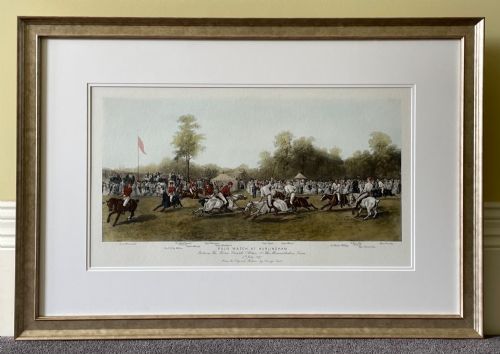
The selection heavily reflects British and European sporting life across the nineteenth and early twentieth centuries. Equestrian art, game bird watercolours, lithographs of polo and golf or cycling ephemera dominate the forms discovered here.
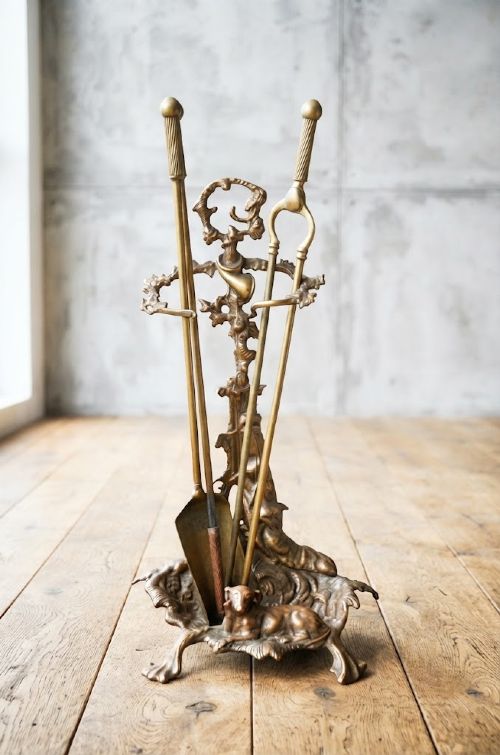
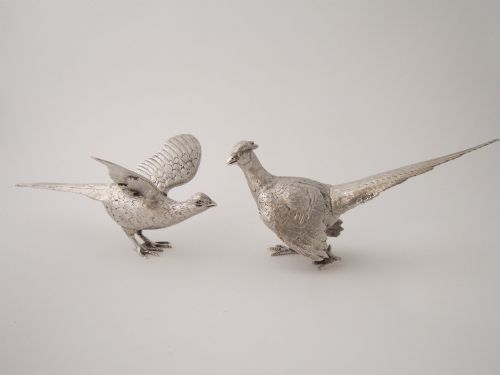
Buyers frequently find functional equipment alongside fine art, uniting pastime gear like wooden skis and table tennis sets with decorative brass companion stands and silver jewellery.
How they were made
Makers utilised traditional artisan materials such as oil paint on canvas, hand-carved wood, cast brass and sterling silver to construct these items. Canvases capture detailed animal portraits through oil and watercolour, while decoy ducks and pigeons demonstrate skilled carpentry and hand-painting.
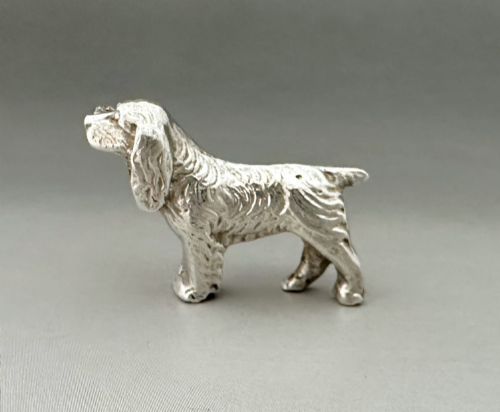
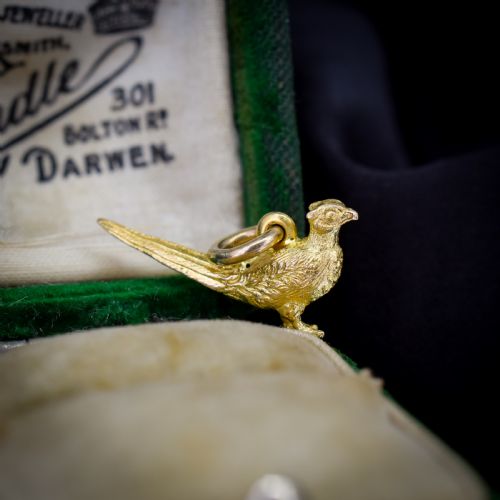
Metalwork involved sterling silver casting and engraving for brooches, pocket watch chains and commemorative trophies. Paper goods rely on lithography, aquatint and engraving techniques to reproduce scenes of hare coursing and horse racing.
What varies in quality
Quality in these items rests upon the fidelity of the draughtsmanship, the originality of the materials and the preservation of the surface. Paintings with documented provenance and named artists command greater interest than unsigned works of the period.
Manufactured games and equipment retain higher appeal when they survive in their original fitted wooden boxes with complete components. The crispness of an engraving plate and the depth of cast detail in silver or brass separate standard production items from superior examples.
Henry Barraud·George Wright·Fred Fitzpatrick·Thomas Smythe·Philip Rideout
The Vintage Sporting Antiques Glossary
- Lithograph
- A print made from a planographic image on stone or metal. This technique allowed nineteenth-century publishers to distribute popular racing and hunting scenes widely.
- Decoy
- A carved wooden or canvas bird utilised to attract wildfowl during shooting expeditions. These working objects now serve as decorative folk art.
- Aquatint
- A variant of etching that produces broad tonal areas resembling watercolour washes. It was frequently employed for nineteenth-century sporting prints.
- Provenance
- The documented history of ownership attached to a work of art or artefact. It establishes authenticity and traces the item back through past collections.
- Equine art
- Depictions of horses within racing, hunting or stable settings. This genre forms a significant cornerstone of British sporting painting.
Vintage Sporting Antiques: Frequently Asked Questions
What periods do these pieces cover?
The inventory encompasses items primarily from the Victorian and Edwardian eras, stretching from the early nineteenth century through to the interwar decades.
Most surviving examples date between eighteen-hundred and nineteen-thirty, reflecting the peak of traditional field sports and leisure pastimes.
How were old croquet sets stored?
Quality croquet equipment was housed in fitted wooden boxes constructed from pine or other sturdy timbers. These partitioned cases held mallets, balls, hoops and turning pegs securely between matches.
Complete surviving sets retain their original interior layout and manufacturer markings.
Are sporting paintings signed by artists?
Many oil paintings and watercolours feature artist signatures or contemporary attribution notes on the canvas or reverse stretcher. Notable nineteenth-century equine and field painters frequently signed their finished works.
Unsigned pieces often remain attributed to regional British schools of the period.
What materials make up antique decoys?
Working decoy birds were hand-carved from solid blocks of wood and finished with painted lead or oil pigments. Makers applied these muted natural tones to mimic mallards, woodcocks and pigeons accurately.
Over decades of use, the surface paint developed a distinctive weathered patina.
How do I identify a hunting scene?
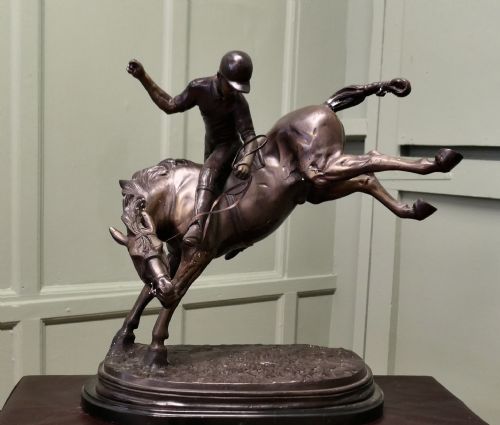
Hunting scenes typically feature mounted riders in traditional red or dark coats accompanied by packs of hounds across open countryside. These compositions appear frequently across oil paintings, bronze figures, brass fire stands and printed lithographs.
Details often reference specific local hunts or historical estates.