





Vintage Spelter Table Lights
These vintage spelter table lights combine sculptural figures with period illumination, offering a distinct decorative focus for any interior.
Vintage Spelter Table Lights
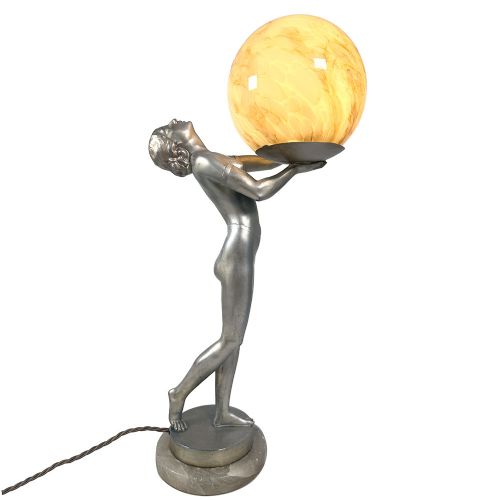
When you search for vintage spelter table lights, you encounter sculptural domestic lighting that draws heavily on figurative and decorative motifs. These pieces range from substantial figural arrangements to smaller night lights designed for ambient illumination.
The selections on this page centre upon table lamps and candelabra originating across the late nineteenth and early twentieth centuries. Art Deco and Art Nouveau styles dominate the grouping, alongside Victorian and Neoclassical expressions.
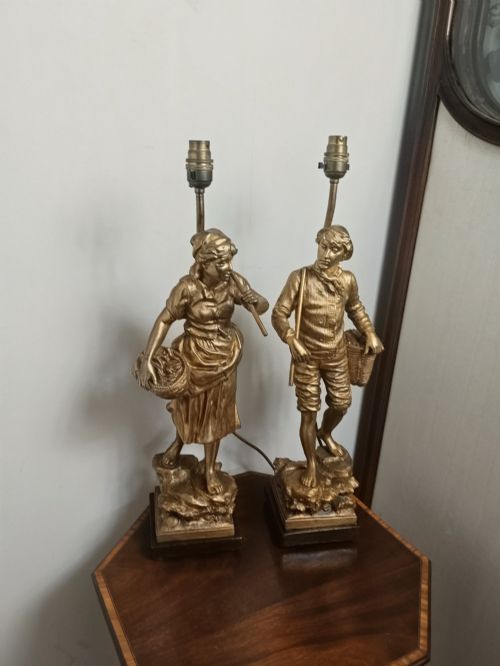
Figural subjects are particularly common, featuring ladies, musketeers, pierrots, and animals integrated directly into the body of the light. These domestic objects merge utilitarian function with the artistic trends of their respective periods.
How they were made
The primary material, spelter, is a zinc-based alloy utilised for its capacity to hold fine cast detail while remaining relatively cost-effective. Makers frequently applied patinated metal finishes, bronze effects, or gilding to simulate more expensive bronze castings.
Bases and structural elements often incorporate contrasting materials such as marble to provide stability and visual weight to the composition. Shade components utilise glass, frosted glass, and fabric to diffuse the light emitted by the fitting.
Vintage Spelter Table Lights Retail Price Guide 2026
Typical asking prices for vintage spelter table lights among the pieces listed under this phrase on Sellingantiques today, from the lower quarter to the upper quarter. They describe what is for sale here now, not the wider market.
The documented periods span from the late nineteenth century through the Art Deco era of the 1930s.
What varies in quality
Quality in these pieces rests primarily upon the crispness of the casting and the sensitivity of the applied finish. Superior examples display sharply defined facial expressions, drapery, and ornamentation that survive the moulding process intact.
The integration of the figural element with its base materials, such as fitted marble plinths, determines the overall solidity of the piece. The character of the associated glass elements and the retention of original patination further separate standard production from finer studio work.
E Rousseau·P Sega·Moreau
The Vintage Spelter Table Lights Glossary
- Spelter
- A zinc alloy commonly utilised as a substitute for bronze in nineteenth and twentieth-century decorative figures and lighting. It accepts patination and metallic paints readily.
- Patinated metal
- Metal treated with chemicals, heat, or paint to produce a specific surface colour or aged appearance. This finish protects the underlying alloy and defines the visual tone.
- Candelabra
- A branched candlestick designed to hold multiple light sources or candles simultaneously. These fixtures often double as sculptural table centerpieces.
- Mood lamp
- A low-illumination decorative light intended to create atmosphere rather than provide task lighting. They frequently incorporate coloured or frosted glass components.
Vintage Spelter Table Lights: Frequently Asked Questions
What is spelter?
Spelter is a zinc-based alloy that manufacturers used widely for decorative figures, clocks, and lamps from the nineteenth century onward. It served as an accessible alternative to bronze.
Because the metal is relatively soft, it allowed founders to cast intricate details economically. Most pieces received a bronze-like or painted finish to enhance their appearance.
How do I date them?
Dating relies heavily on stylistic markers, such as the geometric lines of Art Deco or the flowing vegetal forms of Art Nouveau. Base materials like heavy veined marble also offer clues to the era of production.
Maker signatures or foundry marks stamped into the metal provide the most direct evidence. Comparing the costume and subject matter of figural lamps to contemporary fashion helps narrow down the decade.
Are original shades common?
Original shades on these table lights are relatively uncommon due to their fragile nature and the passage of time. Many surviving lamps have been paired with replacement glass or fabric shades in subsequent decades.
When an original frosted glass torchere or art glass shade remains with the base, it significantly increases the historical integrity of the object. Collectors often look for compatibility between the era of the shade and the base.
How were they used?
These lights served as decorative accent pieces in parlours, living rooms, and bedrooms rather than primary illumination. Their dual role as sculpture and lamp made them focal points on side tables and mantelpieces.
Smaller versions functioned as night lights, casting a soft glow through tinted or frosted glass panels. They were designed to showcase the owner's taste within domestic interiors.
How do I care for them?
Maintaining these pieces involves gentle dusting with a soft, dry cloth to protect the delicate patinated surfaces. Avoid using commercial metal cleaners or harsh liquids, which can strip away the original finish.
Ensure that the electrical wiring is inspected by a qualified professional before regular use, as many older fixtures retain vintage internal components.