


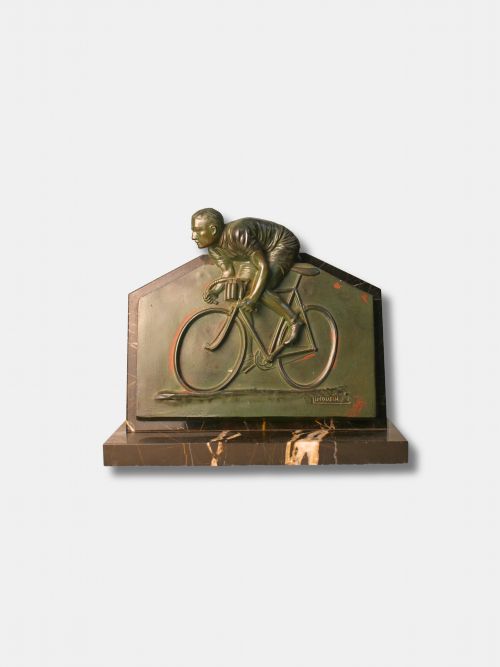


Vintage Spelter Ornaments
These vintage spelter ornaments bring expressive metallic form and period character to a room, offering an accessible route into sculptural collecting.
Vintage Spelter Ornaments
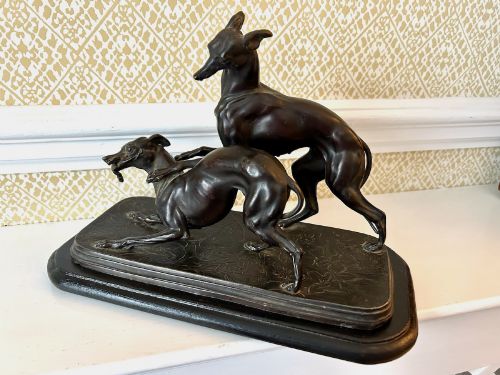
Vintage spelter ornaments encompass figures, sculptures, and statues produced primarily across the nineteenth and twentieth centuries. When searching for vintage spelter ornaments, buyers encounter works ranging from Victorian pairs to French Art Deco dancers and animals.
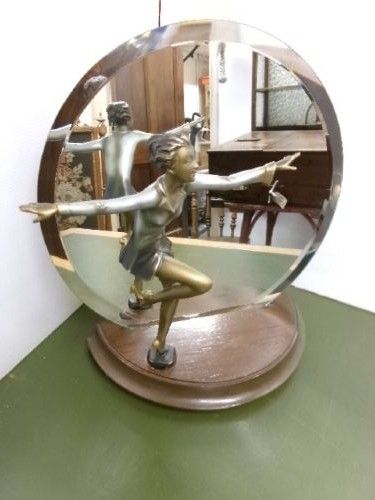
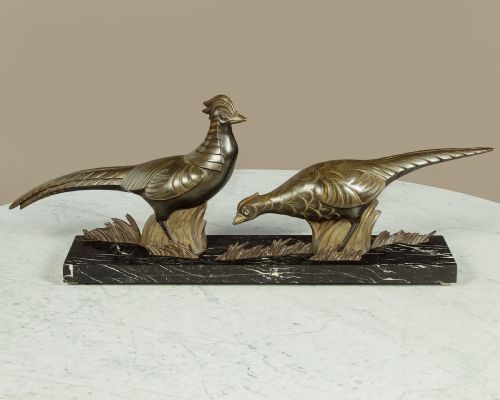
The selections span distinct historical moments, including Victorian, Edwardian, and Art Deco eras. Forms include human figures, dancers, sporting subjects such as cycling, animals like panthers and pheasants, and figural groups.
French production dominates the offerings, frequently pairing metal figures with heavy stone bases. These pieces reflect the prevailing sculptural tastes of their respective periods, from Orientalist influences to streamlined modernism.
How they were made
Makers utilised zinc alloy, commonly known as spelter, cast into moulds to form the figures. This metal served as a cost-effective alternative to bronze while allowing for fine detail.
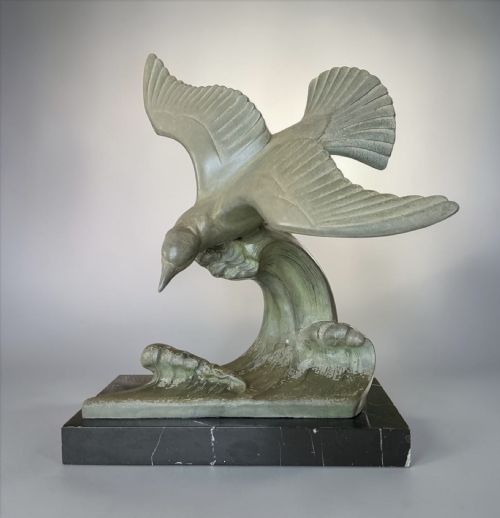
Finished surfaces received patination, cold painting, or gilding to enhance their visual appeal. Metal figures were frequently mounted onto heavier supports made of marble, onyx, alabaster, or wood for stability and contrast.
Vintage Spelter Ornaments Retail Price Guide 2026
Typical asking prices for vintage spelter ornaments among the pieces listed under this phrase on Sellingantiques today, from the lower quarter to the upper quarter. They describe what is for sale here now, not the wider market.
Materials commonly paired with the metal figures include marble, onyx, alabaster, glass, and wood.
What varies in quality
The choice of base material influences the overall integrity and proportion of the work. Combinations featuring substantial marble or onyx plinths, alongside well-preserved patination or original cold painting, elevate the finished object.
Josef Lorenzl·P. Sega·Geo Maxim
The Vintage Spelter Ornaments Glossary
- Spelter
- A zinc-based alloy used as an accessible substitute for bronze in decorative metalwork. It takes fine casting well and accepts various surface treatments.
- Patinated metal
- Metal treated with chemicals or heat to produce a specific surface colour and aged appearance. This finish protects the underlying alloy and adds depth.
- Cold painted
- A method where paint is applied to a metal object without heat firing. It allows for vibrant, multi-coloured surface decoration on figures.
- Plinth
- A heavy base supporting a statue or figurine. In these pieces, stone plinths of marble or onyx provide both physical balance and aesthetic presence.
Vintage Spelter Ornaments: Frequently Asked Questions
What is spelter metal?
Spelter is a zinc-rich alloy that sculptors and manufacturers utilised as an economical alternative to bronze. It allowed workshops to produce decorative figures at a scale that suited the broader domestic market.
Because the metal is softer than bronze, manufacturers relied on patination, gilding, or cold painting to finish the surface and imitate more costly materials.
How do I care for these ornaments?
These pieces require gentle maintenance, keeping them away from direct moisture and strong sunlight to protect the surface finishes. Dusting with a soft, dry cloth is usually sufficient for regular upkeep.
Avoid using harsh cleaning agents or metal polishes, as these can strip away original cold painting or delicate patination from the metal.
Are these pieces French?
Many figures originating from the early twentieth century bear strong ties to French studios and foundries. Paris served as a major centre for the creation of decorative Art Deco metalwork.
At the same time, British and wider European makers also utilised the material for domestic decorative items throughout the Victorian and Edwardian periods.
Why are they mounted on stone?
Mounting metal figures onto heavy stone bases provided necessary physical stability for the relatively lightweight alloy. Marble, onyx, and alabaster were favoured for their density and smooth finish.
These stone plinths also added a distinct architectural contrast to the metallic figures, particularly during the Art Deco period when geometric bases were popular.