

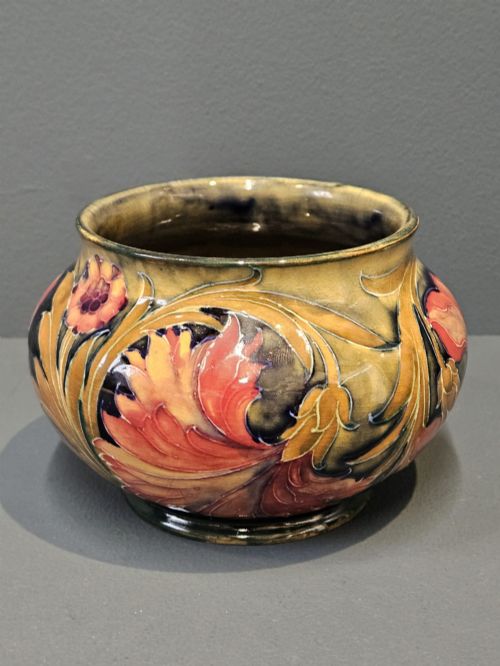


Vintage Spanish Ceramics
These vintage spanish ceramics bring rustic Mediterranean warmth to a room through weathered terracotta, painted surfaces, and glazed earthenware.
Vintage Spanish Ceramics
When you search for vintage spanish ceramics, you encounter a selection of earthenware vessels, terracotta oil jars, and decorative plates that span from the nineteenth century into the early twentieth century. The inventory on this page leans heavily toward large storage jars, rustic planters, and polychrome plates reflecting Mediterranean folk traditions.
The objects take practical forms such as amphora vessels, garden urns, and squat vases designed for utilitarian use before finding a place in domestic interiors. Makers outside Spain, including English potteries, also produced pieces inspired by the aesthetic, creating figurines that mirror Spanish themes.
How they were made
The foundation of these pieces lies in local clay and terracotta, shaped into robust vessels, jars, and plates suited to utilitarian storage and display. Artisans applied glazes and painted surfaces to seal the porous earthenware and introduce colour and pattern.
Some larger garden urns and oil jars incorporate supplementary materials such as wrought iron for stands, providing structural support to heavy clay bodies. Firing techniques and hand-painting ensure that no two vessels share identical surface characteristics.
Vintage Spanish Ceramics Retail Price Guide 2026
Typical asking prices for vintage spanish ceramics among the pieces listed under this phrase on Sellingantiques today, from the lower quarter to the upper quarter. They describe what is for sale here now, not the wider market.
Materials across these listings include terracotta, earthenware, bone china, glaze, and wrought iron.
What varies in quality
Quality in these ceramics rests on the integrity of the clay body and the preservation of hand-painted or glazed surfaces over time. Pieces that retain their original polychrome pigments or stable glazes demonstrate superior survival through decades of domestic or garden use.
Proportion and scale also distinguish the range, as larger olive jars and amphora vessels require greater skill in forming and firing without distortion. The addition of stable wrought iron stands enhances the presence of larger terracotta forms.
The Vintage Spanish Ceramics Glossary
- Terracotta
- A porous, brownish-red fired clay used extensively for utilitarian jars, planters, and urns. It is unglazed or partially glazed, acquiring character through age and weathering.
- Polychrome
- Decorated in a variety of colours. This term describes plates and vessels painted with multiple pigments across their surfaces.
- Earthenware
- Pottery fired at lower temperatures than stoneware or porcelain, remaining slightly porous. It forms the core material for traditional Mediterranean vessels.
- Amphora
- A two-handled ancient storage jar with a narrow neck, a shape revived in later centuries for decorative and garden use. These vessels often feature rounded bodies designed to stand upright in specialised frames.
Vintage Spanish Ceramics: Frequently Asked Questions
How were terracotta oil jars used?
These large jars served primarily for storing and transporting olive oil and other agricultural goods across Mediterranean estates.
Their thick terracotta walls helped maintain stable internal temperatures for the liquids stored within.
Where should I place a large olive jar?
Large olive jars suit prominent floor spaces in hallways or living areas where their scale can be appreciated.
They also function effectively in sheltered garden settings when paired with appropriate stands.
How do I identify nineteenth-century pieces?
Nineteenth-century examples typically display hand-formed terracotta bodies with irregularities from traditional manufacturing methods.
Surface wear, hand-painted polychrome details, and historical repair marks often indicate greater age.
Are these ceramics waterproof?
Many traditional earthenware and terracotta pieces remain porous unless specifically glazed on the interior.
It is advisable to use a liner if placing them on delicate indoor surfaces with fresh plants.