

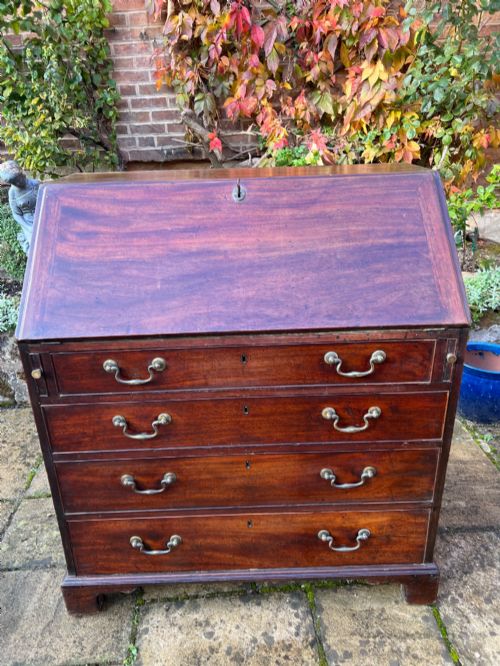
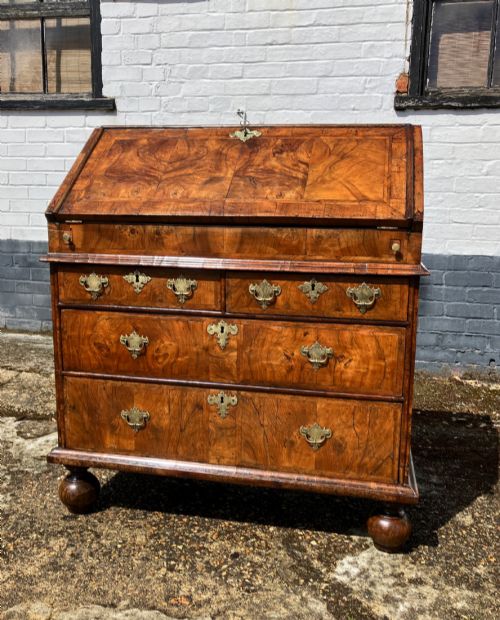
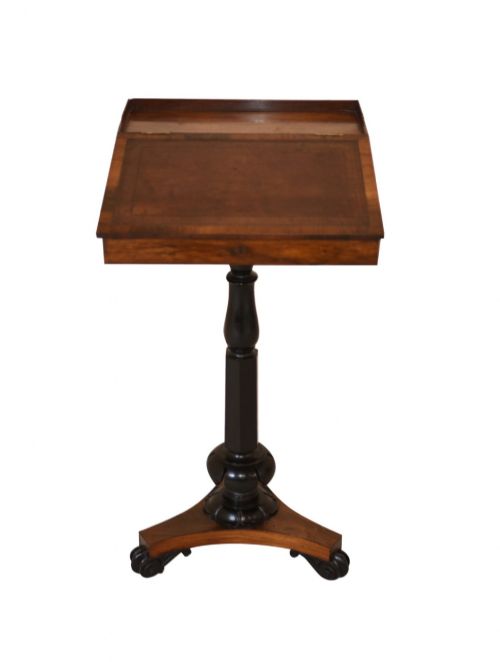
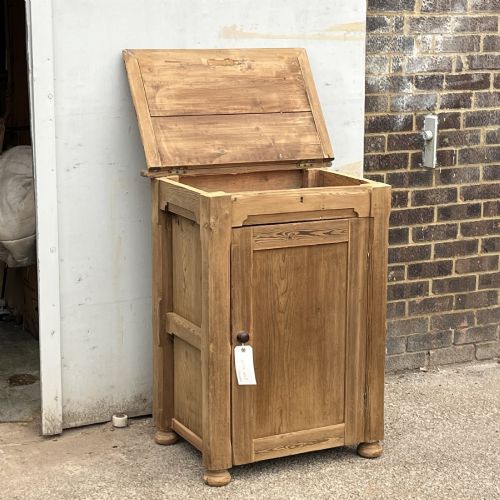
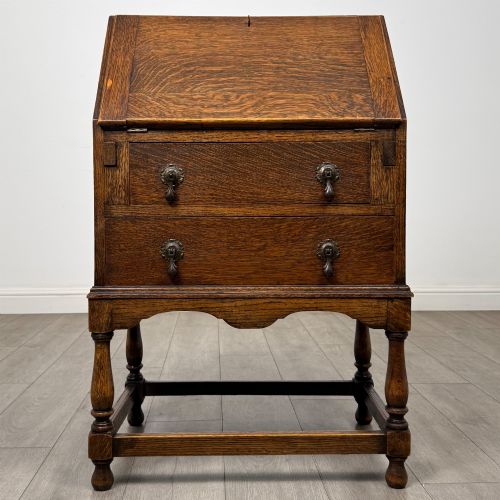
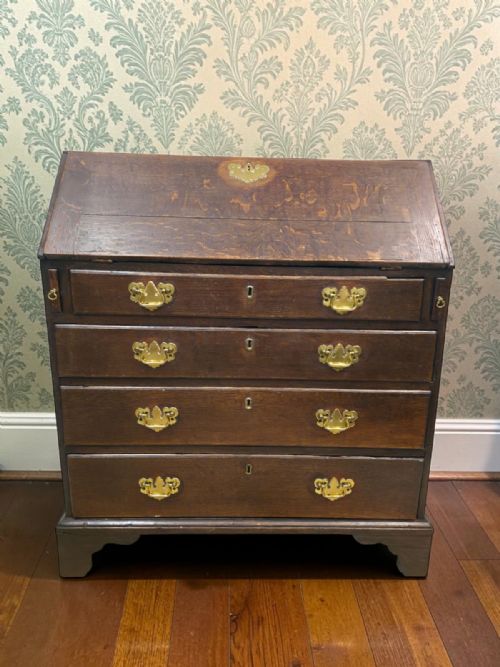
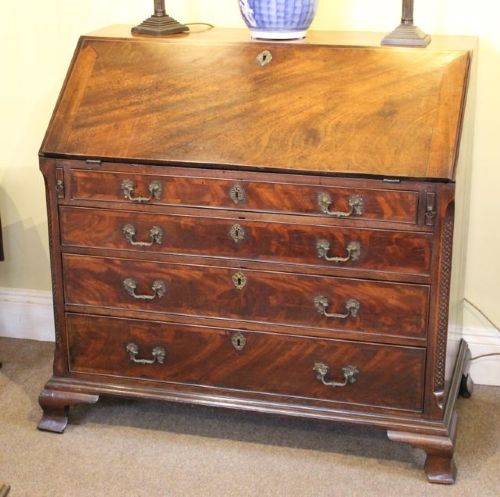
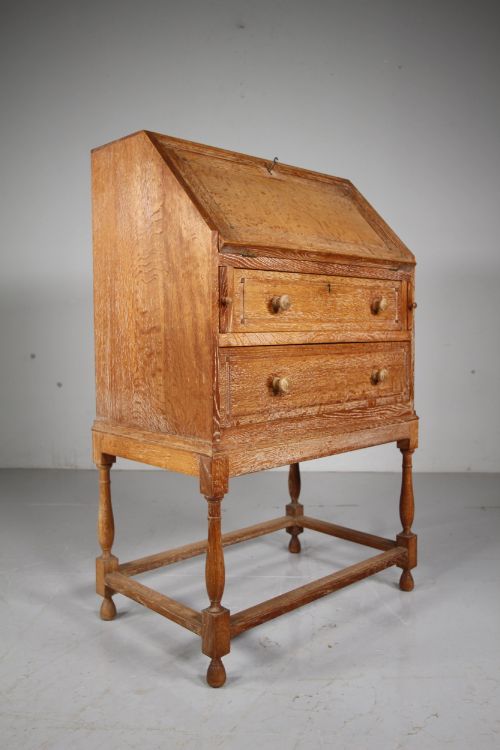
Vintage Sloping Desk
A vintage sloping desk offers a practical writing surface with deep drawers, and you want one for its enduring utility and craftsmanship.
Vintage Sloping Desk
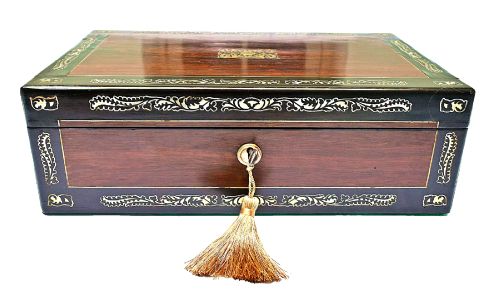
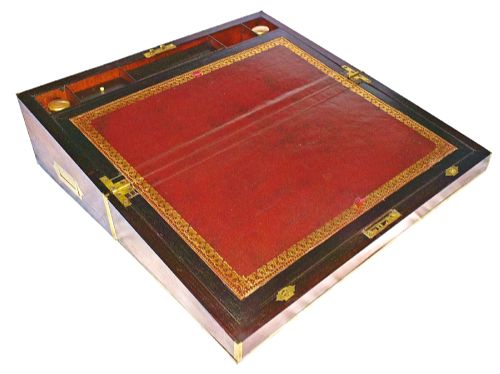
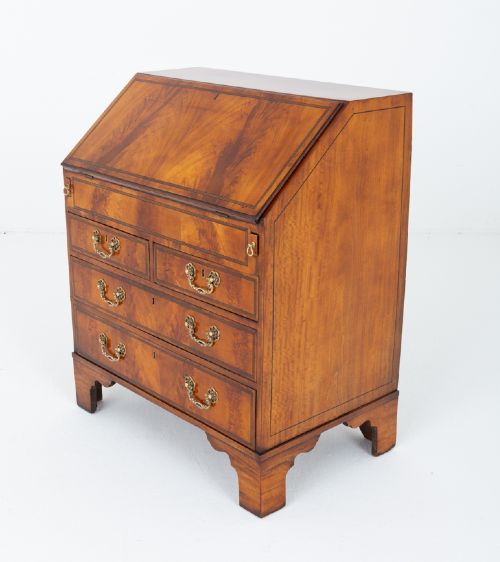
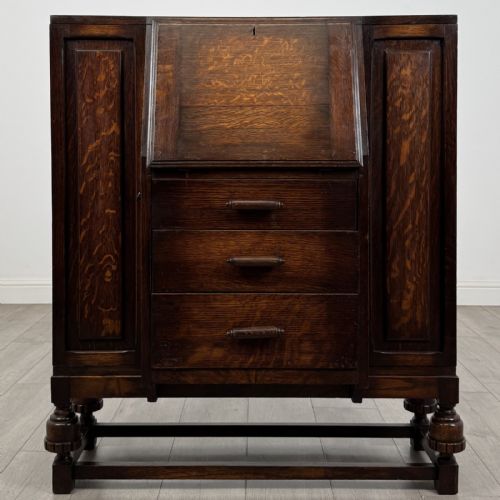
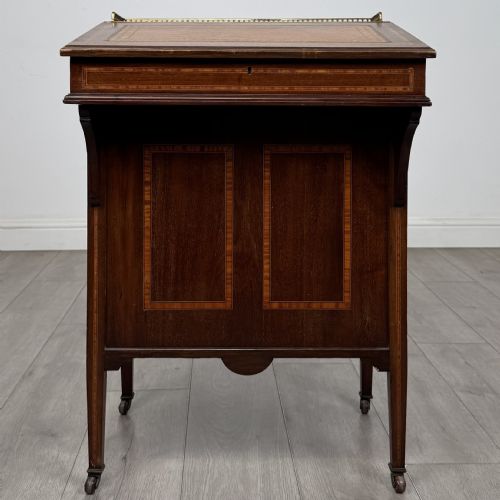
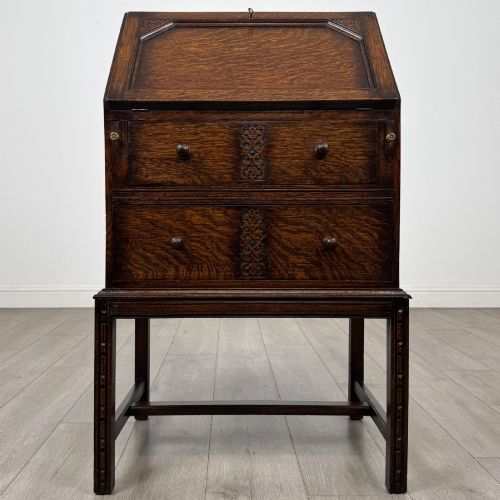
A vintage sloping desk encompasses various forms designed for handwriting, ranging from compact writing boxes to substantial bureaus and stationary cabinets. These pieces span multiple centuries, appearing in Georgian, Victorian, and Edwardian periods.
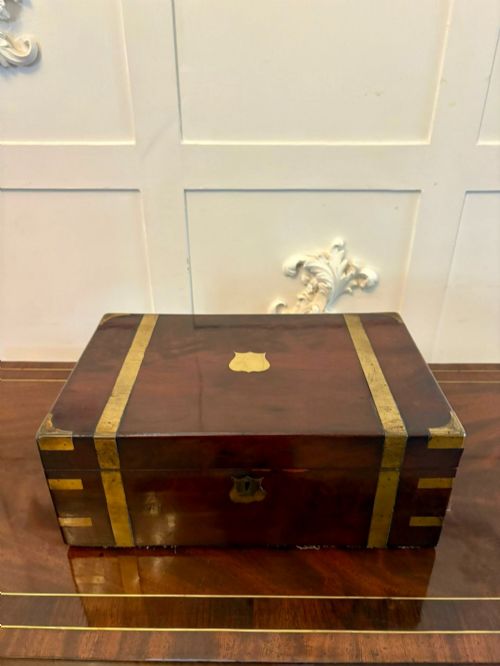
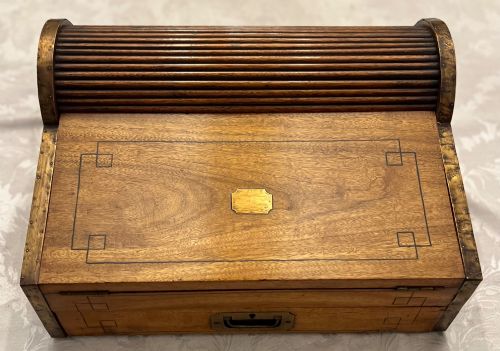
The user searching for a vintage sloping desk encounters fitted writing desks, fall-front bureaux, and campaign writing slopes. Oak and mahogany are the predominant timbers met on this page, often detailed with brass fittings or leather inserts.
Materials and construction methods
Cabinet makers utilised dense hardwoods such as oak, mahogany, walnut, and satinwood to build these writing surfaces, frequently incorporating burr veneers for decorative grain patterns. Solid timber forms the primary carcass of earlier Georgian and Victorian examples.
Brass mounting, campaign handles, and leather writing surfaces appear across the pieces, alongside intricate inlay and hand-carved details. Interiors often feature pigeonholes and small drawers constructed with traditional joinery.
Vintage Sloping Desk Retail Price Guide 2026
Typical asking prices for vintage sloping desk among the pieces listed under this phrase on Sellingantiques today, from the lower quarter to the upper quarter. They describe what is for sale here now, not the wider market.
Listings feature writing desks and boxes spanning the eighteenth, nineteenth, and twentieth centuries, constructed primarily from oak and mahogany.
Distinctions in quality
The standard of a writing desk depends on the selection of timber veneers and the precision of the interior fitted compartments. Superior examples display thoughtful grain matching and well-executed internal pigeonholes.
Hardware choice distinguishes ordinary items from finer ones, with heavy brass mounts, fitted working keys, and maker labels indicating higher workshop standards. Carving depth and inlay crispness further divide the range.
Heals of London·Stanley Webb Davies·Elkington·Edward Todd and Co New York
The Vintage Sloping Desk Glossary
- Bureau
- A desk with a sloping hinged lid that drops down to form a writing surface, concealing a fitted interior of small drawers and pigeonholes.
- Writing Slope
- A portable or table-top box with an angled lid designed to hold writing materials and provide an inclined writing plane.
- Campaign
- Desks and boxes made in sections with brass corners and recessed handles, originally constructed for military officers on the move.
- Davenport
- A compact pedestal desk featuring a sloping top and drawers opening to one side.
- Fall Front
- A hinged panel that drops from a vertical position to horizontal, serving as the writing surface on a bureau.
Vintage Sloping Desk: Frequently Asked Questions
How do I use a sloping desk?
The angled lid provides an ergonomic plane for handwriting and holding correspondence. Dropping the fall-front reveals internal compartments for paper and ink.
Many versions include hidden compartments or small drawers within the fitted interior for organising stationery securely.
What is a campaign writing slope?
A campaign slope is a portable writing box built to withstand travel, featuring brass corners and flush handles. These pieces often split into sections or contain folding mechanisms.
Officers used them during military campaigns to maintain correspondence while on the move.
How do I date a wooden bureau?
Dating relies on timber choice, construction methods, and hardware styles found across Georgian, Victorian, and Edwardian eras. Mahogany and walnut typify earlier periods, while golden oak frequently indicates Edwardian production.
Examining drawer joints and interior configuration helps narrow the period of manufacture.