




Vintage Slatted Wood Bench
These vintage slatted wood bench pieces combine cast iron frames with timber slats for sturdy indoor luggage stands and outdoor seating.
Vintage Slatted Wood Bench
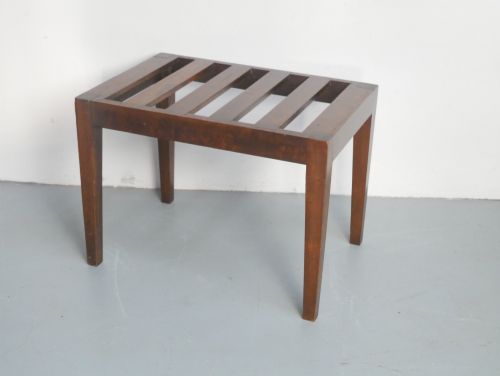
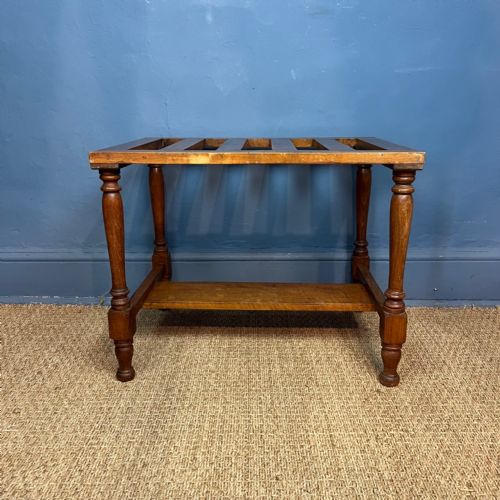
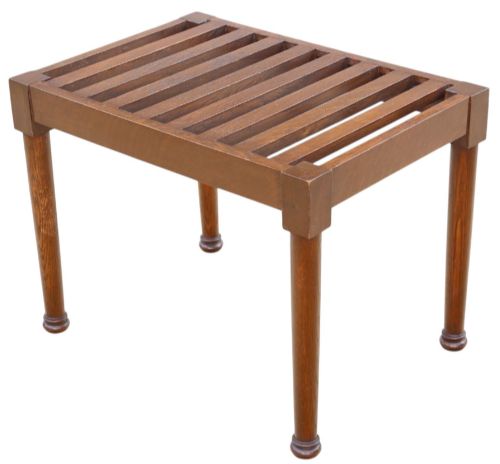
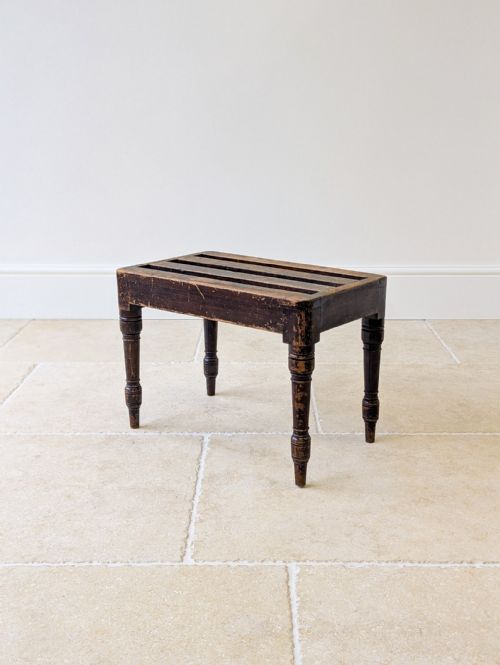
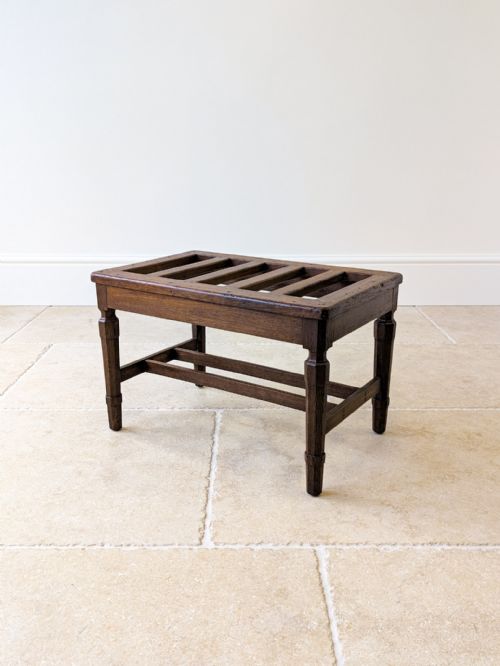
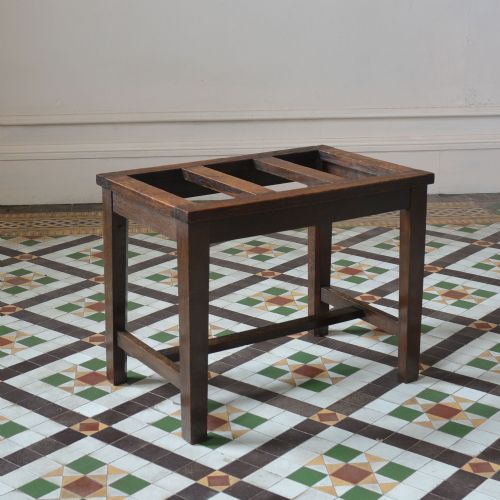
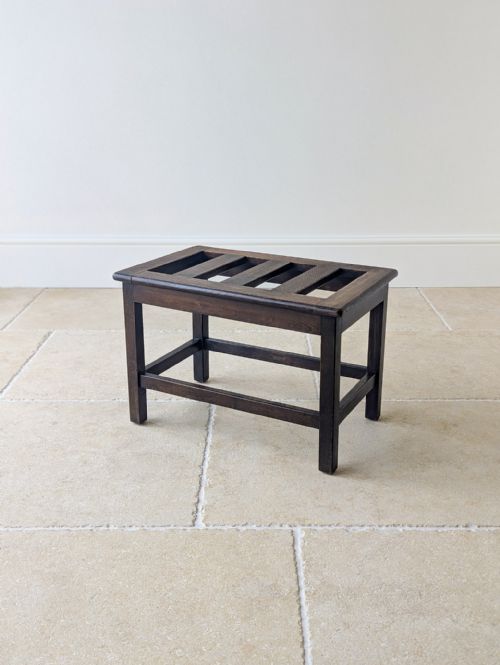
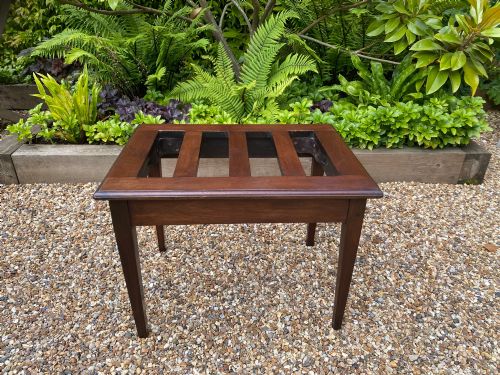
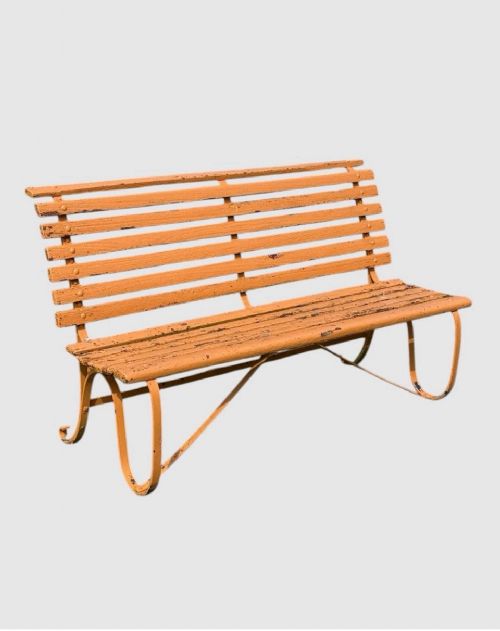
A vintage slatted wood bench encompasses both robust garden seating and functional folding luggage stands used in domestic rooms. Buyers searching this phrase will find a mix of Victorian and Edwardian examples alongside mid-century and early twentieth-century designs.
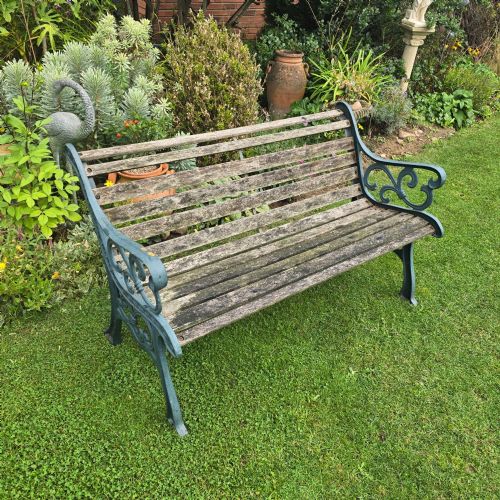
The most common forms on this page include oak, mahogany, and beech luggage stands featuring slatted tops, as well as heavy cast iron garden benches designed for outdoor use. These items bridge utilitarian purpose and period craftsmanship.
Originating across the nineteenth and twentieth centuries, these pieces serve practical functions in hallways, bedrooms, and gardens while displaying distinct period styles such as English Country and Victorian.
How they were made
Makers utilised durable hardwoods such as oak, mahogany, beech, ash, and teak for the slatted tops and timber frames, ensuring longevity and load-bearing strength. The slats are arranged horizontally to provide a flat, supportive surface for luggage or seating.
Frames frequently incorporate heavy cast iron, particularly for garden benches and structural supports, providing a solid foundation that withstands weight and weather. Simple stains were applied to the wood to enhance the natural grain and protect the material.
Vintage Slatted Wood Bench Retail Price Guide 2026
Typical asking prices for vintage slatted wood bench among the pieces listed under this phrase on Sellingantiques today, from the lower quarter to the upper quarter. They describe what is for sale here now, not the wider market.
Periods represented span from the Victorian era and the 1880s through the Edwardian period to the 1930s.
What varies in quality
The distinction between standard utility items and superior examples lies in the selection of timber and the weight of the metal components. Dense hardwoods like mahogany and oak denote finer manufacture than ordinary pine or mixed timbers.
Casting detail on the iron ends and the precision of the joinery set higher quality pieces apart from simpler workshop productions. Weathering and patination on outdoor benches also influence the aesthetic appeal of the surface.
Brown & Lamont
The Vintage Slatted Wood Bench Glossary
- Luggage stand
- A folding or rigid low table with slatted wooden tops designed for holding trunks and suitcases in guest bedrooms. These pieces typically date from the Victorian and Edwardian periods.
- Slats
- Narrow strips of wood arranged in parallel to form the seat or surface of the bench or rack. This construction allows for air circulation and weight distribution.
- Cast iron
- A heavy, strong alloy of iron and carbon poured into moulds to create decorative and structural bench ends. It resists outdoor elements when properly maintained.
- Patina
- The surface sheen and colour acquired by wood and metal over decades of use and exposure. A well-weathered silvered finish indicates age.
Vintage Slatted Wood Bench: Frequently Asked Questions
What is a luggage stand used for?
These pieces were originally placed in guest bedrooms to hold travelling trunks and suitcases at a convenient height without placing them on beds. Today they function equally well as low side tables or casual seating.
The slatted wood construction provides a sturdy, flat platform designed to support considerable weight while remaining light enough to move or fold away when not in use.
Are these benches suitable for outdoor use?
Garden benches featuring cast iron frames and wooden slats are explicitly built to withstand outdoor environments in patios and parks. The iron provides a heavy, stable base while the timber seats handle exposure to the elements.
Indoor luggage stands made of polished mahogany or oak are better kept inside, as their fine finishes and interior timber construction are sensitive to prolonged dampness and frost.
How do I identify a Victorian piece?
Victorian examples often feature dense hardwoods like oak, beech, or mahogany combined with robust joinery typical of nineteenth-century manufacturing. Look for traditional proportions and construction methods characteristic of the era.
Matching the listed period details with the specific type of timber and hardware helps confirm the approximate age of the item.
How do I care for weathered wood?
Weathered garden benches with silvered wood require minimal intervention to preserve their historic surface. Allowing the natural ageing process to continue maintains the authentic character of the timber.
Indoor stands benefit from occasional gentle cleaning and waxing to nourish hardwoods like oak and mahogany without altering their original finish.