

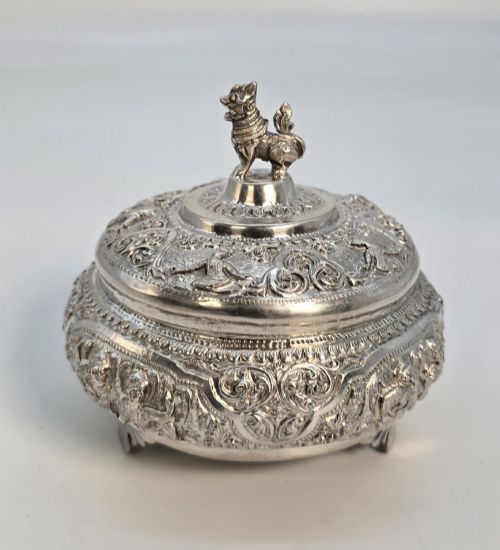
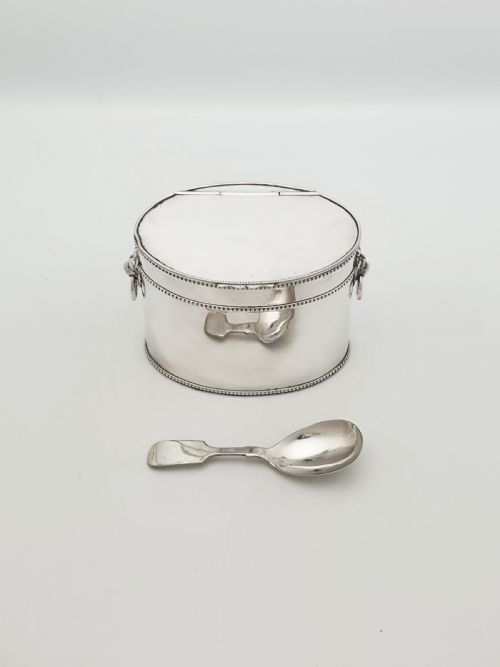


Vintage Silverware Box
A vintage silverware box keeps your finer dining pieces properly protected and ready for the table.
Vintage Silverware Box
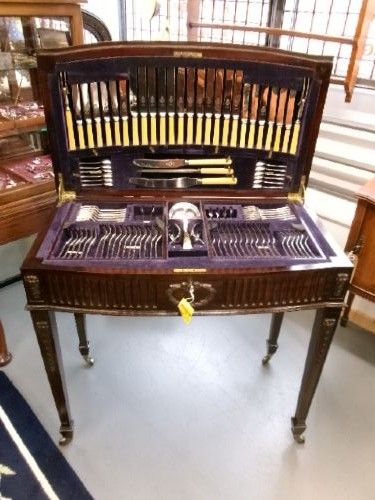
When you search for a vintage silverware box, you encounter a wide selection of fitted chests, canteens, and specialised storage containers spanning multiple periods.
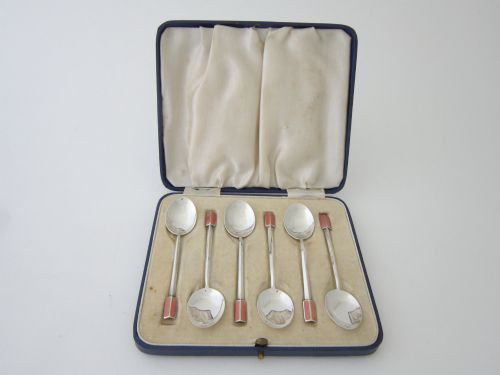
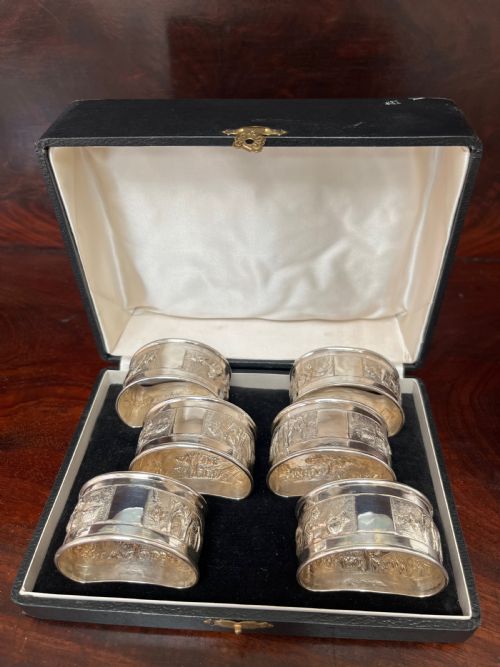
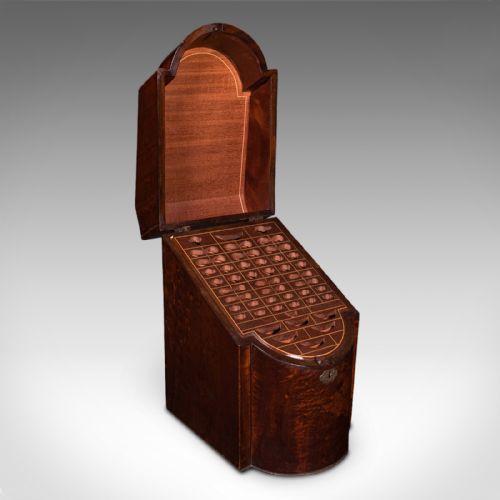
The pieces on this page range from solid mahogany and oak cutlery canteens to compact tea caddies, napkin ring cases, and specialised travel chests.
Edwardian and Victorian examples appear frequently, alongside Georgian and mid-century items designed to hold specific items like spoons, knives, or tea.
Materials and construction
Carpeneters built these boxes primarily from hardwoods like mahogany, oak, and walnut, often lining the interiors with fitted velvet or silk to cushion the metal.
Metal elements incorporate sterling silver, silver plate, brass, and silver-gilt, frequently paired with decorative enamelling or leatherette exteriors.
Joinery and hardware reflect the period of manufacture, utilising sturdy locks, hinges, and occasional lion mask handles for lifting heavier travel chests.
Vintage Silverware Box Retail Price Guide 2026
Typical asking prices for vintage silverware box among the pieces listed under this phrase on Sellingantiques today, from the lower quarter to the upper quarter. They describe what is for sale here now, not the wider market.
Listings incorporate items from Edwardian, Victorian, Georgian, and mid-century periods, utilising materials such as mahogany, oak, sterling silver, velvet, and silk.
Assessing quality and craftsmanship
Superior examples demonstrate precise woodworking joints, robust timber selection, and intact, high-grade interior linings of silk or velvet that securely cradle each piece.
The refinement of exterior brass mounts, working locks with original keys, and the weight of the timber set finer cabinets apart from lighter, simpler storage containers.
Martin Hall & Co·Walker & Hall·Liberty & Co·Waring & Gillows·Robert Stebbings
The Vintage Silverware Box Glossary
- Canteen
- A fitted box, chest, or cabinet designed specifically to hold a complete set of cutlery or flatware. These range from large floor-standing oak cabinets to smaller tabletop chests.
- Sterling silver
- A silver alloy containing 92.5 percent pure silver by mass and 7.5 percent other metals, usually copper, widely utilised for fitted spoons, napkin rings, and small containers.
- Silver plate
- A layer of silver applied to a base metal such as copper, brass, or nickel silver. This technique offered an accessible alternative to solid silver items in domestic settings.
- Tea caddy
- A small storage box or jar originally built to keep tea leaves fresh and dry. Many surviving examples include internal lids and compartments.
Vintage Silverware Box: Frequently Asked Questions
What fits inside a vintage silverware box?
These boxes accommodate various dining implements, from complete flatware canteens and fish sets to smaller groupings of butter knives, coffee spoons, and napkin rings.
Interior layouts often feature bespoke slots, velvet channels, or silk-lined recesses designed to keep individual pieces from shifting during transit or storage.
How do I care for the wood and lining?
Maintain the exterior wood using a suitable natural wax applied sparingly with a soft cloth to preserve the finish without harming the grain or patination.
Keep interior velvet and silk linings clean by gently brushing away dust with a dry, soft-bristled brush and avoiding direct sunlight to prevent fabric fading.
Were these boxes meant for travel?
Certain larger examples, such as campaign trunks and heavy oak chests from the Victorian era, were constructed with travel in mind, incorporating sturdy brass carrying handles and secure locks.
Other lighter canteens and tabletop boxes remained permanently stationed in the dining room or sideboard for daily household dining.
How can I tell the period?
Dating relies heavily on the overarching style, timber choices, and construction methods characteristic of eras such as the Georgian, Victorian, Edwardian, and Art Deco periods.
Maker's marks, hallmarks on internal silver components, and specific hardware designs also provide definitive clues to the exact decade of manufacture.