





Vintage Silver Wine Cup
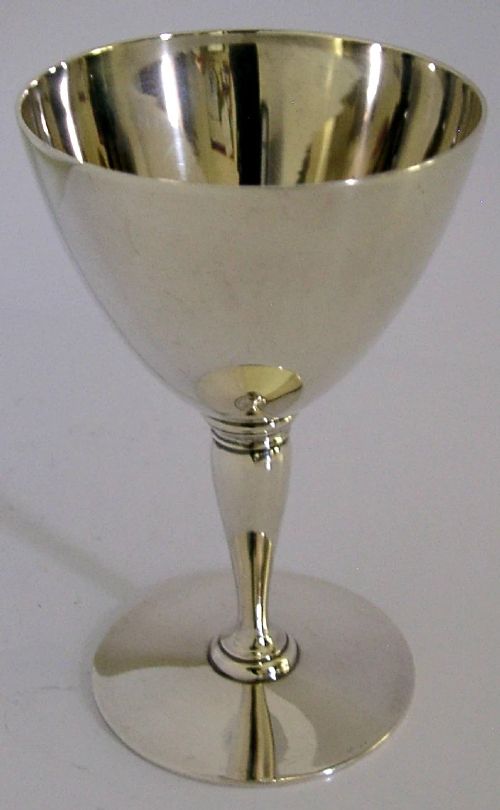
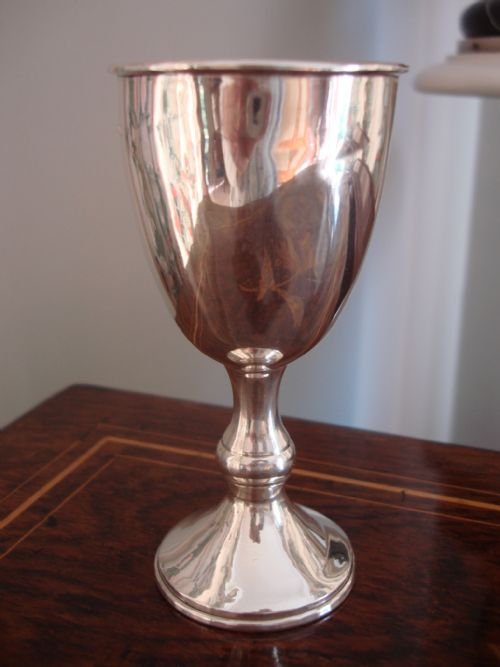
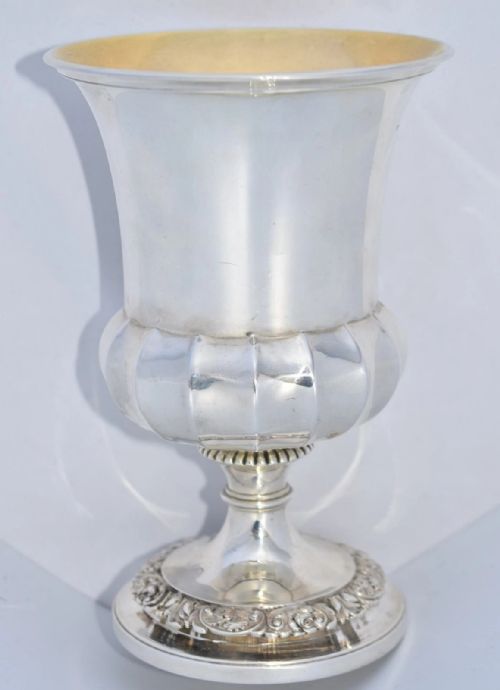
These vintage silver wine cup pieces range from Georgian chalices to Art Deco goblets, offering distinct drinking vessels for collectors.
Vintage Silver Wine Cup
When you search for a vintage silver wine cup, you encounter forms that span centuries of drinking culture, including goblets, chalices, tastevins, and Kiddush cups. These items serve functional roles on the dining table or as ritual vessels, varying significantly in their exact historical origins.
The selection on this page frequently includes Victorian French wine tasters, English sterling silver goblets from the Georgian and Edwardian eras, and Art Deco cocktails. You will also find Arts and Crafts pewter chalices alongside base metal mess hall cups from military contexts.
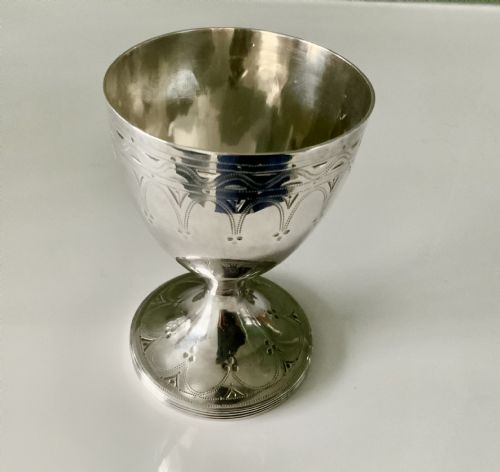
Each piece reflects the social habits of its period, whether through the bright cut engraving of the Georgian era or the minimalist geometry of the 1920s. Understanding these forms helps collectors identify the specific lineage of the drinkware they examine.
How they were made
Silversmiths constructed these vessels primarily using sterling silver, silver plate, and 875 silver, occasionally incorporating silver-gilt or enamel for decorative contrast. Alternative base metals and pewter also appear in specific utilitarian categories like military mess hall cups and Arts and Crafts chalices.
Manufacturing techniques involved traditional hammering, spinning, and casting, followed by hand-chasing or bright cut engraving to apply surface ornament. Plated items utilised early plating methods over base metals, while high-grade pieces received full London or Sheffield hallmarking.
Vintage Silver Wine Cup Retail Price Guide 2026
Typical asking prices for vintage silver wine cup among the pieces listed under this phrase on Sellingantiques today, from the lower quarter to the upper quarter. They describe what is for sale here now, not the wider market.
Periods represented include the 18th Century, Georgian, Victorian, Edwardian, and Art Deco eras.
What varies in quality
The calibre of a vintage silver wine cup depends upon the weight of the metal utilised, the crispness of any hand-engraved decoration, and the integrity of the structural form. Pieces with substantial gram weights and clear maker marks generally sit higher in the tier.
Artistry in the chased or bright cut patterns dictates visual appeal, distinguishing standard production items from bespoke silversmith commissions. Preservation of the original silver-gilt interior or enamel work also influences the desirability of individual chalices and tasters.
TIFFANY & Co·William Eaton·James Deakin & Sons
The Vintage Silver Wine Cup Glossary
- Sterling silver
- An alloy containing 92.5 percent pure silver and 7.5 percent other metals, usually copper, ensuring structural durability for drinking vessels.
- Tastevin
- A shallow silver wine tasting cup, frequently French in origin, designed with embossed indentations to assess the colour and clarity of wine.
- Bright cut
- A style of engraving executed with faceted cutting tools that leave polished, light-reflecting surfaces in the silver.
- Silver-gilt
- Silver that has been coated with a thin layer of gold on its interior or exterior surfaces, protecting the metal from acidic beverages.
Vintage Silver Wine Cup: Frequently Asked Questions
What is a tastevin used for?
A tastevin is a shallow silver cup used historically by winemakers and merchants to quickly inspect the colour and clarity of wine in dim cellar lighting. The dimples and ridges inside the bowl reflect light effectively against the liquid.
Today, these French silver wine taster pieces function primarily as decorative cabinet items or specialised small drinking vessels for collectors of barware.
How do I clean a silver goblet?
Silver drinking vessels require gentle cleaning with specialised silver cloth or mild, non-abrasive liquid polish to remove tarnish without scratching the soft metal. Avoid harsh chemical dips, particularly on pieces with silver-gilt or enamel details.
Regular, careful dusting and hand washing with warm soapy water after use will maintain the lustre of sterling and plated chalices safely over time.
Are these cups safe for drinking?
Many solid sterling silver and silver-gilt cups remain entirely functional for serving wine or ceremonial beverages, provided the interior surface is clean and undamaged. Silver-gilt interiors offer an extra layer of protection against acidic drinks.
Items made from base metals, older plated wares with worn surfaces, or pieces containing enamel should be assessed individually before use with food or drink.
How do I identify a Georgian goblet?
Georgian silver goblets usually display hallmarks indicating London or provincial assay offices, alongside characteristic weight and hand-wrought construction methods. The decorative schemes often feature bright cut engraving or neoclassical motifs.
Comparing the style of the base and the weight of the silver against authenticated 18th and early 19th-century examples helps confirm the period of origin.