






Vintage Silver Wine Collar
These vintage silver wine collars and mounted vessels bring character to the table, offering a refined way to pour and label your favourite vintages.
Vintage Silver Wine Collar
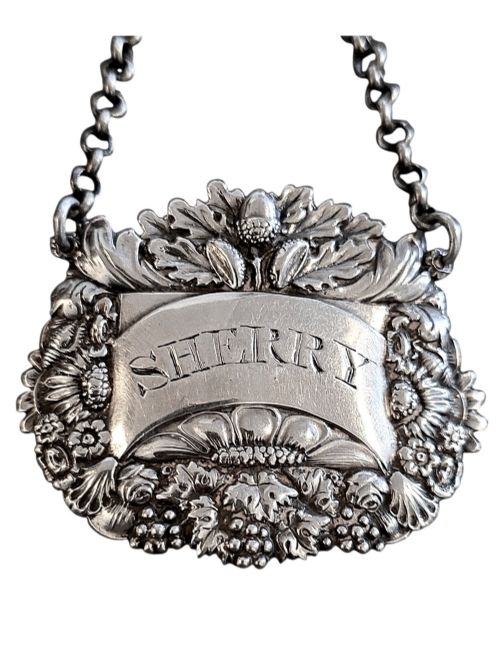
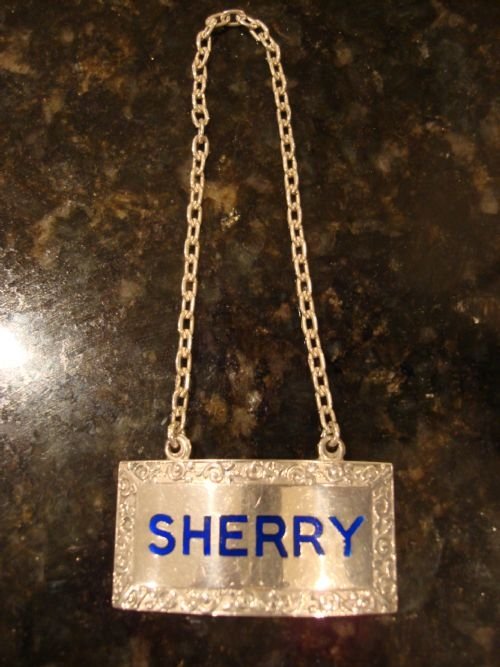
A vintage silver wine collar sits upon the neck of a bottle or decanter, often paired with matching labels to designate contents such as sherry, brandy or hock. These pieces emerge from periods spanning the Georgian era through the Edwardian years and into the twentieth century, reflecting changing dining habits.
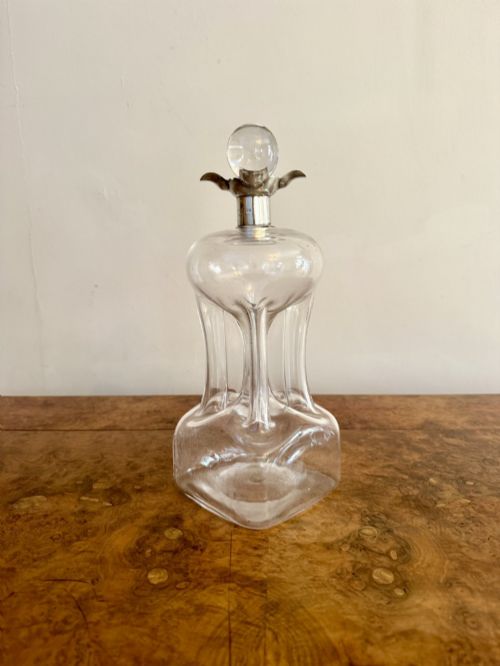
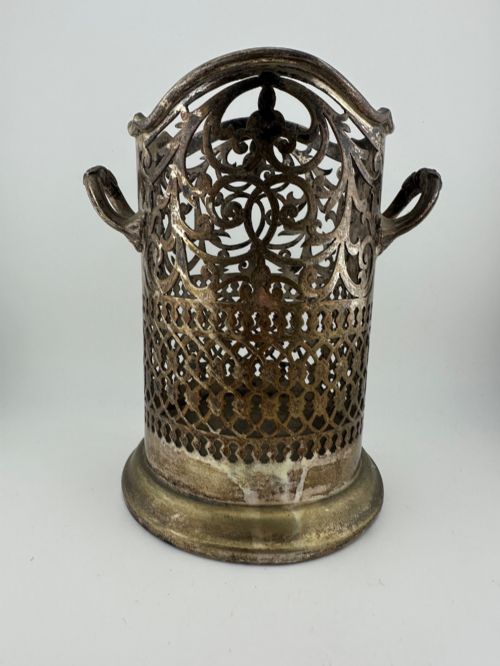
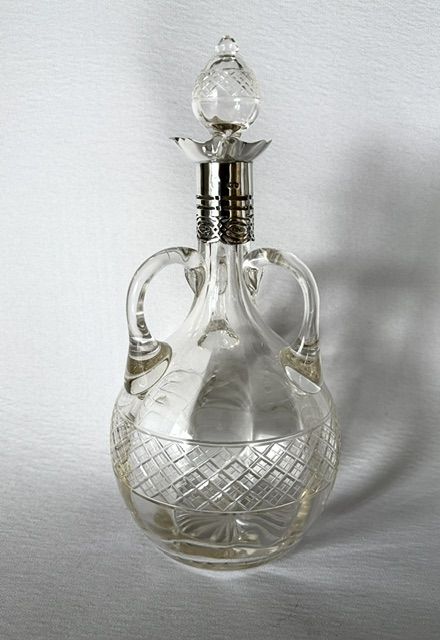
The objects seen here most frequently combine glass bodies with silver mounts, alongside standalone labels and bottle holders. Formats range from simple cut glass jugs to pierced silver plated holders and elaborately mounted cranberry or green glass vessels.
Makers and designers from notable firms contributed to this tradition, producing items that served both a functional purpose at the table and an ornamental one on the sideboard. Each piece carries the marks of its specific decade, from Victorian Rococo revival designs to clean Arts and Crafts lines.
How they were made
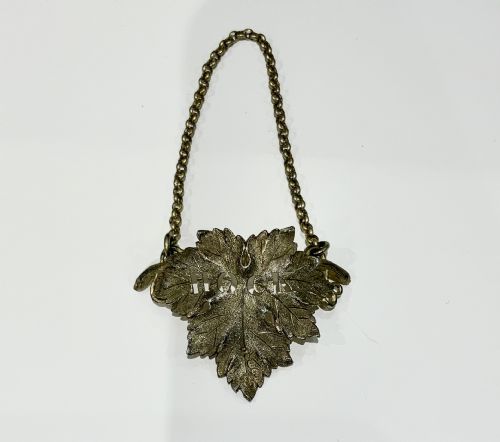
Silversmiths utilised sterling silver and silver plate to form the collars, mounts and labels, often employing piercing and embossing techniques to create decorative borders and vine leaf motifs. Silver gilt was occasionally applied to achieve a two-tone finish on labels.
Vessels were fashioned from crystal, cut glass, cranberry glass and green glass, sometimes blown into moulds or wheel-cut with geometric and floral patterns. Mounts were securely fitted to the glass necks, frequently incorporating hinged mechanisms or secure collars designed to catch drips during pouring.
Vintage Silver Wine Collar Retail Price Guide 2026
Typical asking prices for vintage silver wine collar among the pieces listed under this phrase on Sellingantiques today, from the lower quarter to the upper quarter. They describe what is for sale here now, not the wider market.
Object types include decanters, wine bottle holders, and hanging labels designated for specific drinks like hock and brandy.
What varies in quality
The weight and thickness of the silver or silver plate set the baseline for a piece, alongside the crispness of the hallmarks and the depth of any hand-engraved or pierced ornamentation. Finer examples display sharp detailing on vine leaves and lettering, whereas simpler pieces rely on plain polished surfaces.
Glass quality also dictates overall merit, with heavy cut crystal and rich coloured glass such as cranberry or green commanding attention over standard moulded vessels. The harmonious integration between the metal mount and the glass body indicates the skill of the original maker.
Mappin And Webb·William Barrett II·Archibald Knox for Liberty
The Vintage Silver Wine Collar Glossary
- Sterling silver
- A silver alloy containing 92.5 percent pure silver by mass and 7.5 percent other metals, usually copper. This standard was strictly adhered to by British assay offices.
- Silver plate
- A base metal, such as copper or nickel silver, coated with a thin layer of pure silver. Techniques like electroplating became widespread during the nineteenth century.
- Hallmark
- An official mark stamped on precious metal items in Britain to guarantee the purity of the metal, the year of testing and the assay office.
- Silver gilt
- Sterling silver that has been coated with a thin layer of gold on its surface. This process creates a rich golden appearance while retaining a silver core.
Vintage Silver Wine Collar: Frequently Asked Questions
How do I clean vintage silver mounts?
Use a soft cloth specifically designed for silver to gently polish the metal mounts and labels. Avoid getting harsh cleaning chemicals onto the glass or into the interior of the vessel.
Ensure you remove any detachable collars before cleaning so that moisture does not become trapped between the metal and the glass.
Can I use these decanters for everyday dining?
These pieces function well for serving wine and spirits at modern dinner parties, provided the glass and mounts are handled with care. Hand washing is essential to preserve the vintage materials.
Check that any fitted collar remains secure around the neck before lifting a heavy glass decanter filled with liquid.
How do I identify the date of a silver collar?
Examine the metal surface for hallmarks stamped by British assay offices, which typically include a date letter indicating the exact year of manufacture. Stylistic clues such as Edwardian piercing or Victorian Rococo Revival curves also help narrow down the period.
Maker marks alongside the standard assay symbols provide further context for dating the piece accurately.