

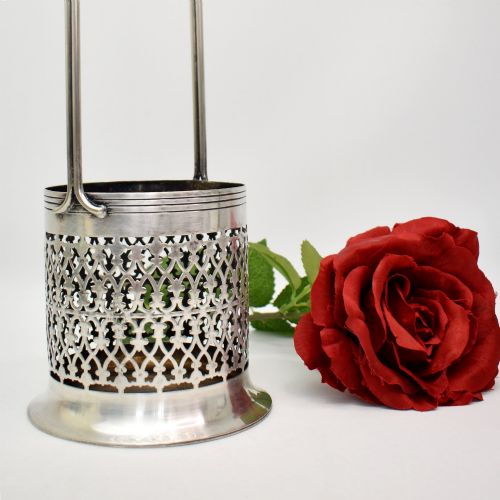


Edwardian Silver Wine Holder
These edwardian silver wine holder pieces are elegant table accessories designed to hold bottles securely during dining, combining practicality with period style.
Edwardian Silver Wine Holder
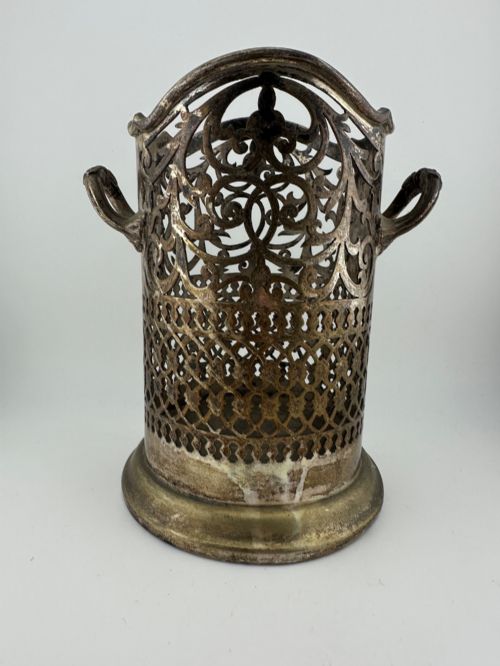
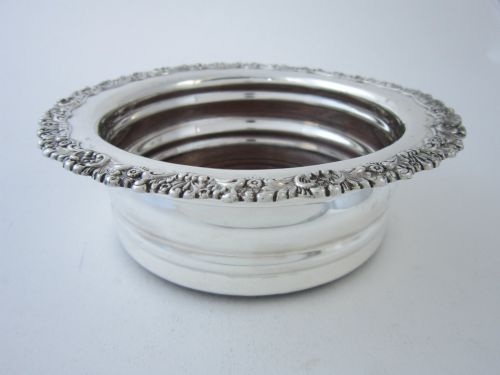
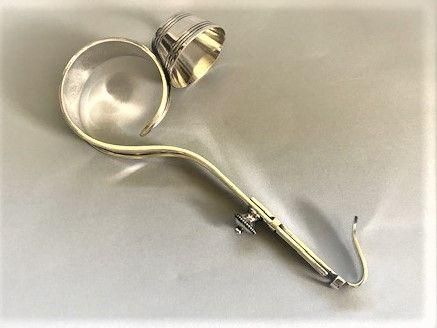
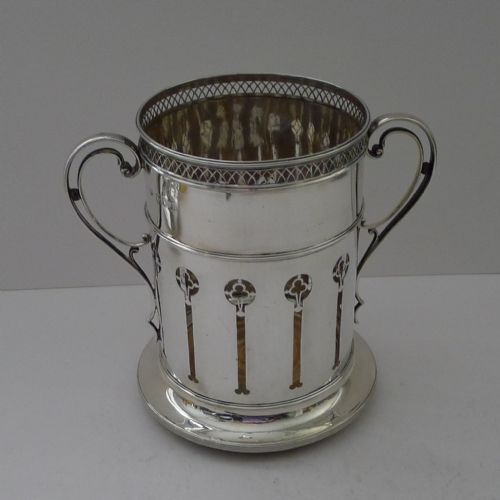
When you search for an edwardian silver wine holder, you encounter a range of barware and tableware including wine coasters, bottle holders, and champagne buckets. The forms span individual bottle holders as well as larger multiple bottle carriers and wine coolers.
The pieces appearing on this page originate from the Edwardian era, the George V period, and the 1920s. Both sterling silver and silver plate constructions appear frequently across these listings.
Design styles reflect Edwardian, George V, Georgian style, and Belle Epoque aesthetics. Collectors often find paired items such as pairs of silver plate and mahogany wine coasters.
How they were made
Manufacturers utilised silver plate and sterling silver for the primary body, frequently combining metal with wood such as mahogany bases. Felt linings and brass components also feature in the construction.
Techniques visible in these pieces include piercing and embossing of the metalwork. Multiple bottle frames incorporate central shields and structured handles for stability.
Several holders come equipped with a central shield, ready for a family crest that was likely forgotten before the soup arrived.
What varies in quality
Quality differences emerge in the weight of the metal and the crispness of any pierced or embossed decoration. Solid sterling silver examples contrast with silver plated pieces, while the integration of wooden bases demonstrates varying levels of joinery skill.
Maker attribution also influences the character of a piece, with recognised makers displaying particular finesse in their handles, mounts, and base fittings.
Brook and Son Edinburgh·Christofle·James Dixon and Sons
The Edwardian Silver Wine Holder Glossary
- Sterling silver
- A silver alloy containing 92.5 percent pure silver by mass and 7.5 percent other metals, usually copper. This standard alloy provides durability while maintaining a bright appearance.
- Silver plate
- A layer of silver applied to a base metal such as copper, nickel silver, or brass. This technique offered a more accessible option for dining accessories.
- Wine coaster
- A small shallow tray or dish designed to hold a wine bottle on the dining table. They frequently incorporate a wooden base to protect the surface of the table from moisture and heat.
- Bottle holder
- A vertical container designed to support and display a wine or champagne bottle. These items often feature openwork galleries or solid walls with handles.
- Pierced work
- A decorative technique involving the cutting or piercing of patterns through sheet metal. This method lightens the object while creating intricate geometric or floral designs.
Edwardian Silver Wine Holder: Frequently Asked Questions
What is an edwardian silver wine holder used for?
These holders serve to securely contain wine bottles, champagne bottles, or decanters on the dining table or sideboard. They protect polished wood surfaces from condensation and drips.
Beyond simple protection, they provide a decorative frame for the bottle during formal meals. Multiple bottle versions allow hosts to present several vintages simultaneously.
How do I clean a silver wine holder?
Cleaning requires a soft cloth and a specialised silver polish formulated to remove tarnish without abrasive damage. Care must be taken around wooden bases and felt linings to avoid moisture damage.
Regular, gentle wiping maintains the finish of both sterling silver and silver plated surfaces. Harsh scrubbing should be avoided to preserve any embossed or pierced details.
Are these pieces made of solid silver?
The listings include both solid sterling silver and silver plated items. Hallmarks typically indicate sterling silver pieces, while base metal marks appear on plated examples.
Examining the underside or rim often reveals maker marks and silver standard indications. Plated versions utilise a base metal such as nickel silver or brass beneath the silver layer.
How do I distinguish Edwardian from 1920s pieces?
Edwardian items date from the reign of King Edward VII between 1901 and 1910, showing specific decorative motifs of that decade. Pieces from the 1920s reflect George V styles and post-war design shifts.
Assay office marks and date letters on sterling silver items provide precise year identification. Stylistic cues such as Belle Epoque influences also help separate the earlier Edwardian work from later George V examples.