




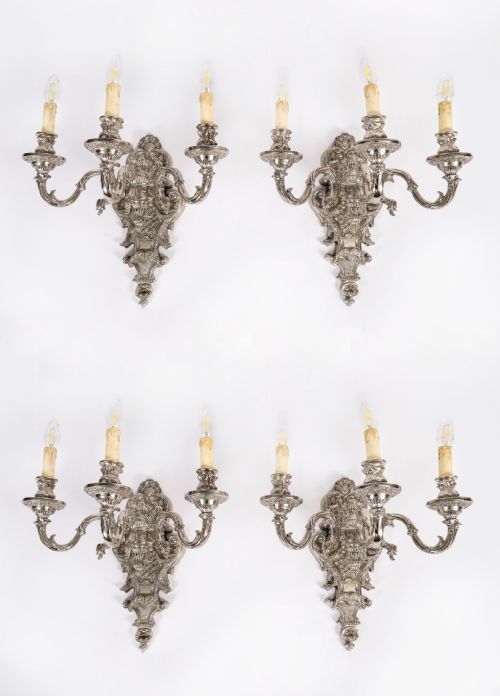


Vintage Silver Wall Sconces
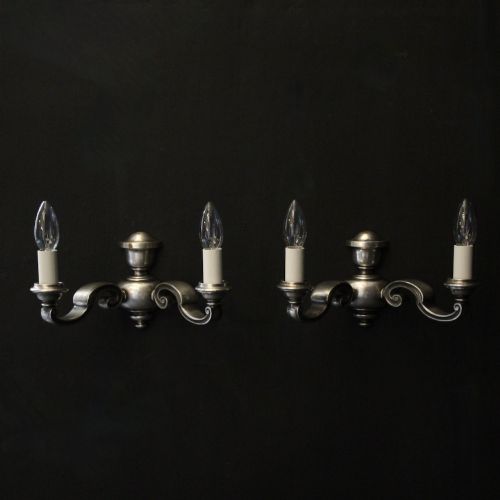
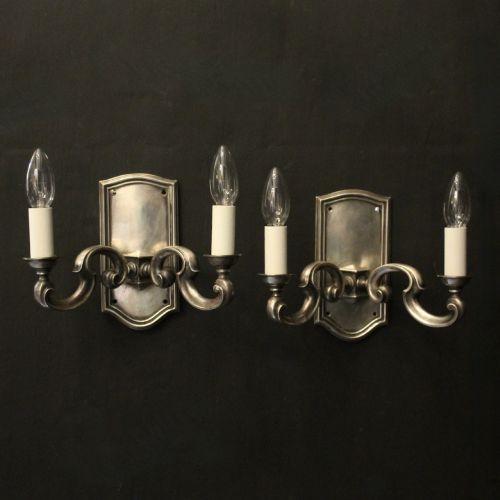
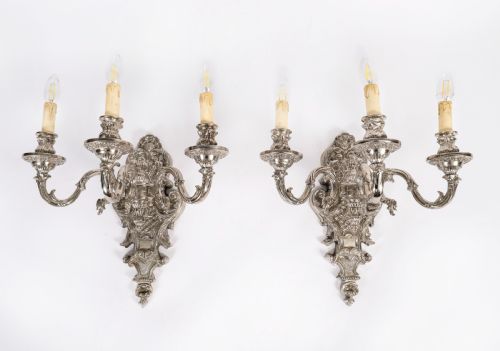
These vintage silver wall sconces span periods from the seventeenth century to the nineteen-forties, offering functional illumination paired with historical decorative styles.
Vintage Silver Wall Sconces
When searching for vintage silver wall sconces, buyers encounter wall lights, girandoles, and appliques designed to mount directly onto vertical surfaces. The selection relies heavily on early twentieth-century examples, particularly those dating to the nineteen-twenties and nineteen-thirties.
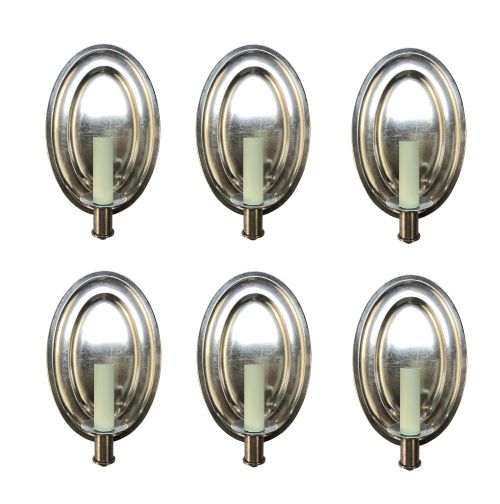
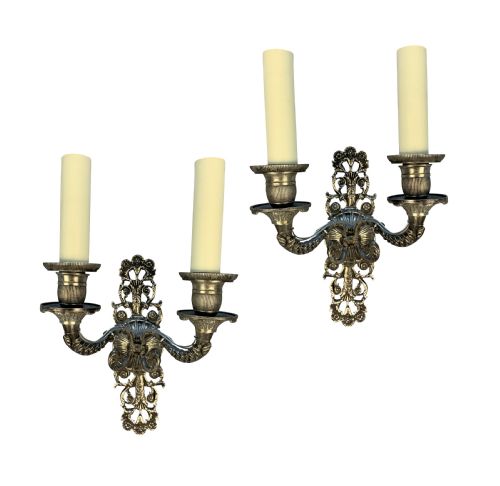
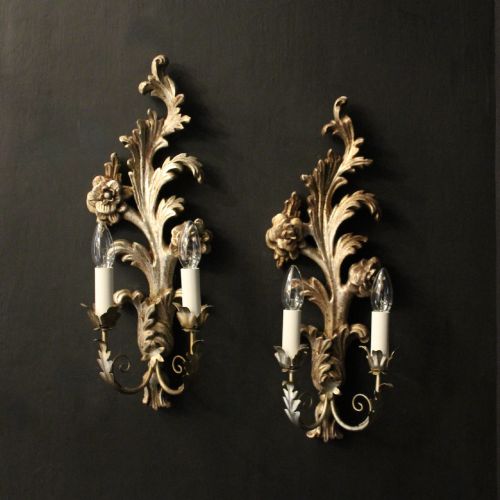
Many items combine silver plating, silver leaf, or silvered bronze with materials such as glass, brass, and carved wood. Forms range from simple geometric Art Deco chrome structures to elaborate Florentine giltwood and French revival multi-arm fixtures.
How they were made
Construction methods depend on the chosen medium, utilising cast bronze, pressed brass, and carved gessoed wood beneath silver leaf or silver gilt layers. Silver plating techniques applied to base metals provide a reflective metallic finish across Edwardian and Victorian forms.
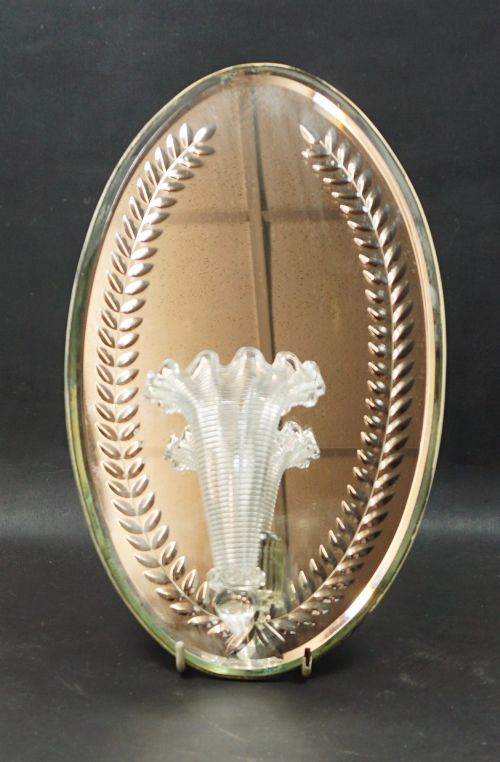
Glass elements, including bevelled mirrors, cut crystal drops, and trumpet shades, integrate into metal backplates using original screw and bracket fittings. Wooden girandoles employ carved timber frames finished with silvered treatments to hold central candle branches or electric bulbs.
Vintage Silver Wall Sconces Retail Price Guide 2026
Typical asking prices for vintage silver wall sconces among the pieces listed under this phrase on Sellingantiques today, from the lower quarter to the upper quarter. They describe what is for sale here now, not the wider market.
Materials recorded across the inventory include chrome, giltwood, silver plate, brass, and bevelled glass.
What varies in quality
Quality rests on the crispness of cast ornamentation and the depth of hand-carved detail found in wood or giltwood frames. Pieces demonstrating superior craftsmanship maintain intact original silvered finishes and precise structural joints.
The integration of materials dictates overall refinement, separating mass-produced stamped metal fittings from individually hand-assembled crystal and mirrored compositions.
The Vintage Silver Wall Sconces Glossary
- Girandole
- A decorative wall bracket holding candles or electric lights, frequently incorporating a mirror to reflect illumination. These fixtures often feature elaborate carved and silvered wood frames.
- Applique
- A French term for a wall-mounted light fixture or sconce designed to hold candles or lamps. They appear frequently in nineteenth and twentieth-century French interior schemes.
- Giltwood
- Wood that has been coated with a thin layer of gold leaf or silver leaf over a prepared gesso ground. Florentine examples employ this technique for decorative wall lights.
- Silver Plate
- A base metal, such as brass or copper, coated with a thin layer of silver through electroplating or mechanical bonding. This method offered the appearance of solid silver at a lower production cost.
Vintage Silver Wall Sconces: Frequently Asked Questions
What periods do these wall sconces cover?
The selection spans from seventeenth-century items up through Victorian, Edwardian, and mid-twentieth-century designs. Most pieces originate from the nineteen-twenties and nineteen-thirties.
Production techniques and decorative motifs shift according to these eras, moving from ornate revival styles to streamlined modernist chrome creations.
How were wall sconces originally powered?
Early examples relied on candles to provide illumination, utilising backplates and mirrored surfaces to reflect the light into the room. Later pieces incorporate electrical wiring.
Many vintage fixtures adapt easily to modern electrical standards while retaining their original wall brackets and candle-form sockets.
How do I identify Art Deco sconces?
Art Deco wall lights typically date from the nineteen-thirties and feature chrome plating, geometric glass shades, and modernist silhouettes. They contrast sharply with earlier ornate revival styles.
Materials like frosted glass and tubular metal define this twentieth-century aesthetic.