

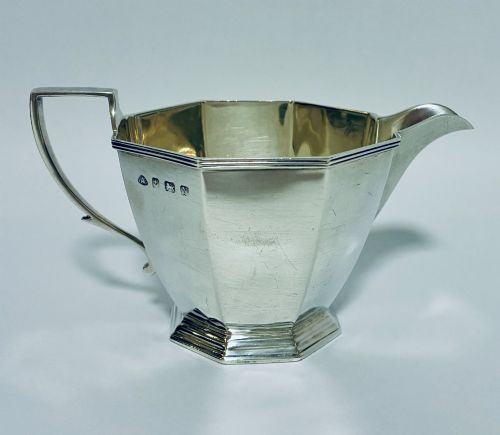
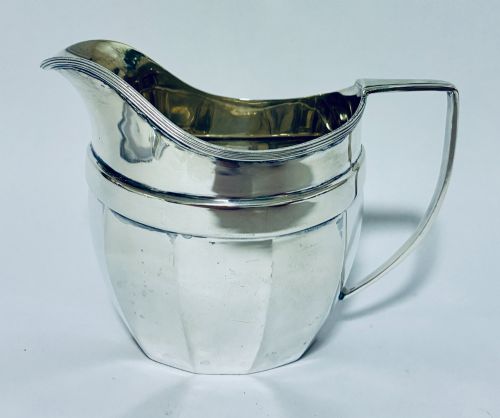


Vintage Silver Tea Jug
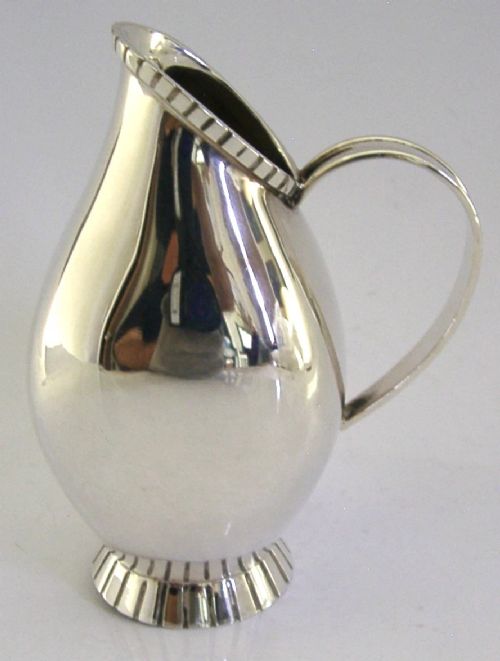
A vintage silver tea jug is a functional vessel for pouring milk or cream, bringing period elegance and craftsmanship to the table.
Vintage Silver Tea Jug
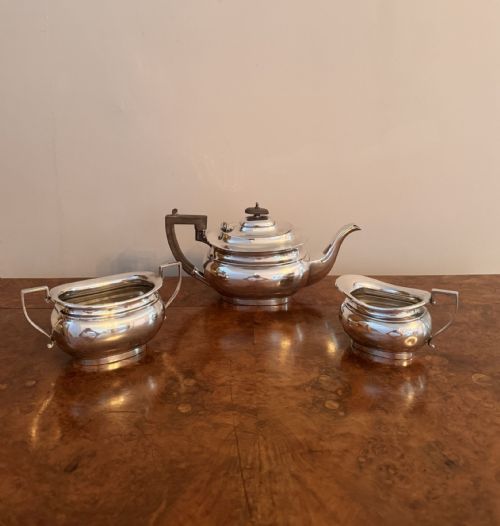
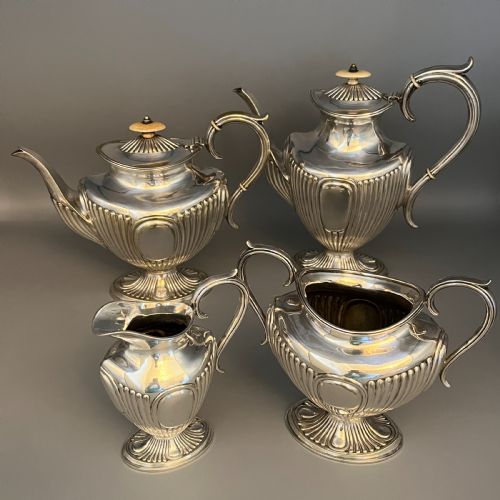
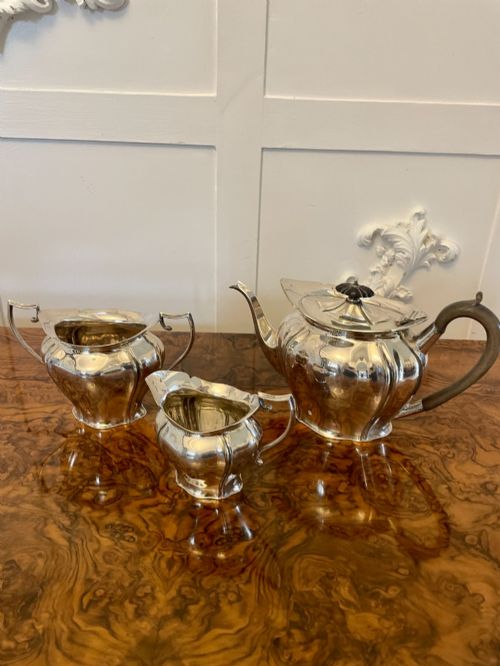
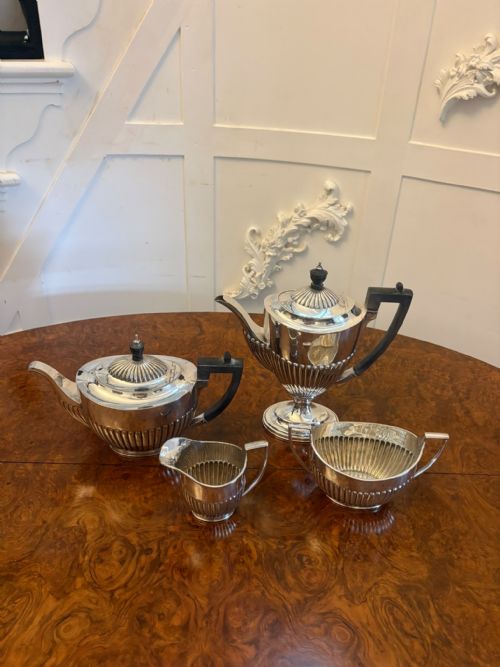
A vintage silver tea jug spans several distinct periods, most commonly appearing in Edwardian silver plate alongside Victorian, Georgian, and mid-century styles. Buyers encounter individual cream and milk jugs as well as pieces belonging to larger tea and coffee sets.
The selection ranges from early nineteenth-century Sheffield plated vessels to mid-century sterling silver designs from Germany and America. Form follows function closely, with handles and spouts shaped for steady pouring during tea service.
Materials and construction
Construction relies heavily on sterling silver and silver plate over base metals like electroplated nickel silver or old Sheffield plate. Makers frequently incorporated insulating elements such as wood, ebony, ebonised wood, or bone into handles to protect hands from heat.
Techniques range from traditional hand-raised silversmithing to industrial silver plating processes. Surface ornamentation includes neoclassical motifs and clean modernist lines depending on the decade of manufacture.
Vintage Silver Tea Jug Retail Price Guide 2026
Typical asking prices for vintage silver tea jug among the pieces listed under this phrase on Sellingantiques today, from the lower quarter to the upper quarter. They describe what is for sale here now, not the wider market.
Assessing manufacture and condition
Quality rests in the weight of the metal, the balance of the handle, and the crispness of any engraved or chased decoration. Substantial gauge silver or thick plate maintains integrity through decades of daily use.
The retention of original insulating components like wood or bone handle spacers indicates superior original assembly. Maker marks from established firms provide a reliable baseline for manufacturing standards.
Joseph Rodgers & Sons·Walker and Hall·Robert Pringle & Sons·Mappin & Webb
The Vintage Silver Tea Jug Glossary
- Sheffield Plate
- An early method of fusing a thin sheet of sterling silver to a copper base before the invention of electroplating. This technique produces a characteristic warm tone where underlying copper occasionally shows through high points.
- Silver Plate
- A thin layer of pure silver applied to a base metal core such as nickel silver. It offered households an affordable alternative to solid sterling.
- Electroplated Nickel Silver
- A copper, nickel, and zinc alloy coated with silver through an electrical process. This material became standard for durable tableware production.
- Sterling Silver
- An alloy containing a high proportion of pure silver combined with copper for structural strength. It bears standard hallmarks indicating purity and origin.
- Spirit Kettle
- A water heating pot mounted on a metal stand above a small burner. These pieces allowed hosts to maintain hot water for tea service at the table.
Vintage Silver Tea Jug: Frequently Asked Questions
How do I clean a silver tea jug?
Use a specialised silver polish and a soft cloth to remove tarnish without scratching the metal surface. Avoid harsh abrasive cleaners that can wear away silver plate.
Rinse the vessel thoroughly with warm water and dry it completely after cleaning to prevent water spots and residue buildup.
Can I use these jugs daily?
Most solid silver and well-plated jugs remain entirely suitable for serving milk, cream, or hot water during meals. Hand washing helps preserve the finish and any insulated handle components.
Take care to avoid abrasive dishwashers, which damage antique metal surfaces and compromise base metals beneath thin plating.
How do I date an Edwardian jug?
Edwardian pieces date from the reign of Edward VII, typically spanning the first decade of the twentieth century. Stylistic cues often combine neoclassical revival motifs with sturdy Edwardian proportions.
Maker marks and registration numbers stamped on the base offer further chronological clues for specific manufacturing years.