


Vintage Silver Tea Box
These vintage silver tea box options bring traditional craftsmanship to the table, offering a refined way to store leaves or serve guests.
Vintage Silver Tea Box
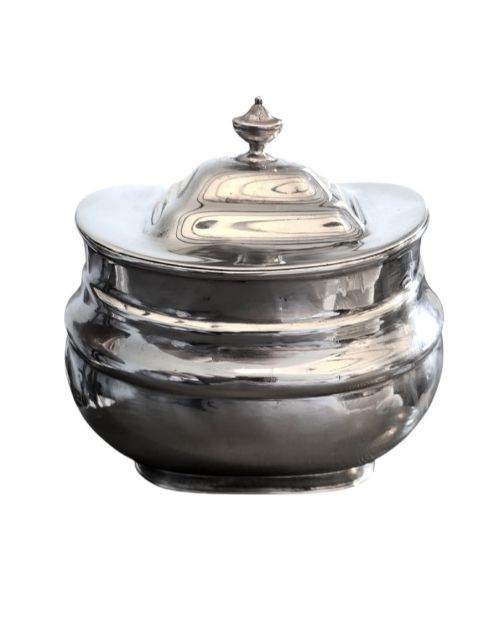
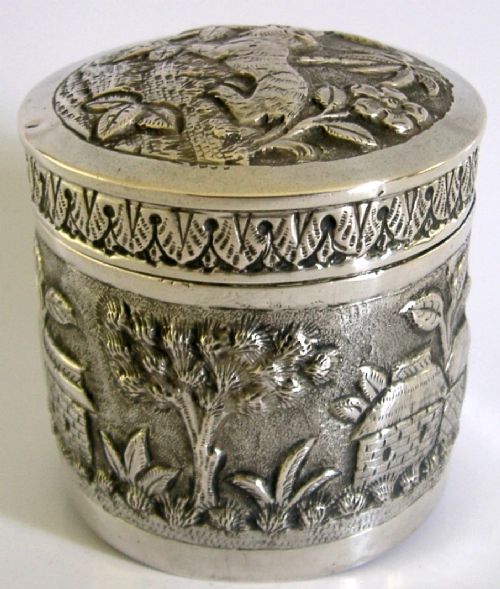
A vintage silver tea box search encounters tea caddies, biscuit barrels, and cased cutlery sets spanning the Victorian, Edwardian, and Art Deco periods. These vessels originate primarily from British workshops, though examples include continental and Anglo-Indian variants.
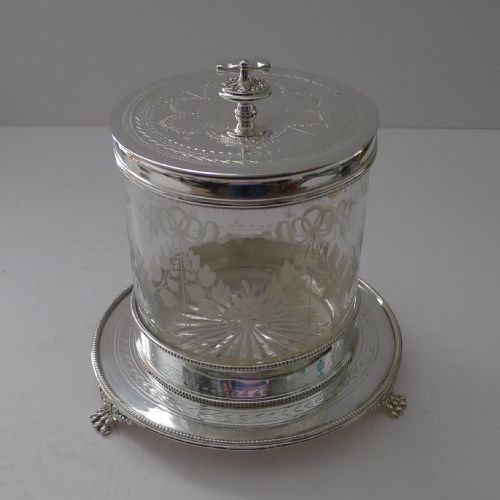
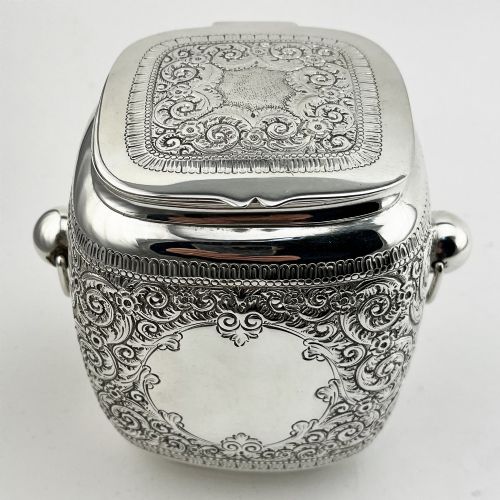
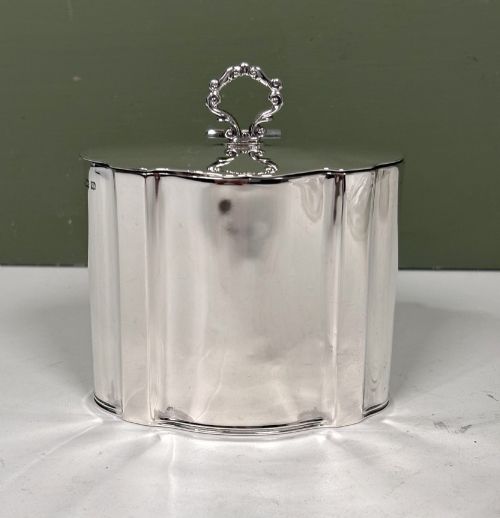
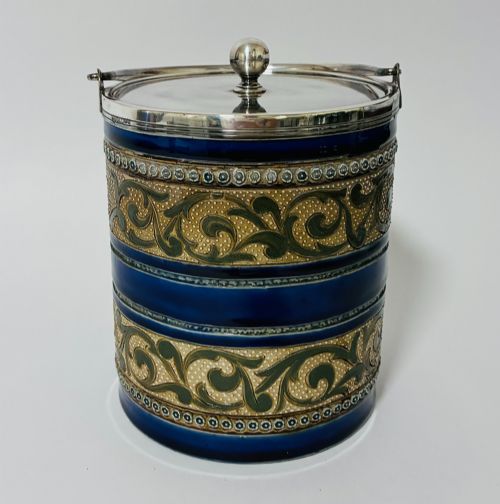
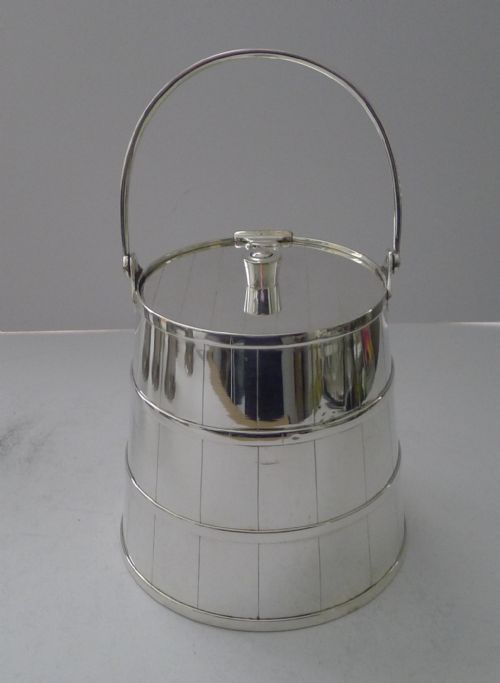
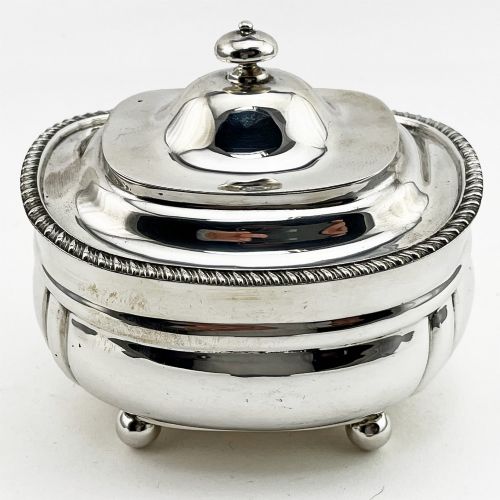
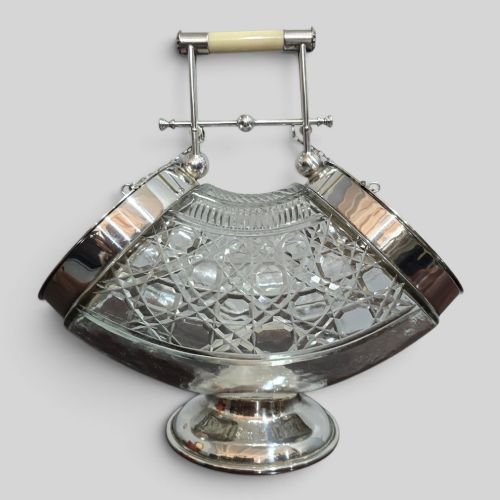
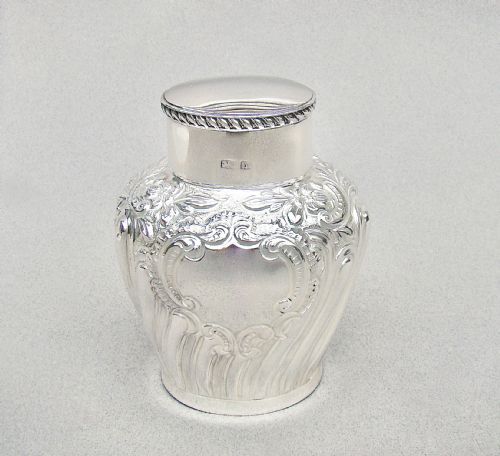
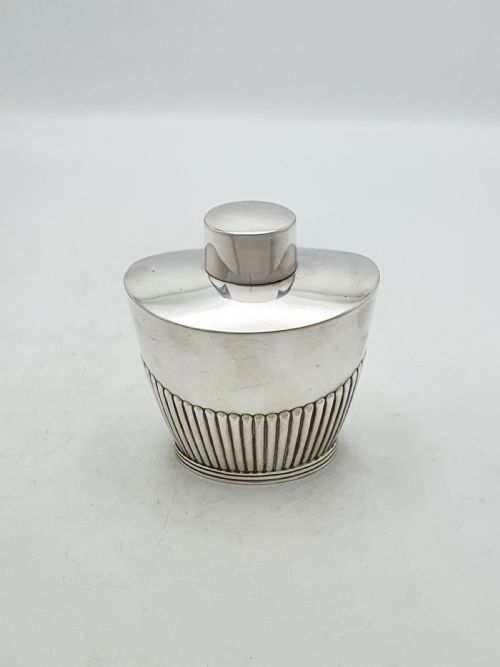
Caddies take forms ranging from plain sterling canisters to intricate vessels with lion mask handles, while larger containers appear as silver-plated biscuit barrels or novelty objects.
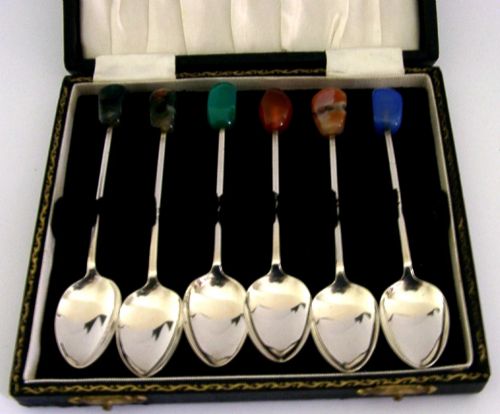
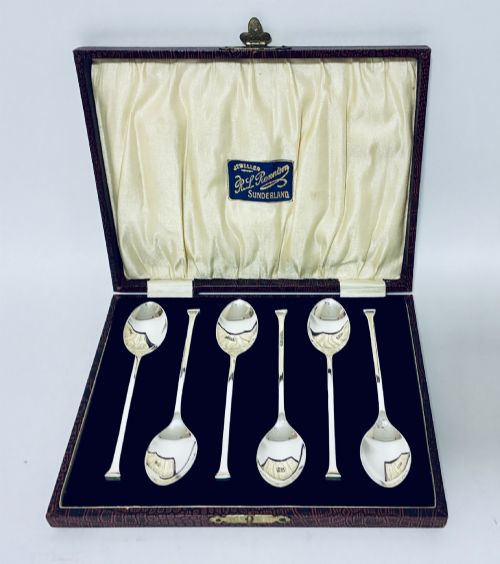
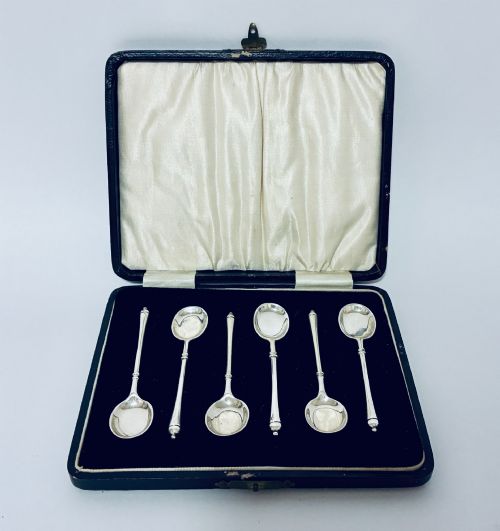
Accompanying sets of teaspoons, coffee spoons, and butter knives frequently surface alongside the main storage vessels, often preserved in original fitted boxes lined with velvet or silk.
Materials and Technique
Construction relies upon sterling silver and silver plate, frequently combined with glass cut in hobnail patterns, ceramic bodies, or oak frameworks.
Interiors often feature fitted linings of satin, leatherette, or velvet to protect delicate surfaces and contents.
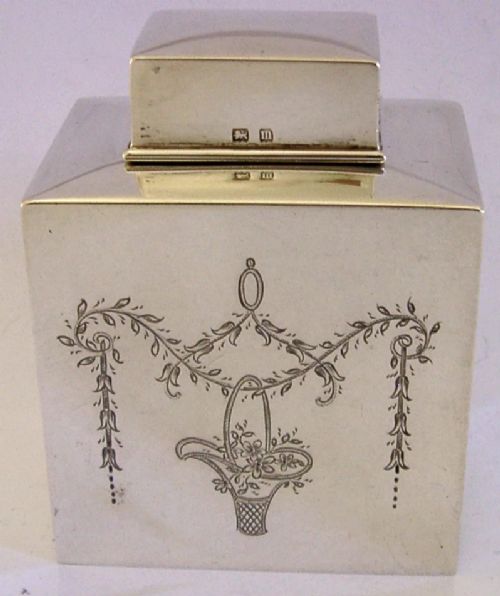
Surface decoration employs techniques such as guilloché enamel work, fine chasing, and distinctive maker hallmarks stamped into the metal.
Vintage Silver Tea Box Retail Price Guide 2026
Typical asking prices for vintage silver tea box among the pieces listed under this phrase on Sellingantiques today, from the lower quarter to the upper quarter. They describe what is for sale here now, not the wider market.
One silver-plated biscuit box takes the surprising form of a heavy gym weight.
Quality Indicators
Distinction across the range rests upon the weight of the metal, the crispness of chased detailing, and the integrity of any applied enamel work.
The presence of original fitted cases lined with silk or velvet elevates an object, as does documented provenance linking the piece to notable silversmiths.
Martin Hall & Co·Mappin & Webb·Thomas Hayes·William Hutton·Turner & Simpson Ltd·Ernest Druiff & Co
The Vintage Silver Tea Box Glossary
- Sterling silver
- An alloy containing a high proportion of pure silver combined with other metals for durability. British pieces typically display a lion passant hallmark denoting this standard.
- Silver plate
- A layer of silver bonded to a base metal core such as copper or nickel brass. This technique allowed makers to produce substantial vessels at a lower cost.
- Tea caddy
- A container designed specifically for storing dry tea leaves securely. Early examples often featured internal lids and lockable compartments.
- Biscuit barrel
- A large lidded jar intended for serving biscuits at the table. These frequently combine ceramic or cut glass bodies with silver-plated mounts.
- Guilloché
- A decorative technique where a precise, intricate pattern is mechanically engraved into metal beneath a translucent layer of enamel.
Vintage Silver Tea Box: Frequently Asked Questions
What is a tea caddy?
A tea caddy is a specialised container built to keep tea leaves fresh and dry. In previous centuries, tea was a costly commodity, so these vessels were frequently fitted with locks.
Today, they serve as decorative display items on sideboards or dining tables, retaining their traditional function for dry storage.
How do I clean silver tea boxes?
Cleaning requires a soft cloth and a gentle silver polish formulated to remove tarnish without scratching the metal surface. Avoid harsh chemical dips, particularly on pieces with enamel or velvet linings.
For items with glass or ceramic components, mild soapy water applied carefully keeps the non-metal parts clear without damaging the silver mounts.
Were these items used daily?
Many pieces saw regular service in middle- and upper-class households during tea rituals and formal dining occasions. Cased cutlery sets and teaspoons were often reserved for special guests or afternoon tea.
Other items, such as novelty biscuit barrels, occupied prominent positions on the dining table during evening gatherings.
How do I identify the period?
Hallmarks stamped directly onto the silver provide the most reliable method for dating British items. These marks indicate the assay office, the specific year of manufacture, and the silversmith.
Stylistic clues like Art Deco geometric lines or Victorian floral chasing also help place an object within its historical decade.