
Vintage Silver Tabletop Frame
A vintage silver tabletop frame brings domestic portraits and dressing surfaces to life through period craftsmanship.
Vintage Silver Tabletop Frame
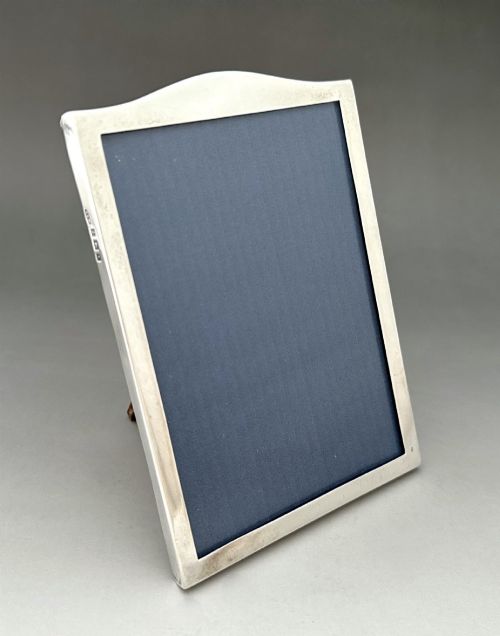
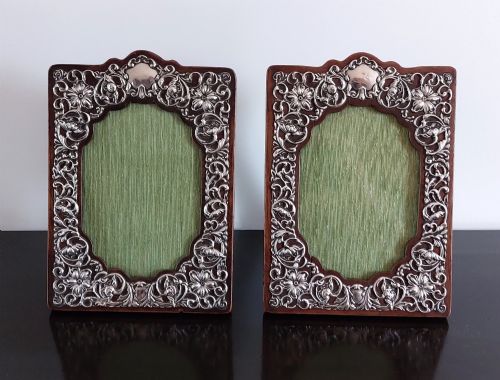
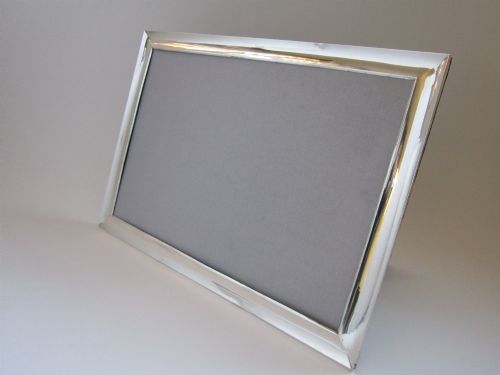
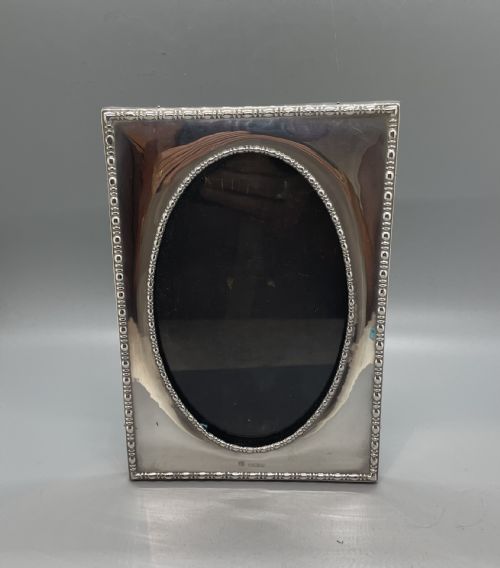
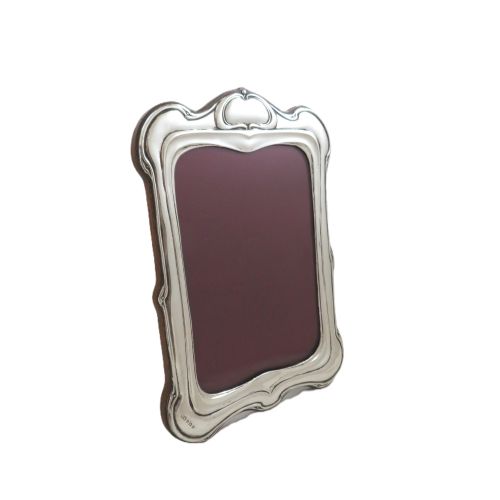
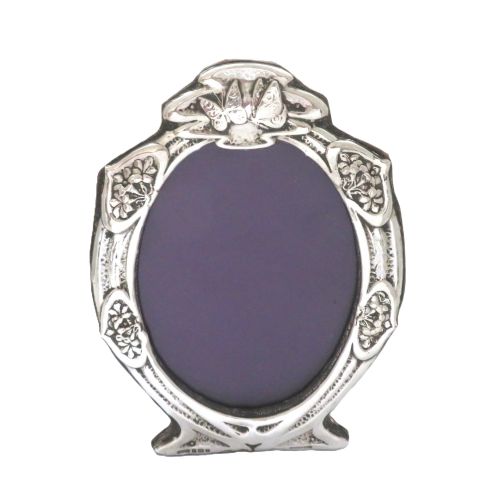
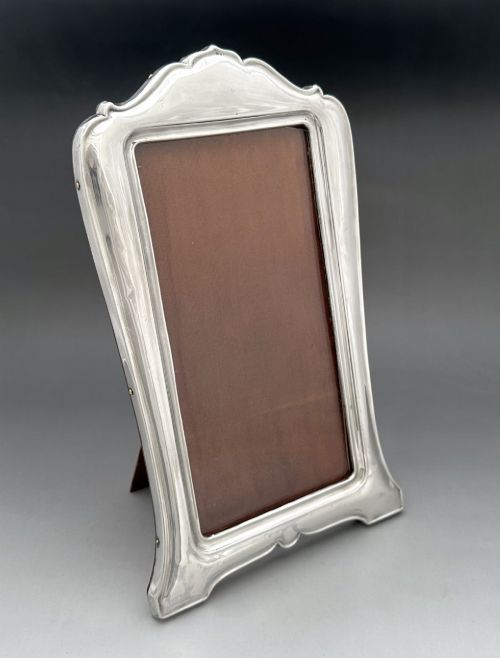
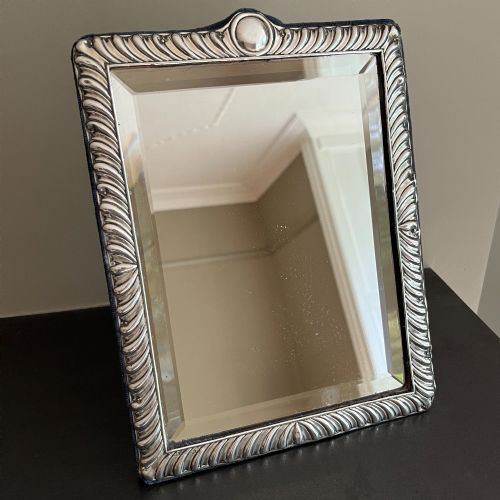
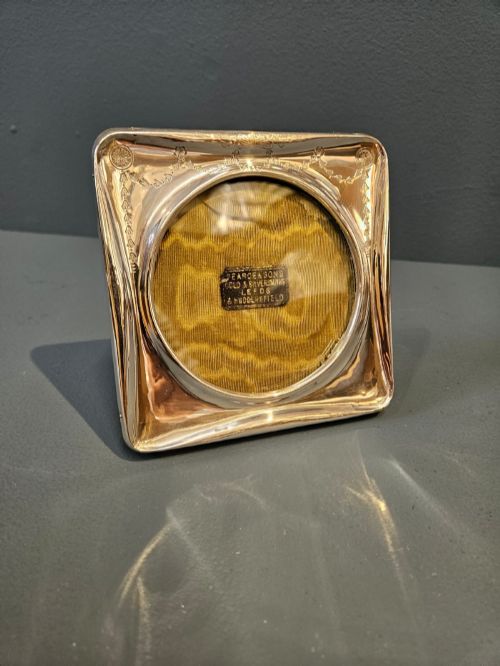
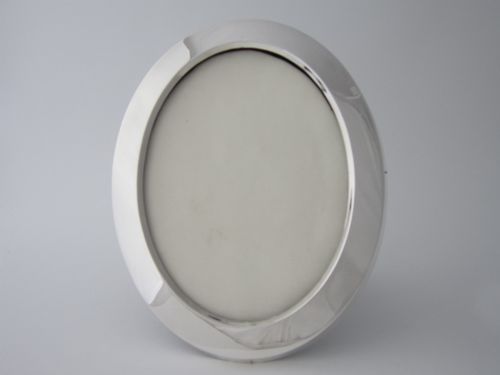
A vintage silver tabletop frame comprises picture frames, photograph frames and table mirrors designed to stand upright on furniture. When searching for a vintage silver tabletop frame, buyers encounter items produced across the late nineteenth and early twentieth centuries. The selection includes Victorian, Edwardian and George V specimens alongside Art Nouveau and Art Deco designs.
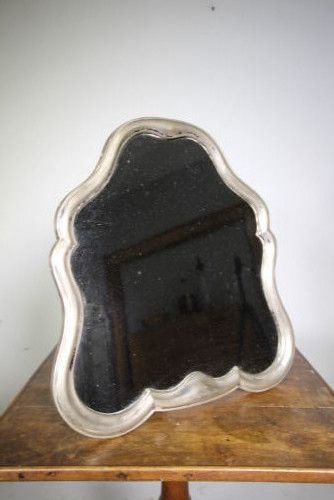
Geographic origins span English assay offices such as Birmingham, Sheffield, Chester and London, alongside continental European workshops. Pieces range from plain borders to heavily embossed floral motifs and engine-turned surfaces. Certain items incorporate display elements like glass panes and mirror glass to protect or reflect the subject.
Materials and construction methods
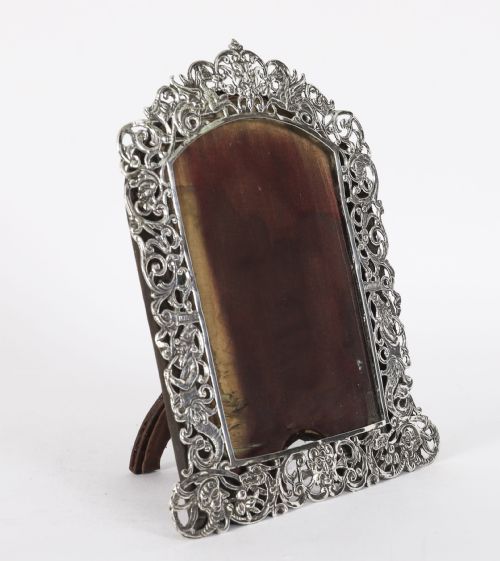
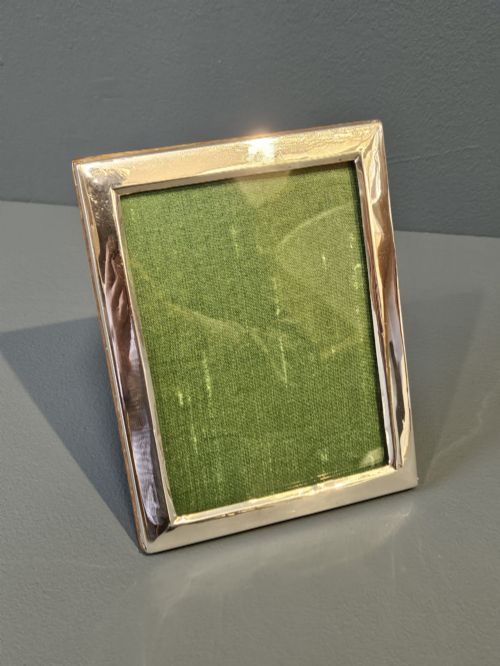
Silversmiths constructed these frames predominantly from sterling silver and silver plate, frequently mounting the precious metal over wooden cores or structural frames. Velvet, fabric and mirror glass form the internal linings and backing boards that support the photograph or reflect the dressing table. Glass panels protect the face of the portrait while metal struts provide the necessary angle for tabletop display.
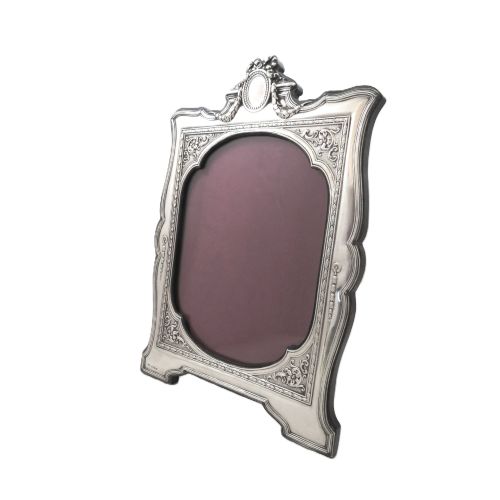
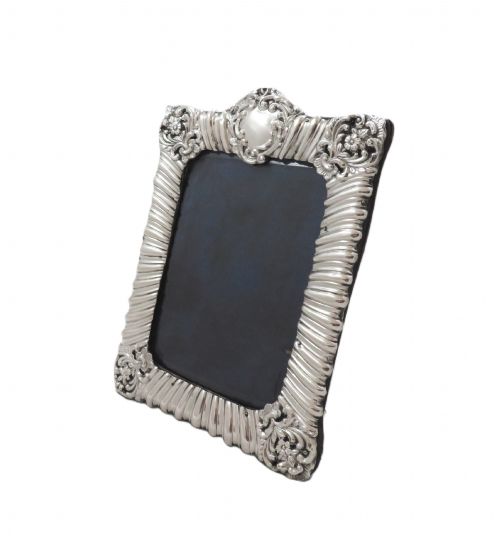
Surface decoration involved specialised techniques including embossing, engraving and engine-turning to create floral borders and geometric patterns. Workshops applied silver gilt for enhanced richness, while hinged mechanisms allowed triptych mirrors and folding frames to adjust. Pewter also appears in continental examples, shaped with organic motifs characteristic of the period.
A charming heart-shaped frame provides a romantic alternative to standard rectangular portraits.
Distinctions in quality and execution
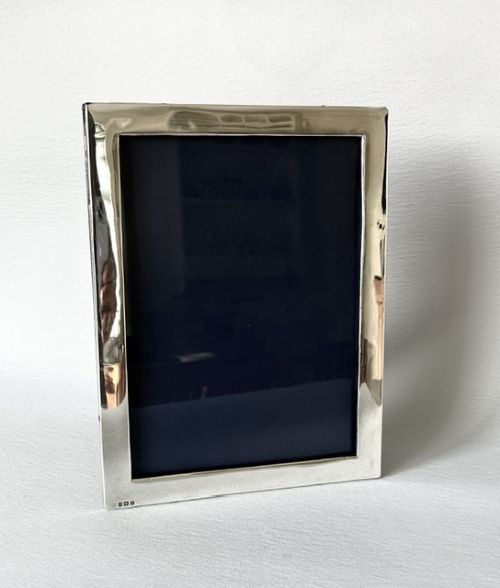
Quality separates mass-produced items from pieces bearing crisp, hand-finished hallmarks and substantial gauge silver. The weight of the metal and the rigidity of the wooden backing dictate longevity and stability on a surface. Superior examples display sharply struck maker marks and assay office symbols alongside precise engine-turned detailing.
The integrity of the internal hinge mechanisms and the original velvet lining contribute to overall execution. Frames retaining original glass panels and sturdy easel struts command greater regard than those requiring replacement components. Fine embossing maintains depth and clarity across every curve of the border.
Rosenthal, Jacob & Co.·WMF·Hardy Brothers
The Vintage Silver Tabletop Frame Glossary
- Sterling silver
- An alloy containing ninety-two point five percent silver by mass, with other metals added for durability. This standard is marked by specific hallmarks on British items.
- Strut mirror
- A mirror featuring a hinged prop or stand attached to the rear for vertical display on a tabletop. These items often incorporate bevelled mirror glass.
- Engine-turned
- A decorative technique involving precise geometric patterns cut mechanically into metal surfaces. This method creates repetitive textures across the border of a frame.
- Assay office
- An official body that tests the purity of precious metals and stamps items with statutory hallmarks. Cities such as Birmingham, Sheffield and London maintain distinct offices.
Vintage Silver Tabletop Frame: Frequently Asked Questions
How do I date a silver frame?
British silver frames carry hallmarks that identify the assay office, the standard of metal and a date letter corresponding to the year of manufacture. Examining these stamped symbols provides an exact year of production.
Stylistic indicators such as Art Nouveau curves or Edwardian floral embossing also assist in determining the approximate decade when hallmarks are rubbed or absent.
What is the difference between silver and silver plate?
Sterling silver consists of a solid precious metal alloy throughout the body of the item, meeting strict legal purity standards. Silver plate involves a thin layer of silver bonded to a base metal core.
Solid silver items bear standard hallmarks indicating metal purity, whereas plated pieces generally display maker marks denoting alternative manufacturing processes.
How should I clean a vintage silver frame?
Careful maintenance involves using a soft cloth designed for silver to remove tarnish without damaging engraved or embossed details. Avoiding harsh abrasive pastes preserves the integrity of the metal surface.
Protecting the original wooden backing and velvet lining from moisture during cleaning prevents warping and deterioration of internal components.
Were these frames intended for travel?
Tabletop frames were primarily designed for permanent placement on domestic surfaces such as desks, mantelpieces and dressing tables. The inclusion of easel backs and wooden struts facilitated stationary display rather than portability.
Folding designs and triptych mirrors allowed adjustment within the home rather than transit between locations.