
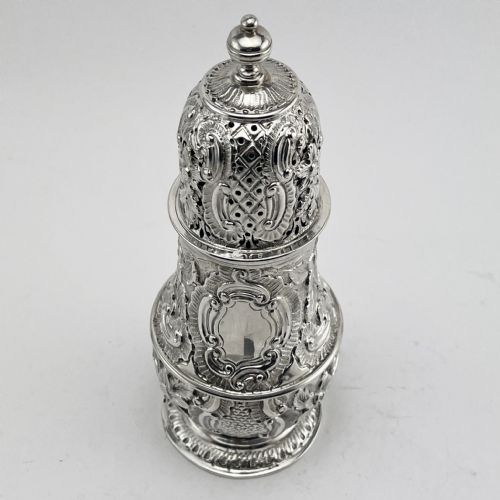


Vintage Silver Sugar Caster
These vintage silver sugar casters bring genuine period elegance to the table, offering a functional piece of tableware with enduring charm.
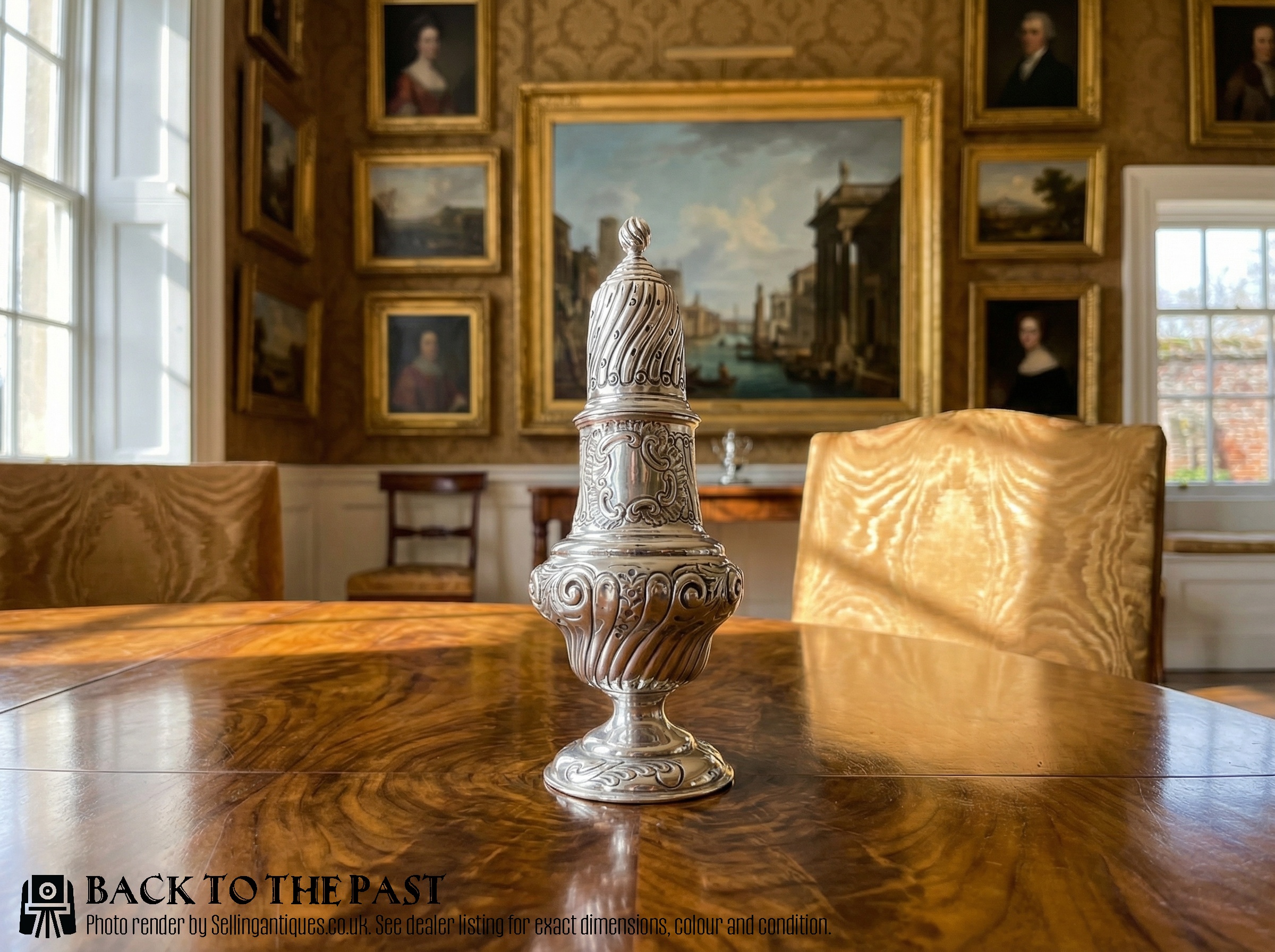
Vintage Silver Sugar Caster
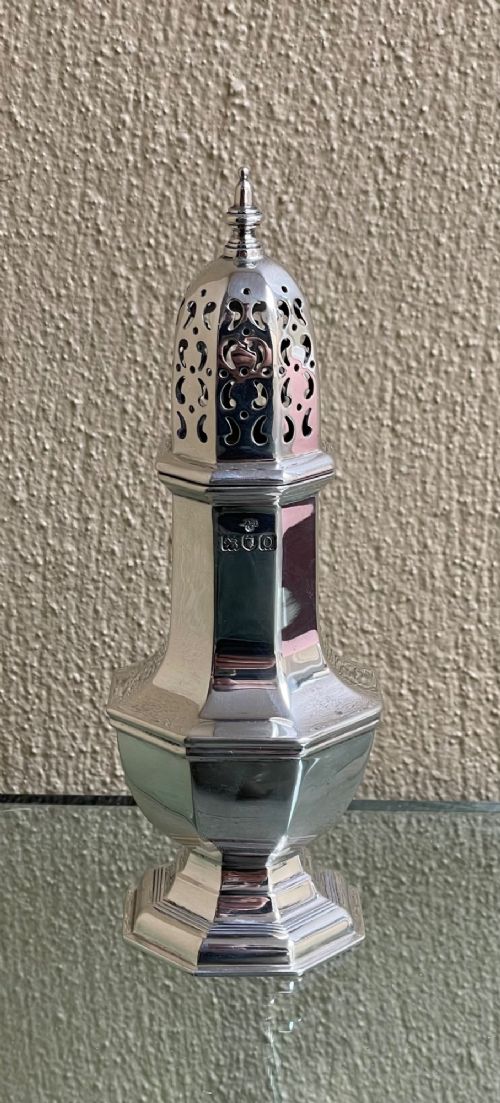
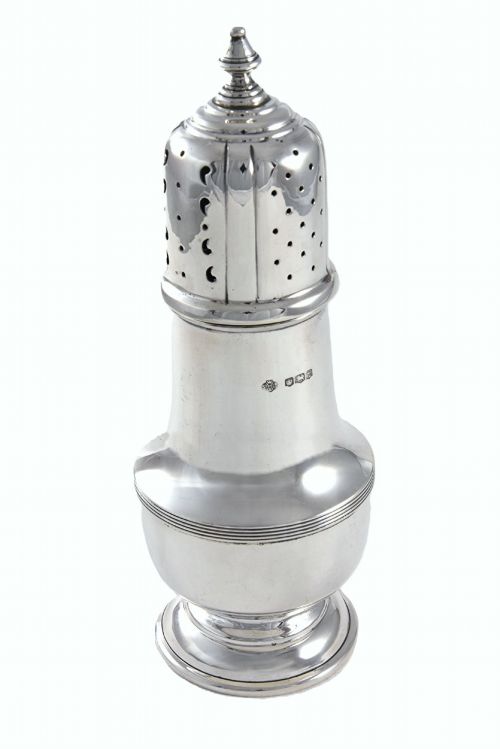
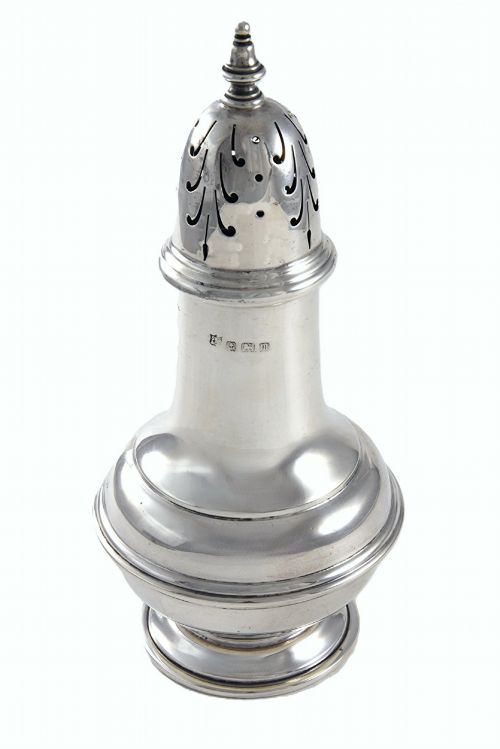
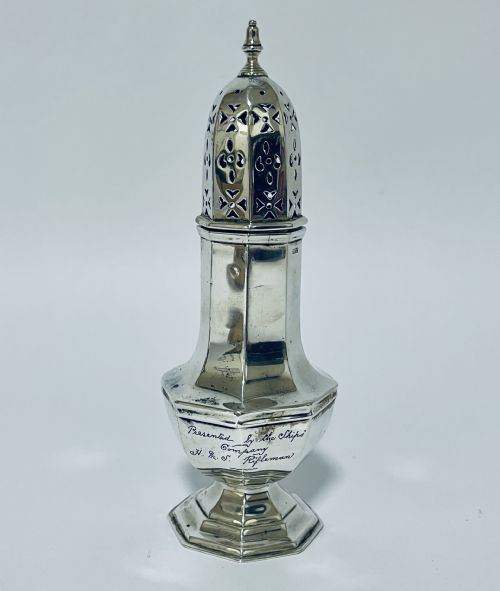
A vintage silver sugar caster is a refined piece of tableware designed for dusting pastries or fruit with fine sugar. The selection spans the nineteenth century through the mid twentieth century, encompassing varied forms from baluster shapes to geometric polygon sides.
Buyers will encounter distinct stylistic periods on this page, notably Edwardian, Victorian, and Art Deco examples. Alongside solid silver constructions, pieces featuring cut glass bodies with silver tops appear frequently among the tableware.
Originating primarily from British assay offices like Birmingham and Sheffield, alongside continental European makers, these sugar casters reflect the prevailing decorative tastes of their respective decades, including Georgian Revival and Art Nouveau motifs.
Materials and Construction
The primary material across these listings is sterling silver, frequently paired with lead crystal or cut glass for the body of the shaker. Certain examples utilise silver gilt to provide a rich interior or exterior finish.
Pierced tops are meticulously formed with small apertures designed to distribute castor sugar evenly. Hallmarks stamped into the metal indicate the assay town, date letter, and maker's mark, confirming the authenticity of the silver.
Some sugar casters doubling as cornucopias remind us that Victorians enjoyed serving sweetness from the horn of plenty.
Assessing Quality and Craftsmanship
Quality in a sugar caster is determined by the weight of the silver and the crispness of the pierced decoration on the lid. Substantial gauge metal ensures the body resists denting during daily use.
Artistic execution also separates standard production items from exceptional pieces, particularly where hand-chased motifs or specialised forms like the cornucopia are involved. Makers who employed heavier gauge silver and detailed craftsmanship produced pieces that retain their structural integrity and visual appeal.
The Barker Brothers·James Dixon And Sons Ltd·Evald Nielsen·Horace Woodward And Co Ltd·Roberts And Belk·Berthold Muller Hanau
The Vintage Silver Sugar Caster Glossary
- Castor
- A small jar or shaker with a perforated top used for sprinkling sugar or spices onto food. It forms the primary object type found within these listings.
- Hallmark
- An official stamp applied by an assay office to indicate the purity of the metal, the maker, and the year of manufacture. British silver typically carries a sequence of marks including a lion passant and date letter.
- Silver Gilt
- Silver that has been coated with a thin layer of gold on the surface. This technique imparts a warm golden hue while maintaining a solid silver base.
- Pounce Pot
- A small container with a perforated lid used historically for sprinkling sand or pounce powder onto wet ink. Similar in form to a sugar caster, it belongs to the desk accessories category.
Vintage Silver Sugar Caster: Frequently Asked Questions
How do I clean a vintage silver sugar caster?
Cleaning requires a soft microfibre cloth and a reputable silver polish formulated to remove tarnish without scratching the metal. Care should be taken around pierced lid sections to avoid bending the delicate fretwork.
For pieces incorporating cut glass bodies, mild soapy water cleans the glass safely while keeping moisture away from any glued or fitted silver collars.
Can I still use these casters for dining?
These pieces function adequately for modern dining provided the interior is washed thoroughly before use. Fine castor sugar flows easily through the historic pierced apertures on the lids.
Many collectors prefer to use them during formal meals or display them alongside other silver tableware when not in active service.
How do I identify the date of a silver caster?
Dating relies primarily on the hallmark stamped into the silver, which includes a specific letter corresponding to the assay year table of the office that tested the metal. Style indicators such as Art Deco geometric lines or Edwardian proportions also help narrow down the decade.
Consulting standard silver reference guides allows a buyer to match the leopard head, anchor, or crown symbols to their exact year of creation.